Newborn bathing and skin-care principles protect delicate skin through gentle cleansing, safe water, and simple daily care.
Newborn skin is thin, sensitive, and still learning to protect itself. The right newborn bathing and skin-care principles can prevent dryness, irritation, heat rash, and avoidable injuries. This guide explains safe bath timing, water temperature, product choice, cord care, diaper care, and signs that need medical advice.
Why newborn skin needs special care
A baby’s skin is not just smaller adult skin. It is thinner, loses water more quickly, and has a developing protective barrier. This barrier helps keep moisture in and irritants out.
Newborn skin may look dry, peel, or develop small red spots during the first weeks. Many of these changes are normal. Still, harsh soaps, hot water, strong fragrances, and frequent bathing can make the skin more sensitive.
The main newborn bathing and skin-care principles are simple:
• Clean gently without scrubbing.
• Use warm, not hot, water.
• Keep baths short.
• Moisturize dry areas with a plain product.
• Avoid fragrance and unnecessary ingredients.
• Watch the baby at all times near water.
Vernix, the white coating found on some babies at birth, also has a purpose. It helps protect and moisturize the skin. It does not need to be scrubbed away. It usually absorbs into the skin over time.
The American Academy of Pediatrics and the American Academy of Dermatology both support gentle bathing and limited use of mild, fragrance-free products for babies.

When should you give a newborn the first bath?
For most healthy newborns, the first bath can wait at least 24 hours after birth. Waiting helps support normal body temperature and blood sugar. It also gives the baby time for early skin-to-skin contact and feeding.
If waiting 24 hours is not possible, many experts recommend waiting at least 6 hours. A premature baby, a baby with low body temperature, or a baby with health concerns may need a different plan from the medical team.
Until the umbilical cord stump falls off and the skin heals, use sponge baths. This keeps the stump dry and lowers the chance of irritation.
Sponge bathing step by step
Gather everything before you begin. Never leave a baby alone, even for a few seconds, to get a towel or soap.
-
Place the baby on a flat, safe surface.
-
Keep one hand on the baby at all times.
-
Cover the baby with a towel and uncover one area at a time.
-
Use a soft washcloth with warm water.
-
Clean the face first, using plain water around the eyes.
-
Wash the neck folds, behind the ears, hands, and diaper area.
-
Pat the skin dry, especially inside the folds.
-
Leave the cord stump alone unless a health professional gives other instructions.
A common mistake is trying to make the cord stump “extra clean” with alcohol, oil, or powder. Current newborn bathing and skin-care principles usually favor clean, dry cord care. Follow your hospital or pediatrician’s advice, since local guidance may differ.
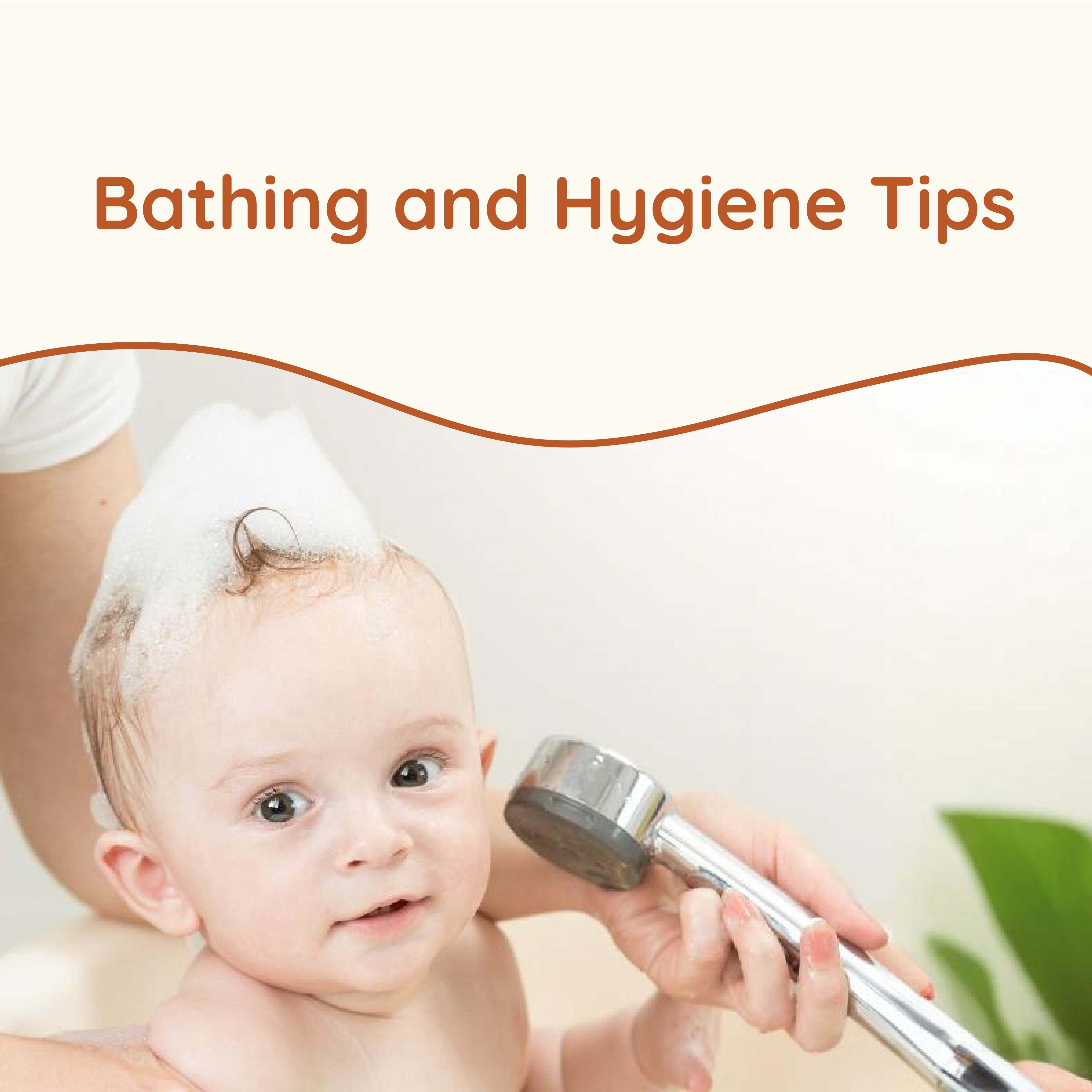
How often should a newborn take a bath?
Most newborns do not need a full bath every day. Two or three baths each week are often enough during the first year. Daily cleaning of the face, neck folds, hands, and diaper area is usually all that is needed between baths.
Too many baths can remove natural oils. This may cause tightness, flaking, redness, or small cracks. If your baby enjoys a daily bath, keep it brief and use cleanser only where needed.
Bathing frequency may change with the weather, skin condition, and family routine. A baby who sweats in hot weather may need extra cleaning, but this does not always mean a full bath. A warm washcloth can often do the job.
Signs that bathing may be too frequent
Look for:
• Rough or peeling skin
• Red patches after bathing
• More itching or rubbing
• Small cracks near the ankles or wrists
• Increased need for moisturizer
The best newborn bathing and skin-care principles are flexible. They should support clean, comfortable skin without turning bath time into a daily scrub.

Safe water temperature and bath setup
Water safety is one of the most important parts of newborn bathing. A baby can be badly burned by water that feels only warm to an adult.
Set the water heater below 120°F when possible. The American Academy of Pediatrics notes that lower water heater settings can reduce the risk of scald burns. Test bath water with your wrist or elbow, but use a thermometer if you have one.
Aim for bath water around 100°F. It should feel comfortably warm, not hot. Room temperature also matters. A cold room can make a newborn lose heat quickly.
Use this safety checklist:
• Fill the tub before placing the baby inside.
• Keep the tub on a stable, flat surface.
• Use only a small amount of water.
• Keep supplies within arm’s reach.
• Support the baby’s head and neck.
• Keep one hand on the baby.
• Empty the tub as soon as the bath ends.
• Never rely on bath seats, rings, or floating devices.
A baby can drown in only a small amount of water. Drowning is silent, so a caregiver may not hear a baby struggling. Phone calls, pets, siblings, and doorbells should wait until the baby is dressed and safely away from the water.

How to wash a newborn safely
Start with the cleanest areas and move toward the diaper area. This helps reduce the spread of germs.
Use plain water on the face. If you clean around the eyes, wipe from the inner corner toward the outer corner with a fresh, damp part of the cloth for each eye.
For the body, use your hand or a soft washcloth. Do not scrub. Newborn skin needs a gentle touch, much like silk rather than a kitchen towel.
Pay attention to skin folds. Milk, sweat, and moisture can collect under the chin, behind the ears, and in the armpits. Clean these areas softly, then pat them dry.
For the diaper area, clean from front to back. This is especially important for babies with vulvas because it helps reduce the spread of bacteria. For babies with penises, wash the outside gently. Do not force back an uncircumcised penis; the foreskin separates naturally over time.
Hair usually needs little attention. Wash the scalp once or twice a week with a mild, fragrance-free cleanser if needed. A soft brush can help loosen flakes from cradle cap, but do not pick or scratch them.

Choosing newborn skin-care products
Simple products are often best. A newborn does not need a large collection of lotions, oils, powders, and scented washes.
Look for labels that say:
• Fragrance-free
• Dye-free
• Hypoallergenic
• Made for sensitive skin
“Unscented” does not always mean fragrance-free. An unscented product may contain chemicals that cover or remove a scent. Fragrance-free is usually the clearer choice for sensitive newborn skin.
Use a small amount of mild cleanser only when needed. A plain, thick cream or ointment can help dry skin. Petroleum jelly is often useful for protecting the diaper area and sealing in moisture.
Avoid:
• Talcum powder and loose powders
• Perfume and essential oils
• Adult exfoliating products
• Bubble bath
• Antibacterial soaps
• Strong plant extracts
• Products with alcohol
• Harsh scrubs
Powders can enter a baby’s lungs when they become airborne. Essential oils can also irritate newborn skin and may be unsafe if inhaled or swallowed.
Try one new product at a time. Apply a small amount to a limited area and watch for redness, swelling, blisters, or worsening dryness. Stop the product and contact a clinician if a reaction develops.

Moisturizing newborn skin
Healthy newborn skin does not always need moisturizer. If the skin looks dry, apply a plain cream or ointment soon after bathing. Pat the baby dry first, leaving a little moisture on the skin.
Creams and ointments often work better than thin lotions. They contain more moisture-sealing ingredients and may sting less on dry or cracked skin.
Apply moisturizer to:
• Dry cheeks
• Flaky arms or legs
• Rough patches on the belly
• Dry areas around the ankles or wrists
Avoid applying thick products between warm, moist skin folds unless a clinician recommends it. Trapped moisture can encourage irritation.
One practical lesson many new parents learn is that less is often more. A baby may not need lotion after every bath. Watch the skin, use a small amount, and adjust based on comfort.
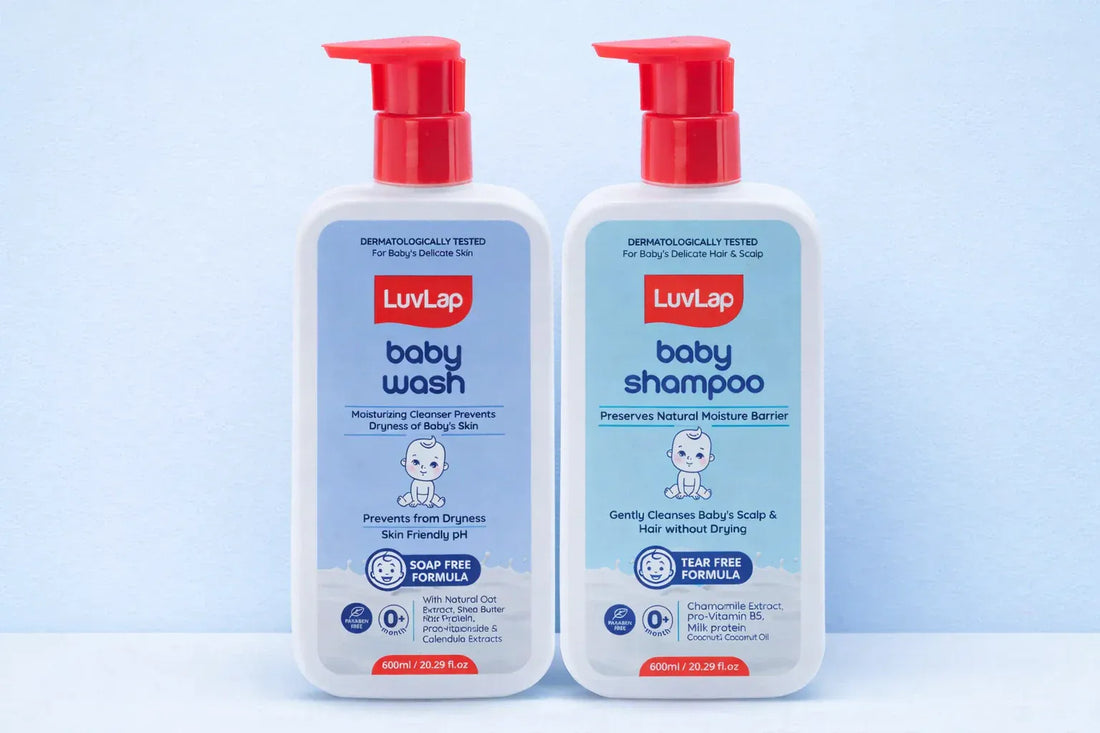
Diaper-area skin care
Diaper care is a key part of newborn bathing and skin-care principles. Wetness, stool, friction, and contact with urine can irritate the skin. Frequent changes help protect the diaper area.
Change the diaper as soon as possible after a bowel movement. For wet diapers, change them regularly and avoid leaving the baby in a soaked diaper for long periods.
Clean gently with warm water and a soft cloth. Fragrance-free wipes can be useful when traveling, but stop using them if they cause redness.
A thin layer of barrier ointment can protect the skin. Products with zinc oxide or petroleum jelly are common choices. You do not need to scrub all the ointment away at every change. Remove stool and add more as needed.
Contact a health professional if the rash:
• Spreads beyond the diaper area
• Has blisters, pus, or open sores
• Includes bright red spots outside the main rash
• Does not improve after a few days of gentle care
• Comes with fever or a baby who seems unwell

Caring for the umbilical cord and circumcision site
The umbilical cord stump usually dries, darkens, and falls off within one to three weeks. Keep it clean and dry. Fold the diaper down so it does not rub against the stump.
A small amount of blood may appear when the stump separates. This can be normal. Call the baby’s clinician if you see spreading redness, swelling, warmth, pus, a bad smell, continued bleeding, or fever.
After circumcision, follow the instructions from the healthcare team. Care may include applying petroleum jelly to prevent the healing skin from sticking to the diaper. Do not use creams or medicines unless they were recommended for your baby.
Do not pull off the cord stump, even if it hangs by a small piece. Let it fall away on its own. This is one of the simplest and most important newborn bathing and skin-care principles.
Managing common newborn skin conditions
Newborn rashes are common, but they can look alike. A careful look at timing, location, and symptoms can help, though only a clinician can diagnose a rash with certainty.
Dry or peeling skin
Peeling is common in the first days after birth, especially on the hands, feet, and ankles. Use short baths, warm water, and a plain moisturizer if the skin seems uncomfortable. Do not pull off loose skin.
Cradle cap
Cradle cap causes greasy or flaky scales on the scalp. Wash gently and use a soft brush. Do not scratch or pick the scales. Ask a clinician before using medicated products.
Heat rash
Heat rash may appear as tiny red bumps in warm, covered areas. Dress the baby in light layers, keep the room comfortably cool, and avoid heavy oils.
Eczema
Eczema can cause dry, itchy, red, or rough patches. Fragrance-free products, short baths, and regular moisturizing may help. A pediatric clinician can advise on treatment if the rash is severe or persistent.
Baby acne
Small red or white bumps may appear on the face. Do not squeeze them or use acne products. Wash with plain water or a mild cleanser and allow the skin to settle.
Seek urgent medical advice for a newborn with a fever of 100.4°F or higher, widespread blisters, purple spots, breathing trouble, facial swelling, or a baby who is difficult to wake or feed.
Newborn bathing and skin-care mistakes to avoid
Even careful parents can make bath time harder than it needs to be. Avoid these common errors:
• Leaving the baby alone “for just a moment”
• Using water that is too hot
• Bathing every day with soap
• Scrubbing away vernix or flaky skin
• Cleaning inside the ear canal
• Using cotton swabs inside the ears
• Pulling back the foreskin
• Covering the umbilical cord with a wet dressing
• Using scented oils or powders
• Treating a rash with adult medicine
• Applying several new products at once
A calm routine is safer than a rushed routine. Place the towel, diaper, clothes, cleanser, and moisturizer beside you before starting. If you feel overwhelmed, wrap the baby safely and pause.
A simple newborn bath routine
This routine brings the main newborn bathing and skin-care principles together.
-
Check that the room is warm and the supplies are ready.
-
Test the water temperature before placing the baby in the tub.
-
Support the baby’s head and neck.
-
Keep the bath short, often about five to ten minutes.
-
Wash the face with plain water.
-
Clean the body gently, focusing on folds and the diaper area.
-
Use cleanser only where needed.
-
Rinse away any cleanser.
-
Lift the baby with both hands and keep a firm hold.
-
Pat the skin dry rather than rubbing.
-
Apply a plain moisturizer to dry areas.
-
Dress the baby in soft, breathable clothing.
Never carry a wet baby with one hand while reaching for supplies. Wet skin is slippery, and newborns cannot protect themselves from a fall.
Frequently Asked Questions About Newborn Bathing and Skin-Care Principles
How often should a newborn be bathed?
Most newborns need a full bath about two or three times each week. Clean the face, neck folds, hands, and diaper area daily as needed.
Can I bathe my newborn before the umbilical cord falls off?
Yes, but use sponge baths until the cord stump falls off and the skin heals. Keep the stump clean and dry, and follow your healthcare professional’s instructions.
What temperature should newborn bath water be?
Bath water should feel warm, not hot, and is often kept near 100°F. Test it with your wrist or elbow, and use a bath thermometer when available.
Should I use soap on a newborn?
Use a small amount of mild, fragrance-free cleanser only when needed. Plain warm water is enough for many parts of the body and for many baths.
Is lotion safe for newborn skin?
A fragrance-free cream or ointment can help dry skin. Apply a small amount after bathing, and stop using it if redness, swelling, or irritation appears.
Why is my newborn’s skin peeling?
Peeling skin is common during the first days and weeks as the outer layer adjusts to life outside the womb. Avoid pulling the skin, and use gentle bathing with moisturizer on dry areas if needed.
When should I call a doctor about a newborn rash?
Call a healthcare professional for fever, blisters, pus, spreading redness, purple spots, facial swelling, or a baby who seems unwell. Also seek advice when a rash is painful, worsening, or not improving with gentle care.
Conclusion
Newborn bathing and skin-care principles center on safety, gentle cleansing, limited bathing, and simple fragrance-free products. Sponge bathe until the cord stump heals, use warm water, keep one hand on the baby, and moisturize only when the skin needs it.
Your baby does not need a complicated routine. A calm setup, soft touch, and careful attention to changes in the skin can make bath time safe and reassuring. Use these steps at home, follow your pediatrician’s advice, and explore trusted newborn-care resources as your baby grows.