Most babies move from a bassinet to a crib between 3 and 6 months, when space, movement, or safety limits arise.
The baby transition from bassinet to crib can feel like a big change for both parent and child. In practice, it is often a gradual shift, not a single night. With safe sleep habits, the right timing, and a calm plan, your baby can learn to sleep well in a crib while you feel more confident.
When Should a Baby Transition From a Bassinet to a Crib?
There is no exact age for the baby transition from bassinet to crib. Many babies move between 3 and 6 months, but some need a crib sooner. The best time depends on your baby’s size, movement, sleep habits, and the bassinet’s safety limits.
Always check the bassinet manual first. Most bassinets have a weight limit, height limit, or rule that says to stop use when a baby can roll, push up, sit, or pull up.
Start planning the baby transition from bassinet to crib if your baby:
• Reaches the bassinet’s weight or height limit
• Can roll from back to belly or belly to back
• Pushes up on their hands or knees
• Tries to sit or pull up
• Looks cramped or touches the sides often
• Can move a lot during sleep
A baby does not need to sleep through the night before using a crib. In fact, many babies move to a crib while they still wake for feeds. The crib is simply a larger, safer sleep space.

Why Move a Baby From a Bassinet to a Crib?
A bassinet is made for early months. It offers a small, cozy space and often fits beside the parent’s bed. However, most bassinets have less room for a growing baby and may not support active movement for long.
A crib gives your baby more room to stretch, roll, and move safely. A full-size crib can also serve your child for years when it meets current safety standards.
The main reasons for the baby transition from bassinet to crib include:
• Improved space for movement
• Better support for rolling and changing positions
• A longer-lasting sleep setup
• Fewer concerns about reaching the bassinet’s limits
• A clear sleep area with a firm, flat mattress
The crib should have a firm mattress that fits tightly. Use only a fitted sheet made for that mattress. Keep pillows, blankets, bumpers, stuffed toys, and sleep positioners out of the crib.
The safest sleep position remains on the back for every sleep. Once a baby can roll both ways on their own, you should still place the baby on the back, but you do not need to keep turning them back after they roll.

Signs Your Baby Is Ready for the Crib
Readiness is not only about age. It is also about body control and the limits of the current sleep space.
Some parents wait because their baby seems happy in the bassinet. That is understandable. Yet a baby may outgrow a bassinet before showing clear signs of discomfort. Safety limits matter more than convenience.
Look for these signs:
Your Baby Is becoming More Active
Rolling, scooting, stretching, and pushing up can make a small bassinet less suitable. A baby who moves often may need the extra space of a crib.
Your Baby Is Near the Bassinet Limit
Do not wait until your baby reaches the exact weight or height limit. Read the product instructions and move your baby earlier if the manual advises it.
Your Baby Sleeps in Another Room
Many families start with a bassinet in the parents’ room. Health experts generally recommend room sharing without bed sharing for at least the first six months, when possible. If the crib is in your room, the baby transition from bassinet to crib may be simple.
Your Baby Seems Crowded
A baby who frequently bumps the sides or cannot stretch out may sleep better in a larger space. Still, a snug-looking bassinet does not mean you should add padding. Extra padding can create a suffocation risk.

How to Prepare the Crib Before the Transition
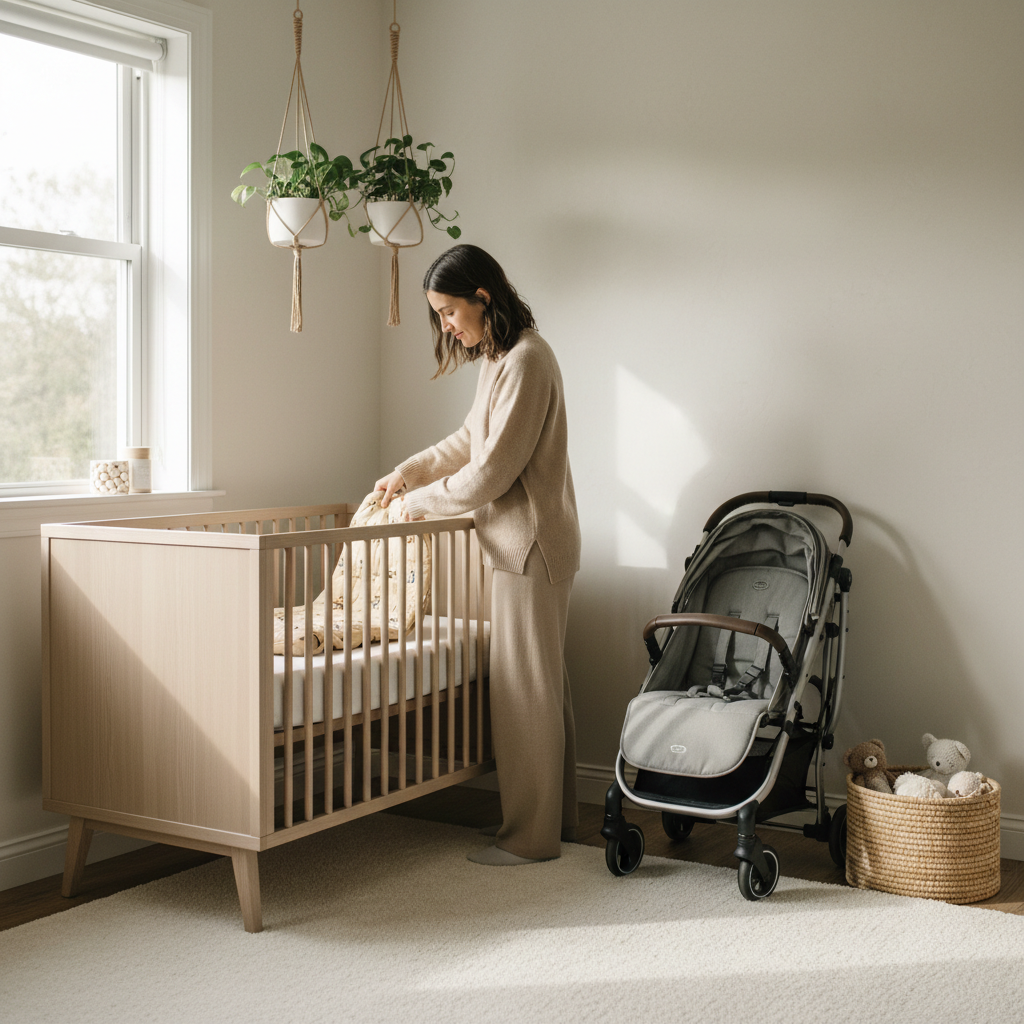
Preparation can make the baby transition from bassinet to crib smoother. Set up the crib before the first night so you are not making changes while tired.
Use this checklist:
• Place the crib on a firm, level surface
• Use a safety-approved crib with no missing or loose parts
• Choose a firm mattress that fits tightly
• Use one fitted sheet made for the mattress
• Keep the crib free of pillows, quilts, toys, bumpers, and loose items
• Keep cords, monitors, and window blind strings away from the crib
• Check that the crib has not been recalled
• Keep the crib away from heaters, lamps, windows, and furniture the baby could reach
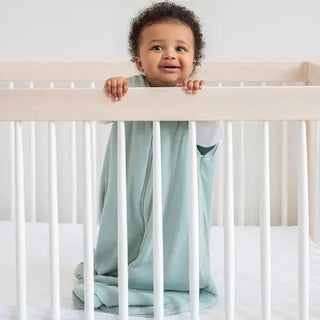
A wearable blanket may help keep your baby warm without loose bedding. Choose the correct size and stop swaddling when your baby shows signs of rolling. Weighted swaddles and weighted sleep products are not recommended for infants.
The room does not need to look perfect. Safe and simple is best. A bare crib may seem plain, but it works like a clear, open lane for safe movement.

A Step-by-Step Plan for the Baby Transition From Bassinet to Crib
A gradual plan works well for many families. Some babies adjust in one night. Others need several days or more.
1. Let Your Baby See and Feel the Crib
Place your baby in the crib for a few minutes while awake and calm. Stay close and talk softly. This helps the crib become a familiar place, not a sudden change.
2. Start With One Nap
Try the first daytime nap in the crib. A nap gives your baby a short practice period and lets you observe how they respond.
If the nap does not go well, do not assume the plan has failed. Babies often need repeated, calm practice.
3. Keep the Bedtime Routine the Same
Use familiar steps such as:
• Feeding
• Burping
• A clean diaper
• Pajamas or a wearable blanket
• A short song or book
• Dim lights
• Placement in the crib on the back
A steady routine acts like a bridge between the old sleep space and the new one.
4. Move to Night Sleep
Once your baby has tried a few naps, use the crib at bedtime. Keep the room, sound, and routine as familiar as possible.
5. Respond in a Calm, Consistent Way
Your baby may cry because the crib feels new. Check for hunger, discomfort, illness, or a dirty diaper. Then offer calm comfort while keeping the sleep space safe.
Some babies settle with a hand on the chest or a quiet voice. Others need to be picked up briefly. There is no single perfect response for every family.
What If Your Baby Cries in the Crib?
Crying during the baby transition from bassinet to crib is common. Crying does not always mean the crib is unsafe or that your baby is not ready. It may mean the baby notices a new mattress, room, sound, or routine.
First, check basic needs:
• Is your baby hungry?
• Does the diaper need changing?
• Is the room too hot or too cold?
• Are clothing layers comfortable?
• Could your baby be sick or in pain?
• Is the baby overtired?
If your baby is safe and comfortable, give them a moment to settle. You can use a calm voice, gentle touch, or a short cuddle. Avoid falling asleep with your baby on a couch or adult bed, since these surfaces can be dangerous for infants.
If you bring your baby into bed to feed or comfort, return the baby to the crib before you go to sleep. This is especially important when you feel very tired.
A Common Mistake to Avoid
One mistake I often see in sleep guidance is changing too many things at once. Parents may move the baby to a crib, change the bedtime, stop swaddling, move rooms, and remove a pacifier on the same day. That can make it hard to know what caused a sleep change.
When possible, change one main thing at a time. Keep the rest of the routine familiar.

How Long Does the Transition Take?
The baby transition from bassinet to crib may take one night or several weeks. Temperament, age, feeding needs, sleep patterns, and the reason for the move all play a role.
A baby who moves because of rolling may adjust quickly because the crib provides more room. A baby who moves because of a bedroom change may need more support.
Helpful habits include:
• Practice during the day
• Use the same sleep cues each time
• Keep the room dark and quiet at night
• Offer feeds in the usual way
• Avoid starting the transition during a major family change if possible
• Keep a simple sleep log for a few days
Do not judge progress by one difficult night. Babies can sleep well one night and struggle the next because of growth, teething, illness, or a new skill.
If your baby suddenly sleeps poorly after a period of good sleep, consider health and development before assuming the crib is the problem.
Safe Sleep Rules During the Crib Transition
Safe sleep matters more than a perfect routine. Follow current infant sleep guidance from trusted pediatric and public health groups.
Place your baby:
• On their back for every sleep
• On a firm, flat mattress
• In their own approved sleep space
• In the same room as you, when possible, but not in the same bed
Keep these items out of the crib:
• Loose blankets
• Pillows
• Crib bumpers
• Stuffed animals
• Positioners
• Wedges
• Weighted sleep products
• Hats and outdoor clothing
Room sharing can make nighttime feeding and checking easier. Bed sharing increases the risk of sleep-related infant death, especially for babies younger than 4 months and in situations involving smoking, alcohol, drugs, extreme tiredness, sofas, or soft bedding.
Breastfeeding, using a pacifier at sleep time, avoiding smoke exposure, and keeping vaccinations current are also linked with lower sleep-related risks. These steps do not remove all risk, but they support safer sleep.
If you swaddle, stop as soon as your baby tries to roll. Never use a swaddle that restricts the hips or makes the baby too warm.

Common Problems and Practical Solutions
Your Baby Sleeps Only in the Bassinet
Try one crib nap each day. You can also place your baby in the crib for a few calm minutes after waking. Familiarity often grows through small steps.
Your Baby Wakes More Often
Check whether the baby is hungry, too warm, too cold, or overtired. The change may also happen during a normal sleep development phase rather than because of the crib.
Your Baby Rolls Around
Always start sleep on the back. Keep the crib empty and let your baby find a comfortable position after rolling independently.
If your baby can roll only one way, give plenty of supervised tummy time while awake. Ask your pediatrician for advice if you are worried about movement.
Your Baby Gets Stuck Against the Side
A crib should provide enough space for movement. Do not add bumpers or rolled towels. Gently reposition your baby when needed, but do not use products that hold the baby in place.
Your Baby Wakes When You Leave
Try leaving after a short, predictable routine. Some parents place the baby down calm but awake, while others use more soothing first. Choose a method that is safe and realistic for your family.

When to Ask a Pediatrician for Help
Most crib transitions are normal, but some sleep problems may signal a health concern. Contact your pediatrician if your baby has trouble breathing, turns blue or gray, has repeated vomiting, has a fever, or seems unusually hard to wake.
Ask for guidance if your baby has reflux symptoms, poor weight gain, frequent choking, severe eczema, or ongoing pain. Do not raise the crib mattress or use sleep positioners unless a medical professional specifically directs you to do so.
A pediatrician can also help if sleep loss is affecting your ability to function safely. Sleep advice should fit your baby’s health, age, feeding plan, and family situation.
Online advice cannot replace an exam. Product instructions also vary, so always follow the manual for your bassinet and crib.
Frequently Asked Questions About Baby Transition From Bassinet to Crib
What is the best age for a baby transition from bassinet to crib?
Many babies move to a crib between 3 and 6 months, but age is not the only factor. Move sooner if your baby reaches the bassinet’s limits, rolls, pushes up, or needs more room.
Can a newborn sleep in a crib instead of a bassinet?
Yes. A newborn can sleep in a safety-approved crib with a firm mattress and fitted sheet. The crib does not need to be used only after a bassinet.
Should I transition my baby to the crib for naps first?
Starting with one nap can help your baby become familiar with the crib. You can then move to nighttime sleep when your baby seems more comfortable.
What should I put in the crib during the transition?
Use only a firm mattress and a fitted sheet made for that mattress. Keep blankets, pillows, bumpers, toys, positioners, and other loose items out of the crib.
What if my baby rolls during sleep?
Place your baby on the back at the start of every sleep. Once your baby can roll both ways, you usually do not need to turn them back, as long as the crib is empty and safe.
How long does the baby transition from bassinet to crib take?
Some babies adjust in one night, while others need days or weeks. Keep the routine steady, practice during naps, and respond to your baby’s needs without adding unsafe sleep products.
Conclusion
The baby transition from bassinet to crib is usually ready when your baby reaches the bassinet’s limits, becomes more active, or needs more space. A safe crib, a firm mattress, an empty sleep area, and a steady routine create the best foundation.
Take the change one step at a time. Practice with a nap, keep familiar bedtime cues, and give your baby patient comfort. For more trusted infant sleep guidance, review your crib manual and speak with your pediatrician, then share your own transition tips in the comments.