Newborn foot and leg positioning is often curled and turned inward after birth, but it should relax with gentle movement.
Newborn foot and leg positioning can worry new parents. Tiny feet may point inward, legs may look bowed, and one foot may rest higher than the other. In most cases, this shape reflects the baby’s snug position in the womb and improves as muscles and joints mature. Still, some patterns need a pediatric check.
This guide explains what is normal, what may need care, how safe handling supports healthy development, and when to seek help. It also covers swaddling, sleep, hip health, and common mistakes that can affect newborn foot and leg positioning.

What newborn foot and leg positioning usually looks like
Newborns spend many months curled inside the uterus. Their hips and knees stay bent, while the lower legs may turn inward. Their feet can also point toward each other or curve slightly upward.
This posture is often called a “packaging position.” It is similar to a folded leaf slowly opening after being pressed. As the baby kicks, stretches, and moves, the legs usually become less curled.
Common normal findings include:
• Knees that stay bent when the baby lies on the back
• Feet that point inward but move toward a straighter position
• Mild bowing of the lower legs
• Toes that curl around a finger
• One foot that looks slightly different for a short time
• Legs that appear uneven when the baby is calm but look equal during movement
Newborn foot and leg positioning should be flexible. You should be able to move the feet and legs gently without force or clear pain. The baby should also kick both legs over time.
Why babies look bowlegged
Many newborns have bowed legs because of their position before birth. The thigh and shin bones are not truly bent in a harmful way. The curve often becomes less noticeable as the child grows and begins to stand and walk.
Normal infant bowing usually affects both legs. It should also look fairly even on both sides. A one-sided curve, a stiff leg, or a curve that worsens needs medical review.
Why newborn feet turn inward
The foot may turn inward because of the position of the ankle, foot, or lower leg. Some babies have flexible feet that move easily toward a straight position. This often improves without treatment.
A foot that remains stiff or cannot be gently moved into a more neutral position may have a condition such as metatarsus adductus or clubfoot. These conditions vary in severity, so a health professional should assess them.

Normal newborn foot and leg positioning versus a concern
The most useful difference is flexibility. A normal positional change often improves when the baby relaxes or when you gently support the foot. A structural problem may stay fixed, feel stiff, or resist gentle movement.
Look at the whole baby, not just one photograph. Newborns often pull their legs into different positions from one moment to the next. A short video of the baby kicking can help a pediatrician understand the pattern.
Signs that are often reassuring
• Both legs move during kicking
• The feet can move gently toward a straight position
• The baby does not cry during normal movement
• The position changes when the baby relaxes
• The skin color and temperature look normal
• The baby feeds, sleeps, and behaves as expected
• The shape improves over the first weeks or months
Signs that deserve a prompt medical check
Contact your pediatrician if you notice:
• A foot that is rigid and points strongly downward or inward
• One leg that rarely moves
• A clear difference in leg length
• A hip that seems hard to open during diaper changes
• A leg that suddenly becomes swollen, red, pale, or cold
• Persistent pain or crying during gentle movement
• A foot that looks blue or unusually pale
• A tight cord, thread, or hair around a toe
• A position that becomes worse rather than better
Do not try to straighten a stiff foot with force. Stretching too hard can cause pain or injury and may make the baby fearful of handling.
A note about hip development
Parents sometimes connect newborn foot and leg positioning with hip dysplasia. The two issues are not the same, but they can appear together in some babies. Developmental dysplasia of the hip affects how the hip joint forms and fits together.
A baby may have hip dysplasia without obvious pain. This is why routine newborn checks matter. Babies with breech birth, a family history of hip dysplasia, or other risk factors may need extra screening based on pediatric guidance.

How to check newborn foot and leg positioning safely
You do not need to perform a medical test at home. A calm, gentle observation is enough. Choose a time when the baby is warm, fed, and not crying.
Follow these simple steps:
-
Place the baby on the back on a firm, safe surface.
-
Look at both legs from the hips to the toes.
-
Watch the baby kick without touching the legs.
-
Notice whether both feet change position during movement.
-
Gently hold the heel and let the foot relax.
-
See whether the foot moves toward a neutral position without force.
-
Compare both sides, but remember that perfect symmetry is not required.
-
Record a short video if the position looks unusual.
A baby’s feet may look more turned in when the muscles are tense. Wait, soothe the baby, and look again. One quick view is not enough to judge newborn foot and leg positioning.
What a pediatric visit may include
A clinician may watch the baby move, feel the feet and legs, and compare both sides. They may check hip motion, muscle tone, pulses, skin color, and joint flexibility.
If needed, the clinician may refer the baby to a pediatric orthopedic specialist. Imaging is not always necessary. When hip imaging is needed, the timing and type depend on the baby’s age and risk factors.

Safe handling and movement for newborn legs
Newborns do not need formal leg exercises. Their natural kicking is the best early movement program. Give the baby time to move freely while awake and supervised.
Helpful habits include:
• Use gentle touch during diaper changes
• Let the knees bend and open naturally
• Give supervised floor time each day
• Allow free leg movement during awake periods
• Carry the baby with the hips supported
• Avoid pulling the feet or legs into a straight line
• Stop if the baby shows pain or strong distress
During diaper changes, lift the baby by supporting the bottom rather than pulling both legs upward. This keeps stress off the hips and allows natural movement.
Tummy time and leg development
Tummy time helps build strength in the neck, back, shoulders, and hips. Start with short, supervised sessions when the baby is awake. A few minutes at a time can be enough for a young newborn.
You can place the baby on your chest, across your lap, or on a firm floor mat. Always place the baby on the back for sleep. Tummy time is for awake periods only.
Gentle bicycle movements
Some parents use slow bicycle movements to help with gas. These movements may be comfortable for some babies, but they are not required to correct newborn foot and leg positioning.
If you try them, move the legs slowly and stop when the baby resists. Never push the knees down or force the hips open. The goal is comfort, not stretching.

Swaddling, sleep, and hip-safe positioning
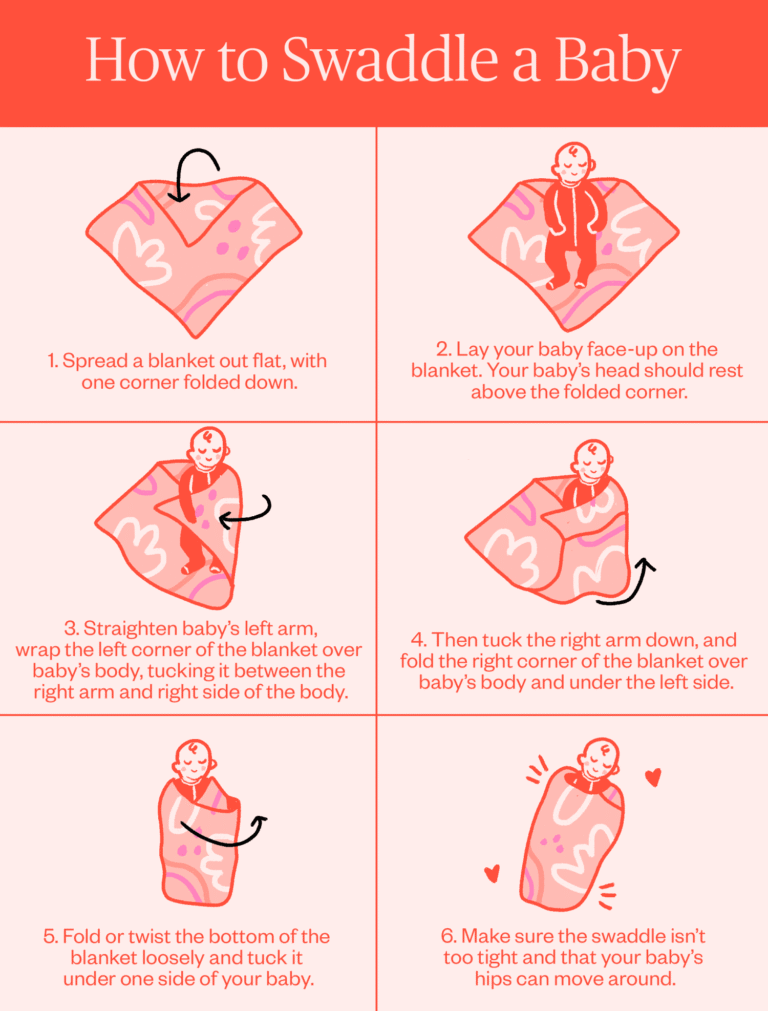
Swaddling can calm a newborn, but tight wrapping around the legs may limit healthy hip movement. The hips and knees should be able to bend and move. The lower part of the swaddle should be loose enough for the legs to spread naturally.
A safe swaddle should:
• Keep the fabric away from the face
• Allow room for the hips and knees
• Stay secure without squeezing the chest
• Be used only with the baby on the back
• Stop when the baby shows signs of rolling
Loose blankets in the sleep space are unsafe. Use a properly sized swaddle or wearable blanket instead. Keep the crib or bassinet free of pillows, toys, positioners, and wedges.
Avoid sleep products that hold the legs in a fixed position. These products do not improve newborn foot and leg positioning and may create safety risks.
Baby carriers and hip position
A carrier should support the thighs and keep the hips in a natural spread position. The knees should sit at or above the level of the bottom, with the legs supported according to the carrier instructions.
The baby’s face must remain visible. The chin should not press tightly against the chest. Read the product instructions and check the fit each time.

Footwear and clothing for newborns
Newborns do not need shoes for walking support. Soft socks, booties, or loose clothing are usually enough to keep the feet warm. Hard shoes can restrict natural movement and add pressure to growing feet.
Choose clothing that allows the knees, ankles, and toes to move. Avoid tight footed pajamas if the toes look crowded or the baby cannot move the feet freely.
Check the toes after dressing. They should remain warm and normally colored. Remove clothing if you see deep marks, swelling, pale toes, or a cold foot.
Do braces or corrective shoes help?
Most flexible positional changes do not need braces or special shoes. Treatment depends on the cause, severity, flexibility, and the baby’s age.
A pediatric orthopedic clinician may recommend casting, bracing, or other care for conditions such as clubfoot. These treatments should never be started without a professional assessment.

Conditions that can affect newborn foot and leg positioning
Most changes are harmless, but several conditions can affect a baby’s limb posture. A diagnosis requires an examination.
Metatarsus adductus
Metatarsus adductus causes the front part of the foot to curve inward. The heel may remain in a fairly normal position. Many mild, flexible cases improve as the baby grows.
A stiff foot or a curve that does not improve should be checked. Treatment varies and may include observation or specialist care.
Clubfoot
Clubfoot is a structural condition in which the foot turns inward and downward. The foot may feel stiff, and the position does not fully correct with gentle movement.
Modern treatment often begins early and may include gentle casting, followed by bracing. Early evaluation gives families more options and supports better results.
Positional talipes
Positional talipes is a flexible foot position caused by limited space in the uterus. The foot often moves closer to a normal position with gentle handling.
It is different from a rigid clubfoot. Still, a clinician should confirm the difference rather than relying on appearance alone.
Bowed legs
Mild, even bowing is common in infants. It often improves with growth and does not require special exercises or braces.
Severe, one-sided, painful, or worsening bowing is not typical. Ask the pediatrician to assess it.
Developmental dysplasia of the hip
Hip dysplasia means the hip joint is loose or does not develop in the usual way. Limited hip opening, uneven thigh folds, or different leg lengths can be clues, but these signs are not always present.
Routine newborn examinations help detect this condition. Never force a baby’s legs straight together during wrapping or handling.
Common mistakes to avoid
New parents often receive advice from family, social media, and well-meaning friends. Some traditional practices are gentle and safe, while others may restrict movement or delay care.
Avoid these common mistakes:
• Forcing a foot straight
• Using tape, splints, or homemade braces
• Wrapping the legs tightly together
• Using hard shoes to “train” the feet
• Comparing the baby with another baby
• Waiting months to report a rigid foot
• Assuming no pain means no condition
• Relying on online photos for diagnosis
• Pulling both legs upward during diaper changes
• Putting the baby in a standing device to test the legs
A useful rule is simple: support movement, but do not direct it with force. Newborn foot and leg positioning often improves through time, comfort, and normal activity.
Practical tips for parents and caregivers
Small routines can make observation easier and care safer. Try these steps during daily care:
-
Look at the feet during a calm diaper change.
-
Give the baby room to kick during awake time.
-
Use hip-friendly swaddling if you swaddle.
-
Check that socks and pajamas are not tight.
-
Take a photo or video if a position concerns you.
-
Share your concern at the next visit, even if the baby seems well.
-
Seek prompt care for color change, swelling, coldness, or sudden loss of movement.
One lesson often shared by pediatric clinicians is that parents notice changes first. Your observations matter. A short video taken at home can show movement that the baby does not repeat in an office.
Another helpful lesson is to avoid making the baby “pass” a test. Babies kick, curl, and stretch in uneven ways. Calm observation gives better information than repeated handling.
When to call the pediatrician
Call the pediatrician during regular office hours when:
• The foot stays turned inward or downward
• The position does not slowly improve
• One leg moves less than the other
• You notice uneven thigh or buttock creases
• Diaper changes seem difficult on one side
• A family member had hip dysplasia
• The baby was delivered breech
Call promptly or seek urgent care when:
• A leg becomes suddenly swollen
• The foot turns blue, pale, or cold
• A toe has a hair or thread wrapped around it
• The baby has severe pain
• The baby cannot move a leg
• There is an injury or suspected fracture
Newborn foot and leg positioning is usually not an emergency. However, sudden changes, poor circulation, or loss of movement should never wait for a routine appointment.
What experts recommend about evaluation and treatment
The American Academy of Pediatrics recommends routine physical examinations for newborns and infants. These checks include observation of movement and hip stability. Screening plans may change when a baby has specific risk factors.
The American Academy of Orthopaedic Surgeons and pediatric orthopedic groups emphasize early assessment for rigid foot deformities and suspected hip problems. Early care does not always mean treatment. It means identifying the cause while the tissues are still flexible.
Research and clinical guidance also support hip-safe swaddling. The International Hip Dysplasia Institute promotes wrapping methods that leave room for hip and knee movement. These recommendations apply across cultures and can be adapted to different blankets and sleep routines.
No online guide can replace an examination. Images can help you understand patterns, but they cannot confirm whether a foot is flexible, stiff, painful, or affected by a joint problem.
Frequently Asked Questions About Newborn Foot and Leg Positioning
Is it normal for a newborn’s feet to turn inward?
Yes, mild inward turning is common after birth. It often comes from the baby’s position in the womb and improves when the feet are flexible and move toward a straighter position.
Why do my newborn’s legs look bowed?
Newborn legs often look bowed because babies stay curled before birth. Even bowing usually improves as the child grows, but one-sided, stiff, painful, or worsening bowing should be checked.
Should I straighten my baby’s feet?
No. Do not force the feet or legs into a straight position. Gentle movement is fine, but a stiff or unusual position needs assessment by a pediatrician.
Can tight swaddling affect newborn foot and leg positioning?
Yes. Tight wrapping can limit natural hip and leg movement. Keep the hips and knees bent with enough room for the legs to move and spread.
When should I worry about a newborn’s foot position?
Seek medical advice if the foot is rigid, points strongly downward, stays turned inward, or does not move like the other foot. Urgent care is needed for a cold, blue, pale, swollen, or suddenly weak leg.
Do newborns need shoes to correct their feet?
No. Newborns usually need only warm, loose socks or booties. Special shoes, braces, or splints should be used only when prescribed by a qualified clinician.
Can newborn foot and leg positioning show hip dysplasia?
Foot and leg posture alone cannot diagnose hip dysplasia. Limited hip movement, uneven leg length, or risk factors such as breech birth may lead a clinician to perform extra checks.
Conclusion
Newborn foot and leg positioning often looks unusual because babies begin life curled and flexible. Inward-pointing feet, bent knees, and mild bowing commonly improve with time, free movement, and gentle care.
The key is to watch for flexibility, equal movement, normal color, and gradual improvement. Use hip-safe swaddling, avoid force and homemade devices, and ask your pediatrician about any rigid, painful, one-sided, or worsening change.
Trust your observations and seek guidance early when something feels wrong. Share this guide with another new parent, and explore trusted pediatric resources before choosing exercises, braces, or sleep products.