Newborn sleep cycles move between active, quiet, and transitional states rather than adult-style REM and non-REM sleep.
Newborn sleep architecture and sleep states can seem mysterious, especially when your baby grunts, smiles, jerks, or wakes after a short nap. These signs often reflect normal brain development, not a sleep problem. Understanding how newborn sleep works can help you read your baby’s cues, protect safe sleep, and set realistic expectations during the first months.
What Is Newborn Sleep Architecture?
Newborn sleep architecture means the pattern, timing, and structure of a baby’s sleep. It includes sleep states, sleep cycles, body movements, brain activity, and the way sleep changes with age.
Newborn sleep architecture and sleep states differ from adult sleep in several key ways:
• Newborns sleep for many short periods across the day and night.
• Their sleep cycles are brief, often about 40 to 60 minutes.
• They spend a large share of sleep in active sleep, which is similar to rapid eye movement, or REM, sleep.
• Their body clock is still developing.
• They move between sleep and wake with little warning.
An adult may move through sleep in a smooth pattern. A newborn is more like a small boat on gentle waves. The baby may drift from deep sleep to light sleep, stir, feed, and fall asleep again within minutes.
Newborn sleep architecture and sleep states are shaped by brain growth, feeding needs, temperament, health, birth age, and exposure to light. There is no single sleep pattern that fits every healthy newborn.
The Three Main Newborn Sleep States
Researchers often describe newborn sleep with three broad states: active sleep, quiet sleep, and indeterminate sleep. These states do not match adult sleep stages perfectly, but they help explain what parents see.
Active sleep
Active sleep is the newborn form of REM-like sleep. During this state, a baby may show:
• Rapid eye movements beneath the eyelids
• Small facial movements
• Smiles, frowns, or sucking motions
• Irregular breathing
• Arm or leg twitches
• Soft sounds, grunts, or brief cries
• Easy waking
Active sleep can look restless. Many parents think their baby is awake when the baby is still asleep. A baby may squirm, open the eyes for a moment, and then settle again.
Newborn sleep architecture and sleep states include a great deal of active sleep because early brain development is intense. REM-like sleep may support brain connections, learning, and sensory development, although researchers are still studying its full role.
Quiet sleep
Quiet sleep is similar to non-REM sleep. The baby usually looks still and calm. Breathing becomes more regular, the face relaxes, and movement decreases.
During quiet sleep, your baby may be harder to wake. This is often the best time to transfer a sleeping baby from your arms to a safe sleep surface, though every baby responds differently.
Quiet sleep is linked with physical restoration and growth. It also gives the brain a period with less outside input. Think of it as a calm “maintenance mode” for a rapidly growing body.
Indeterminate sleep
Indeterminate sleep is a transitional state. It has features of both active and quiet sleep, or it does not fit either state clearly.
A baby in indeterminate sleep may:
• Pause between stillness and movement
• Change breathing patterns
• Make brief sounds
• Open and close the eyes
• Shift position slightly
This state is common because newborn brain systems are still maturing. Their sleep control is not yet as organized as an older child’s sleep control.
Newborn sleep architecture and sleep states may look unpredictable because babies often move through these states without clear borders.
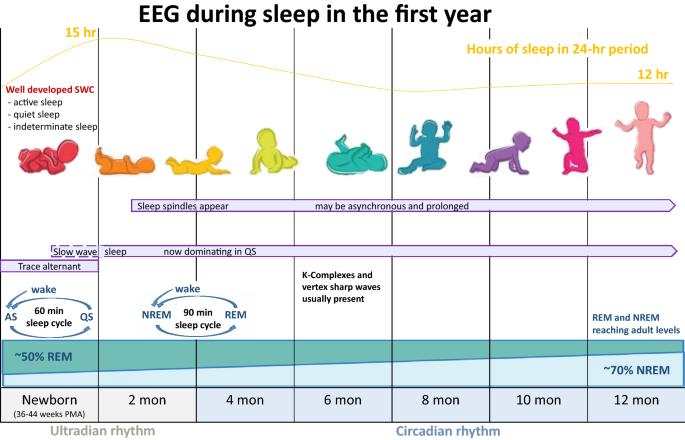
How Newborn Sleep Differs From Adult Sleep
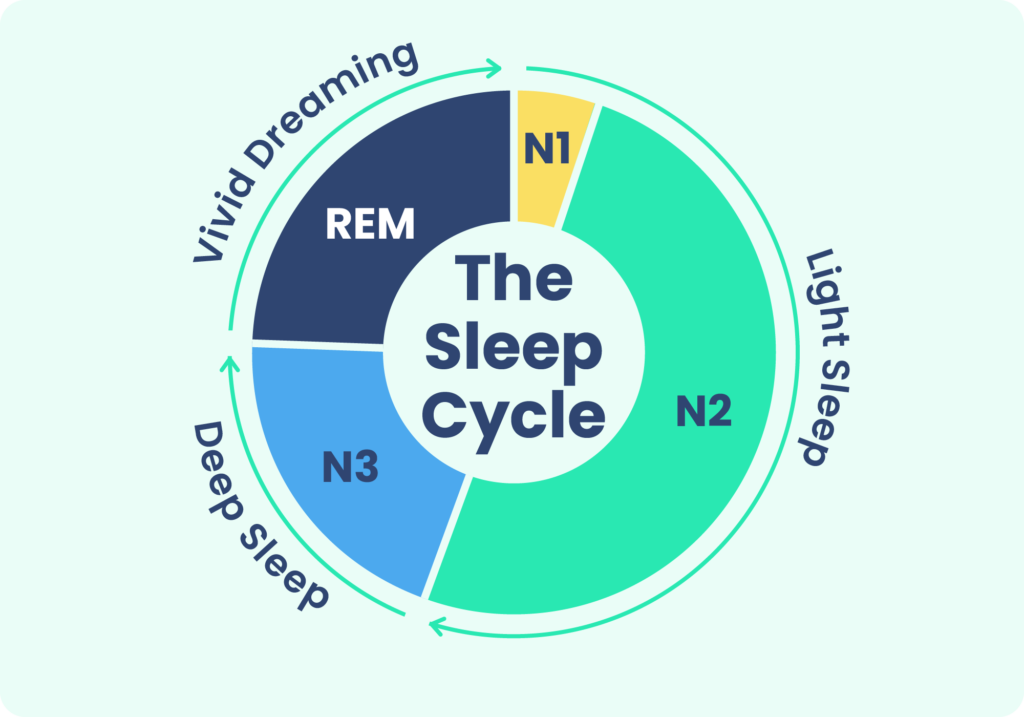
Adults usually begin sleep with lighter non-REM sleep, then move into deeper non-REM sleep before entering REM sleep. Newborns often begin sleep with active sleep instead.
This difference explains why a baby may fall asleep in your arms, twitch, make noises, and wake when you place the baby down. The baby may have entered active sleep rather than quiet sleep.
Newborn sleep architecture and sleep states also have less mature circadian control. The circadian rhythm is the internal body clock that helps regulate sleep, wake time, body temperature, and hormone release.
A newborn’s body clock develops over the first months. Light exposure, feeding patterns, social interaction, and daily activity all provide signals. Still, biology sets the pace. A young baby cannot be expected to follow an adult-like schedule right away.
Research commonly estimates that newborns sleep about 14 to 17 hours in 24 hours, but healthy babies may sleep somewhat more or less. Sleep often comes in short stretches because newborn stomachs are small and feeding needs are frequent.
Newborn sleep architecture and sleep states are also different in premature babies. Babies born early may spend more time in active sleep and may show less organized state changes. Their sleep pattern often becomes more mature as they approach their expected due date and continue developing.

What a Newborn Sleep Cycle Looks Like
A newborn sleep cycle is much shorter than an adult sleep cycle. It may last around 40 to 60 minutes, although timing varies.
A simple pattern may look like this:
-
The baby becomes drowsy.
-
The baby enters active sleep.
-
The baby shifts into quiet sleep.
-
The baby returns to lighter or active sleep.
-
The baby stirs, feeds, wakes, or begins another cycle.
At the end of a cycle, many babies make sounds or move. This does not always mean they need help. If you respond too quickly, you may wake a baby who was about to settle into the next cycle.
Watch for a short pause before intervening, while staying close enough to respond safely. If the baby’s eyes remain closed and the movement is mild, the baby may still be asleep.
Newborn sleep architecture and sleep states do not follow a perfect clock. A cycle may change with hunger, illness, temperature, noise, light, or the need for contact.

Why Newborns Seem to Sleep So Restlessly
Restless newborn sleep is often normal. Active sleep includes movement and sound, so a sleeping baby may appear uncomfortable even when the baby is fine.
Common normal behaviors include:
• Grunting
• Brief cries
• Smiling
• Sucking
• Startling
• Stretching
• Fast or uneven breathing for short periods
• Moving the hands toward the face
Periodic breathing can also occur. This means breathing speeds up, slows down, or pauses briefly before returning to a normal pattern. It is common in young infants, but caregivers should seek medical advice for long pauses, blue or gray skin, struggling to breathe, or repeated breathing concerns.
Newborn sleep architecture and sleep states can make it hard to tell whether a baby is asleep. The best clue is the whole picture. A relaxed body, closed eyes, and brief movements usually suggest sleep. Sustained eye contact, strong movement, and regular crying suggest wakefulness.
If your instincts say something is wrong, call your pediatrician. Caregivers know their babies well, and concerns deserve attention.

Newborn Sleep Cues: Tired, Drowsy, and Overstimulated
Learning sleep cues is often more useful than watching the clock. Newborns may show early signs of tiredness before they cry.
Early cues may include:
• Looking away
• Becoming quiet
• Slower movement
• Less interest in faces
• Yawning
• Drooping eyelids
Later cues may include:
• Fussing
• Stiffening the body
• Red eyebrows
• Jerky movements
• Turning away
• Crying
Crying is a late sleep cue. A very tired baby may have trouble settling because the nervous system is overloaded. This does not mean the baby is spoiled or has poor sleep habits. It means the baby may need calm support.
Try lowering the lights, reducing noise, holding the baby close, and offering a feed if hunger may be involved. Newborn sleep architecture and sleep states become easier to understand when you observe patterns instead of expecting exact nap times.
How to Support Healthy Newborn Sleep
You cannot force mature sleep architecture, but you can create helpful conditions.
Use safe sleep practices
Place your baby:
• On the back for every sleep
• On a firm, flat, noninclined sleep surface
• In a crib, bassinet, or portable play yard that meets safety standards
• Without pillows, blankets, bumper pads, stuffed toys, or other loose items
Room sharing is recommended, but bed sharing increases the risk of sleep-related death. Keep the baby’s sleep space near your bed rather than in the adult bed.
Avoid weighted sleep products. Use a properly fitted wearable blanket if extra warmth is needed. Stop swaddling when your baby shows signs of rolling, and never use a weighted swaddle.
Give day and night clear signals
During the day, use normal light and household sounds. Offer feeds and gentle interaction when the baby is awake.
At night, keep lights low and interactions quiet. Feed, change the diaper when needed, and return the baby to the safe sleep space.
These steps do not create instant sleep training. They simply give the developing body clock useful information.
Watch wake time without treating it as a rule
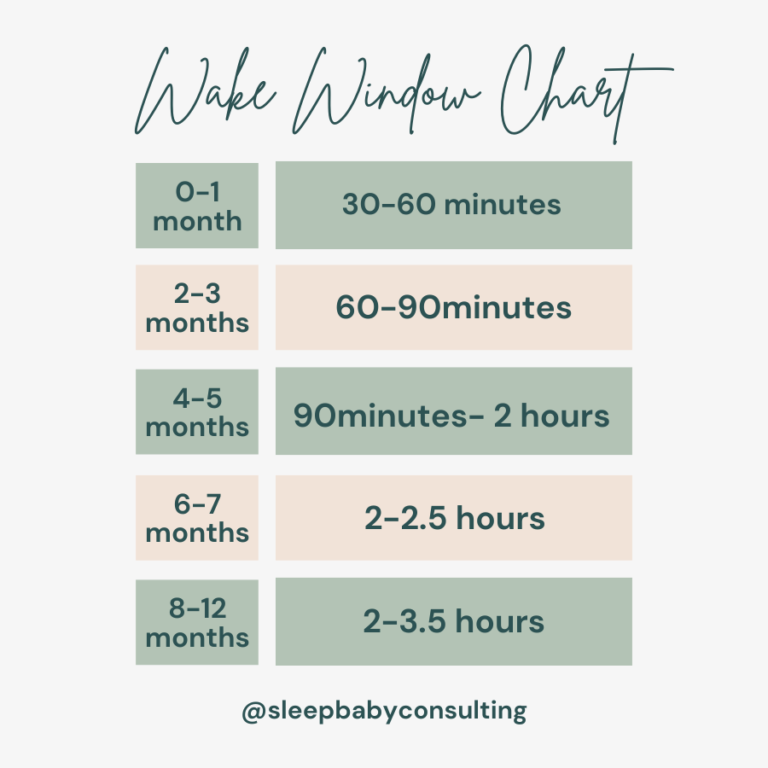
Newborn wake periods are often short. Some babies may manage only 30 to 60 minutes before needing sleep, while others stay awake longer.
Use the baby’s behavior as your guide. A strict schedule can create stress when the baby’s needs change from day to day.
Newborn sleep architecture and sleep states mature with time. Consistent care matters more than a perfect routine.

Common Mistakes Parents Make
Many newborn sleep worries begin with reasonable but misleading expectations.
Mistake 1: Assuming every sound means the baby is awake
Active sleep can be loud. Pause briefly and look for clear signs of waking before picking up the baby.
Mistake 2: Expecting long nighttime sleep
Newborns often wake to feed. Frequent waking is biologically normal, especially during the first weeks.
Mistake 3: Using unsafe sleep products
Inclined sleepers, positioners, nests, and loose bedding may look comfortable, but they can increase the risk of suffocation or restricted breathing.
Mistake 4: Treating active sleep like distress
A twitch or grunt may be part of normal sleep. Check the baby calmly rather than assuming something is wrong.
Mistake 5: Ignoring caregiver exhaustion
Sleep safety includes caregiver safety. If you feel likely to fall asleep while holding the baby, place the baby in the crib or bassinet before resting.
From parent education, one lesson comes up again and again: simple, repeatable steps work better than chasing every new sleep product or rigid routine. Newborn sleep architecture and sleep states change quickly, so flexibility is essential.

When to Call a Pediatrician
Contact your pediatrician if your newborn:
• Is difficult to wake for feeds
• Feeds poorly or has fewer wet diapers than expected
• Has repeated breathing pauses
• Turns blue, gray, or very pale
• Works hard to breathe
• Has a fever, especially if younger than 3 months
• Sleeps far more or less than usual with other signs of illness
• Shows unusual limpness or weakness
A healthy newborn can have irregular sleep. The concern is not simply that sleep looks different. The concern is a change from your baby’s usual behavior or signs of illness.
Parents of premature babies, babies with medical conditions, and babies with poor weight gain may need a more specific sleep and feeding plan. Always follow the advice of the child’s health care team.
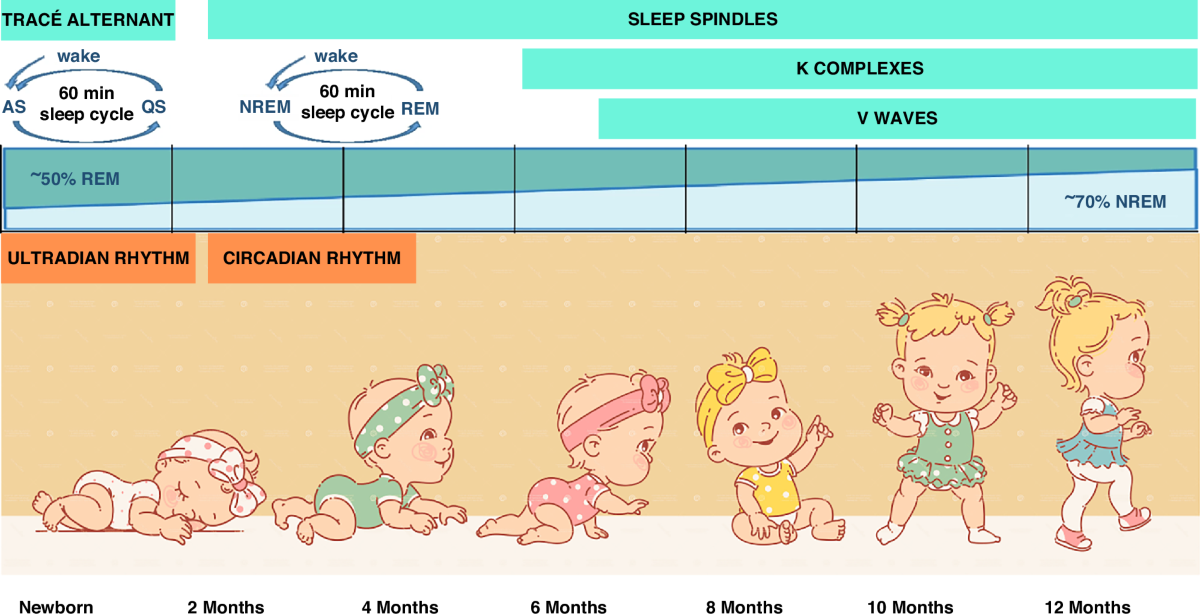
Newborn Sleep Architecture and Sleep States: A Practical Observation Method
You can learn a great deal by observing your baby for several days. Keep notes about sleep, feeding, diaper changes, and alert periods.
Try this simple method:
-
Watch the baby’s eyes, face, breathing, and movement.
-
Decide whether the baby seems awake, drowsy, active asleep, or quietly asleep.
-
Note what happened before sleep, such as feeding, crying, or stimulation.
-
Record how long the baby slept.
-
Look for patterns rather than one unusual nap.
For example, you may notice that your baby becomes restless after 35 minutes. That may mark the end of one sleep cycle. You may also find that dim light and less handling help the baby move from active sleep into quiet sleep.
This kind of observation can support a useful conversation with your pediatrician. It can also reduce anxiety because you begin to recognize your baby’s personal sleep language.
Newborn sleep architecture and sleep states are not a test that parents must pass. They are a map. Use the map to guide you, not to judge yourself.
Frequently Asked Questions About Newborn Sleep Architecture and Sleep States
Is active sleep the same as REM sleep in newborns?
Active sleep is similar to REM sleep, but it is not exactly the same as adult REM sleep. Newborn researchers use the term active sleep because infant sleep patterns are still developing.
Why does my newborn grunt and move while sleeping?
Grunting, twitching, facial movements, and brief cries can occur during active sleep. If your baby has normal color and breathing, these behaviors are often harmless.
How long is a newborn sleep cycle?
A newborn sleep cycle often lasts about 40 to 60 minutes. The length can vary with age, feeding, health, birth status, and individual temperament.
Do newborns know the difference between day and night?
Newborns have an immature circadian rhythm, so day and night may seem similar at first. Regular daylight during the day and quiet, dim conditions at night can support gradual development of the body clock.
Should I wake a sleeping newborn to feed?
Some newborns need scheduled feeds, especially if they are premature, have jaundice, or have not regained birth weight. Ask your pediatrician for a feeding plan instead of relying on a general rule.
Is it safe to let a newborn sleep in a car seat at home?
A car seat is designed for travel, not routine sleep outside the vehicle. Move a sleeping baby to a firm, flat, approved sleep surface as soon as it is safe to do so.
When do newborn sleep states become more organized?
Sleep states usually become more organized over the first several months. The pace differs among babies, and premature infants may follow a different developmental timeline.
Conclusion
Newborn sleep architecture and sleep states explain why babies sleep in short bursts, move and vocalize during sleep, and wake often. Active sleep, quiet sleep, and transitional sleep are normal parts of early brain development.
Focus on safe sleep, early tired cues, gentle day-and-night signals, and your baby’s overall health. Observe patterns without demanding perfection, and contact your pediatrician when breathing, feeding, alertness, or behavior concerns arise.
Keep learning your baby’s unique sleep language, share this guide with another caregiver, and explore trusted pediatric resources for support during the first months.