Baby sleep regression patterns are temporary sleep changes linked to growth, development, illness, or shifts in daily routines.
Baby sleep regression patterns can feel sudden, exhausting, and confusing, especially when a baby who slept well begins waking often. Most changes are normal and pass with steady support, but each child follows a different path. This guide explains common ages, causes, signs, practical sleep tips, and safety steps so you can respond with confidence rather than guesswork.
What Are Baby Sleep Regression Patterns?
Baby sleep regression patterns are periods when a baby or toddler sleeps less well after having a more settled routine. Your child may wake more at night, resist naps, take short naps, or need extra help to fall asleep.
These changes often happen during rapid brain, body, and emotional growth. A baby may learn to roll, sit, crawl, stand, talk, or understand that you still exist after leaving the room. Sleep can then feel like a pause in an exciting new world.
Baby sleep regression patterns are not a medical diagnosis. They are a useful way to describe a common sleep change. Not every child has a clear regression, and not every sleep problem comes from development.
Common Baby Sleep Regression Patterns by Age
Sleep changes can occur at many ages. Still, some time periods appear more often in parent reports and child sleep research.
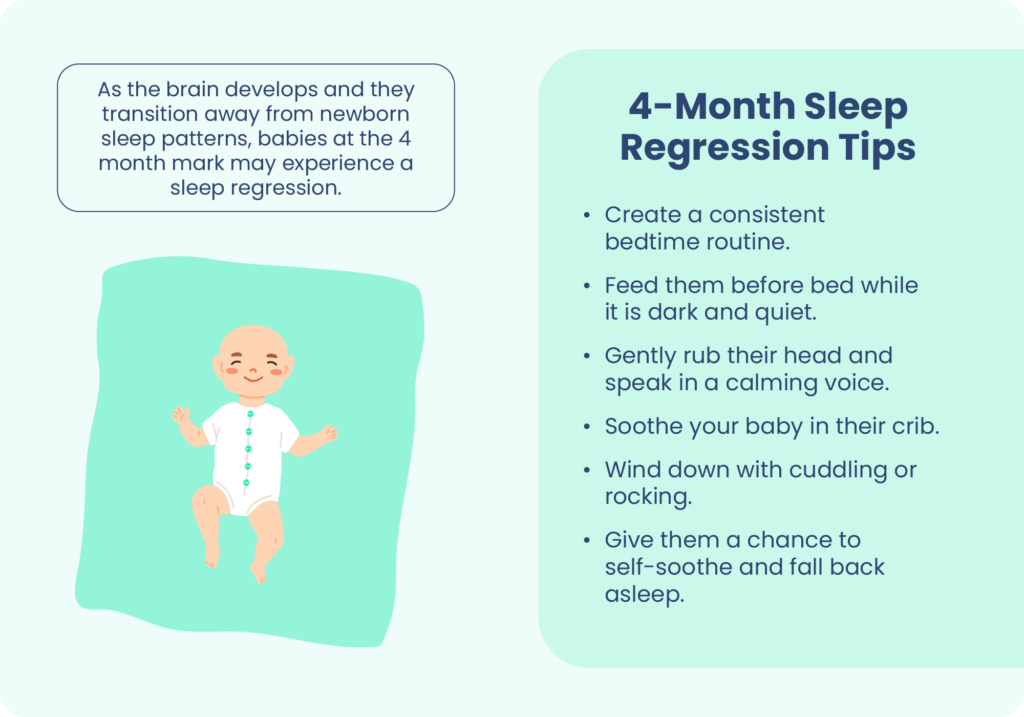
The 3- to 4-month sleep change
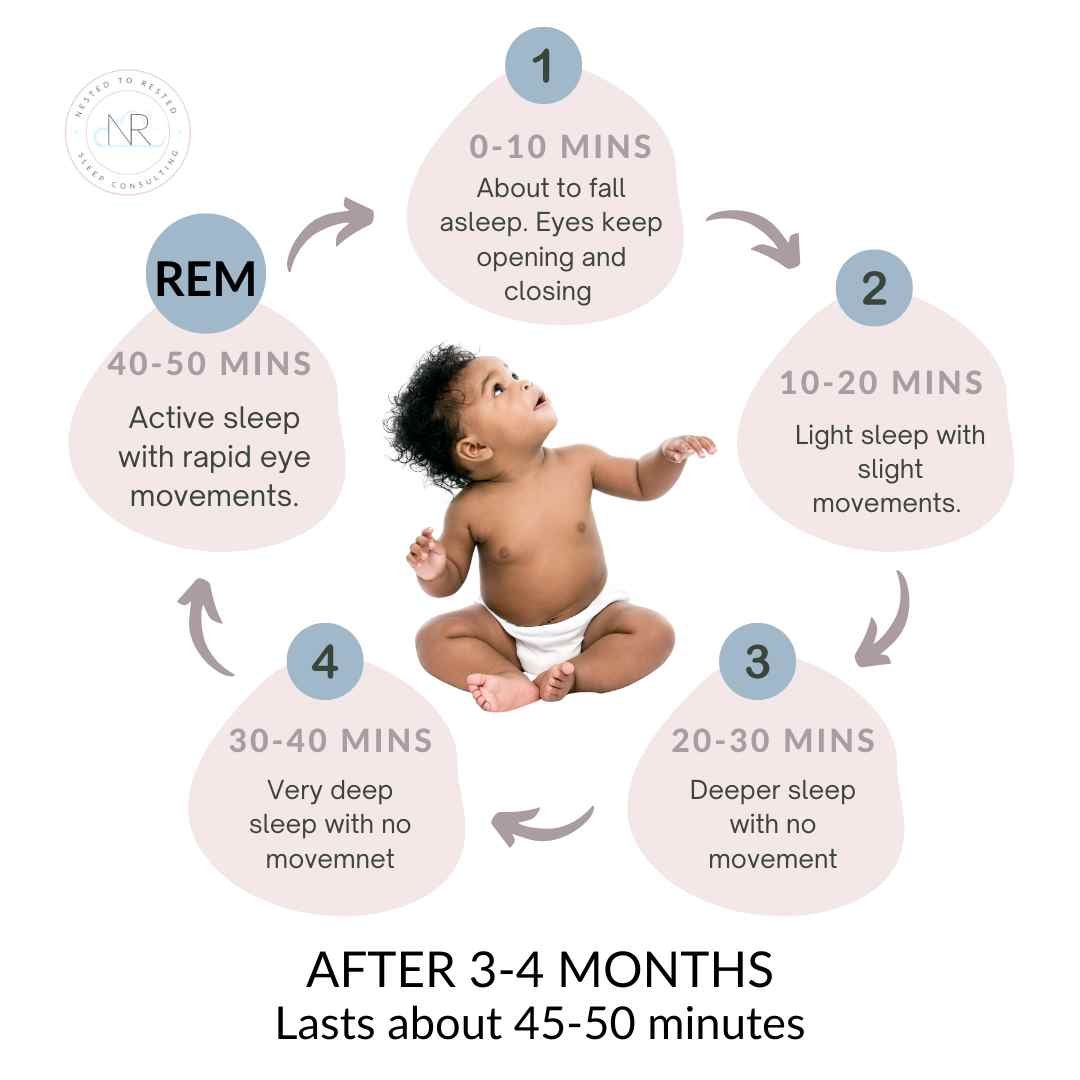
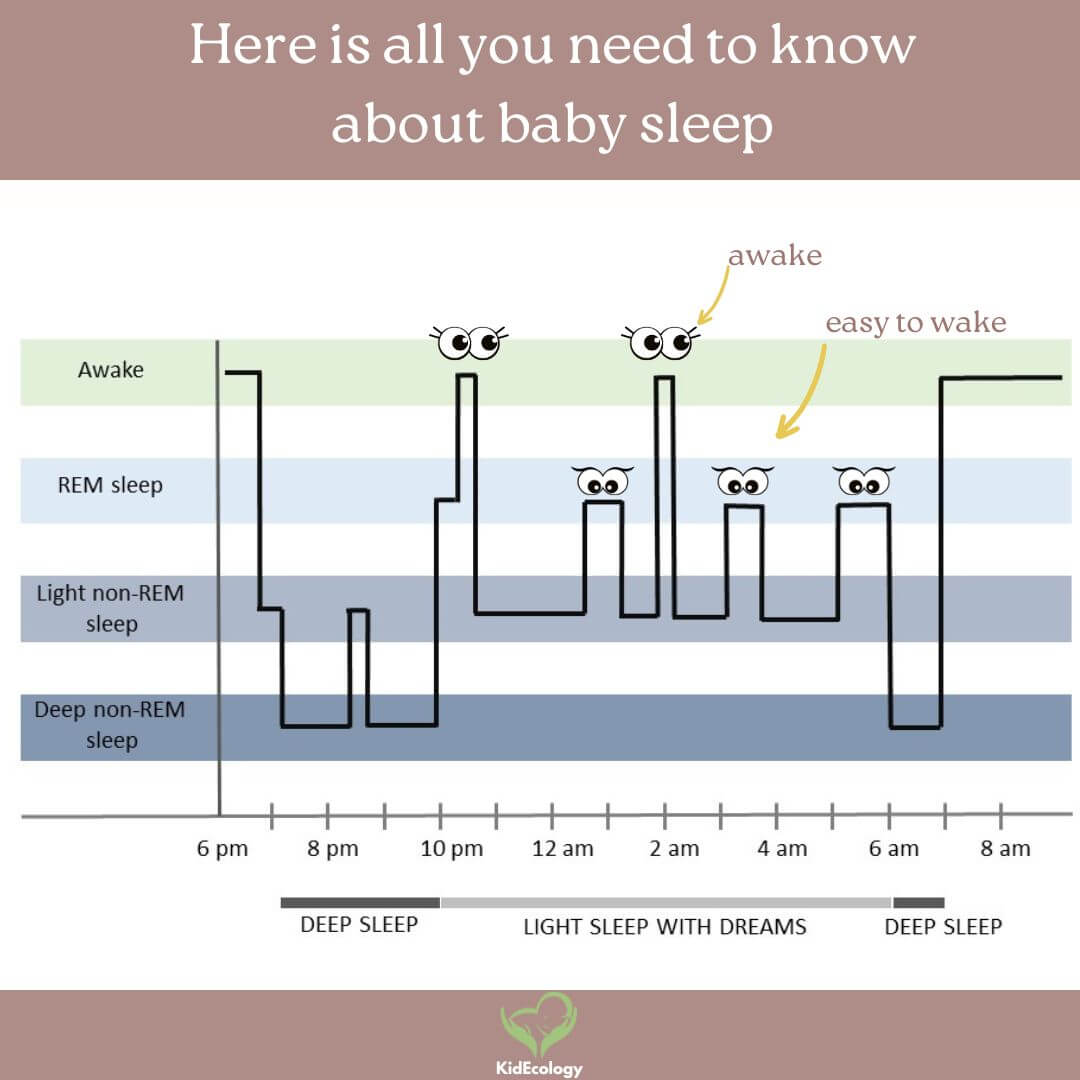
Around 3 to 4 months, infant sleep begins to mature. A young baby may move from simple newborn sleep into more defined sleep cycles. At the end of each cycle, the baby may wake and need help settling again.
Common signs include:
- Waking every 1 to 2 hours at night
- Taking short naps of 30 to 45 minutes
- Becoming harder to settle
- Changing from three or four naps to a different pattern
- Feeding more often for a short time
This stage can last for a few days or several weeks. It often improves when parents use a steady bedtime routine and give the baby safe chances to practice falling asleep.
The 6-month sleep regression
At about 6 months, babies may begin rolling, sitting, eating solid foods, or showing stronger social preferences. These changes can affect sleep. Some babies also wake because they are hungry, uncomfortable, or learning a new motor skill.
Baby sleep regression patterns at 6 months may include more night waking, early rising, or fighting the last nap. A flexible routine often works better than a strict clock-based schedule.
The 8- to 10-month sleep regression
This period often overlaps with crawling, pulling up, babbling, and separation anxiety. A baby may stand in the crib and struggle to lie back down. They may also cry when a parent leaves the room.
A helpful response is to practice the new skill during the day. Show your baby how to sit down from standing. Offer calm reassurance at night without turning each waking into playtime.
The 12-month sleep regression
Around the first birthday, some babies resist naps or bedtime. They may want to walk, explore, or stay near you. Some are also moving from two naps toward one, but many are not ready for that change yet.
Moving to one nap too soon can lead to overtiredness. An overtired child may seem energetic but have more trouble settling. Keep the second nap, even if it becomes shorter, until your child can manage a longer morning wake period.
The 18-month sleep regression
Toddlers gain language, independence, and strong opinions around 18 months. They may say “no,” leave the bed, or ask for repeated hugs and drinks.
Clear limits help at this age. Use a short routine, simple words, and the same response each night. Your toddler may protest, but calm consistency teaches what to expect.
The 2-year sleep regression
At age 2, imagination, independence, and boundary testing can disturb sleep. A toddler may resist bedtime, skip naps, or wake after nightmares.
A predictable day helps. Give your child small choices, such as choosing between two pajamas. Avoid offering a choice about whether bedtime happens.
Why Do Baby Sleep Regression Patterns Happen?
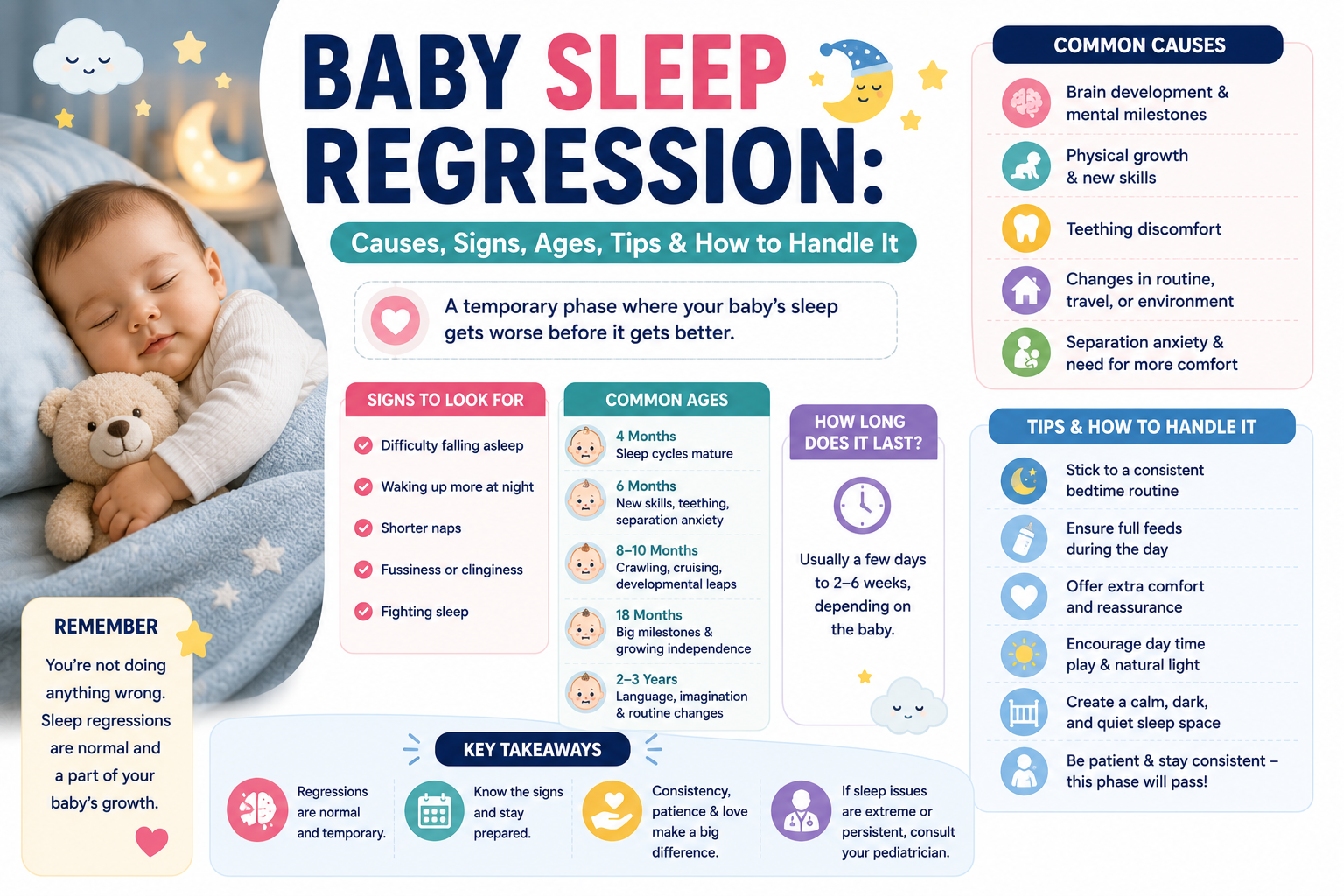
Baby sleep regression patterns usually have more than one cause. Development is often part of the picture, but sleep also responds to health, feeding, environment, and family routines.
Developmental milestones
New skills can keep a baby’s brain active. A child who learns to crawl may practice crawling in the crib. A child who learns new words may babble at night.
This does not mean milestones always cause poor sleep. Research does not show that every milestone creates a predictable regression. It is more accurate to view development as one possible trigger.
Separation anxiety
Separation anxiety often grows during the second half of the first year. A baby may wake and cry because they want the comfort of a familiar caregiver.
A calm response can help. Check that your baby is safe, offer brief reassurance, and keep the room quiet and boring. Over time, your child learns that you leave and return.
Changes in sleep needs
Sleep needs change as children grow. A baby may need fewer naps but still require the same total sleep across a full day. If naps happen too late, bedtime may become difficult. If naps are cut too soon, overtiredness may cause more waking.
The American Academy of Sleep Medicine recommends about 12 to 16 hours of sleep in 24 hours for infants aged 4 to 12 months, including naps. Toddlers aged 1 to 2 years generally need 11 to 14 hours, including naps.
Illness, teething, or discomfort
A cold, ear infection, fever, reflux symptoms, eczema, or teething pain may disturb sleep. Teething can cause sore gums, but it should not explain a high fever, breathing trouble, or severe distress.
When sleep changes seem sudden and intense, check your child’s health before assuming a regression. Treating the cause matters more than changing the sleep routine.
Travel and daily changes
Travel, visitors, daycare changes, holidays, and a new room can affect sleep. Even a small change in nap timing may create a rough week.
Children often do best when parents return to familiar cues. Use the same sleep sack, song, lighting, and order of events when possible.

How to Tell a Sleep Regression From Another Problem
Not every difficult night is a regression. Baby sleep regression patterns tend to appear as a temporary change in an otherwise well child.
A regression may be more likely when:
- Your baby is eating normally
- Your baby seems well during the day
- The change started near a new skill or routine shift
- There are no signs of pain or breathing trouble
- Sleep improves in small steps over time
Contact your child’s health care professional if you notice:
- Trouble breathing, loud persistent snoring, or pauses in breathing
- A fever, severe cough, repeated vomiting, or signs of dehydration
- Poor feeding or fewer wet diapers
- Unusual sleepiness or difficulty waking
- Persistent pain, intense crying, or a major behavior change
- Poor weight gain or concerns about feeding
Trust your judgment. You know your child’s usual behavior. If something feels different from a normal sleep phase, seek medical advice.

How to Handle Baby Sleep Regression Patterns
You do not need a perfect plan. You need a safe, calm, repeatable one. Start with the parts of the day you can control.
1. Keep a simple bedtime routine
Use the same order each night. For example:
- Dim the lights.
- Change the diaper.
- Put on pajamas and a sleep sack.
- Read one short book.
- Sing a quiet song.
- Place your baby in the sleep space.
The routine acts like a bridge from active time to rest. It does not need to last more than 20 to 30 minutes.
2. Watch wake windows without treating them as rules
A wake window is the time your child stays awake between sleeps. These windows vary by age and by child. Use them as a guide, not a strict target.
Look for early tired signs:
- Slower movements
- Less interest in toys
- Staring into space
- Rubbing the face
- Fussing without a clear reason
Crying is often a late tired sign. If you wait too long, your child may become overtired and harder to settle.
3. Offer enough daytime sleep
Many parents reduce naps when nights become difficult. That can backfire. Too little daytime sleep may raise stress and make bedtime harder.
Keep naps age appropriate. If your baby refuses a nap, offer a quiet rest period and move bedtime earlier when needed.
4. Practice new skills during the day
Give your baby time to roll, crawl, sit, or stand while supervised. Practice helps the new skill feel less urgent at night.
If your baby stands in the crib, calmly help them sit when needed. Avoid turning this into a long game. The goal is support, not excitement.
5. Respond in a consistent way
Consistency does not mean ignoring your baby. It means using a similar response each time. You might offer a brief pat, quiet words, or a short cuddle before placing your baby back down.
Choose a method that fits your family. Gentle settling, gradual changes, and responsive care can all work when they are safe and consistent.
6. Protect safe sleep
The American Academy of Pediatrics recommends placing babies on their backs for every sleep on a firm, flat surface. Keep the sleep space free of loose blankets, pillows, bumpers, and stuffed toys.
Room-sharing without bed-sharing is recommended for at least the first 6 months when possible. Do not use weighted sleep sacks or weighted blankets for babies unless a qualified clinician specifically advises you.
Mistakes That Can Make Sleep Regression Harder
Parents often make understandable changes during a hard week. Some can accidentally create a new sleep problem.
Changing everything at once
A new bedtime, new nap plan, new sleep method, and new room can overwhelm both parent and child. Change one or two things first. Give them several days before judging the result.
Dropping naps too early
A baby who fights a nap may still need it. Keep offering rest until your child shows a stable ability to stay awake longer without becoming overtired.
Adding more stimulation at night
Bright lights, screens, loud voices, and play can signal that nighttime is daytime. Keep night care dim, quiet, and brief.
Expecting instant results
Sleep often improves in waves. One good night does not mean the phase is over, and one poor night does not mean your plan failed. Look for progress across a week.
Ignoring caregiver exhaustion
Sleep loss affects mood, focus, and safety. Trade shifts with another adult when possible. Accept help with meals, chores, or daytime care. If you feel too tired to hold your baby safely, place the baby in the crib and take a short break.
A Practical 7-Day Plan
This plan can help you respond to baby sleep regression patterns without chasing a new solution every night.
Days 1 and 2: Observe
Write down wake times, naps, feeds, bedtime, and signs of discomfort. Do not aim for perfect data. Look for patterns.
Days 3 and 4: Set anchors
Choose a regular morning wake time and a calm bedtime range. Keep the first nap and bedtime close to the same times each day.
Days 5 and 6: Improve sleep cues
Repeat the same routine. Use a dark, comfortable room. Keep night responses brief and boring. Practice new motor skills during the day.
Day 7: Review
Ask three questions:
- Is my child getting enough total sleep?
- Is the routine easier to repeat?
- Are there signs of illness or discomfort?
If sleep is slowly improving, continue. If it is getting worse or your child seems unwell, contact a health professional.

What Experts Say About Sleep Training and Regression
Sleep training means helping a child learn to settle with less assistance. It does not require one fixed method. Families may choose responsive settling, gradual withdrawal, timed checks, or another approach that fits their values.
Studies have found that several behavioral sleep methods can improve infant sleep and reduce caregiver distress. These studies also show that results vary. Sleep training is not a substitute for checking hunger, illness, unsafe sleep conditions, or developmental needs.
Baby sleep regression patterns do not mean you must restart sleep training from zero. Often, your child needs a short period of support and a return to familiar habits.
Always consider age, temperament, feeding, health, and your family’s stress level. A pediatrician or pediatric sleep specialist can help when sleep concerns are persistent or complex.

Baby Sleep Regression Patterns: Frequently Asked Questions
What is the most common baby sleep regression?
The 4-month sleep change is often discussed because infant sleep cycles mature around this age. However, timing differs, and some babies have no clear regression at all.
How long do baby sleep regression patterns last?
They may last a few days to several weeks. The length depends on the child, the cause, health, routine, and how consistently caregivers respond.
Should I feed my baby during a sleep regression?
Many babies still need night feeds, especially during the first year. Follow your child’s hunger cues and ask your pediatrician about feeding needs, growth, and when night feeds can be reduced.
Can teething cause a sleep regression?
Teething may cause short-term discomfort and more waking. It should not be used to explain severe symptoms, high fever, breathing problems, or prolonged distress.
Should I change my baby’s nap schedule during a regression?
Make small changes only when your child’s sleep needs show a lasting shift. Dropping naps too early can lead to overtiredness and more night waking.
When should I call a doctor about sleep problems?
Call a health professional when sleep changes occur with breathing trouble, poor feeding, dehydration, fever, unusual sleepiness, severe pain, or poor weight gain. You can also ask for help when exhaustion is affecting your ability to care safely for your child.
Conclusion
Baby sleep regression patterns are usually temporary changes tied to development, sleep needs, health, or routine shifts. The most helpful response is simple: protect safe sleep, keep routines steady, watch for tired signs, practice new skills during the day, and check for illness when the change seems unusual.
You do not need to solve every night perfectly. Choose one small step tonight, track progress over several days, and ask your child’s health care professional for guidance when needed. Share your experience or explore trusted infant sleep resources to find support that fits your family.