Newborn head-position preference is when a baby often turns the head to one side, usually from comfort, habit, or mild muscle tightness.
A newborn head-position preference is common, but it deserves gentle attention. Most babies improve with simple changes in daily care, while some need an exam for torticollis, vision concerns, pain, or early flat-head changes. This guide explains what the preference means, what you can safely do at home, and when to call your baby’s health care provider.
What Is Newborn Head-Position Preference?
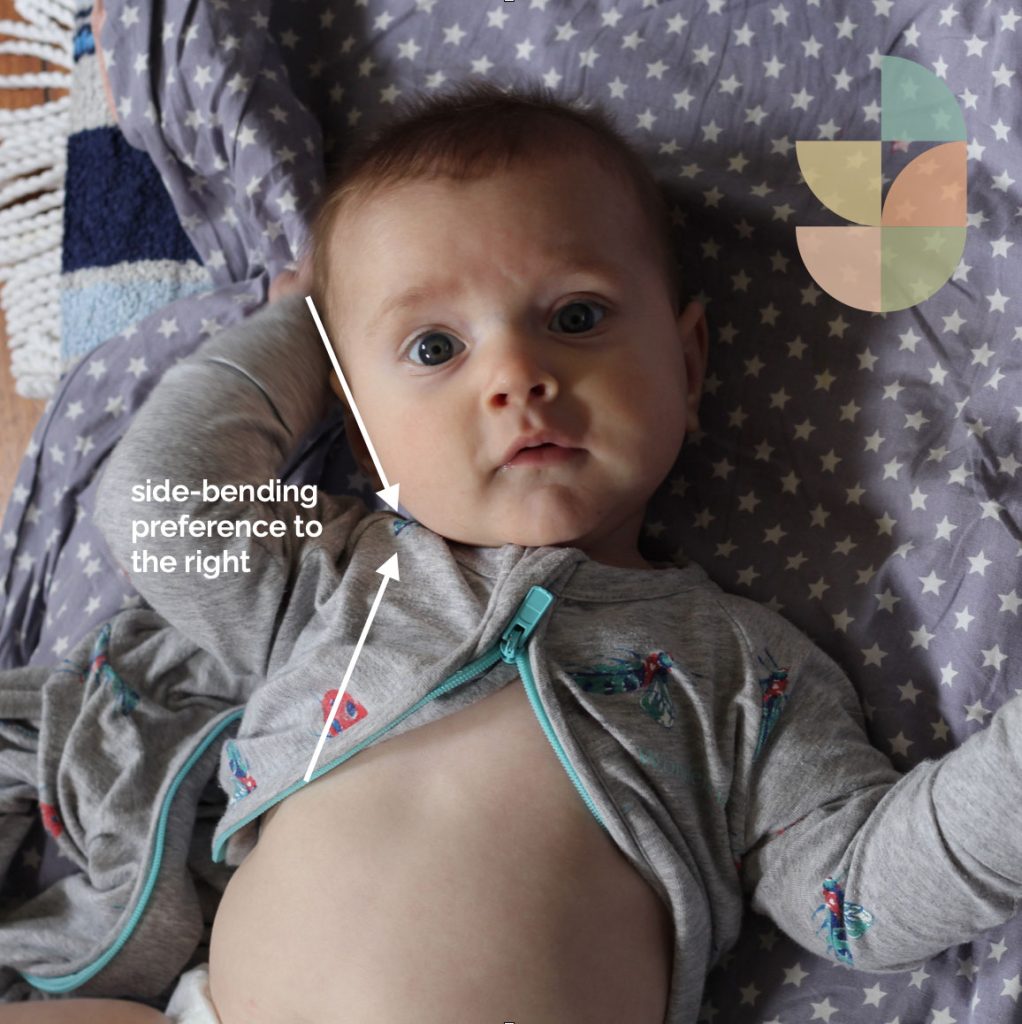
Newborn head-position preference means a baby tends to rest or turn the head in one direction more often than the other. Your baby may look left during sleep, feeding, floor play, or while being held. Some babies can turn both ways but still return to one favored position.
This habit is not always a sign of a problem. Newborns may prefer one side because of their position in the womb, a comfortable feeding position, a mild neck muscle imbalance, or the way light and sound enter the room.
A newborn head-position preference becomes more important when your baby:
• Rarely turns toward the less favored side
• Has trouble feeding on one breast or in one direction
• Seems stiff or uncomfortable when turning the head
• Develops a flat area on the back or side of the head
• Always tilts the head rather than simply turning it
A preference and a restriction are not the same. A preference means your baby chooses one side. A restriction means your baby may not be able to move the head fully in the other direction.

Why Do Newborns Prefer One Head Position?
Several factors can lead to a newborn head-position preference. Often, more than one factor is involved.
Position in the womb
Some babies spend the final weeks of pregnancy with the head turned in one direction. Their neck muscles may feel tight after birth. This can make one position feel easier for a while.
Birth strain
A long labor, assisted delivery, or a difficult birth may cause temporary muscle soreness. Babies may favor one side while they recover. This usually improves, but your pediatric clinician should assess ongoing or strong preferences.
Congenital muscular torticollis
Torticollis is a condition in which the neck muscles are tight or uneven. A baby with torticollis may turn the face one way while tilting the head toward the other side. Early physical therapy often helps improve movement and reduce the risk of head flattening.
Environmental habits
Babies may turn toward a parent’s voice, a window, a lamp, or a crib feature. If the most interesting view is always on one side, a newborn head-position preference can become a daily habit.
Feeding position
A baby may favor one side during breastfeeding or bottle feeding. This can happen because of neck tightness, milk flow differences, breast shape, or a comfortable hold. Feeding difficulty on one side is worth discussing with a lactation consultant or pediatric clinician.
Less common medical causes
Pain, reflux discomfort, vision problems, or a nerve or muscle issue can sometimes affect head movement. These causes are less common, but a sudden change or severe limitation needs prompt medical advice.

Is Newborn Head-Position Preference Normal?
A mild newborn head-position preference can be normal during the first weeks of life. Newborns have developing muscles and limited control of the head. They may move in small, uneven ways as they learn to respond to sound, light, and touch.
The key question is whether your baby can comfortably move the head both ways. A baby who sometimes prefers the left but also turns right during alert periods is often less concerning than a baby who never looks right.
Watch the pattern over time. A preference that stays the same or becomes stronger may raise the risk of positional plagiocephaly, also called flat head syndrome. The skull is soft in early infancy, so repeated pressure on one area can change its shape.
The American Academy of Pediatrics recommends placing babies on their backs for every sleep. Safe sleep remains more important than trying to force a head position. Never place a baby to sleep on the side or stomach to correct a newborn head-position preference.
Newborn Head-Position Preference and Flat Head Syndrome
Flat head syndrome occurs when repeated pressure changes the shape of a baby’s skull. It is often called positional plagiocephaly when the back or side of the head looks flattened. Positional brachycephaly refers more broadly to flattening across the back of the head.
A flat spot may look concerning, but it does not usually affect brain growth. Still, it can become more noticeable if a baby spends many waking hours in the same position.
Signs to watch for include:
• One side of the back of the head looks flatter
• One ear seems farther forward than the other
• The forehead appears more prominent on one side
• Hair becomes thinner over the favored area
• The baby always rests on the same part of the skull
Many cases improve as babies gain head control, sit, roll, and spend less time on the back of the head. Early guidance can make this process easier.
Do not use helmets, pillows, wedges, or sleep positioners without medical advice. These products may create safety risks, especially during sleep.

Safe Ways to Help Your Baby Turn Both Ways
The goal is not to force the neck. The goal is to give your baby many safe, calm chances to look in both directions.
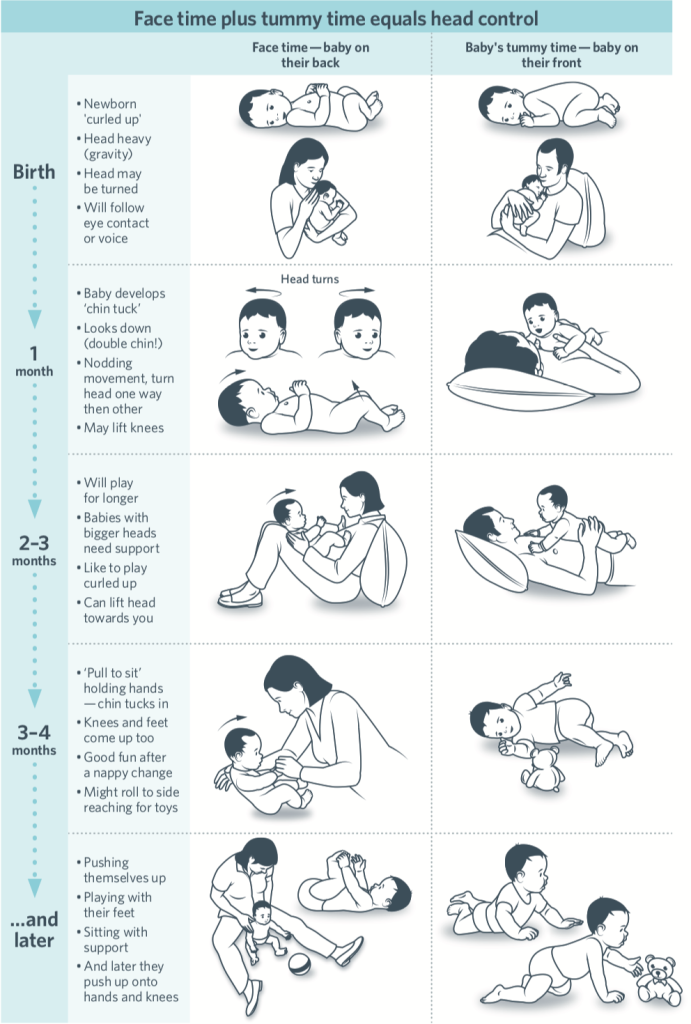
Use awake tummy time
Give your baby short, supervised periods on the tummy while awake. Start with one to two minutes several times a day. You can place your face, a simple toy, or your voice on the less favored side.
Tummy time helps build neck, shoulder, and upper-body strength. If your baby dislikes floor tummy time, try tummy time on your chest while you are awake and alert.
Change the room view
Babies often turn toward people and light. You can place the crib so that the door, your face, or the room’s main activity is on the less favored side. Follow safe sleep rules, and keep the crib free of loose objects.
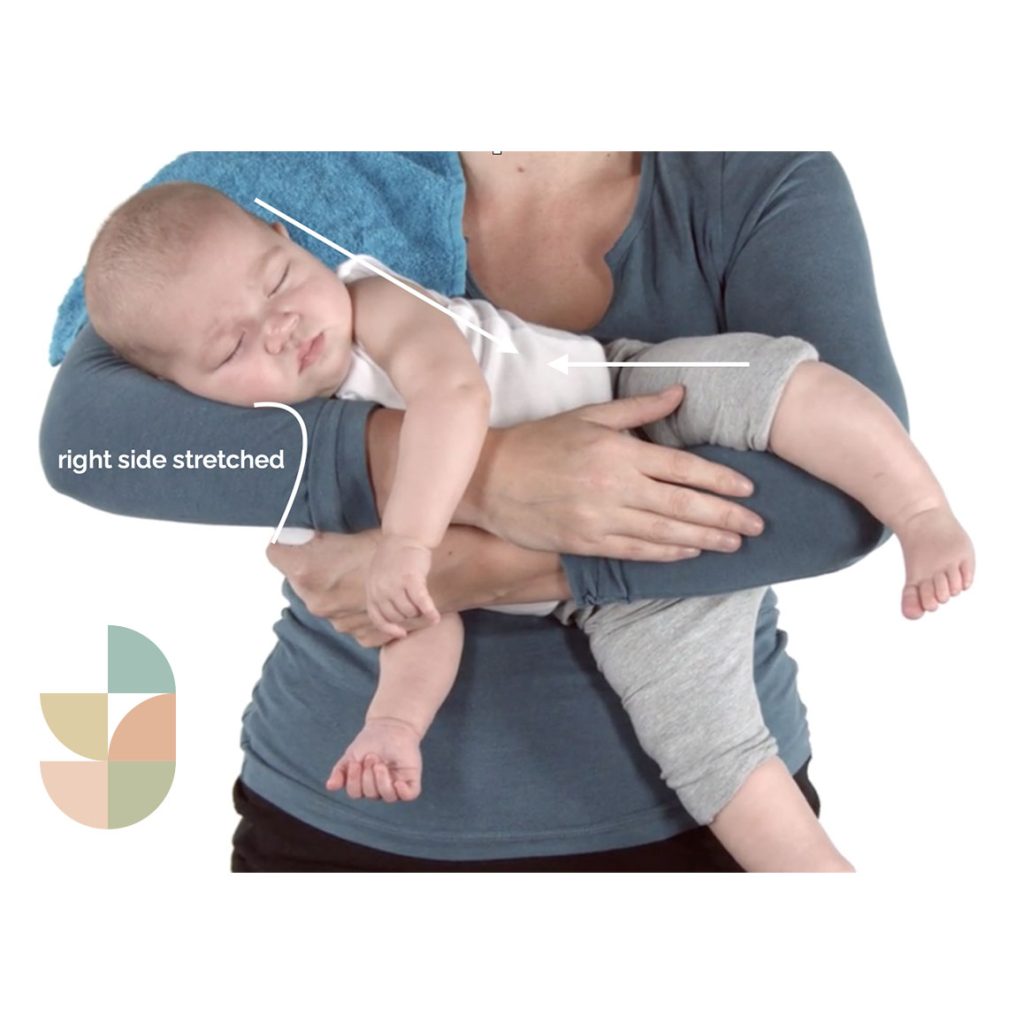
Alternate holding sides
Switch arms when carrying your baby. Change the side used for bottle feeding when practical. During breastfeeding, ask a lactation professional about positions that support comfortable turning without pressure.
Move toys slowly
During awake play, hold a toy near the center of your baby’s face. Then move it slowly toward the less favored side. Stop if your baby becomes upset or cannot follow the toy.
Limit time in containers
Car seats are essential for travel, but swings, loungers, and bouncers should not become the main place your baby rests. More floor time and supervised holding can reduce constant pressure on one area.
A practical lesson many new parents learn is that small changes work better than one long exercise session. A few gentle moments at each diaper change may be easier for both parent and baby.

What Not to Do
Parents often feel pressure to fix a newborn head-position preference quickly. Avoid methods that can increase risk or discomfort.
• Do not use pillows, rolled blankets, or sleep positioners in the crib
• Do not place your baby on the side or stomach for sleep
• Do not force the head through a painful range of motion
• Do not stretch the neck without instruction from a trained clinician
• Do not use a helmet without a professional evaluation
• Do not ignore feeding trouble or a rapidly changing head shape
• Do not rely on online exercises that are meant for a different condition
Safe sleep guidance is clear: place your baby alone, on the back, on a firm, flat sleep surface. A preference should never be corrected by making sleep less safe.
When to Call the Pediatrician
Contact your baby’s health care provider if the newborn head-position preference lasts, worsens, or limits movement. Early assessment can identify torticollis and guide simple treatment.
Arrange a visit if you notice:
• Your baby cannot turn the head toward one side
• The head is often tilted, not just turned
• Your baby cries during head movement
• Feeding is difficult on one side
• A lump or tight band appears in a neck muscle
• The head shape is becoming uneven
• Your baby seems unusually sleepy, weak, or unwell
• The preference began suddenly after an illness or injury
Seek urgent care for breathing trouble, repeated vomiting, a seizure, severe weakness, a serious fall, or a baby who is difficult to wake. These symptoms are not typical of a simple newborn head-position preference.
Your clinician may watch your baby move, check the neck range of motion, examine the skull shape, and ask about feeding and birth history. If needed, they may refer you to a pediatric physical therapist.

How Torticollis Is Treated
Treatment depends on the cause and the baby’s age. For muscular torticollis, a pediatric physical therapist may teach gentle stretches, handling methods, and positioning strategies.
Care may include:
- A movement assessment
- Gentle home exercises
- More supervised tummy time
- Changes to feeding and carrying positions
- Regular checks of head shape and neck movement
- Follow-up visits to track progress
Most babies with mild muscular torticollis respond well to early care. Progress may be gradual. A baby may turn farther one week and seem less flexible the next, especially during a growth spurt or illness.
Parents should ask for clear instructions before doing stretches at home. The exercise must match the baby’s specific pattern. A stretch that helps one direction may not be right for another.
Tracking Progress at Home
Simple notes can help you and your clinician see change. You do not need special equipment.
Each week, observe:
• Which way your baby looks during calm, alert time
• Whether your baby follows your face or a toy both ways
• Whether feeding is easier on both sides
• Whether the head tilt is less noticeable
• Whether the flat spot looks stable or is changing
You can take a photo from above once a week, using the same lighting and angle. Avoid taking photos every day because small changes can be hard to judge.
A useful goal is improved freedom of movement, not perfect symmetry right away. Babies develop at different speeds. A steady trend toward better movement is more helpful than one difficult day.

What Parents Often Get Wrong
One common mistake is trying to reposition a baby during sleep with a pillow or rolled towel. This may seem logical, but it can create a dangerous sleep environment. Back sleeping on a clear, firm surface is still the safest choice.
Another mistake is waiting because the baby “will grow out of it.” Some mild preferences do improve, but a strong preference can become harder to correct if neck tightness and skull pressure continue.
Parents also sometimes focus only on the head shape. Movement matters just as much. A baby with a mild flat spot and full neck movement may need different care from a baby with a round head but a clear neck restriction.
The most useful approach is calm and consistent. Notice the pattern, make safe changes during awake time, and seek professional guidance when movement is limited.
Frequently Asked Questions About Newborn Head-Position Preference
Is newborn head-position preference common?
Yes. Many newborns favor one side for short periods because of their womb position, muscle tension, feeding habits, or room setup. A strong or lasting preference should still be discussed with a pediatric clinician.
Should I turn my baby’s head while the baby sleeps?
Do not use pillows, wedges, or other devices to hold the head in place. Always place your baby on the back for sleep, and support balanced movement during supervised awake time instead.
Can newborn head-position preference cause a flat head?
It can increase pressure on one part of the skull, which may contribute to positional plagiocephaly. More tummy time, varied holding positions, and early medical advice can help reduce ongoing pressure.
How can I tell if my baby has torticollis?
A baby with torticollis may have limited neck movement, a steady head tilt, or difficulty turning toward one side. A health care professional should confirm the diagnosis because several conditions can look similar.
When should I start tummy time?
You can begin short, supervised tummy time from the early newborn period when your baby is awake. Start with brief sessions and build slowly as your baby becomes stronger.
Is a newborn head-position preference linked to brain problems?
Usually, no. Most cases relate to position, muscle tightness, or normal newborn habits, but a sudden change, severe stiffness, weakness, unusual behavior, or poor feeding needs prompt medical evaluation.
Will newborn head-position preference go away on its own?
Some mild preferences fade as babies gain strength and move more. If the preference is strong, lasts, or causes a head tilt or flat spot, early professional guidance is a better choice than waiting.
Conclusion
A newborn head-position preference is often mild, but it should not be ignored when movement is limited or the head shape is changing. Keep sleep safe with back sleeping on a firm, clear surface, and use supervised tummy time, varied holding, and gentle awake-time engagement to encourage movement.
Watch your baby’s comfort and progress rather than trying to force a quick fix. If you see a persistent preference, head tilt, feeding concern, or flat spot, contact your pediatric clinician for tailored advice. Share this guide with another new parent and explore trusted newborn care resources for continued support.