Baby reflux symptoms often include spit-up, fussiness during or after feeds, and arching the back.
If you’ve ever felt unsure whether your baby’s spit-up is normal or something more, you’re not alone. Baby reflux symptoms can look dramatic, but they are often manageable once you know what to watch for. In this guide, I’ll walk you through the common signs of baby reflux, what usually causes them, when to worry, and what has helped many parents feel more confident day to day.
What baby reflux symptoms look like
Baby reflux symptoms happen when milk and stomach contents flow back up into the esophagus. In many babies, this is mild and temporary. It can look messy, but it is often part of normal infant digestion.
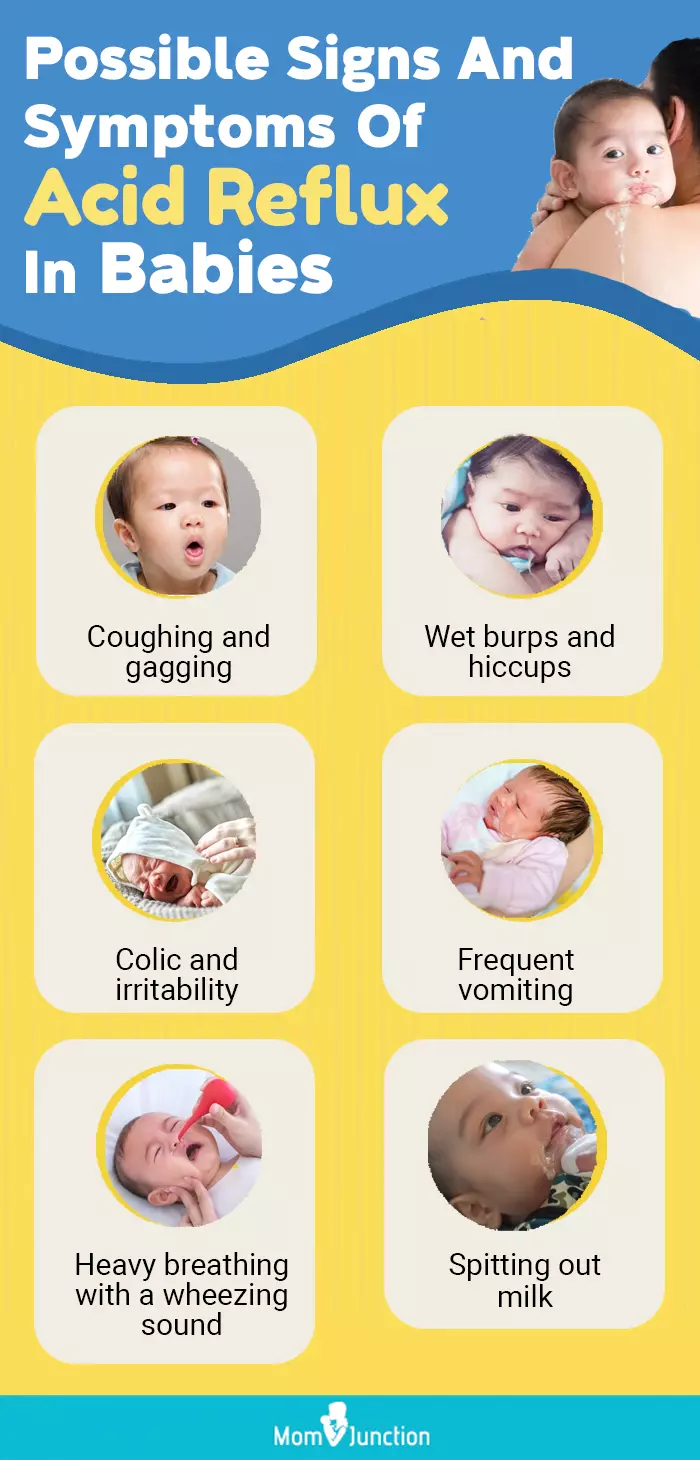
Common baby reflux symptoms include:
- Frequent spit-up, especially after feeds
- Coughing or gagging during or after feeding
- Irritability when lying flat
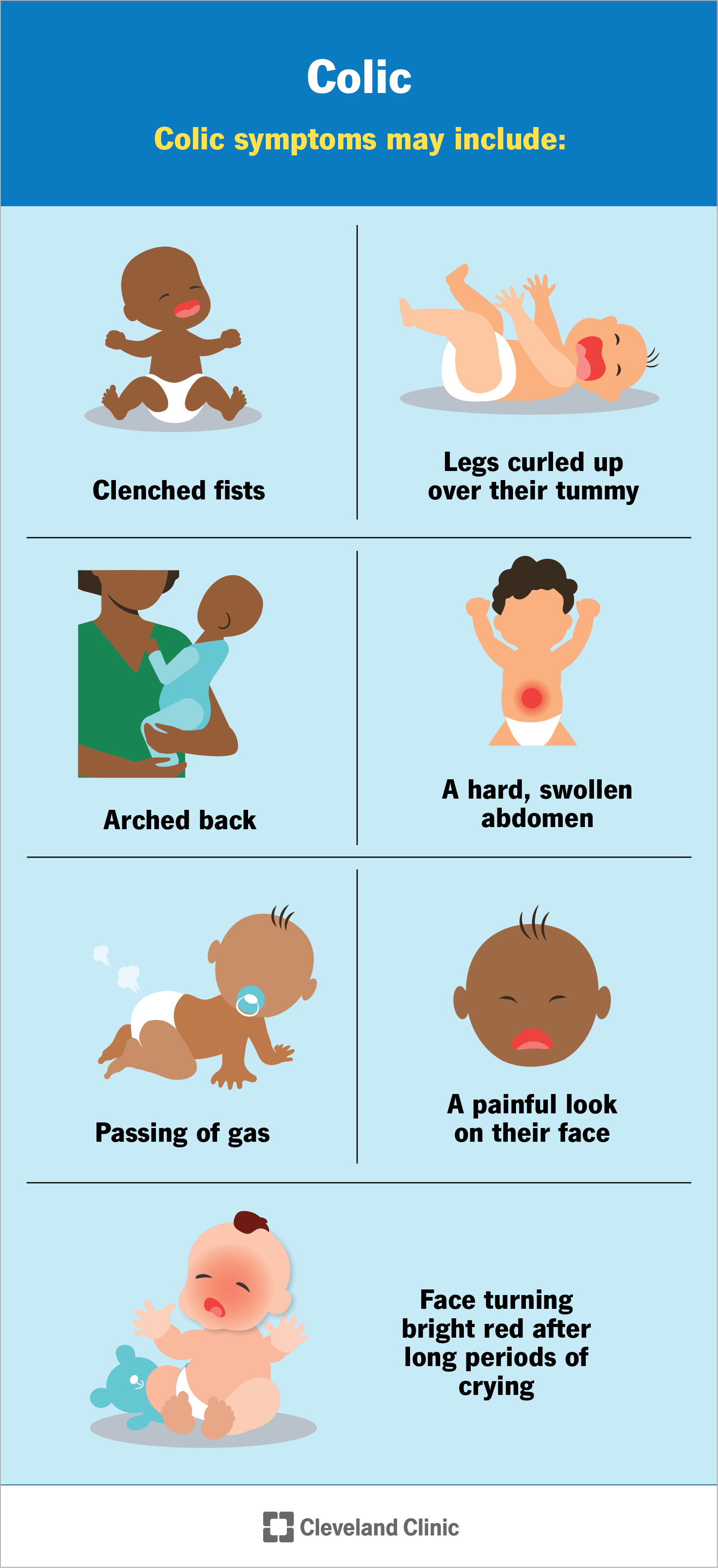
- Arching the back while feeding or after eating
- Hiccups often
- Wet burps or milk coming out of the mouth or nose
- Short feeds or pulling away from the breast or bottle
- Crying that seems worse after meals
In my experience, one of the biggest mistakes parents make is assuming every bit of spit-up means a problem. Many babies spit up and still gain weight, sleep fairly well, and seem comfortable most of the time. The key is looking at the full picture, not one symptom alone.
Baby reflux symptoms can be mild or more noticeable depending on how sensitive your baby is. Some babies barely seem bothered. Others act upset, especially right after feeding or when laid down too soon.

Why baby reflux symptoms happen
Baby reflux symptoms are common because babies are still developing the muscle that keeps milk in the stomach. That muscle, called the lower esophageal sphincter, is not fully mature in early life. So milk can come back up more easily than it does in older children or adults.
Several things can make reflux more likely:
- An immature digestive system
- Overfeeding or fast feeding
- Swallowing too much air
- Lying flat right after a feed
- A sensitive stomach
- Bottle nipple flow that is too fast
- Cow’s milk protein intolerance in some babies
I often tell parents to think of a baby’s tummy like a tiny cup with a loose lid. It fills fast, and the lid does not always seal well yet. That is why baby reflux symptoms often improve as babies grow.
It is also important to know that reflux is not the same as vomiting from illness. A baby with reflux usually brings up small amounts of milk, while a baby with stomach flu or another condition may have forceful vomiting, fever, or diarrhea.

Common signs that may point to reflux
Not every baby with baby reflux symptoms spits up a lot. Some babies show discomfort in other ways. That is why it helps to look for patterns.
Signs that may point to reflux include:
- Spit-up after most feeds
- Crying or fussiness that follows feeding
- Frequent swallowing after a feed
- Refusing to lie on the back for long
- Back arching or stiffening
– Choking, gagging, or wheezing after feeds - Trouble settling after eating
- A sour smell on the baby’s breath or clothes
Some babies also seem to feed for a short time and then stop, almost like they want milk but do not want the discomfort that comes with it. That can be very frustrating for parents, because it looks like hunger mixed with stress.
A helpful tip from real-life feeding routines: keep a simple log for a few days. Write down when the baby eats, when spit-up happens, and what the baby was doing before and after. Patterns often show up faster than you expect.
Mild reflux vs GERD in babies
Baby reflux symptoms are often mild and normal, but sometimes they may suggest gastroesophageal reflux disease, also called GERD. GERD means the reflux is causing trouble like poor weight gain, feeding problems, or ongoing discomfort.
Mild reflux often looks like this:
- Spit-up without distress
- Normal appetite most of the time
- Steady weight gain
- Baby seems happy between feeds
GERD may look like this:
- Frequent pain or crying during feeds
- Poor weight gain or weight loss
- Refusal to eat
- Blood in spit-up or stool
- Breathing issues or chronic coughing
- More severe sleep disruption
This is one place where experience matters. I have seen many worried parents chase every spit-up, when the real clue was whether the baby was thriving. If your baby is growing well and acting mostly content, baby reflux symptoms may be annoying but not dangerous. If feeding becomes a struggle, it is time to call the pediatrician.
What causes baby reflux symptoms to get worse
Some everyday habits can make baby reflux symptoms more noticeable. The good news is that small changes often help.
Common triggers include:
- Large feeds in a short time
- Air swallowed during feeding
- Tight diapers or clothing around the belly
- Bouncing or active play right after feeding
- Lying flat too soon after eating
- Fast bottle nipple flow
- Feeding when baby is very upset and gulping air
Here is a simple example. A baby who drinks quickly, takes in extra air, and then gets laid down right away may spit up more than usual. That does not always mean something is wrong. It may just mean the feeding routine needs a few small adjustments.
How to ease baby reflux symptoms at home
Many babies with baby reflux symptoms improve with simple care steps. These are not cures, but they often reduce spit-up and discomfort.
Helpful home strategies include:
- Offer smaller, more frequent feeds if your pediatrician agrees
- Burp your baby during and after feeds
- Keep your baby upright for 20 to 30 minutes after feeding
- Avoid bouncing, tummy time, or active play right after meals
- Use a slower-flow bottle nipple if bottle-feeding
- Make sure the latch is deep and comfortable if breastfeeding
- Avoid overfeeding by watching hunger and fullness cues
One of the best lessons I have learned is that gentle changes work better than big, sudden ones. A calmer feeding pace can make a surprising difference. Think of it like pouring water into a narrow funnel instead of dumping it in all at once.
A few practical tips:
- Watch for relaxed hands and slowed sucking, which can signal fullness
- Keep diapers and waistbands loose after feeds
- Pause the feed if your baby seems tense or gassy
- Try to feed before your baby becomes overly upset, since crying can add extra swallowed air

When baby reflux symptoms need medical attention
Most baby reflux symptoms are harmless. Still, some signs should be checked by a doctor right away.
Call your pediatrician if your baby has:
- Poor weight gain
- Projectile or forceful vomiting
- Green or yellow vomit
- Blood in vomit or stool
- Trouble breathing
- Frequent choking during feeds
- Signs of dehydration, like fewer wet diapers
- Extreme irritability or pain
- Refusal to feed
- A swollen belly or fever
If your baby seems to be in pain after nearly every feeding, do not just wait it out for weeks. Persistent feeding trouble can affect nutrition and growth. A doctor can help decide whether the baby has simple reflux, GERD, or another issue that needs treatment.
Feeding choices and reflux
Feeding can play a big role in baby reflux symptoms. Breastfed and formula-fed babies can both have reflux. The feeding method is not the main problem by itself.
For breastfeeding babies, possible helpful steps may include:
- Checking latch and position
- Watching for an overactive letdown
- Feeding more often if baby takes in smaller amounts
- Working with a lactation consultant if needed
For formula-fed babies, possible helpful steps may include:
- Trying a slower nipple flow
- Reviewing how the formula is mixed
- Avoiding too much air in the bottle
- Asking the pediatrician about formula changes if intolerance is suspected
Some parents wonder if thickened feeds or special formulas help. In certain cases, they do, but these should only be used with medical guidance. That is because babies have different needs, and the wrong change can create new problems.
Sleep and baby reflux symptoms
Sleep is where many parents notice reflux the most. Babies may seem more uncomfortable when lying flat, especially right after feeding. That can lead to short naps, extra waking, or lots of squirming.
A few safe sleep reminders matter here:
- Always place babies on their backs for sleep
- Use a firm, flat sleep surface
- Avoid inclined sleepers, wedges, or loose sleep products
- Do not prop the crib mattress unless a doctor specifically instructs you to do so
This is a place where trust and safety matter more than old advice passed around online. Even if a baby seems to sleep better in a tilted position, that setup can be unsafe. For reflux, the safe sleep rules still apply.
How doctors evaluate baby reflux symptoms
If baby reflux symptoms seem frequent or severe, your doctor may ask about feeding, growth, spit-up amount, and comfort. In most cases, the diagnosis is based on symptoms and exam, not a long list of tests.
A doctor may ask:
- How often does spit-up happen?
- Is the baby gaining weight?
- Does the baby cry or arch during feeds?
- Are there feeding pauses, choking, or coughing?
- Any blood, fever, or breathing concerns?
Sometimes doctors suggest a feeding review, growth check, or a trial of changes. In more complex cases, they may look for allergies, swallowing issues, or other conditions that can mimic reflux.
Frequently Asked Questions of baby reflux symptoms
Is spit-up always a sign of reflux?
No. Many healthy babies spit up because their digestive system is still immature. Baby reflux symptoms become more concerning when they come with pain, poor weight gain, or feeding trouble.
How long do baby reflux symptoms usually last?
For many babies, reflux improves by 6 to 12 months as they grow and spend more time upright. Some babies improve sooner, while others need more time and support.
Can breastfeeding cause baby reflux symptoms?
Breastfeeding does not cause reflux, but feeding factors like fast letdown or a strong milk flow can make symptoms seem worse. A lactation consultant can help if feeding seems stressful for either of you.
Should I change formula for baby reflux symptoms?
Sometimes, but only with your pediatrician’s advice. Formula changes may help if milk protein intolerance or another feeding issue is involved, but switching too often can make things more confusing.
When is reflux not normal in babies?
Reflux is not normal when it affects growth, breathing, feeding, or comfort in a major way. If your baby seems in pain often, vomits forcefully, or is not gaining weight, call the doctor.
Do baby reflux symptoms mean my baby has GERD?
Not always. Reflux is common and often harmless, while GERD is diagnosed when symptoms cause health problems or significant distress. A doctor can help tell the difference.
Conclusion
Baby reflux symptoms can look messy, noisy, and stressful, but they are often part of normal infant development. The biggest clues are how your baby acts overall, how feeds are going, and whether growth is on track. Small changes in feeding routine, burping, and positioning can make life easier for both baby and parent.
If your baby seems uncomfortable often or has red flag symptoms, trust your instincts and talk with a pediatrician. The sooner you get clarity, the sooner you can feel calm and make a plan that fits your baby. If this guide helped, keep learning, track your baby’s symptoms, and share your experience with other parents who may need the same reassurance.