Baby gas and colic relief often comes from burping, soothing movement, and gentle feeding changes.
Baby gas and colic relief matters because a gassy, fussy baby can turn even a calm day into a hard one. I’ve seen how the smallest tweaks, like feeding position, slow burping, and calming routines, can make a real difference. In this guide, I’ll walk you through what works, what does not, and when it’s time to call your pediatrician.

Understanding baby gas and colic relief
Baby gas and colic relief starts with knowing what is happening in your baby’s body. Gas is usually trapped air in the stomach or intestines. Colic is different. It is a pattern of intense crying in an otherwise healthy baby, often for no clear reason.
In real life, the two often overlap. A baby may cry from gas, colic, hunger, tiredness, or all three at once. That is why baby gas and colic relief works best when you use a few simple tools together instead of looking for one magic fix.
From my experience, parents often feel most stressed at night. The baby arches, kicks, pulls the legs up, and cries like something is truly wrong. Most of the time, the cause is not dangerous, but it still needs patience, a plan, and close attention.

Common causes of baby gas and colic
Baby gas and colic relief is easier when you know the likely triggers. Many babies swallow air during feeds, especially when they are crying hard, feeding too fast, or using a bottle nipple that is not the right flow. Some babies also have immature digestion, which makes gas build up more easily.
Other common causes include:
• Overfeeding or feeding too quickly
• Poor latch during breastfeeding
• Bottle nipples with too much or too little flow
• Formula changes
• Sensitivity to certain proteins, such as cow’s milk protein
• Long crying spells that lead to more swallowed air
• Immature gut movement in the early months
Colic itself does not have one single proven cause. Experts often describe it as a mix of normal development, sensitivity, and feeding issues. That is why the best baby gas and colic relief plan usually focuses on comfort, feeding technique, and watching for warning signs.
Signs your baby may need baby gas and colic relief
Some babies look uncomfortable in very clear ways. They may draw their knees up, clench their fists, turn red, or seem tense after feeds. They may also pass gas often, spit up, or cry harder in the evening.
Common signs include:
• Crying that seems linked to feeds or burping
• Bloated or firm tummy
• Frequent squirming or leg-pulling
• Fussiness after swallowing air
• Trouble settling after eating
• Crying that peaks at the same time each day
A key tip I learned early is to watch the pattern, not just the cry. If the baby calms after burping, being held upright, or passing gas, that points toward a gas-related cause. If the crying is intense, regular, and hard to soothe, colic may be part of the picture too.

Gentle baby gas and colic relief methods that often help
The safest and most useful baby gas and colic relief methods are simple and gentle. These are the first things I would try before moving to anything more involved.
• Burp during and after feeds
Try pausing halfway through a feed and again at the end. Some babies need more frequent burping than others.
• Keep baby upright after feeding
Holding baby upright for 15 to 30 minutes may help milk move down more smoothly and reduce trapped air.
• Use slow, calm feeding
A relaxed feed often means less swallowed air. Keep the bottle tilted so the nipple stays full of milk.
• Try bicycle legs
Gently move the legs in a cycling motion to help gas pass through the intestines.
• Use tummy time when baby is awake
Short supervised tummy time can support digestion and help relieve pressure.
• Hold baby in soothing positions
The football hold, over-the-forearm hold, or upright chest-to-chest position may calm a gassy baby.
• Use gentle motion
Rocking, swaying, or a stroller walk can help some babies relax.
In my own experience, the biggest mistake parents make is trying too many things at once. That makes it hard to know what actually helps. Pick one or two baby gas and colic relief methods, try them for a day or two, and look for a pattern.

Feeding changes that support baby gas and colic relief
Feeding is often the center of baby gas and colic relief. Small changes here can have a big effect.
If breastfeeding, a lactation consultant can help check latch and milk flow. A shallow latch can cause baby to gulp air. Fast letdown can also make some babies swallow too quickly.
If bottle-feeding, consider these tips:
• Choose a slow-flow nipple if baby gulps
• Keep the bottle angled so the nipple stays full
• Use paced bottle feeding
• Avoid shaking bottles too hard, since that adds bubbles
• Check that the bottle system vents properly if using anti-colic bottles
For formula-fed babies, changing formulas should be done carefully and with medical guidance if symptoms are severe. Some babies do better with a different protein source, but many do not need a formula change at all. I always tell parents not to switch formulas too fast, because every switch can make the stomach more unsettled for a few days.

Comfort techniques that can calm a gassy or colicky baby
Baby gas and colic relief is not only about the stomach. A calm nervous system matters too. Babies feel safer when the world feels soft, steady, and predictable.
Helpful comfort tools include:
• Swaddling if baby is young and not rolling yet
• White noise to mimic the womb-like sound they know
• Dim lights in the evening
• A warm bath if baby enjoys it
• Skin-to-skin contact
• A calm caregiver voice and slow breathing
Think of it like helping a small storm settle. Sometimes the gas is still there, but the baby feels safe enough to relax and pass it. That calm can make a real difference.

What remedies are worth trying and what to avoid
There are many products marketed for baby gas and colic relief, but not all of them are equally useful. Some may help certain babies, while others have limited proof.
Options that are sometimes used include:
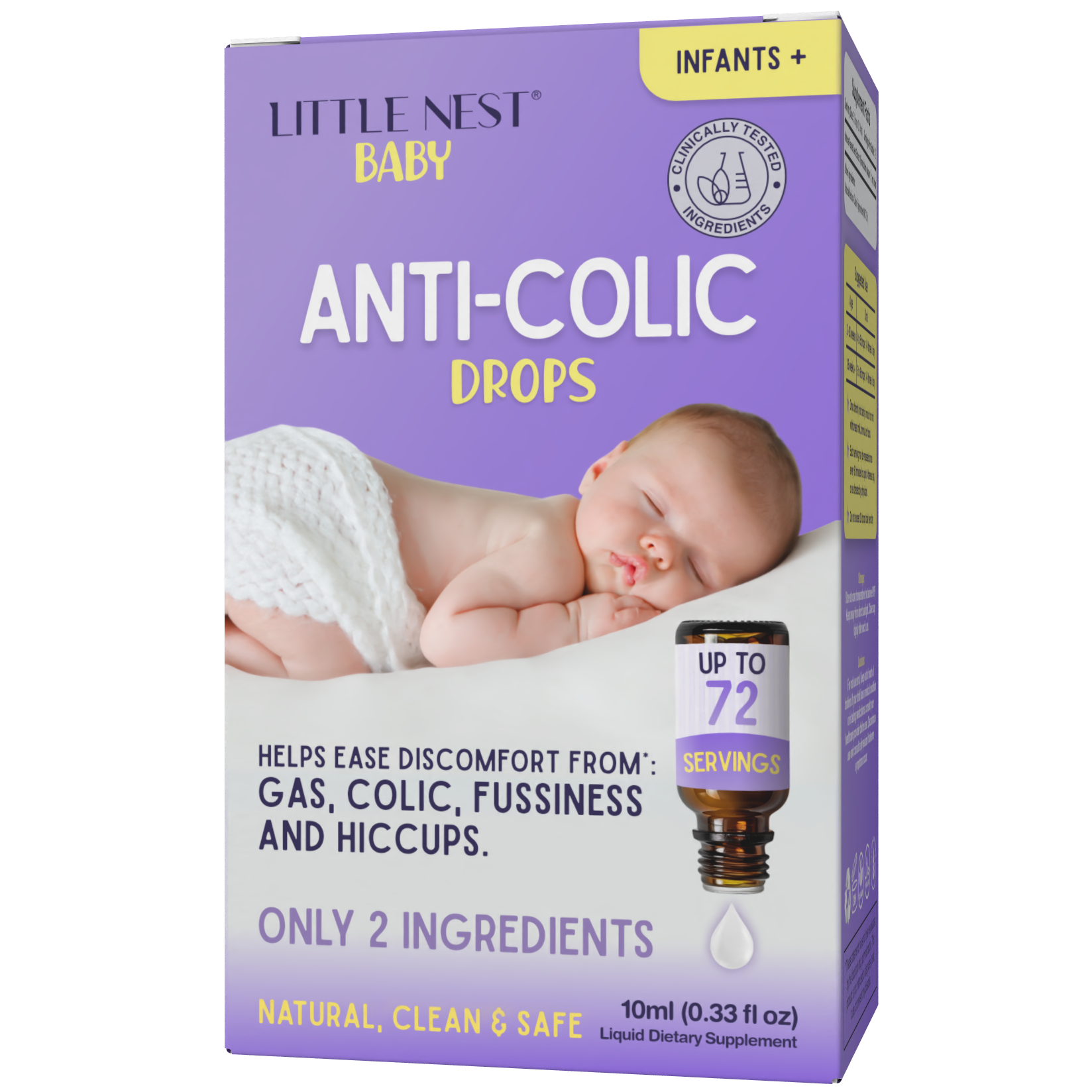
• Simethicone drops, which may help some babies, though results vary
• Probiotics, especially certain strains, which may help some breastfed infants with colic
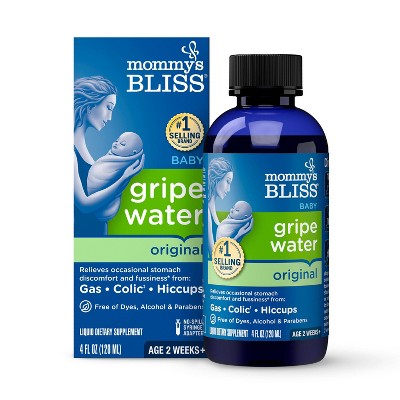
• Gripe water, though evidence is limited and product quality can vary
What to avoid:
• Giving any medicine not approved by your pediatrician
• Using herbal remedies without checking safety
• Overusing gas drops without seeing a clear benefit
• Putting pressure on the belly too hard
• Ignoring signs of illness while assuming it is “just gas”
The research on colic treatments is mixed. Some babies improve with probiotics, while others do not. That is why baby gas and colic relief should be practical, cautious, and guided by your child’s doctor when needed.
When baby gas and colic relief is not enough
Sometimes the problem is more than gas. A baby who is thriving, gaining weight, and has normal stools may simply need time and soothing. But certain symptoms deserve prompt medical attention.
Call your pediatrician if your baby has:
• Fever
• Vomiting that is forceful or green
• Blood in stool
• Poor feeding
• Weight loss or poor weight gain
• A swollen or hard abdomen
• Extreme sleepiness
• Crying that sounds pain-based and unusual
One lesson I learned from working with families is that trusting your instinct matters. If the cry sounds different, the baby looks unwell, or your gut says something is off, get medical advice. Good baby gas and colic relief should never delay a proper checkup when warning signs appear.

Baby gas and colic relief: realistic expectations and timelines
Baby gas and colic relief is often about managing a phase, not curing a disease. Many babies improve as their digestive system matures over the first few months. Colic often starts around 2 to 3 weeks of age, peaks near 6 weeks, and then gets better over time.
That does not mean you have to just wait it out. It means the goal is to reduce discomfort, improve feeding, and protect your own energy while the baby grows. Progress may look like shorter crying spells, easier burping, better sleep, or fewer tense evenings.
It helps to keep a simple log for a few days:
• Feeding time
• Type of feeding
• Burping result
• Crying time
• Stool changes
• Anything that seemed to help
This kind of pattern tracking can make baby gas and colic relief much easier, because it shows what truly works for your baby.
Frequently Asked Questions of baby gas and colic relief
How do I know if my baby’s crying is from gas or colic?
Gas-related crying often happens around feeds and may improve after burping or passing gas. Colic is usually longer, louder, and harder to soothe, even when basic needs are met.
What is the fastest baby gas and colic relief method?
There is no single fastest fix, but upright holding, burping, and gentle movement often help quickly. Many parents see the best results when they combine these with a calm, quiet setting.
Can breastfeeding cause baby gas?
Breastfeeding itself does not usually cause gas, but a shallow latch or fast milk flow can lead to swallowed air. A lactation consultant can often help improve feeding comfort.
Should I change formula for baby gas and colic relief?
Sometimes, but not always. It is best to talk with your pediatrician before switching formulas, since frequent changes can upset digestion more.
Do probiotics help with colic?
Some studies suggest certain probiotics may help some babies, especially breastfed infants, but results are not the same for every child. They should be used with medical guidance, especially in very young babies.
Conclusion
Baby gas and colic relief is usually about steady, simple care: better feeding technique, frequent burping, soothing movement, and knowing when to ask for help. Most babies improve with time, but you can make the hard days easier by watching patterns and using gentle support.
If you are in the middle of the fussiness phase right now, start with one small change today and see what happens. Keep notes, trust your instincts, and speak with your pediatrician if anything feels off. If this guide helped, save it, share it with another parent, or leave a comment with what worked for your baby.