Newborn muscle tone develops through movement, brain growth, and steady practice during the first year.
Newborn muscle tone development can look confusing at first. One baby may feel curled and firm, while another seems relaxed and floppy during sleep. This guide explains what normal tone looks like, how it changes month by month, and which signs need medical attention. The information reflects standard newborn examinations, pediatric guidance, and early motor development research.
What Is Newborn Muscle Tone?
Muscle tone is the gentle tension present in a muscle when the body is at rest. It helps a baby hold a posture, move against gravity, and respond to touch or changes in position. Muscle tone is not the same as muscle strength. Tone is the background readiness of the muscles, while strength is the force a baby can produce during movement.
Newborn muscle tone development depends on the brain, spinal cord, nerves, and muscles working together. It also reflects a baby’s age, sleep state, body position, feeding, and health.
A newborn does not usually lie flat and loose like an older child. Most healthy full-term babies show some flexion. Their arms and legs stay partly bent, much like a small flower that has not fully opened.
Typical features include:
• Bent elbows and knees
• Hands that may stay partly closed
• Arms and legs that move on both sides
• Brief resistance when the limbs are gently moved
• A head that still needs full support
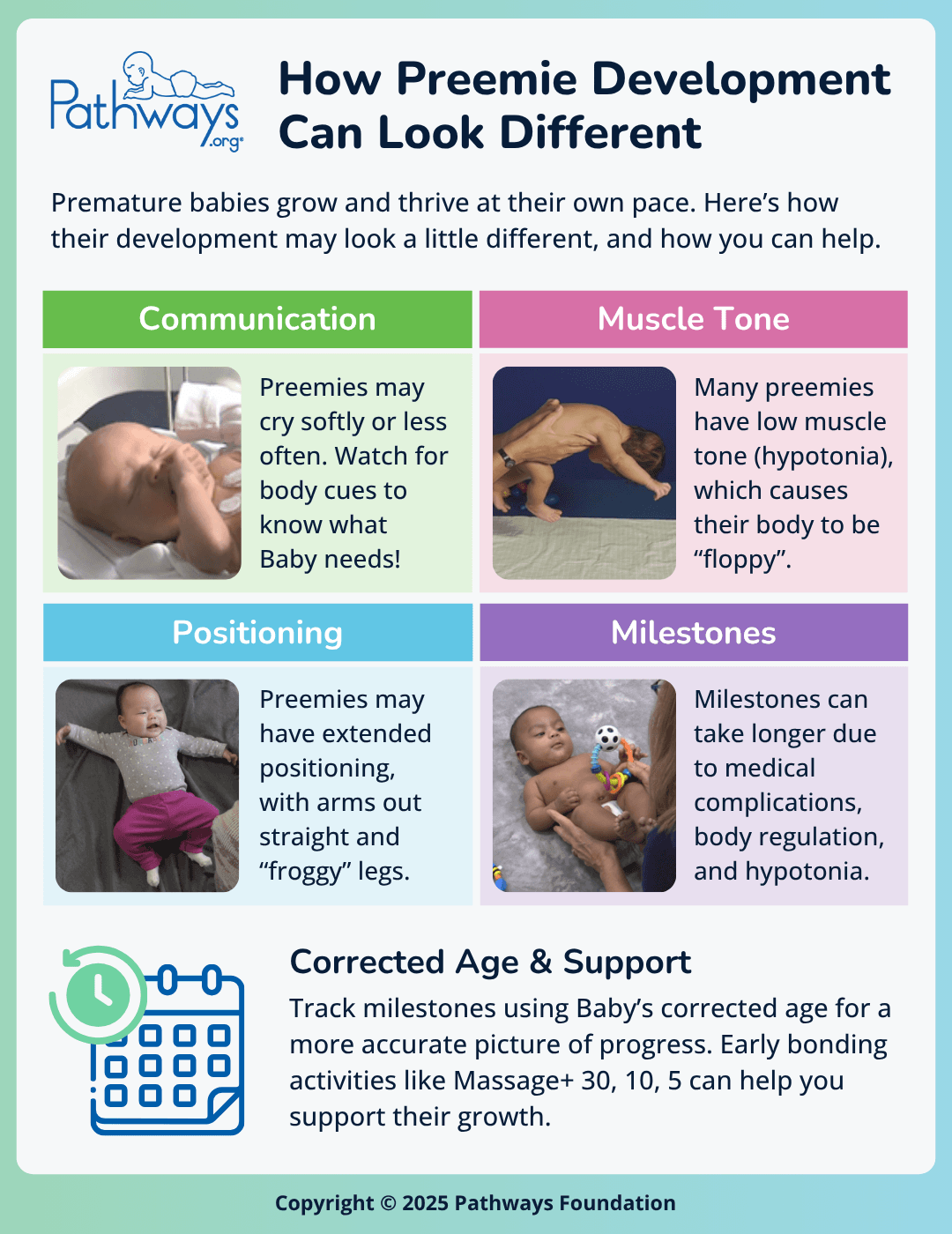
Premature babies often have lower tone and less flexion than full-term babies. Their tone should be judged by corrected age, which accounts for how early they were born.
How Newborn Muscle Tone Develops
Newborn muscle tone development begins before birth, but it changes quickly after delivery. In the womb, a baby moves in a small space and spends much of the time curled. After birth, the baby must work against gravity for the first time.
The nervous system slowly learns to control this new challenge. At first, movements may look jerky, wide, or random. Over time, the brain organizes these movements into smoother actions.
A useful way to picture newborn muscle tone development is to imagine a new control system learning to use many small wires. The muscles may be ready to move, but the brain is still learning when, how far, and how strongly to activate them.
Several systems support this process:
• The brain plans and starts movement.
• The spinal cord carries signals.
• The nerves connect the brain with the muscles.
• The muscles create movement and posture.
• The senses provide feedback about touch, balance, and body position.
Newborn reflexes also play a role. The rooting reflex helps with feeding. The sucking reflex supports nutrition. The Moro reflex causes the arms to open after a sudden change or sound. These reflexes are normal early signs of nervous system function, but they gradually become less dominant as voluntary control improves.
Normal Muscle Tone in the First Months
Normal newborn muscle tone does not look the same at every age. It also varies from one baby to another. A pediatric clinician looks for patterns rather than judging one movement in isolation.
Birth to 1 month
During the first month, many full-term babies keep their arms and legs bent. Their movements may be quick and uneven. They may briefly lift their head during tummy time, but they cannot hold it up for long.
A baby may stretch after waking, then return to a curled posture. This change is usually normal. Sleep, hunger, crying, and temperature can all affect how a baby feels when held.
1 to 2 months
The baby begins to spend more time opening the hands and extending the arms. Head control remains limited, but the baby may lift the head for a few seconds while lying on the stomach.
Newborn muscle tone development at this stage includes more active kicking and arm movement. Movements may still be uneven, but they should occur on both sides of the body.
2 to 4 months
The baby usually gains better head control. During tummy time, the baby may lift the head and chest while leaning on the forearms. The hands open more often, and the baby may bring them toward the mouth.
Muscles in the neck, upper back, shoulders, and trunk begin to work as a team. This is an important step in newborn muscle tone development because stable movement starts in the head and trunk before it reaches the hands and legs.
4 to 6 months
Many babies can hold their head steady when upright. They may roll from tummy to back and reach for toys. Their legs may push against a firm surface when held safely.
Some babies roll earlier or later. A single skill does not define development. The wider pattern matters, including alertness, movement on both sides, and steady progress.
6 to 9 months
The baby often sits with less support and may reach across the body. Rolling becomes more purposeful. Some babies begin to move by crawling, scooting, or turning in a circle.
Muscle tone continues to support balance and control. A baby may look stiff when excited and relaxed when tired. These short changes can be normal.
9 to 12 months
Many babies sit independently, move between positions, pull to stand, and cruise along furniture. Not every baby crawls, and some use another safe way to move.
By the end of the first year, newborn muscle tone development has become part of broader infant motor development. The baby should show growing control, more purposeful movement, and improved ability to hold the body against gravity.

High Muscle Tone and Low Muscle Tone
Healthcare professionals may use the terms hypertonia and hypotonia when describing unusual tone.
High muscle tone, or hypertonia, means the muscles seem too tight or resist movement more than expected. A baby may appear stiff, keep the legs straight, or hold the fists tightly for long periods. Some babies with high tone also show unusual arching of the back.
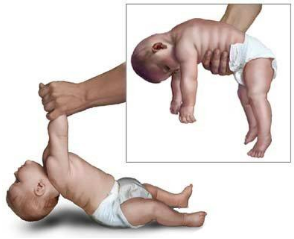
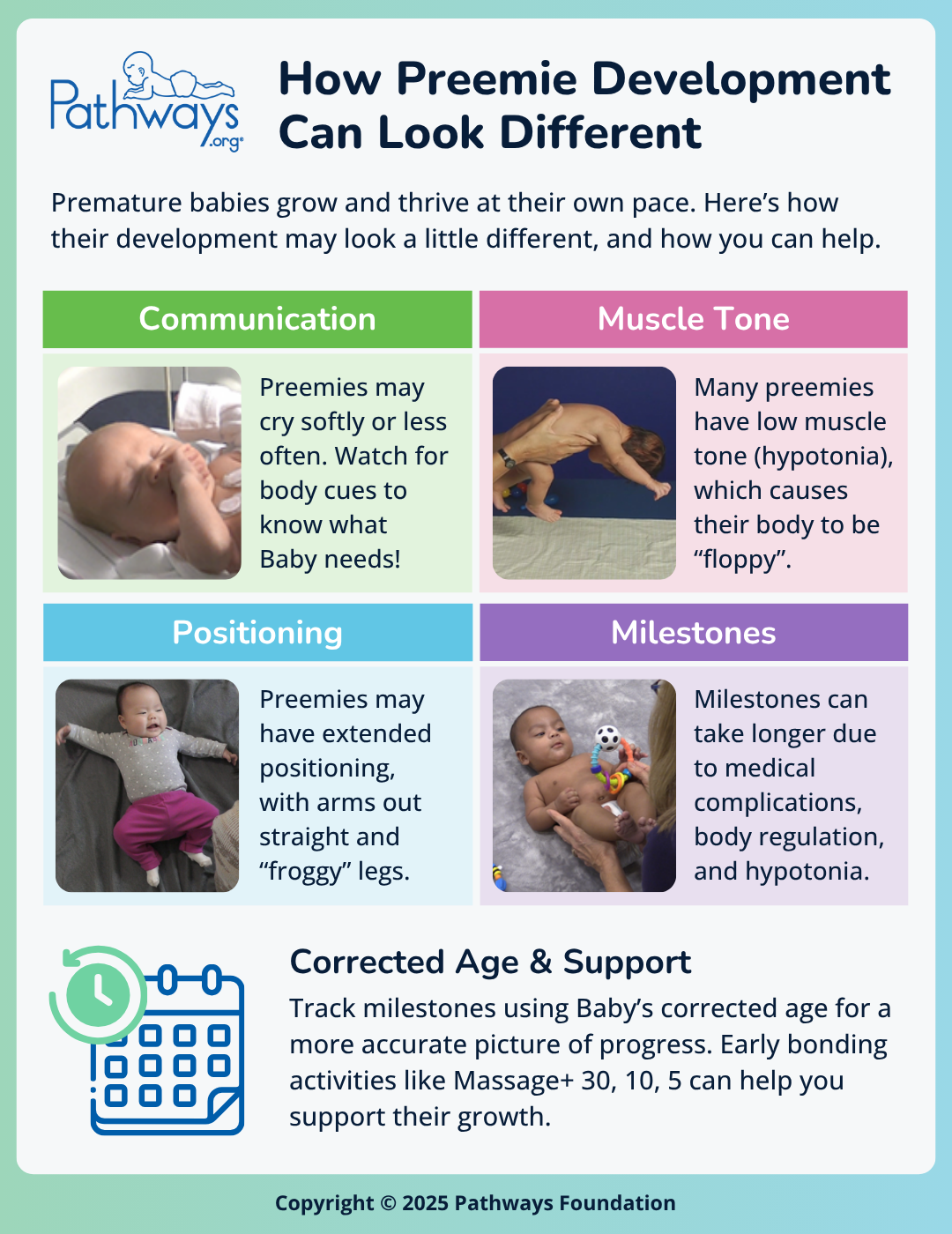
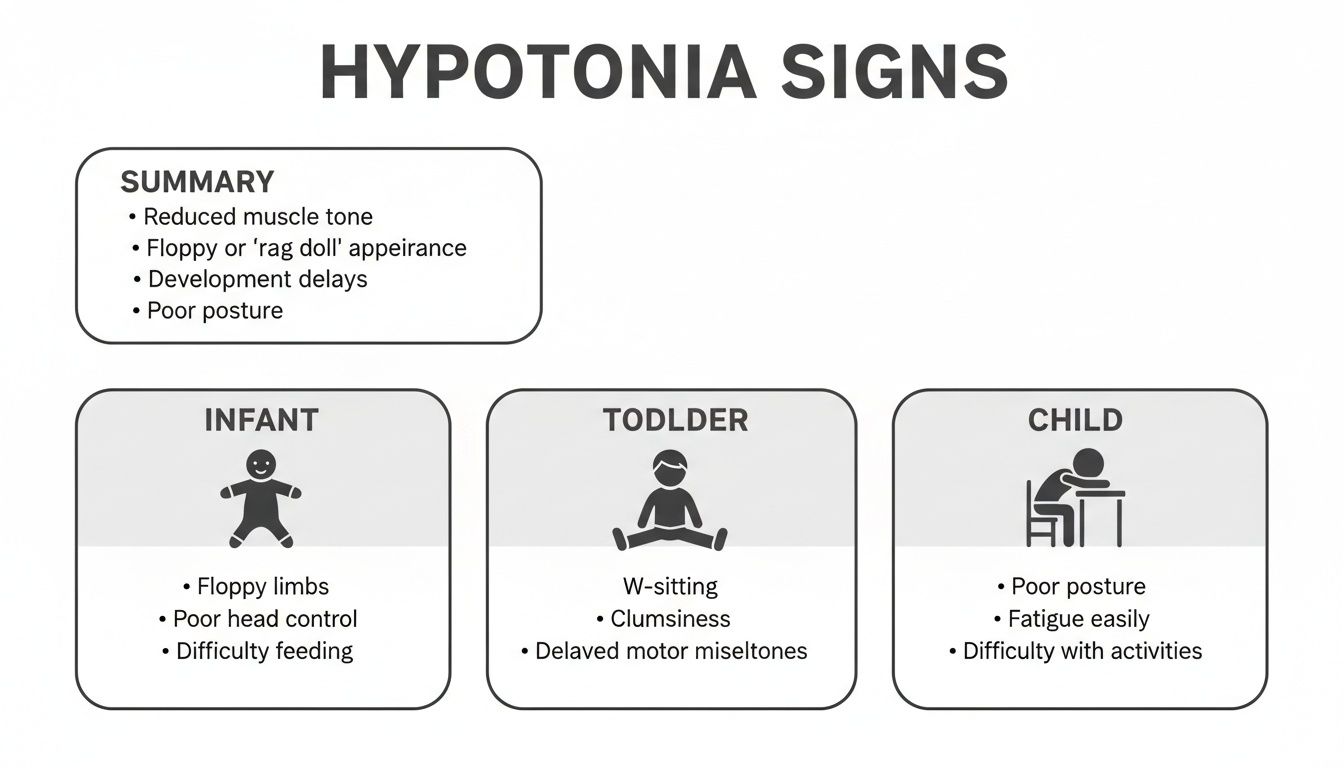
Low muscle tone, or hypotonia, means the muscles feel less firm than expected. A baby may seem unusually floppy, have trouble holding the head up, or feel difficult to support under the arms.
These terms describe a finding, not a final diagnosis. Low or high tone can have many causes, including:
• Prematurity
• Illness after birth
• Low blood sugar
• Infection
• Problems affecting the brain or spinal cord
• Genetic or metabolic conditions
• Muscle or nerve disorders
A baby can also have normal changes that look concerning for a short time. For example, newborns often relax deeply during sleep. They may feel floppy when very tired, but become more active when awake and alert.
The key question is whether the pattern is persistent, marked, or linked with other symptoms. A clinician may assess posture, reflexes, spontaneous movement, feeding, alertness, and head control.
Signs of Healthy Newborn Muscle Tone Development
Healthy newborn muscle tone development is best understood as a pattern of gradual progress. Babies do not all reach milestones on the same day, but their movement should become more organized over time.
Common reassuring signs include:
• The baby moves both arms and both legs.
• The baby bends and stretches the limbs.
• The baby becomes more alert during feeding and awake periods.
• The baby slowly gains head control.
• The hands open more often with age.
• The baby responds to sound, touch, and changes in position.
• The baby can move freely without always appearing stiff or floppy.
• Skills build over time rather than disappearing.
Symmetry is especially useful. A baby may favor one side briefly, but regular movement on only one side deserves attention. For example, always keeping one hand closed or moving one leg much less than the other may signal a problem.
Parents should also watch the overall picture. Movement, feeding, breathing, sleep, and alertness all provide clues. A baby who is hard to wake, feeds poorly, or has a sudden change in movement needs prompt medical advice.

Activities That Support Muscle Tone and Motor Skills
Parents do not need special equipment to support newborn muscle tone development. Warm, responsive care and safe floor play are usually enough.
Use short tummy-time sessions
Tummy time helps strengthen the neck, shoulders, back, and trunk. Begin with short sessions when the baby is awake and watched closely. A few minutes at a time can be helpful.
Try placing the baby:
• On a firm floor mat
• Across your chest while you are awake
• Across your lap while you support the head
• Near a rolled towel for gentle support, if advised by a healthcare professional
Always place the baby on the back for sleep. Tummy time is for awake periods only.
Encourage free movement
Dress the baby in clothing that allows the arms and legs to move. Give supervised time on a safe, open surface. Long periods in swings, loungers, or car seats can limit movement when the baby is awake.
Talk and interact
Your face and voice encourage the baby to turn, look, and reach. Place toys or your face near the center, then slowly move them from side to side. This supports visual tracking and balanced movement.
Handle the baby gently
Support the head and neck during early months. Lift the baby slowly and avoid pulling the arms. Gentle handling gives the nervous system time to adjust to changes in position.
Follow the baby’s signals
Stop if the baby becomes tired, distressed, or overstimulated. Crying does not mean the baby is failing. It often means the session needs to be shorter or calmer.
A common mistake is treating tummy time like a workout that must be completed in one long session. Short, pleasant practice is usually more realistic and more useful.

When to Call a Pediatrician
Concern about newborn muscle tone development does not mean something is wrong. It means a professional should take a closer look. Early evaluation can clarify whether a variation is normal or needs support.
Contact your pediatrician if your baby:
• Seems very floppy most of the time
• Feels unusually stiff during most handling
• Cannot move one side like the other
• Keeps one hand closed or one arm in the same position
• Has poor head control beyond the expected age
• Stops using a skill already gained
• Has trouble sucking, swallowing, or breathing
• Is difficult to wake or unusually weak
• Has frequent choking or tiring during feeds
• Shows repeated unusual movements or seizures
Seek emergency care for trouble breathing, blue or gray skin, a seizure, severe weakness, or a baby who cannot be awakened normally.
A clinician may ask about pregnancy, birth, feeding, sleep, and development. They may check reflexes, muscle tone, strength, posture, eye movement, and head control. If needed, they may refer the baby to a pediatric neurologist, physical therapist, or early intervention service.
Do not wait for a routine visit if you notice a sudden loss of movement or a major change in alertness. Developmental concerns are easier to assess when parents write down what they see and when it happens.
Premature Babies and Corrected Age
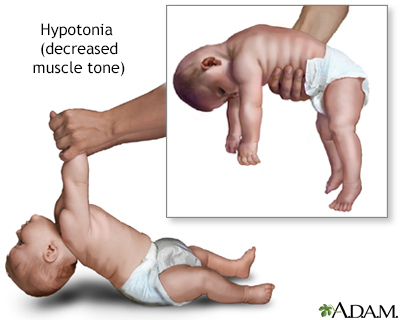
Premature babies often have different newborn muscle tone development because their nervous systems are still maturing. They may have less flexion, weaker head control, and fewer strong movements at first.
Corrected age helps clinicians compare development more fairly. It is calculated by subtracting the number of weeks born early from the baby’s actual age.
For example, if a baby is 16 weeks old but was born 8 weeks early, the corrected age is about 8 weeks. Healthcare professionals often use corrected age when reviewing motor progress during the first two years.
Prematurity does not guarantee a developmental problem. Many premature babies gain skills steadily and do very well. Still, regular follow-up matters because early therapy can support strength, posture, feeding, and movement when needed.
Parents should ask the care team:
• Which age should we use when tracking milestones?
• What movements should we practice at home?
• When should we schedule a developmental check?
• Are there early intervention services in our area?
Clear guidance can reduce worry and prevent parents from comparing their baby with a full-term child of the same calendar age.

How Professionals Assess Muscle Tone
A pediatric clinician does not judge tone by one quick lift or a single stiff movement. Assessment usually includes several observations.
The clinician may watch the baby while resting, moving, crying, feeding, and responding to touch. They may gently move the arms and legs to feel resistance. They may also assess head lag, posture, reflexes, symmetry, and spontaneous activity.
A complete assessment can include:
• Pregnancy and birth history
• Gestational age
• Feeding and growth
• Alertness and sleep patterns
• Reflexes
• Head and trunk control
• Movement on both sides
• Family health history
• Progress toward motor milestones
Newborn muscle tone development must be interpreted in context. A baby who is sleepy after a feed may appear different from the same baby during an alert morning period.
There are limits to home observation. Parents can notice patterns, but they cannot diagnose a nerve, muscle, or brain condition by touch alone. Online milestone charts are useful for general guidance, but they should not replace an in-person examination.
What Research and Pediatric Guidance Tell Us
Developmental research shows that motor skills emerge through the interaction of biology, movement, practice, and the environment. There is no single “perfect” sequence for every infant.
Pediatric guidance commonly supports:
• Responsive care
• Daily supervised tummy time
• Safe sleep on the back
• Limiting time in restrictive devices while awake
• Regular wellness visits
• Developmental screening at recommended ages
The American Academy of Pediatrics recommends routine developmental surveillance and screening. The Centers for Disease Control and Prevention also provides milestone guidance, while the World Health Organization offers movement recommendations for young children.
These tools are helpful, but milestone lists have limits. They are not diagnostic tests, and they cannot account for every culture, family setting, medical history, or individual pattern. A child may develop normally while reaching one skill earlier or later than a chart suggests.
Trust your observations, but also use professional care. Parents are often the first to notice a change, and their detailed examples can help clinicians make a more accurate assessment.
Practical Tips for Tracking Progress
A simple record can make newborn muscle tone development easier to understand. You do not need to measure every movement or compare your baby each day.
Once or twice a week, note:
• How the baby holds the arms and legs
• Whether the baby moves both sides
• How long the baby lifts the head during tummy time
• Whether feeding is comfortable
• Any new movement or skill
• Any change from the baby’s usual pattern
Short videos can also help, especially if a movement happens only at home. Ask permission before recording during a clinic visit, and protect your baby’s privacy when sharing videos online.
Avoid testing tone by pulling the baby into a sitting position, standing the baby, or stretching the limbs forcefully. These actions can be unsafe and may create a misleading impression.
The best support is steady and gentle. Feed the baby, respond to cues, offer safe movement, and attend routine visits. These simple steps create a strong base for healthy motor development.
Frequently Asked Questions About Newborn Muscle Tone Development
What is normal muscle tone in a newborn?
A full-term newborn often has partly bent arms and legs, active movements, and some resistance when the limbs are gently moved. The baby should also move both sides of the body and gradually gain better head control.
Is it normal for a newborn to feel floppy when sleeping?
Many babies relax deeply during sleep and may feel less firm. If the baby becomes active when awake, feeds well, and moves both sides, this may be normal; persistent floppiness should be discussed with a pediatrician.
When does a baby develop better muscle tone?
Muscle tone and motor control usually improve quickly during the first six months. Head control, trunk stability, reaching, rolling, and sitting develop at different times, with steady progress being more important than one exact age.
Can tummy time improve newborn muscle tone development?
Supervised tummy time supports the neck, shoulder, back, and trunk muscles. Start with short sessions while the baby is awake, and always place the baby on the back for sleep.
What does high muscle tone look like in a baby?
High tone may cause ongoing stiffness, tight fists, straight legs, or strong resistance during gentle movement. Brief stiffness during crying or excitement can occur, but persistent stiffness should be assessed by a healthcare professional.
What does low muscle tone look like in a baby?
Low tone may appear as unusual floppiness, poor head control, weak movement, or difficulty holding the body against gravity. These signs have many possible causes and require an in-person medical assessment.
Should premature babies reach milestones later?
Premature babies may need more time because their nervous systems are still developing. Clinicians often use corrected age during the first two years when reviewing motor skills and newborn muscle tone development.
When should I worry about my baby’s muscle tone?
Call a pediatrician if your baby is persistently stiff or floppy, moves one side less, loses a skill, feeds poorly, or seems unusually weak. Seek emergency help for breathing trouble, seizures, blue skin, or difficulty waking.
Conclusion
Newborn muscle tone development is a gradual process shaped by the brain, nerves, muscles, movement, and daily care. Mild differences are common, especially between full-term and premature babies, but steady progress and balanced movement are important signs.
Support your baby with safe tummy time, free movement, gentle handling, responsive interaction, and regular checkups. If something feels different or your baby loses a skill, contact a pediatrician rather than trying to diagnose the cause at home. Use trusted developmental resources, keep notes, and share your observations at each visit.