The newborn-to-infant developmental transition is a gradual shift in sleep, feeding, movement, senses, and social skills.
The newborn newborn-to-infant developmental transition begins from the first weeks of life and unfolds quickly during the first year. Understanding these changes helps parents respond with confidence, spot healthy progress, and know when to ask a pediatrician for guidance.
What Is the Newborn-to-Infant Developmental Transition?
The newborn-to-infant developmental transition describes the period when a baby moves from early newborn behavior to more active infant development. A newborn mostly sleeps, eats, cries, and adjusts to life outside the womb. Over time, the baby becomes more alert, social, mobile, and able to interact with the world.
This change does not happen on one exact day. Development is more like a sunrise than a light switch. New skills appear slowly, and each baby may reach them at a different pace.
The newborn newborn-to-infant developmental transition usually includes changes in:
• Sleep and wake patterns
• Feeding habits
• Muscle control
• Vision and hearing
• Communication
• Emotional bonding
• Hand use and movement
• Social awareness
The American Academy of Pediatrics and the Centers for Disease Control and Prevention explain that developmental milestones are useful guides, not strict deadlines. Premature babies may also follow adjusted age when doctors assess progress.

Newborn Development: The First 4 Weeks
During the newborn stage, most babies have limited control over their bodies. Their movements may look jerky, and their arms and legs often stay bent. These actions reflect an immature nervous system, not a lack of strength or ability.
Newborns also use reflexes to survive and connect with caregivers. Common reflexes include rooting, sucking, grasping, and the startle reflex. These automatic actions usually become less noticeable as voluntary control improves.
A newborn may:
• Sleep for much of the day, often 14 to 17 hours in 24 hours
• Wake often for breast milk or formula
• Focus best on faces about 8 to 12 inches away
• Startle at loud sounds
• Calm when held, rocked, or spoken to
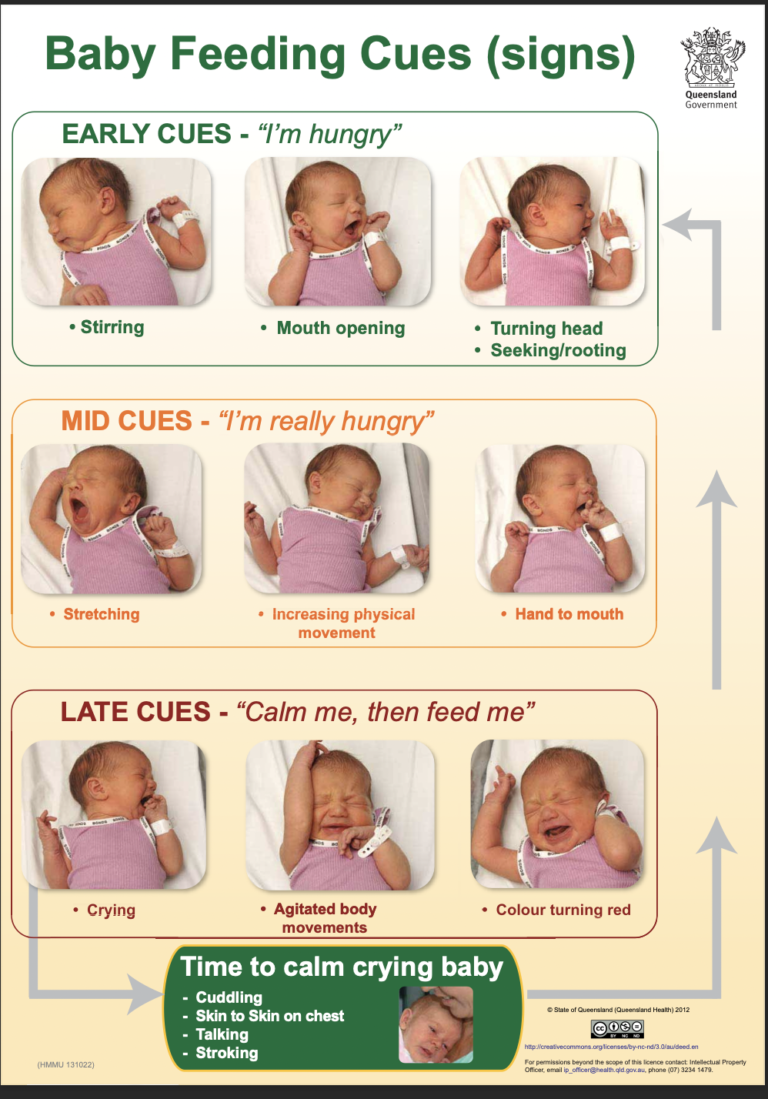
• Cry to signal hunger, discomfort, tiredness, or overstimulation
The newborn newborn-to-infant developmental transition often feels confusing at first because daily patterns change fast. One day, a baby may sleep after every feed. A few weeks later, the same baby may stay awake longer and look around the room.
Safe sleep remains essential during this stage. Place the baby on their back on a firm, flat sleep surface with no pillows, loose blankets, bumper pads, or stuffed toys. Room sharing without bed sharing is widely recommended by pediatric experts.

How Development Changes From 1 to 3 Months
Between one and three months, babies often become more alert and easier to engage. They may study a caregiver’s face, follow a moving object with their eyes, and make soft sounds besides crying.
Head control also begins to improve. During supervised tummy time, a baby may lift the head for short periods. Tummy time supports neck, shoulder, arm, and upper-body strength.
Parents may notice:
• Longer periods of quiet alertness
• More eye contact
• Smiles in response to people
• Cooing sounds
• Hands opening more often
• Better head movement
• Less frequent startle movements
• Interest in bright objects and human faces
The newborn newborn-to-infant developmental transition becomes especially visible when a baby starts smiling socially. This smile is more than a sweet moment. It shows growing attention, memory, and social connection.
Try short, frequent tummy-time sessions when the baby is awake and calm. A caregiver can lie face-to-face with the baby, place a rolled towel under the chest, or use a clean play mat. Stop if the baby becomes very upset, and try again later.

Changes From 4 to 6 Months
From four to six months, many babies gain stronger control of their heads and trunks. They may push up on their arms, roll from tummy to back, reach for toys, and bring objects to the mouth.
Babies also become more active social partners. They may laugh, squeal, respond to sounds, and recognize familiar people. Their attention span often grows, although it may still last only a few minutes.
The newborn newborn-to-infant developmental transition may include these signs:
• Rolling in one or both directions
• Reaching for nearby objects
• Holding a toy briefly
• Laughing or squealing
• Responding to their name or voice
• Looking at hands
• Exploring safe objects with the mouth
• Showing excitement through body movement
Not every baby rolls at the same time. Some babies roll early, while others focus first on sitting, reaching, or making sounds. What matters is steady progress and the use of both sides of the body.
Never leave a baby alone on a bed, couch, or changing table. Once rolling begins, falls can happen in seconds. This is also a good time to review home safety, including outlet covers, safe furniture, and small-object risks.

Changes From 7 to 12 Months
During the later part of the newborn newborn-to-infant developmental transition, babies often become more mobile and socially expressive. Some crawl, scoot, roll, pull up, or move while holding furniture. Others may not crawl at all and may use a different way to move.
Communication also grows quickly. Babies may babble with repeated sounds, use gestures, imitate actions, and understand simple words such as “no” or their name.
Common developments include:
• Sitting without support
• Moving from one position to another
• Picking up small items with the thumb and finger
• Passing objects from one hand to the other
• Babbling with changing sounds
• Waving or pointing
• Showing stranger anxiety
• Playing simple social games such as peekaboo
At this age, babies learn through repetition. They may drop a spoon again and again because they are studying cause and effect. They are not trying to make mealtime difficult; they are acting like tiny scientists.
Offer safe floor play, simple songs, books, and face-to-face talk. Avoid placing a baby in a walker. The American Academy of Pediatrics warns that wheeled baby walkers can cause falls and injuries and do not help babies learn to walk.

Feeding During the Newborn-to-Infant Transition
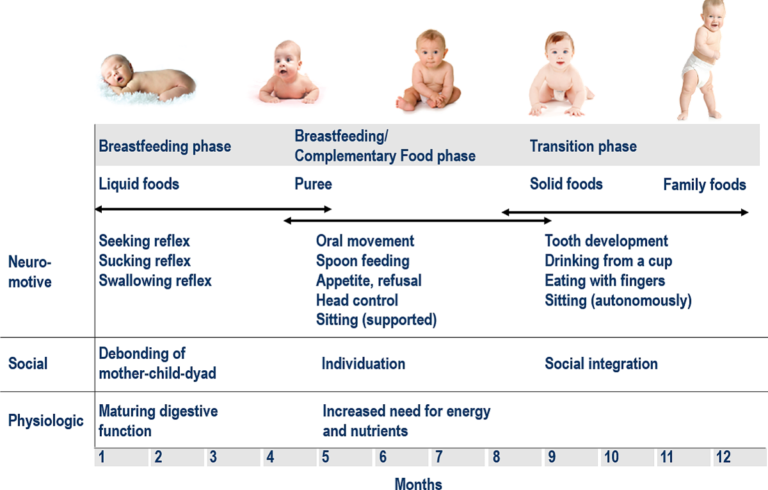
Feeding changes throughout the first year. Newborns usually need frequent breast milk or infant formula feeds. As they grow, they may take larger feeds and go longer between them, but patterns still vary.
Breast milk or iron-fortified infant formula remains the main source of nutrition during the first year. The CDC recommends introducing complementary foods at about six months when a baby shows readiness signs.
Readiness signs may include:
• Sitting with little support
• Good head and neck control
• Opening the mouth when food approaches
• Bringing objects to the mouth
• Swallowing food instead of pushing it out with the tongue
Start with soft, smooth foods and introduce common allergens in safe forms when developmentally ready. Ask a pediatrician about peanut, egg, or other allergy concerns, especially if the baby has severe eczema or a known food allergy.
Avoid honey before 12 months because of infant botulism risk. Avoid cow’s milk as the main drink before 12 months, choking hazards such as whole grapes and nuts, and foods high in added sugar or salt.

Sleep Patterns and Daily Rhythms
Sleep often changes during the newborn newborn-to-infant developmental transition. Newborns may sleep in short blocks because their stomachs are small and their day-night rhythm is still developing. By around three to six months, some babies begin sleeping for longer stretches, but night waking can still be normal.
Sleep needs vary by age and by child. A baby may sleep well for several nights and then wake more often during illness, teething, growth, travel, or a new motor skill.
Helpful habits include:
• Keep daytime light and activity bright
• Use a calm, dim routine before bed
• Offer consistent steps such as feeding, a clean diaper, and a short song
• Place the baby on their back for every sleep
• Keep the sleep space free of loose items
• Avoid smoke exposure
A predictable routine can help, but it cannot guarantee uninterrupted sleep. Parents should be cautious about products that promise to “fix” sleep or prevent normal waking. There is no safe shortcut that replaces responsive care and safe sleep practices.
Supporting Healthy Development at Home
The newborn newborn-to-infant developmental transition does not require expensive toys or special classes. Babies learn through warm, repeated interaction with trusted adults.
Try these simple activities:
- Talk during feeding, dressing, and diaper changes.
- Read board books with simple pictures.
- Copy the baby’s sounds and pause for a response.
- Provide supervised floor time every day.
- Offer safe objects with different shapes and textures.
- Sing songs with repeated words.
- Make eye contact and smile.
- Let the baby watch safe daily tasks from a secure place.
One practical lesson many parents learn is that overstimulation can look like fussiness. A baby may turn away, wave the arms, yawn, or cry after too much noise or activity. Lower the lights, reduce sound, and offer a quiet cuddle.
Caregivers should also care for themselves. A tired parent may need a safe break. Place the baby in a safe crib, step away for a few minutes, and ask a trusted adult for help when possible. Never shake a baby.
When to Speak With a Pediatrician
Development varies, but certain changes deserve prompt medical attention. Contact a health professional if a baby loses a skill they once had, seems unusually difficult to wake, feeds poorly, or does not respond to sounds or faces.
During the newborn newborn-to-infant developmental transition, discuss concerns such as:
• No social smile by about three months
• Poor head control by about four months
• No babbling or back-and-forth sounds by about six months
• No sitting with support by about nine months
• No gestures, such as pointing or waving, by about 12 months
• Strong preference for one side of the body
• Very stiff or very floppy muscles
• Limited eye contact or response to caregivers
These examples are not a diagnosis. They are reasons to seek professional guidance. Early screening can identify hearing, vision, motor, speech, or social concerns and may connect families with helpful services.
Parents should trust their observations. A pediatrician can review the baby’s medical history, birth age, feeding, sleep, and development together rather than judging one milestone alone.
Common Mistakes to Avoid
The newborn newborn-to-infant developmental transition can bring pressure from family, social media, and comparison with other babies. Comparing two babies too closely can create fear because development follows a wide range of healthy paths.
Try to avoid:
• Treating milestone dates as strict deadlines
• Using screens to replace face-to-face interaction
• Putting babies to sleep on their stomachs
• Leaving small objects within reach
• Pushing a baby into a sitting or standing position
• Ignoring caregiver exhaustion
• Delaying care when a skill is lost
• Believing every online developmental claim
Another common mistake is doing too much. Babies do not need constant entertainment. A few minutes of talking, floor play, or reading can be more useful than a room full of flashing toys.
The best support is steady, safe, and responsive. Think of development as building a strong path one small step at a time.
Frequently Asked Questions About the Newborn-to-Infant Developmental Transition
When does the newborn-to-infant developmental transition begin?
It begins from birth as the baby adjusts to life outside the womb. The most noticeable changes often occur during the first three months, but development continues throughout the first year.
What is the biggest change from newborn to infant?
The biggest change is the move from mostly reflexive behavior to intentional interaction. Babies gradually gain control over movement, respond socially, communicate with sounds, and explore their surroundings.
Do all babies follow the same developmental timeline?
No. Babies reach milestones at different times, and premature babies may follow an adjusted age. Steady progress matters more than matching another baby’s exact schedule.
How can parents support infant development?
Talk, read, sing, respond to sounds, provide supervised tummy time, and offer safe floor play. Warm, repeated interaction supports language, movement, learning, and emotional security.
When should parents worry about delayed development?
Speak with a pediatrician if a baby loses a skill, shows unusual muscle stiffness or floppiness, does not respond to sound, or misses several expected milestones. Early discussion is helpful even when the concern later proves harmless.
Is tummy time safe for newborns?
Yes, tummy time is safe when the baby is awake and directly supervised. Begin with short sessions and always place the baby on their back for sleep.
Conclusion
The newborn newborn-to-infant developmental transition is a fast, meaningful period of growth. Babies move from reflexes and short wake periods toward stronger movement, social smiles, communication, feeding skills, and active exploration.
Support this process with safe sleep, responsive care, tummy time, healthy feeding, simple play, and regular pediatric visits. Watch for progress without expecting every baby to follow the same path.
Trust your observations, ask questions early, and celebrate small steps. For more guidance, explore trusted child-development resources, discuss concerns with your pediatrician, and share your own parenting experience with other caregivers.