Safe newborn transportation protects breathing, warmth, security, and rapid access to skilled care.
Newborn transportation principles guide every move from a home to a hospital, between hospital units, or to a higher level of neonatal care. They combine careful assessment, thermal protection, safe positioning, trained staff, reliable equipment, clear communication, and a plan for sudden change. This guide explains the newborn transportation principles used in emergency, routine, and interfacility transport, with practical steps that help families and care teams make safer choices.

What are newborn transportation principles?
Newborn transportation principles are the basic safety rules used when moving a newborn by car, ambulance, helicopter, or specialized neonatal transport team. The goal is simple: keep the baby stable before, during, and after the trip.
A newborn has limited body reserves. A small drop in temperature, a blocked airway, low blood sugar, or a loose strap can become serious very quickly. For this reason, newborn transportation principles treat the trip as part of medical care, not as a simple ride.
These principles apply to:
• A healthy baby traveling home from the hospital
• A newborn going to a clinic or follow-up visit
• A sick or premature baby moving between hospitals
• A baby being transferred from a delivery room to a neonatal intensive care unit
• A newborn traveling during an emergency
The plan must match the baby’s condition. A healthy term newborn needs correct car seat use and temperature control. A premature or ill newborn may need an incubator, oxygen, a ventilator, intravenous fluids, and a specialized team.

Why newborn transport requires special care
Newborns are not small adults. Their lungs, immune systems, temperature controls, and blood sugar systems are still developing. Their neck muscles are weak, and their airways can become blocked by poor head position.
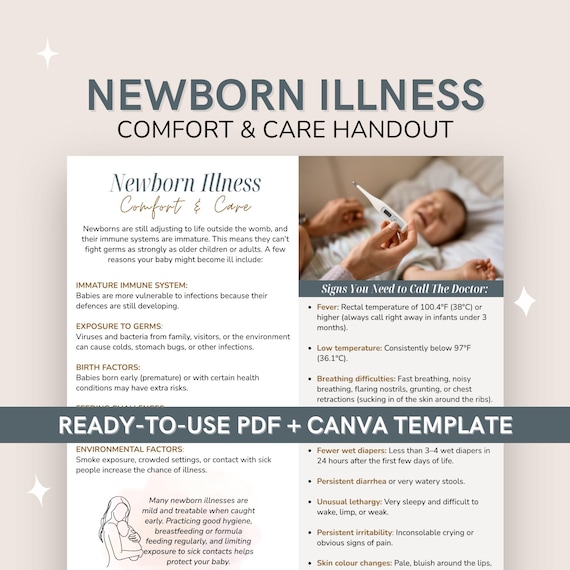
The main risks during transport include:
• Low body temperature, called hypothermia
• Breathing problems or low oxygen levels
• Low blood sugar
• Infection exposure
• Sudden changes in heart rate or blood pressure
• Poor positioning or airway blockage
• Movement-related injury
• Delays in treatment
• Equipment failure or poor communication
A newborn may look calm while becoming cold or tired. That is why trained staff use monitors and repeated checks instead of relying only on appearance.
In neonatal transport, the vehicle also matters. Road vibration, noise, poor lighting, traffic delays, and limited space can make care harder. Newborn transportation principles reduce these risks through preparation, secure equipment, and constant observation.
A useful way to think about transport is to picture a small mobile intensive care unit. Every part must work together, from the incubator and oxygen supply to the route plan and receiving hospital.

Core newborn transportation principles
The safest transport plan follows a clear order. First, stabilize the baby. Next, prepare the team and equipment. Then, move the baby while continuing assessment and care.
1. Stabilize before departure
Whenever possible, the care team should correct urgent problems before leaving. This may include:
• Clearing and supporting the airway
• providing oxygen or breathing support
• Treating low blood sugar
• Controlling bleeding
• Supporting blood pressure
• Starting needed fluids or medicines
• Securing lines, tubes, and monitors
• Checking body temperature
A newborn who is unstable may still need urgent transfer. In that case, the team should provide the best available stabilization while arranging transport without unsafe delay.
2. Protect the airway
The baby’s head should remain in a neutral position. The neck should not bend sharply forward, because this can narrow the airway. Soft bedding, loose blankets, pillows, and thick clothing can also cover the face or change the baby’s position.
For a medical transfer, trained professionals choose the correct airway equipment and support. Families should not attempt advanced airway care unless they have been trained to do so.
3. Maintain warmth
Newborns lose heat quickly because they have little body fat and a large skin surface compared with their size. Cold stress uses oxygen and energy, which can worsen breathing and blood sugar problems.
Common warming methods include:
• A preheated transport incubator
• A properly fitted hat when clinically appropriate
• Warm blankets that do not cover the face
• Skin protection and warm room temperature
• Plastic wrapping for some very premature infants, under clinical guidance
• Continuous temperature checks
The American Academy of Pediatrics recommends using a rear-facing car seat for routine newborn travel. The seat should be used as directed, but it should not replace medical warming equipment for a sick or premature infant.
4. Secure the baby and all equipment
The newborn must be secured according to the equipment manufacturer’s instructions. Medical lines, oxygen tubing, monitors, and pumps also need secure placement.
Before departure, the team should check:
• Baby straps
• Incubator locks
• Oxygen cylinders
• Battery power
• Intravenous lines
• Feeding tubes
• Ventilator connections
• Emergency supplies
A common mistake is to secure the baby but forget the equipment. A loose oxygen tube or disconnected line can create a crisis within seconds.
5. Monitor continuously
Monitoring should continue during loading, travel, unloading, and handoff. Depending on the baby’s condition, this may include:
• Heart rate
• Breathing rate
• Oxygen saturation
• Blood pressure
• Body temperature
• Blood glucose
• Skin color and activity
• Ventilator or oxygen settings
The transport team should record changes and respond early. Waiting for a major alarm is not enough. Small changes can show that the baby is tiring or becoming unstable.
Safe newborn transportation by car
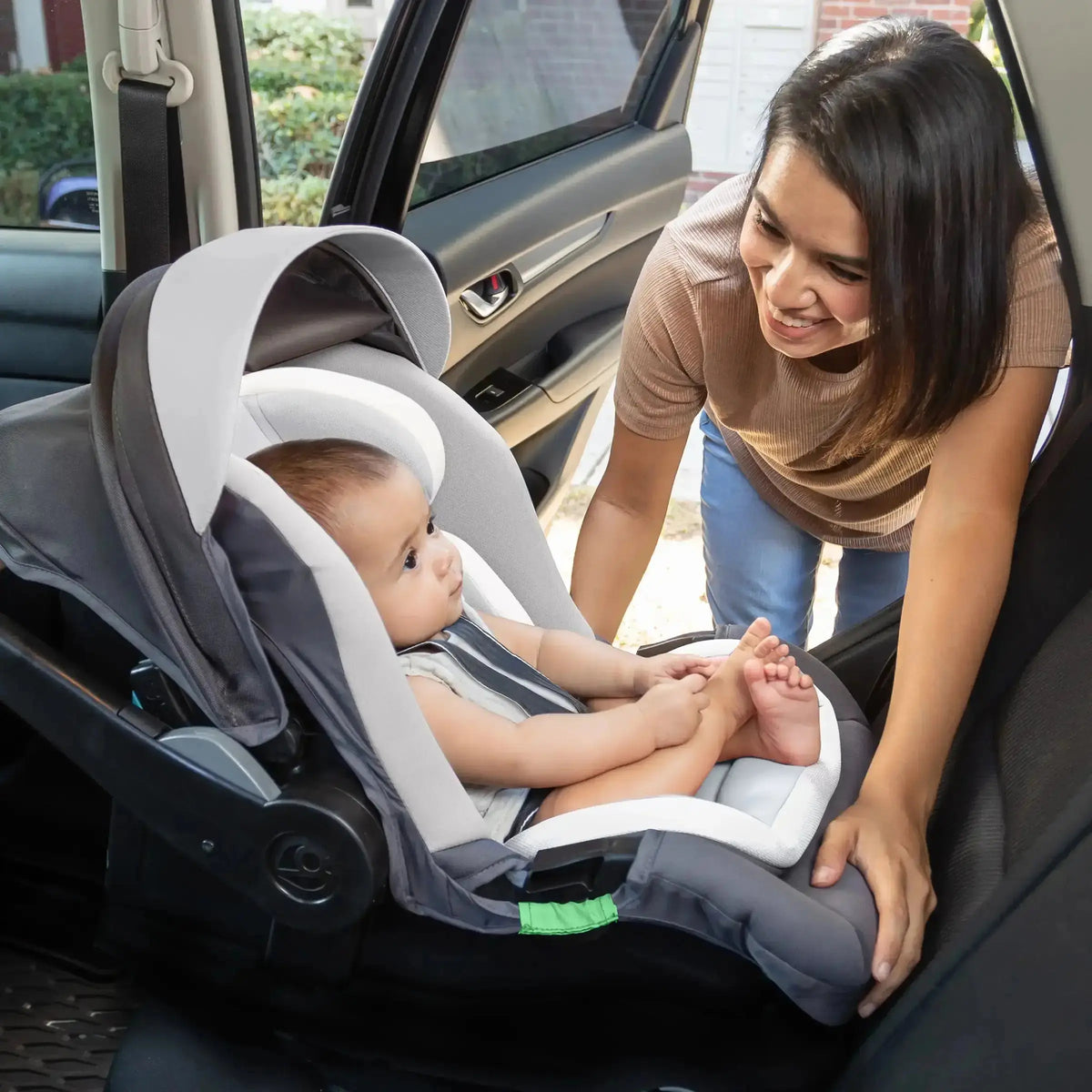
For most healthy newborns, the safest travel method is a properly installed rear-facing car seat in the back seat. The car seat should meet current federal safety standards and fit the baby’s size and weight.
Follow these steps:
- Read both the car seat manual and vehicle manual.
- Place the seat rear facing in the back seat.
- Use the correct recline angle.
- Tighten the harness so it lies flat and snug.
- Position the chest clip at armpit level, if the seat includes one.
- Remove bulky coats and blankets from under the harness.
- Place blankets over the secured harness if the baby needs more warmth.
- Check that the baby’s head does not fall forward.
- Do not add head supports or inserts unless they came with the seat or are approved by the manufacturer.
- Never place a rear-facing seat in front of an active air bag.
A newborn should not sleep for long periods in a car seat outside the vehicle. The seat is designed for travel, not routine sleep. Once the trip ends, move the baby to a firm, flat sleep surface.
Parents should also avoid holding a newborn in their arms during travel. Even a low-speed crash can throw the baby forward. An adult’s arms cannot provide the same protection as a correctly used car seat.
Car seat checks by certified technicians can help. They are especially useful for first-time parents, families using a borrowed seat, or anyone unsure about installation.
Hospital and neonatal transport planning
Medical transport requires more than a car seat. A neonatal transport team may include a nurse, respiratory therapist, paramedic, physician, or other trained professional. The exact team depends on the baby’s needs and local services.
A safe transfer plan should include:
• The reason for transfer
• The baby’s current condition
• The treatments already given
• The level of care needed at the destination
• The transport method
• The estimated travel time
• Weather and road conditions
• The receiving clinician’s acceptance
• Family contact information
• Backup plans for worsening symptoms
The sending and receiving teams should communicate directly. A written report should travel with the baby, and the receiving hospital should have space, staff, and equipment ready before arrival.
The transport team also considers the “golden hour” after birth. Early actions such as keeping the baby warm, supporting breathing, checking glucose, and starting needed treatment can influence later stability. A rushed transfer without preparation may create preventable problems.
Good newborn transportation principles also include family-centered care. Parents should receive a clear explanation of:
• Why the baby must move
• Where the baby is going
• Who will care for the baby
• What equipment will be used
• How parents can travel safely
• How they will receive updates
Simple, honest communication reduces fear. Parents should be told what is known, what is uncertain, and what the next decision will be.

Preparing a newborn for transport
Preparation begins with a transport checklist. Checklists are valuable because stress can make people forget basic steps.
Before departure, confirm:
• The baby’s identity
• The destination and receiving clinician
• Consent and required records
• Airway and breathing status
• Temperature
• Blood glucose when indicated
• Intravenous access when needed
• Medication doses and timing
• Secure tubes and lines
• Functioning monitors
• Enough oxygen and battery power
• Emergency equipment
• Weather and route conditions
• Family contact details
The team should also estimate how much oxygen, medication, and battery power will be needed. A safe plan includes extra supplies for delays.
Loading and unloading deserve special attention. Many avoidable problems happen during transitions, not during steady travel. The baby should remain attached to needed monitoring, and one person should lead the move while others check lines, tubes, and equipment.
A useful handoff follows a structured format. It should cover the baby’s age, birth history, current problem, vital signs, treatments, recent changes, and immediate concerns. Clear handoffs prevent lost information.

Choosing the right transport method
The transport method depends on distance, urgency, weather, geography, road access, and the baby’s medical needs.
Ground transport
Ground ambulance transport is often practical for short or moderate distances. It can provide medical equipment and trained staff while avoiding airport or landing delays.
However, road travel may face traffic, rough roads, and long distances. The team should plan for these limits.
Air transport
Helicopter or fixed-wing transport may help when the receiving hospital is far away or when time is critical. Air transport can reduce travel time, but it may involve noise, vibration, cabin pressure changes, weather limits, and complex logistics.
The medical team decides whether the expected benefit outweighs these risks. Air transport is not automatically safer simply because it is faster.
Family vehicle
A family vehicle is suitable only when the newborn is stable and does not need medical care during travel. A parent should not drive while holding the baby, watching the baby constantly, or responding to medical equipment.
If a newborn has blue lips, severe breathing trouble, repeated pauses in breathing, extreme limpness, seizures, uncontrolled bleeding, or unusual unresponsiveness, call emergency services. Do not attempt a routine car trip.
Common mistakes to avoid
Even careful adults can make errors when they are tired or frightened. Knowing common mistakes makes prevention easier.
• Using a forward-facing car seat for a newborn
• Placing a car seat in the front seat
• Using thick clothing under the harness
• Adding unapproved padding
• Letting the baby’s chin fall to the chest
• Covering the car seat with a thick blanket
• Leaving the newborn unattended in a vehicle
• Treating a car seat as a sleep space
• Moving a medically fragile baby without professional advice
• Failing to check oxygen or battery supplies
• Delaying a needed transfer while trying to solve every issue first
• Giving unclear or incomplete handoff information
One practical lesson from neonatal care is that “almost secure” is not secure enough. A strap, tube, or connection should be checked by touch and sight. Small details matter because transport offers little room for correction.
Another lesson is to keep instructions simple. In a stressful moment, families remember short steps better than long explanations: rear facing, back seat, snug harness, clear airway, warm baby, and call for help when needed.
Newborn transportation principles for parents
Parents are important members of the transport plan. You can ask direct questions and request help without feeling difficult.
Before routine travel, ask:
• Is my baby stable for this trip?
• What car seat position is safest?
• How should I keep my baby warm?
• Should I stop for feeding, and how often?
• What signs mean I should call for help?
• Where should we go if breathing changes?
For a hospital transfer, ask:
• Why is the transfer needed?
• Which hospital will receive my baby?
• Will a specialized neonatal team travel with the baby?
• How will I receive updates?
• Can I travel separately and safely?
• What records or medicines should I bring?
Parents should not loosen the harness to comfort a baby while the vehicle is moving. If the baby needs care, stop in a safe place before removing the baby from the seat.
For long trips, plan feeding, diaper changes, and rest stops. Never breastfeed or bottle-feed while the vehicle is moving. A second adult can help, but that adult must not hold the baby outside the car seat during travel.
Standards, evidence, and limits
Newborn transportation principles are supported by guidance from pediatric, emergency medical, neonatal, and transportation safety organizations. Recommendations may change as equipment, research, and local laws change.
The strongest general safety points are consistent:
• Use a rear-facing car seat for routine vehicle travel.
• Keep medically fragile newborns under appropriate professional care during transfer.
• Prevent heat loss.
• Support the airway and breathing.
• Secure the baby and all medical equipment.
• Monitor the baby throughout the trip.
• Use clear communication and structured handoffs.
No single checklist fits every newborn. A full-term healthy baby, a 28-week premature infant, and a baby with breathing failure have very different transport needs. Local emergency services and the baby’s medical team should guide decisions in urgent or complex cases.
This article provides general education. It cannot replace an examination, a certified car seat check, or instructions from a neonatal specialist. Equipment manuals and local regulations should always be followed.
Frequently asked questions about newborn transportation principles
What are the most important newborn transportation principles?
The main principles are stabilization, airway protection, warmth, secure positioning, continuous monitoring, trained care, and clear communication. The transport plan should match the baby’s age, size, health, and urgency.
What is the safest way to transport a healthy newborn in a car?
Use a properly installed rear-facing car seat in the back seat. Keep the harness snug, avoid thick clothing under the straps, and check that the baby’s head stays in a safe position.
How should a premature baby be transported?
A premature baby may need a specialized neonatal transport team and a transport incubator. The medical team may provide temperature control, oxygen, breathing support, monitoring, and intravenous treatment during the trip.
Can a newborn sleep in a car seat after arriving home?
A car seat is for travel, not routine sleep. Move the newborn to a firm, flat, separate sleep surface when you arrive, while following safe sleep guidance from your pediatric clinician.
When should parents call emergency services during newborn travel?
Call emergency services for severe breathing trouble, blue or gray skin, repeated pauses in breathing, seizures, extreme limpness, heavy bleeding, or a baby who cannot be awakened normally. Do not drive yourself if the baby may need urgent medical care during the trip.
Why is keeping a newborn warm so important during transport?
Newborns lose heat quickly, and cold stress can raise oxygen and energy needs. Maintaining a normal temperature supports breathing, blood sugar, and overall stability.
Should a parent hold a newborn during a car ride?
No. A newborn should be secured in an approved rear-facing car seat. Holding a baby is unsafe even during a short trip because sudden braking or a crash can cause severe injury.
Conclusion
Newborn transportation principles protect the baby at every stage of a journey. They focus on warmth, breathing, safe positioning, secure equipment, monitoring, careful planning, and strong communication.
For healthy newborns, the key action is correct rear-facing car seat use in the back seat. For premature or ill newborns, transport should be planned and managed by a trained medical team with the right equipment.
Use these principles as a safety guide, ask questions, and seek professional help when a newborn seems unstable. Share this article with another new parent, review your car seat instructions, and speak with your pediatric or neonatal care team before an important trip.