Newborn burping physiology helps release swallowed air as a baby’s immature digestive system learns to coordinate feeding and digestion.
Newborn burping physiology can seem mysterious at 2 a.m., especially when a baby squirms, fusses, or refuses to settle after a feed. The process involves swallowed air, stomach pressure, the lower esophageal sphincter, feeding position, and a newborn’s still-developing muscle control. Understanding these pieces helps parents burp gently, know when to stop, and recognize signs that need medical care.
What Is Newborn Burping Physiology?
Newborn burping physiology is the body process that moves swallowed air from the stomach back through the esophagus and out of the mouth. Babies may swallow air while crying, feeding, sucking, or changing from breast to bottle.
During a feed, milk travels down the esophagus into the stomach. Small amounts of air may enter at the same time. Air rises because it is lighter than liquid, so it often collects near the top of the stomach. A gentle upright position can help that air move toward the esophagus.
Newborn burping physiology is different from adult digestion in several ways:
• Newborns have small stomachs, so even a little air can create pressure.
• Their feeding muscles are still learning to work in a smooth pattern.
• The valve between the stomach and esophagus is immature.
• Babies spend much of their time lying down.
• Their neck and trunk muscles cannot yet help them change position.
The lower esophageal sphincter acts like a doorway between the stomach and esophagus. In young babies, this doorway may relax more easily. That is one reason air, milk, or both may come back up after feeding.
Burping does not remove all gas from a baby’s digestive tract. It mainly helps release air in the upper stomach. Gas that moves farther into the intestines must pass through the bowel later, either as a burp or as stool gas.

Why Do Newborns Swallow Air?
Newborn burping physiology begins with air intake. A baby may swallow air even when feeding well. The amount depends on the latch, bottle nipple flow, feeding position, sucking rhythm, and the baby’s level of calm.
Common causes of swallowed air include:
• A shallow breast latch
• A bottle nipple that flows too fast
• A bottle nipple that flows too slowly
• Crying before or during the feed
• Frequent pauses in sucking
• Turning the head while feeding
• Poor bottle angle
• A tired or very hungry baby
A baby who cries hard may swallow more air. This can create a loop: the baby feels pressure, cries, swallows more air, and then feels more pressure. Offering a feed before a baby becomes extremely upset may reduce this cycle.
Bottle-fed babies may swallow more air if the nipple is not filled with milk. Keeping the bottle tilted so milk covers the nipple can help. This does not mean holding the bottle straight up. A more level bottle position may support paced feeding and allow the baby to pause.
Breastfed babies can also swallow air. A strong milk ejection reflex, a fast letdown, breast fullness, or a shallow latch may cause clicking, gulping, coughing, or frequent breaks. These signs do not always mean a problem, but they may suggest that a feeding assessment would help.
Newborn burping physiology also explains why some babies burp often while others rarely burp. A quiet, well-latched baby may swallow very little air. Another baby may need several pauses because of a fast flow or weak coordination.
How Feeding Mechanics Affect Burping
Feeding mechanics have a direct effect on newborn burping physiology. A baby must coordinate sucking, swallowing, and breathing. This is a complex task, even when the feed looks peaceful.
During effective feeding, the baby creates suction, receives milk, pauses to breathe, and swallows. When this pattern becomes rushed or uneven, the baby may take in more air.
Signs of a smooth feeding pattern may include:
• Slow, regular sucking
• Soft swallowing sounds
• Relaxed hands and face
• Good color and breathing
• Few signs of stress
Signs that a baby may be taking in extra air include:
• Clicking during breastfeeding
• Coughing or choking during milk flow
• Pulling away often
• Gulping
• Milk leaking from the mouth
• Fussing soon after latching
• A swollen or tense belly after feeding
A lactation consultant, pediatric clinician, or feeding therapist can assess these signs. Parents should not assume that every clicking sound or spit-up episode means a serious problem. Context matters.
For bottle feeding, nipple flow is important. A fast nipple may overwhelm a newborn. A slow nipple may make the baby suck harder and tire more quickly. Neither choice is automatically best. The right flow is the one that allows calm feeding without coughing, leaking, or exhaustion.
Newborn burping physiology also changes as babies grow. A baby who needed frequent pauses at two weeks may feed more smoothly at two months. Development, feeding skill, and body control all influence the need to burp.

The Role of Position and Gravity
Position changes the pressure inside the stomach and helps air move. Upright holding uses gravity, but gravity alone does not force a burp. A baby may remain comfortable without producing one.
Useful positions include:
-
Hold the baby upright against your chest with the head supported.
-
Support the baby’s chin and chest while keeping the airway clear.
-
Place the baby across your lap, slightly upright, with one hand supporting the head.
-
Keep the baby’s back straight rather than tightly curled.
-
Rub or pat the back gently.
The word “gently” matters. A burp does not require hard tapping. Light cupping with the palm or slow upward rubbing may work better than forceful pats.
Avoid pressing the baby’s belly against your body or lap. Too much pressure may increase spit-up and discomfort. Never shake, bounce, or jostle a baby to produce a burp.
Hold the baby upright for a short period after feeding if the baby seems prone to spit-up. The American Academy of Pediatrics recommends placing babies on their backs on a firm, flat sleep surface for every sleep, even when reflux is present. Upright holding is for supervised awake time, not for sleep.
Newborn burping physiology explains why a burp may happen several minutes after a feed. Air can take time to collect and move upward. It also explains why some babies burp during a feed rather than after it.

When Should You Burp a Newborn?
There is no universal burping schedule. Some babies benefit from a pause during the feed. Others prefer to finish first. The best time depends on the baby’s feeding style and comfort.
For breastfeeding, you might try a brief burping pause:
• When switching breasts
• If the baby becomes restless
• If the baby pulls away and cries
• If swallowing becomes rushed
• When the feed ends
For bottle feeding, many babies benefit from a pause about halfway through the bottle and again at the end. This can also support paced feeding and reduce overfeeding.
A baby does not need to burp after every feed. If the baby is calm, breathing normally, and settling well, stopping after a short attempt is reasonable. Repeatedly patting for a long time can wake or upset the baby.
A practical routine is simple:
-
Feed the baby in a calm, supported position.
-
Pause when the baby shows stress or takes a natural break.
-
Hold the baby upright.
-
Use gentle pats or rubs for one to two minutes.
-
Stop if the baby remains comfortable.
One common caregiving mistake is treating a missing burp as proof that air is trapped. A burp may be silent, small, or unnecessary. Newborn burping physiology supports comfort, not a requirement to create a sound after every meal.

Safe Newborn Burping Techniques
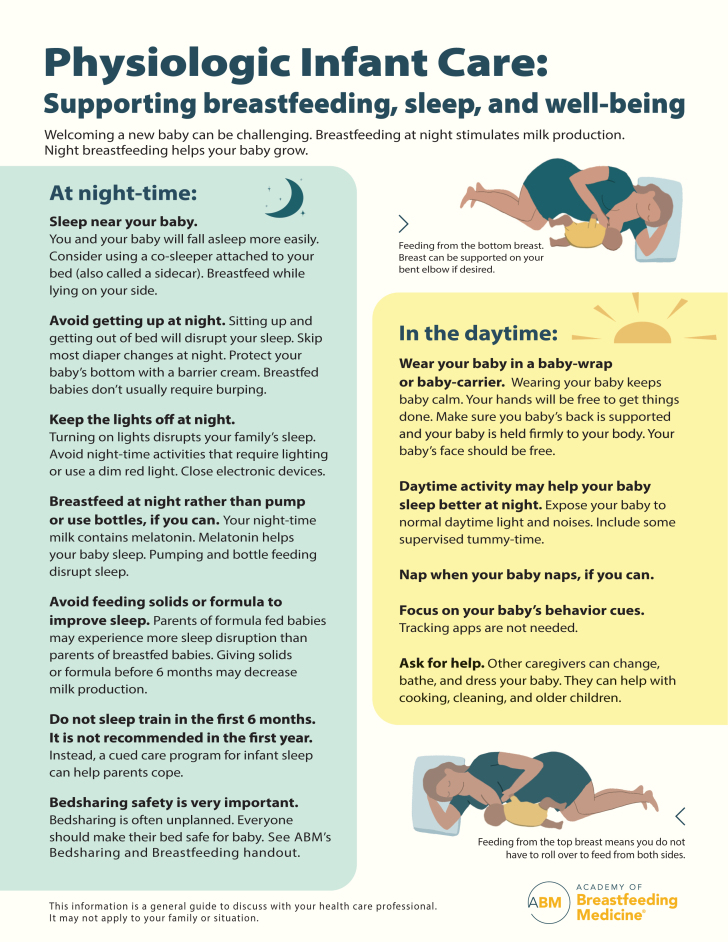
Safe burping focuses on airway support, gentle movement, and close observation. Always support a newborn’s head and neck. Keep the nose and mouth uncovered.
Over-the-shoulder method
Hold the baby upright against your chest. Rest the baby’s cheek near your shoulder, while one hand supports the bottom and the other supports the upper back.
Use a gentle cupped hand to pat or slowly rub the back. Do not press the baby’s face into your shoulder.
Sitting-on-the-lap method
Sit the baby on your lap with the baby facing to one side. Support the jaw and chest with your hand, without pressing on the throat.
Lean the baby slightly forward, keeping the back fairly straight. Rub the back slowly or use soft pats.
Across-the-lap method
Place the baby belly-down across your lap, with the head supported and slightly higher than the chest. Keep the airway open and use gentle back strokes.
This position should be used only while the baby is awake and supervised. It is not a sleep position.
Safety points to remember:
• Never shake or bounce a baby to release air.
• Do not force the baby into a deep forward bend.
• Do not press hard on the abdomen.
• Keep the baby’s airway open.
• Stop if the baby coughs, turns pale, struggles to breathe, or becomes very upset.
• Place the baby on the back for sleep after holding upright.
In newborn burping physiology, comfort is more important than sound. A soft, relaxed baby may not need more help, even when no burp appears.

Burping, Spit-Up, Reflux, and Gas
Burping and reflux are related but not identical. Burping releases air from the upper stomach. Reflux occurs when stomach contents flow back into the esophagus.
Many healthy newborns spit up small amounts. Their stomachs are small, their feeds are liquid, and the valve at the top of the stomach is still developing. Normal spit-up usually does not cause major distress and does not stop the baby from feeding or gaining weight.
Gas may also move into the intestines. This gas can cause temporary grunting, drawing up of the legs, or passing wind. These behaviors can look painful, but they are not always signs of illness.
Newborn burping physiology cannot explain every episode of crying. Hunger, tiredness, temperature, overstimulation, illness, and the need for contact can all cause fussiness.
Helpful steps include:
• Feed before the baby becomes very frantic.
• Check the latch or bottle seal.
• Use a suitable nipple flow.
• Offer short pauses during feeding.
• Keep clothing loose around the belly.
• Hold the baby upright while awake and supervised.
• Avoid overfeeding.
Do not add cereal, medicine, or thickener to a bottle unless a qualified clinician recommends it. Do not use gripe water or herbal products without medical advice. These products may have uncertain benefits and may carry risks for newborns.
Call a health care professional if spit-up is frequent and forceful, the baby is not gaining weight, feeding is painful, or the baby has breathing symptoms. Seek urgent care for green vomit, blood in vomit, severe swelling, unusual sleepiness, or signs of dehydration.
How to Tell if Burping Is Working
The goal of newborn burping physiology is not a dramatic burp. The goal is a comfortable baby with normal breathing and feeding behavior.
Signs that a baby may feel better include:
• Relaxed hands
• Less squirming
• A softer belly
• Calm eye contact
• Returning to feeding
• Settling after being held upright
Some babies pass gas instead of burping. That is normal. Air does not always leave through the mouth.
A baby who arches, cries, or turns red during burping may be tired, overstimulated, or uncomfortable with the position. Try a slower movement or a different hold. If the baby remains calm without burping, end the attempt.
A useful lesson for new caregivers is to watch the whole baby rather than focus on one sound. A single burp tells you little. Feeding quality, breathing, urine output, comfort, and growth offer more useful information.
Newborn burping physiology also has limits as a way to judge health. A baby can burp well and still have a feeding problem. A baby can rarely burp and remain completely healthy.
When to Contact a Pediatrician
Most burping concerns are mild, but some symptoms need professional review. Contact a pediatrician if your baby regularly:
• Chokes, coughs, or turns blue during feeds
• Refuses several feeds
• Vomits forcefully or repeatedly
• Has green or bloody vomit
• Has fewer wet diapers than expected
• Is difficult to wake
• Has a swollen or very tender belly
• Has poor weight gain
• Cries intensely for long periods with no clear cause
• Has fever, especially during the first three months of life
Breathing trouble, blue or gray skin, severe weakness, or unresponsiveness requires emergency help. Trust your judgment. Parents often notice subtle changes before a problem becomes obvious.
Health professionals may assess the latch, milk transfer, nipple flow, swallowing pattern, reflux symptoms, allergies, infection, or other causes. Newborn burping physiology is only one part of the larger feeding picture.
Medical advice should be individual. A premature baby, a baby with a heart or lung condition, or a baby with a known feeding disorder may need a tailored plan.
Evidence and Limits of Current Guidance
Pediatric guidance supports responsive feeding, safe sleep, airway protection, and gentle burping. However, research does not show that every healthy newborn must burp after every feed. Advice may differ because babies have different feeding patterns and medical needs.
The American Academy of Pediatrics emphasizes back sleeping on a firm, flat surface. The Centers for Disease Control and Prevention provides guidance on infant feeding and safe sleep. Pediatric reflux guidance also stresses that normal spit-up is common, while poor growth, breathing problems, or painful feeding need assessment.
Evidence is stronger for safe positioning and avoiding unsafe sleep practices than for one specific patting method. No technique can guarantee a burp. Parents should use gentle handling and stop when the baby is comfortable.
Newborn burping physiology is best understood as a normal body process, not a test that parents must pass. The aim is to support feeding and comfort without turning every pause into a medical problem.
Frequently Asked Questions About Newborn Burping Physiology
Do all newborns need to burp after feeding?
No. Some newborns swallow very little air and may not burp after a feed. If the baby is calm, breathing well, and feeding normally, a short burping attempt is usually enough.
How long should I try to burp my newborn?
Try for about one to two minutes, using a gentle hold and light pats or rubs. Stop sooner if the baby is comfortable, and do not keep trying forcefully.
Is it normal for a newborn to burp during feeding?
Yes. A baby may burp during a natural pause, while switching breasts, or halfway through a bottle. Burping during the feed can be helpful if the baby seems fussy or pulls away.
Does a lack of burping mean gas is trapped?
Not always. Air may pass into the intestines, leave later as gas, or never cause discomfort. The baby’s overall behavior matters more than whether a loud burp occurs.
Can I put my baby to sleep upright after burping?
No. After supervised upright holding, place the baby on the back on a firm, flat sleep surface. Do not use inclined sleepers, sofas, recliners, or car seats for routine sleep.
Why does my newborn spit up after burping?
Burping can bring a small amount of milk upward because the stomach is full and the valve above it is still immature. Small, effortless spit-up is common, but forceful, green, bloody, or repeated vomiting needs medical advice.
Is bottle feeding linked to more burping?
Some bottle-fed babies swallow more air, especially when the nipple flow or bottle angle is not a good match. Breastfed babies can also swallow air, so feeding technique matters more than the feeding method alone.
Conclusion
Newborn burping physiology involves swallowed air, stomach pressure, an immature esophageal valve, and developing feeding skills. Gentle upright holding may help, but every baby does not need to burp after every feed.
Watch the baby, not just the burp. Support the head and airway, avoid forceful handling, follow safe sleep guidance, and contact a pediatrician when vomiting, breathing problems, poor feeding, dehydration, or poor growth appear.
Try calm pauses, gentle back rubs, and responsive feeding at the next meal. For more newborn feeding guidance, explore trusted pediatric resources or share your questions with your baby’s health care team.