A newborn diapering and hygiene system keeps your baby clean, dry, comfortable, and safer from skin problems.
A newborn diapering and hygiene system is more than changing diapers. It is a calm, repeatable routine that includes clean hands, gentle wiping, safe diaper disposal, skin care, and simple checks for rashes or illness. This guide explains how to build that system with practical steps, expert-backed safety advice, and lessons that can make busy newborn days feel easier.
What Is a Newborn Diapering and Hygiene System?
A newborn diapering and hygiene system is a set of supplies, habits, and safety steps used to manage diaper changes and basic baby hygiene. It covers the full process, from preparing a clean space to washing your hands after the change.
Newborns often need 8 to 12 diaper changes each day. Their skin is thin and sensitive, and their immune systems are still developing. A steady newborn diapering and hygiene system helps lower contact with germs and reduces the chance of prolonged wetness, stool irritation, and avoidable mess.
Think of it as a small home station, not a complicated machine. When each item has a place and each step follows the same order, diaper changes become faster and less stressful.
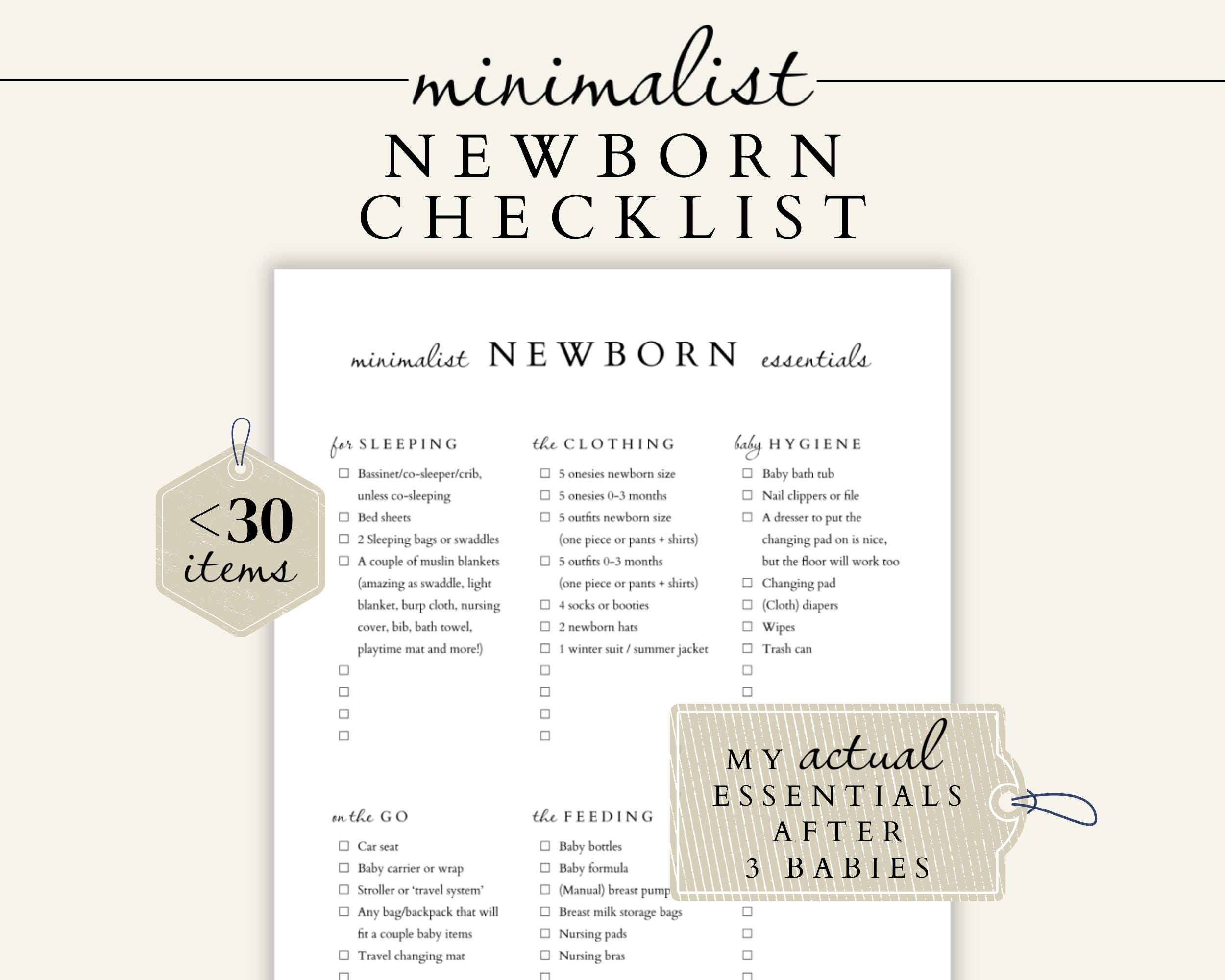
A complete system usually includes:
• Newborn-size disposable diapers or clean cloth diapers
• Unscented, alcohol-free wipes or soft cotton cloths
• Warm water for gentle cleaning
• A clean changing pad with a waterproof cover
• Diaper cream with zinc oxide, when needed
• A covered diaper pail or lined trash can
• Hand soap and clean towels
• Extra clothing, burp cloths, and a spare diaper
Why Newborn Diaper Hygiene Matters
Newborn diaper hygiene protects the skin barrier. The skin around the diaper area can become sore when it stays wet, rubs against a diaper, or touches stool for too long.
A wet diaper does not always need an instant change if your baby is sleeping and the diaper is only lightly wet. However, stool should be cleaned soon after it is noticed. Frequent changes are especially important during the first weeks, when newborn stools are loose and can spread across the skin.
Good hygiene also helps parents notice early signs of health concerns. Changes in urine color, stool pattern, skin condition, or diaper output may offer useful clues.
A newborn diapering and hygiene system can help you monitor:
• Urine output and wet diaper patterns
• Meconium, transitional stool, and regular breastfed or formula-fed stool
• Redness, bumps, peeling, or open skin
• Signs of diarrhea or constipation
• Possible dehydration
After the first several days, many newborns have about six or more wet diapers per day. Output can vary, so use your pediatrician’s advice as the main guide, especially if feeding or weight gain is a concern.
Essential Supplies for a Safe Diaper Station
A good diaper station should be clean, simple, and easy to reach. Place it where you can keep one hand on your baby at all times. Never leave a newborn alone on a raised changing table, even for a few seconds.
Keep these items within reach:
• Diapers: Choose a size that fits snugly without leaving deep marks. The diaper should cover the bottom but not press hard around the legs.
• Wipes: Pick fragrance-free, alcohol-free wipes made for sensitive skin. Cotton pads and warm water can be gentler during the first weeks.
• Barrier cream: Zinc oxide can protect sore skin from moisture. Use a thin layer unless a health professional gives different advice.
• Changing pad: Use a washable or wipeable pad. A waterproof liner makes cleaning easier.
• Hand-cleaning supplies: Keep soap, water, and a clean towel close by. Hand sanitizer can help when soap and water are not available, but it should stay out of your baby’s reach.
• Disposal supplies: Use a lined bin with a lid. Empty it often to control odor and germs.
• Backup items: Store a clean onesie, swaddle, burp cloth, and extra diaper nearby.
Avoid talcum powder. Fine powder can enter a baby’s lungs when inhaled. Scented lotions, strong soaps, and essential oils may also irritate newborn skin.
Step-by-Step Newborn Diapering Routine
A repeatable process makes newborn diaper changes safer. Wash your hands before you begin, then gather every item.
1. Prepare the clean area
Place your baby on a flat, stable changing surface. Keep one hand on your baby at all times when the surface is raised.
Open the clean diaper and place it under your baby before removing the dirty one. This can save time and protect the changing pad from urine or stool.
2. Remove the dirty diaper
Open the diaper and use the front to gently wipe away excess stool. For a baby girl, wipe from front to back. This helps keep stool away from the urinary opening.
For a baby boy, avoid pulling back the foreskin if he is uncircumcised. The foreskin usually separates naturally over time. Clean only the outside area.
3. Clean gently
Use a soft wipe or damp cotton cloth. Clean all skin folds, including the creases near the thighs and buttocks.
Do not scrub. Newborn skin is delicate, and rubbing can cause tiny breaks that make irritation worse. Pat the area dry or allow it to air dry for a few seconds.
4. Apply protection when needed
If the skin looks normal, you may not need cream at every change. If there is mild redness, apply a thin layer of zinc oxide or another pediatrician-approved barrier cream.
Avoid putting cream inside the vagina, urethral opening, or anus. For circumcision care, follow the instructions given by the baby’s health care professional.
5. Fasten the clean diaper
Slide the diaper under your baby. Bring the front up between the legs and fasten it without making it too tight.
Check that:
• You can place two fingers between the diaper and your baby’s waist
• The leg edges sit in the outer folds
• The umbilical cord is not rubbed by the diaper
• The diaper does not cover the cord stump
Many newborn diapers have a cutout for the umbilical cord. If yours does not, fold the front edge down.
6. Dispose of waste and wash your hands
Put the dirty diaper in a lined container. Place used wipes and cotton cloths in the proper waste or laundry container.
Wash your hands with soap and water for at least 20 seconds. This final step is a key part of a newborn diapering and hygiene system because germs can remain on your hands after the change.
Umbilical Cord and Newborn Hygiene
The umbilical cord stump usually dries and falls off on its own within the first few weeks. Keep it clean and dry unless your baby’s clinician gives other instructions.
Fold the diaper below the stump. This allows air to reach the area and prevents urine from soaking it. Use a clean cotton swab only if your health care professional recommends it.
Do not pull the stump off, cover it with a bandage, or apply alcohol, oil, powder, or herbal products without medical advice. In many cases, dry cord care is enough.
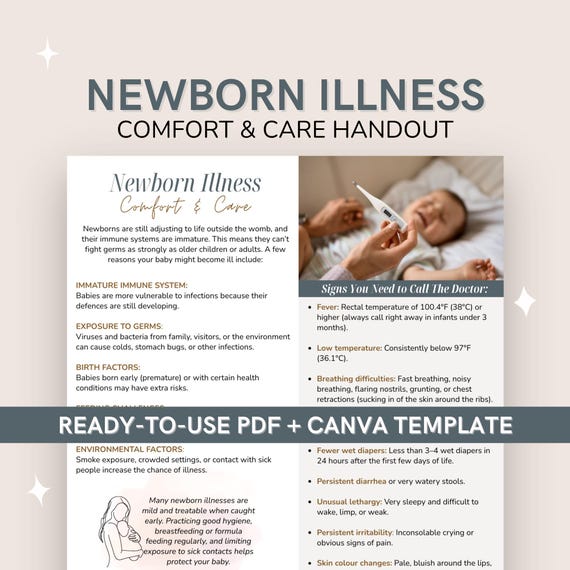
Call your baby’s health care professional if you notice:
• Redness spreading onto the skin around the cord
• Pus or foul-smelling drainage
• Continued bleeding
• Fever or unusual sleepiness
• The stump remains attached well beyond the expected period
A newborn diapering and hygiene system should include a quick cord check during each change. You do not need to touch the stump each time. A visual check is often enough.
Preventing and Treating Diaper Rash
Diaper rash is common, but prevention starts with reducing moisture and friction. Change diapers often, clean gently, and let the skin dry before fastening a new diaper.
Helpful habits include:
• Change stool-filled diapers promptly
• Use warm water and a soft cloth when wipes sting
• Avoid scrubbing the skin
• Apply a barrier cream to irritated areas
• Give short periods of diaper-free time on a washable surface
• Choose diapers that fit without rubbing
A mild rash often improves within a few days. If the rash becomes bright red, spreads into skin folds, forms small red spots, blisters, open sores, or does not improve, contact a pediatrician. Yeast rashes often affect skin folds and may need a specific treatment.
Do not use prescription creams, antifungal products, or antibiotic ointments unless a health professional advises you to do so. More product is not always better. Thick layers can make cleaning harder and may trap moisture if applied incorrectly.
One common mistake is changing products too often. A parent may try several wipes, creams, and diapers in one week. That can make it hard to know what caused irritation. When possible, keep the routine simple and change one product at a time.
Disposable Diapers and Cloth Diapers
Both disposable and cloth diapers can work well. The best choice depends on your budget, laundry access, time, environmental goals, and comfort.
Disposable diapers are convenient during travel, overnight care, and the early postpartum weeks. They can also make wetness easier to track. Choose a good fit and dispose of them in a closed, lined container.
Cloth diapers may reduce single-use waste, but they need regular washing and safe storage. Soiled diapers should be placed in a ventilated, washable wet bag or container. Follow the manufacturer’s washing instructions and use enough detergent to remove urine, stool, and bacteria.
Do not use plastic grocery bags as long-term diaper storage. Keep all bags, cords, diaper pail liners, and small parts away from your baby.
A practical newborn diapering and hygiene system can combine both types. For example, some families use cloth diapers at home and disposables for travel or overnight changes. There is no prize for choosing the hardest option. A system is useful only when your family can maintain it safely.
Newborn Bathing and Whole-Body Hygiene
Newborns do not need a daily full bath. Two or three baths each week may be enough, with gentle cleaning of the face, neck folds, hands, and diaper area as needed.
Until the umbilical cord falls off and the area heals, many families use sponge baths. Keep the room warm and prepare all supplies before undressing your baby.
Use these safety steps:
• Fill the bath with a small amount of warm water
• Test the water with your wrist or use a bath thermometer
• Support your baby’s head and neck
• Keep one hand on your baby at all times
• Use mild, fragrance-free cleanser only when needed
• Never leave your baby alone in water, even briefly
A baby can drown in only a small amount of water. If you must answer the door or phone, wrap your baby in a towel and take the baby with you.
Clean under the neck, behind the ears, and between the fingers. Milk and moisture can collect in these folds. Pat dry rather than rubbing.
Hygiene Safety Mistakes to Avoid
Most diapering problems come from rushed steps, poor setup, or products that are too harsh. A clear routine lowers these risks.
Avoid these common mistakes:
• Leaving a baby alone on a changing table
• Reusing a wipe that touched stool
• Wiping from back to front
• Pulling back an uncircumcised penis foreskin
• Applying powder that can become airborne
• Using scented products on irritated skin
• Covering a damp rash with a thick layer of cream
• Sharing creams or towels between babies
• Letting pets access the diaper station
• Keeping dirty diapers in an open container
Clean the changing pad often. If stool leaks onto the surface, remove visible waste first, then clean and disinfect according to the product label. Let the surface dry before using it again.
Also wash your hands after handling dirty laundry. If your baby has diarrhea or a suspected infection, ask your clinician whether extra cleaning steps are needed.
Newborn Diaper Output and Health Clues
Diapers can provide useful information about feeding and hydration, especially during the first month. In the first days, wet diaper counts often rise as milk intake increases.
Stool color also changes. Meconium is usually dark and sticky. Transitional stool may become greenish, then yellow or brown, depending on feeding. A sudden change may be harmless, but a pediatrician should assess unusual colors or patterns.
Contact a health professional promptly if your newborn has:
• Fewer wet diapers than expected
• Very dark urine or orange-red crystals after the early newborn period
• Blood in the stool
• White or chalky stool
• Repeated watery stools
• A swollen belly with vomiting
• Fever, poor feeding, or unusual weakness
A diaper cannot diagnose a medical condition. It is only one clue. When you are unsure, save a photo of an unusual diaper if appropriate and ask your baby’s clinician for guidance.
Making Diaper Changes Easier at Night
Night changes should be calm, dim, and brief. Use a soft night-light instead of bright overhead lights. Keep diapers, wipes, cream, and a clean onesie within reach.
Many parents change the diaper before or during a feed. If the diaper contains stool, change it right away. If it is only wet, you may be able to wait until the feed is finished, depending on your baby’s skin and sleep needs.
Never put a baby to sleep with loose wipes, creams, blankets, or diaper supplies. After the change, place your baby on the back in a separate, firm sleep space with no loose bedding.
A newborn diapering and hygiene system should support safe sleep, not interfere with it. The goal is a clean baby and a safe return to sleep.
A Simple Daily Diapering Checklist
Use this checklist to keep your newborn diapering and hygiene system consistent:
-
Wash your hands.
-
Prepare a clean diaper and supplies.
-
Place your baby on a safe, flat surface.
-
Keep one hand on your baby.
-
Clean from front to back.
-
Wipe all skin folds gently.
-
Pat the skin dry.
-
Apply a thin barrier layer if needed.
-
Fasten the diaper below the cord stump.
-
Dispose of waste safely.
-
Wash your hands again.
-
Note unusual rash, stool, urine, or behavior.
This routine may feel slow at first. After several days, it often becomes as familiar as making a cup of tea. Small habits matter because newborn care is built from many repeated moments.
Frequently Asked Questions About Newborn Diapering and Hygiene System
How often should I change a newborn’s diaper?
Change a newborn whenever the diaper is soiled and check wet diapers often. Many newborns need about 8 to 12 changes per day, though the exact number varies with feeding, age, and individual needs.
Should I use wipes on a newborn’s sensitive skin?
Yes, you can use fragrance-free, alcohol-free wipes made for sensitive skin. Warm water and soft cotton cloths may be a gentler option during the first days or when the skin is irritated.
How can I prevent diaper rash?
Change diapers often, clean gently, dry the skin, and use a thin barrier cream when redness appears. Seek medical advice if the rash spreads, affects skin folds, blisters, opens, or does not improve.
Is cloth diapering safe for newborns?
Cloth diapering can be safe when diapers are changed often, stored properly, and washed with an effective routine. Follow the diaper maker’s care instructions and keep soiled diapers away from children and pets.
Should I wake a sleeping newborn for a diaper change?
Change the diaper promptly if it contains stool or your baby has sensitive, irritated skin. For a diaper that is only wet, your pediatrician can help you decide based on your baby’s age, health, feeding, and skin condition.
How do I clean the umbilical cord area?
Keep the cord stump clean and dry, and fold the diaper below it. Do not pull it off or apply products unless your baby’s health care professional recommends them.
When should I call a pediatrician about diaper output?
Call if your newborn has fewer wet diapers than expected, very dark urine, blood or white stool, repeated watery stools, poor feeding, fever, or unusual sleepiness. A clinician can compare the diaper pattern with your baby’s age and feeding history.
Conclusion
A newborn diapering and hygiene system works best when it is clean, gentle, safe, and easy to repeat. Prepare supplies first, wash your hands, change stool-filled diapers quickly, protect the skin from moisture, and watch for changes in urine, stool, rash, and behavior.
Keep the routine simple. A reliable diaper station and a few calm habits can protect your baby’s skin and give you more confidence during long days and short nights. Set up your system today, review it with anyone who helps care for your baby, and consult your pediatrician whenever something looks unusual.