U.S. rules help keep newborn clothing safe by limiting hazards, chemicals, labeling gaps, and harmful production practices.
Newborn clothing sits close to delicate skin, so safety involves more than soft fabric and cute designs. Newborn clothing and environmental regulation covers product testing, chemical limits, fire safety, textile labels, waste, and the environmental effects of manufacturing. This guide explains the key U.S. rules, what labels mean, how to shop with care, and where regulation still has limits.

What Newborn Clothing and Environmental Regulation Means
Newborn clothing and environmental regulation refers to the laws, standards, and policies that shape how baby garments are made, sold, labeled, and discarded. These rules focus on both human health and environmental protection.
A baby’s skin can be sensitive, but skin contact is only one part of the issue. Clothing may also contain dyes, finishes, fasteners, prints, flame-resistant treatments, or metal parts. During production, factories may use water, energy, dyes, and chemicals that affect workers and local ecosystems.
In the United States, several agencies share responsibility:
• The Consumer Product Safety Commission, or CPSC, oversees product safety and recalls.
• The Federal Trade Commission, or FTC, regulates fiber content, care labels, country-of-origin labels, and other textile claims.
• The Environmental Protection Agency, or EPA, manages many chemical and pollution controls.
• State agencies may add rules on packaging, chemicals, recycling, or restricted substances.
The goal is not to make every garment perfect. The goal is to reduce known risks and give families useful information. That distinction matters because legal compliance does not always mean a product has the lowest environmental impact.
Why Newborn Clothing Needs Special Attention
Newborn garments are small, but they can involve large safety concerns. Babies spend much of the day sleeping, feeding, and resting in clothing. A shirt, sleeper, or hat may stay against the skin for many hours.
Newborn clothing also has features that need close review:
• Snaps and buttons can loosen and create a choking risk.
• Drawstrings and long cords can catch on furniture or equipment.
• Loose threads can wrap around tiny fingers or toes.
• Rough seams can cause skin irritation.
• Overheating can occur when layers are too thick or poorly suited to the room.
• Sleepwear may need to meet special flammability rules.
A practical lesson for new parents is simple: inspect each item before the first use. Pull gently on snaps, check seams, trim loose threads, and wash the garment according to its care label. This takes only a few minutes and can prevent avoidable problems.
Newborn clothing and environmental regulation also matters because babies grow quickly. A garment may be worn only a few times before it becomes too small. Buying fewer useful pieces, choosing durable items, and passing them to another family can reduce waste without reducing comfort.
U.S. Safety Rules for Newborn Clothing
Flammability requirements
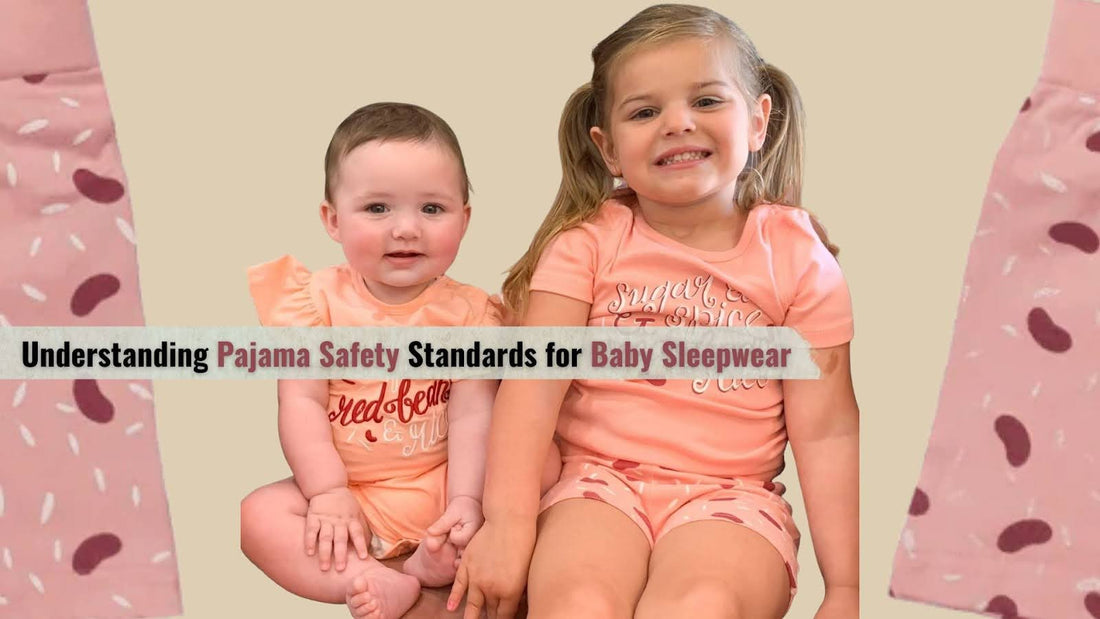
The CPSC applies flammability standards to many clothing products. General wearing apparel is tested under rules found in 16 CFR Part 1610. Children’s sleepwear may fall under stricter requirements in 16 CFR Parts 1615 and 1616.
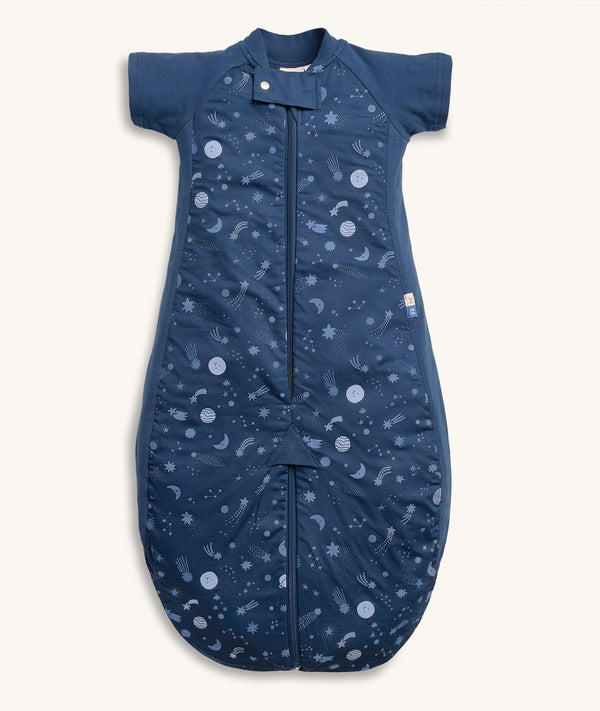
Tight-fitting children’s sleepwear can qualify for an exemption from some sleepwear flammability rules. However, the garment must meet the required design and labeling conditions. Loose pajamas and similar sleepwear may need testing or flame-resistant treatment.
Parents should not treat “organic,” “natural,” or “chemical-free” as proof of fire safety. Those words describe materials or marketing claims, not full compliance with U.S. safety law.
Small parts and choking hazards
Snaps, buttons, beads, decorative stones, and other small parts must be attached securely. Clothing made for young children must meet applicable small-parts safety requirements.
Check decorative items after washing. A snap that was secure on day one may weaken after repeated use. If a part comes loose, remove the garment from use until it is repaired or discarded.
Lead and phthalates
The Consumer Product Safety Improvement Act limits lead in children’s products and restricts certain phthalates in products designed for children. These limits may apply to printed designs, plastic parts, coatings, and accessories.
The rules do not mean every item is free of every chemical. They limit specific substances at set levels. This is an important difference when reading product claims.
Tracking labels
Children’s clothing generally needs a permanent tracking label. The label may include information such as the manufacturer, importer, production location, production date, and batch details.
Tracking information helps regulators identify affected products during a recall. Keep original tags when possible, especially for gifts and hand-me-downs.
Textile and care labels
The FTC requires most textile products to show fiber content, the identity of the responsible business, and the country of origin. Care instructions help families wash the garment safely and protect its useful life.
These rules support newborn clothing and environmental regulation by improving product transparency. A clear care label can also prevent shrinking, color bleeding, or damage that shortens the garment’s life.
Environmental Rules and Chemical Concerns
Environmental regulation often focuses on how textiles are made, treated, packaged, and discarded. The rules can apply to factory emissions, wastewater, chemical production, and waste handling.
Not every chemical used in textile production appears on a clothing label. A finished garment may contain dyes, softeners, water-repellent finishes, or printing chemicals. Most clothing is safe when made and sold under applicable rules, but regulation cannot test every possible use or every individual sensitivity.
Some concerns receive regular public attention:
• Azo dyes can break down into certain aromatic amines, so many markets restrict harmful forms.
• Formaldehyde may be used in some textile treatments, although levels and use conditions vary.
• PFAS chemicals have been used in some water, oil, and stain-resistant finishes. Rules are changing in some states and product categories.
• Heavy metals may occur in pigments, trims, or coatings if manufacturing controls fail.
• Microfibers can enter wastewater when synthetic clothing is washed.
The presence of a hazard in production does not automatically mean the final garment is dangerous. Exposure depends on the chemical, amount, route, and duration. Reliable testing and proper manufacturing controls are more useful than broad claims such as “all chemicals are bad.”
For families, a cautious approach works well. Wash new clothing before use, avoid strongly scented garments, and choose products from sellers that provide clear fiber and care information. If a baby develops a rash, stop using the suspected garment and ask a health professional for advice.
How Clothing Production Affects the Environment
Newborn clothing and environmental regulation must also address the full life cycle of a garment. This includes raw materials, spinning, dyeing, sewing, shipping, washing, and disposal.
Cotton can require substantial land and water. Conventional cotton may also involve pesticides, while organic cotton uses different farming standards. Polyester and nylon usually come from fossil-based materials, but they can be durable and may use less water during some production stages.
No fiber is perfect in every situation. A durable garment that is worn many times may have a lower impact than a fragile garment made from a preferred fiber but worn once.
Environmental impacts may include:
• Energy use during fiber and fabric production
• Water use and wastewater from dyeing
• Air pollution from manufacturing and transport
• Packaging waste
• Microfiber release during washing
• Landfill waste when garments are discarded
Regulation can limit pollution and require certain controls, but shoppers also influence outcomes. Buying fewer items, using secondhand clothing, and selecting durable designs can reduce demand for short-lived products.
A useful way to think about clothing is like a reusable cup. The environmental benefit grows when you use it many times. The same principle applies to a sleeper, onesie, or jacket that serves several babies.

Understanding Eco Labels and Certification Claims
Environmental labels can help, but they are not all equal. Some are backed by independent standards. Others are broad marketing language with little detail.
Common terms include:
• Organic cotton: This usually refers to certified farming practices. It does not automatically prove that the finished garment uses low-impact dyes or fair labor.
• GOTS: The Global Organic Textile Standard covers certified organic fibers and includes processing and social criteria. Look for a certification number or trustworthy supply-chain information.
• OEKO-TEX Standard 100: This tests finished textile products for certain harmful substances. It does not mean the garment is organic or pollution-free.
• Bluesign: This system focuses on chemical management and resource use within textile production.
• Recycled polyester: This identifies the source of some fiber. It does not guarantee that the item has a low total environmental impact.
• “Green,” “eco-friendly,” and “natural”: These terms can be vague unless the brand explains the specific claim.
When checking a label, ask three questions:
-
Who created the standard?
-
Is the product independently tested or certified?
-
Can the company explain the claim in clear terms?
The Federal Trade Commission’s environmental marketing guidance warns against broad, unqualified claims. A trustworthy brand should explain what the claim covers and what it does not cover.

How to Choose Safer, Lower-Impact Newborn Clothing
The best choices often come from simple habits rather than expensive products. Newborn clothing and environmental regulation can guide your decisions, but comfort, fit, durability, and proper care matter too.
Use this checklist before buying:
-
Check the fit
Choose clothing that allows movement without being loose around the neck, hands, or feet. -
Review the construction
Look for smooth seams, secure snaps, strong stitching, and no loose cords. -
Read the labels
Check fiber content, care instructions, country of origin, and manufacturer details. -
Consider sleepwear rules
Use sleepwear intended for babies and follow the product instructions. Avoid oversized garments for sleep. -
Wash before use
A first wash can remove dust, excess dye, and manufacturing residue. Use a mild, fragrance-free detergent if your baby has sensitive skin. -
Choose useful layers
Several simple layers can be more practical than one thick item. Adjust clothing to the room and the baby’s comfort. -
Buy a realistic amount
Babies outgrow newborn sizes fast. Buy enough for laundry cycles, but avoid filling drawers with clothes that may never be worn. -
Prefer durable designs
Reinforced seams, washable fabric, and adjustable features can extend the garment’s life. -
Consider secondhand clothing
Used clothing can lower demand for new production. Inspect it for wear, recalls, missing labels, loose parts, and damage. -
Keep receipts and product details
This makes returns and recall checks easier.
One mistake many families make is buying based only on softness. A very soft fabric may still have weak snaps, poor stitching, or care instructions that do not suit daily use. Comfort is important, but it should sit beside safety and durability.
Washing, Care, and Microfiber Reduction
Care affects both safety and environmental impact. Washing newborn clothing too often, using very hot water, or relying on harsh products can shorten fabric life.
Follow the care label, but consider these habits:
• Wash clothes before the first use.
• Use the lowest effective water temperature.
• Avoid excess detergent and fabric softener.
• Air-dry when practical.
• Wash full loads instead of small loads.
• Repair small holes before they grow.
• Use a laundry bag or microfiber filter for synthetic garments when available.
Cotton, polyester, nylon, and blended fabrics behave differently. High heat may shrink cotton or damage elastic. Some synthetic garments release tiny fibers during washing. Filters and laundry bags may reduce release, but they do not eliminate it.
Do not reuse clothing that has mold, severe damage, or contamination that cannot be safely removed. For ordinary outgrown clothing, donation, resale, clothing swaps, and textile recycling may keep items in use longer.
Regulation Limits Parents Should Understand
Newborn clothing and environmental regulation provides a safety floor, not a promise of zero risk. Regulations usually address known hazards and defined product categories. They may not cover every chemical, every supply-chain practice, or every environmental effect.
Several limits are worth noting:
• Compliance claims may cover one product line but not every item sold by a brand.
• Voluntary certifications may use different standards and testing methods.
• Rules can differ between the United States, Canada, the European Union, and other regions.
• State laws may be stricter than federal requirements.
• A “natural” fiber can still be dyed, finished, or processed with chemicals.
• A recycled fiber can still shed microfibers.
• A certified item can still be poorly designed or uncomfortable.
Parents should also watch for recalls. The CPSC maintains recall information for many children’s products. If a garment has missing labels, a loose part, or a known recall, stop using it until you confirm that it is safe.
Regulation is strongest when companies provide accurate records, regulators enforce the rules, and consumers report problems. If a product causes injury or has a serious safety issue, report it through the appropriate consumer safety channel.
What Brands Can Do Better
Responsible brands should treat environmental compliance as part of product design, not as a last-minute marketing task.
Good practices include:
• Testing fabric, prints, snaps, and other components
• Keeping reliable supplier and batch records
• Using safer chemical management systems
• Reducing unnecessary packaging
• Designing garments for repair and reuse
• Providing clear fiber and care information
• Avoiding vague environmental claims
• Publishing recall and customer support information
Brands can also use life-cycle thinking. For example, a durable cotton sleeper may be a better choice than a thin garment that loses its shape after a few washes. A simple design with fewer trims may be easier to repair, wash, donate, and reuse.
Parents cannot inspect a factory on their own. Clear labels, independent certifications, and transparent company policies help close that information gap.
Frequently Asked Questions About Newborn Clothing and Environmental Regulation
Does newborn clothing need to meet U.S. safety rules?
Yes. Clothing sold in the United States may need to meet rules for flammability, small parts, lead, phthalates, labeling, and tracking information. The exact requirements depend on the garment’s design, size, materials, and intended use.
Is organic newborn clothing safer than regular clothing?
Organic clothing may follow specific farming standards, but “organic” alone does not prove overall safety or low environmental impact. Check for recognized certification, secure construction, clear labels, and proper care information.
Should I wash newborn clothes before my baby wears them?
Yes. Washing can remove dust, excess dye, and residue from handling or production. Use the care label and consider fragrance-free detergent if your baby has sensitive skin.
Are flame-resistant baby pajamas dangerous?
Flame-resistant sleepwear that meets applicable safety rules is designed to reduce burn risk. Do not remove or alter the fabric, and follow the garment’s sleepwear and care instructions.
Can I use secondhand newborn clothing?
Yes, if the clothing is clean, intact, and free from loose parts or serious wear. Check for product recalls, missing labels, damaged elastic, and unsafe cords before use.
What does OEKO-TEX mean on baby clothing?
OEKO-TEX Standard 100 indicates that the finished textile was tested for certain harmful substances under that standard. It does not mean the garment is organic, free from every chemical, or produced with no environmental impact.
How can I reduce the environmental impact of newborn clothing?
Buy fewer useful pieces, wash them efficiently, repair them, and pass them on when they are outgrown. Durable garments and secondhand clothing can reduce waste and extend the life of materials.
Conclusion
Newborn clothing and environmental regulation connects baby comfort, product safety, chemical control, labeling, and environmental responsibility. U.S. rules address major risks, but families still need to inspect garments, read labels, wash clothing before use, and check recall information.
The most practical approach is simple: choose well-made clothing, avoid vague claims, buy only what you need, and keep useful garments in circulation. Apply this checklist during your next shopping trip, and explore trusted safety and certification resources before making a purchase.