Most babies move to fewer naps as they grow, stay awake longer, and need more sleep at night.
The baby transition from multiple naps to fewer naps can feel confusing, even when your baby is ready. A well-timed change can protect nighttime sleep, reduce overtiredness, and make the day easier for everyone. This guide explains the signs, timing, steps, common mistakes, and safe sleep practices that support a smooth nap transition.
What the baby transition from multiple naps to fewer naps means
The baby transition from multiple naps to fewer naps is a normal change in sleep needs. Young babies often sleep several times during the day because they can stay awake for only a short period. As their brains and bodies mature, they can manage longer periods of wakefulness.
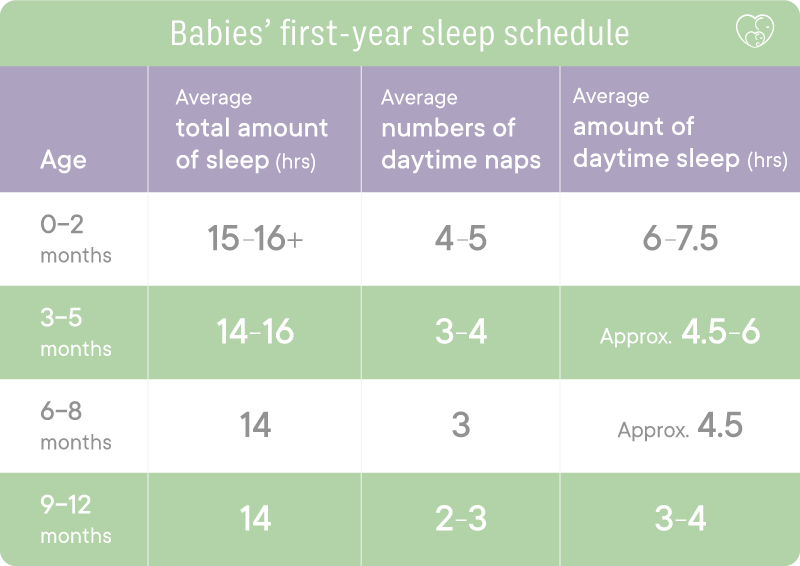
A baby may slowly move from four naps to three, then from three naps to two. Later, most children move from two naps to one. These changes do not happen on one exact schedule. Your baby’s age, temperament, sleep quality, health, and daily routine all play a role.
A nap transition does not mean your baby suddenly needs much less sleep. It usually means your baby is taking that sleep in larger blocks. Think of it as packing the same amount of clothing into fewer bags.
Common nap changes include:
• Four naps to three naps at about 4 to 6 months
• Three naps to two naps at about 6 to 9 months
• Two naps to one nap at about 12 to 18 months
• One nap to no regular nap, often between 3 and 5 years
These are broad ranges, not rules. The American Academy of Sleep Medicine recommends that infants ages 4 to 12 months receive 12 to 16 hours of total sleep in 24 hours, including naps. Toddlers ages 1 to 2 years generally need 11 to 14 hours, including naps.

Signs your baby is ready for fewer naps
The baby transition from multiple naps to fewer naps should begin with patterns, not one difficult day. Babies often resist a nap because of hunger, discomfort, illness, noise, or a new skill. Look for signs that continue for at least several days.
Your baby may be ready when:
• A regular nap becomes hard to start.
• Your baby plays or babbles through the usual nap time.
• A nap takes a long time to begin, even with a calm routine.
• The last nap pushes bedtime too late.
• Your baby sleeps well at night but takes longer naps during the day.
• One nap becomes very short for several days in a row.
• Your baby can stay happy and alert longer between naps.
• The current schedule causes bedtime battles.
One sign alone is not enough. A short nap may happen after a busy day. A missed nap may happen during teething or a cold. Look at the full pattern for about one to two weeks.
It also helps to track sleep without becoming obsessed with the clock. Write down when your baby wakes, naps, eats, and goes to bed. This simple record can show whether the problem is a true nap transition or a temporary disruption.
Signs your baby may not be ready
Some babies seem ready for fewer naps but become very tired when the nap is removed. Watch for:
• Frequent crying late in the day
• Short naps that do not restore mood
• More night waking
• Very early morning waking
• Falling asleep during feeds or car rides
• A sudden increase in clinginess
• A bedtime that becomes harder each night
These signs often point to overtiredness. During the baby transition from multiple naps to fewer naps, an overtired baby may look energetic for a short time. This “second wind” can hide the need for sleep.

Typical baby nap schedules by age
There is no perfect baby nap schedule. A flexible pattern works better than a strict plan because babies do not wake at the same time every day.
Around 4 to 6 months
Many babies take three or four naps. Wake windows often range from about 1.5 to 2.5 hours, though individual needs vary.
A sample day may look like this:
• 7:00 a.m.: Wake
• 8:45 a.m.: First nap
• 11:30 a.m.: Second nap
• 2:30 p.m.: Third nap
• 4:45 p.m.: Short late nap, if needed
• 7:00 p.m.: Bedtime
The late nap may be brief. It often acts as a bridge to bedtime.
Around 6 to 9 months
Many babies move toward two or three naps. Wake windows may stretch to about 2 to 3.5 hours.
A sample two-nap schedule may include:
• 7:00 a.m.: Wake
• 9:30 a.m.: Morning nap
• 1:30 p.m.: Afternoon nap
• 7:00 p.m.: Bedtime
Some babies still need a short third nap during this stage. That is normal.
Around 12 to 18 months
Many toddlers move from two naps to one. Wake periods may last about 4 to 6 hours.
A sample one-nap schedule may include:
• 7:00 a.m.: Wake
• 12:00 p.m.: Lunch
• 12:30 p.m.: Afternoon nap
• 7:30 p.m.: Bedtime
This transition can take weeks. Some children need a morning nap on busy days and one midday nap on other days.

How to manage the baby transition from multiple naps to fewer naps
A gradual plan is usually easier than removing a nap overnight. The goal is to shift sleep without creating a large sleep debt.
1. Check the reason for the nap problem
Before changing the schedule, consider common causes:
• Your baby is teething.
• Your baby has a cold or reflux symptoms.
• The room is too bright or noisy.
• The nap routine is too stimulating.
• Your baby is hungry.
• A new motor skill is affecting sleep.
• The current wake window is too short or too long.
If your baby is ill, wait until recovery before making a major schedule change. Speak with your child’s health care professional about persistent breathing problems, pain, feeding concerns, or unusual sleepiness.
2. Stretch wake time slowly
Move the next nap by 10 to 15 minutes every few days. This gives your baby time to adjust without a sudden jump.
For example, if the first nap starts at 9:00 a.m., try 9:15 a.m. for several days. Then move it to 9:30 a.m. Stop or slow down if your baby becomes very upset or begins sleeping poorly at night.
3. Protect the first nap
The first nap is often the easiest nap to keep stable. When moving from three naps to two, keep the morning nap at a reliable time and slowly move the second nap later.
A stable first nap can act like an anchor. It gives the day a clear rhythm while the rest of the schedule changes.
4. Shorten the last nap before removing it
If your baby needs a late catnap, limit it to about 10 to 20 minutes. A short nap can prevent overtiredness without taking away too much sleep pressure at bedtime.
Once your baby handles the day well, remove the short nap. Move bedtime earlier for a while if needed.
5. Use an earlier bedtime
An earlier bedtime is one of the best tools during the baby transition from multiple naps to fewer naps. If your baby skips a nap, bedtime may need to move 30 to 60 minutes earlier.
An early bedtime does not always cause early waking. In many cases, it prevents the overtiredness that can lead to restless nights and early morning wake-ups.
6. Keep the routine predictable
Use the same short wind-down before naps. You might dim the room, change the diaper, read a short book, and sing a quiet song.
A routine works like a road sign. It tells your baby that sleep is coming, even when the exact time changes.

How to transition from three naps to two naps
The move from three naps to two often happens between 6 and 9 months. It can be one of the more noticeable schedule changes because the late nap may interfere with bedtime.
Start by lengthening the first two wake periods. Keep the third nap as a short rescue nap when needed.
For example:
-
Keep the morning nap near the usual time.
-
Move the second nap later by 10 to 15 minutes every few days.
-
Offer a short third nap only if your baby cannot reach bedtime comfortably.
-
Remove the third nap when your baby manages the longer day several times.
-
Offer an earlier bedtime during the adjustment.
A baby who takes two solid naps may sleep better than a baby who takes three scattered naps. Still, do not force the change based only on age. If your baby becomes overtired each day, return to the third nap for a short time and try again later.
The baby transition from multiple naps to fewer naps may move forward and backward. That does not mean you have failed. It means your baby’s sleep needs are still changing.

How to transition from two naps to one nap
The move from two naps to one usually occurs between 12 and 18 months. Some toddlers are ready closer to 15 months, while others need two naps until 18 months or longer.
The most common sign is resistance to either the morning or afternoon nap. Many toddlers resist the morning nap first and then sleep well after lunch.
A gradual plan may look like this:
• Move the morning nap later by 15 minutes every few days.
• Offer lunch before the new midday nap.
• Aim for a nap near 12:00 or 12:30 p.m.
• Use an earlier bedtime while the nap becomes longer.
• Offer quiet time even if your toddler does not sleep.
A toddler may sleep only 60 to 90 minutes at first. That can be normal. The nap may lengthen as the body adjusts to one longer sleep period.
Avoid pushing the nap too late. A nap that starts at 2:00 p.m. may delay bedtime and create a cycle of late nights. Most toddlers do best when the single nap ends by midafternoon.
Common mistakes during a nap transition
The baby transition from multiple naps to fewer naps can become harder when parents make several changes at once. Small, steady steps are usually more effective.
Dropping a nap too soon
If your baby is not ready, removing a nap can create overtiredness. Try a temporary bridge nap instead of forcing a full change.
Following the clock too strictly
A schedule is a guide, not a test. A baby who woke early may need a nap sooner. A baby who slept late may need a later nap.
Letting every nap happen on the go
Car naps can help on busy days, but frequent short naps may prevent your baby from getting restorative sleep. Aim for at least one calm nap at home when possible.
Cutting naps to improve nighttime sleep
This often has the opposite effect. Too little daytime sleep can increase stress hormones and make bedtime more difficult.
Changing bedtime too late
During a nap transition, many babies need an earlier bedtime. Waiting until your usual bedtime may leave your baby exhausted.
Comparing babies
Two healthy babies of the same age may have very different sleep patterns. Compare your baby with their own mood, sleep quality, and development.

Safe sleep during nap changes
A nap transition should never reduce safe sleep standards. The American Academy of Pediatrics recommends placing babies on their backs for every sleep, using a firm, flat sleep surface, and keeping the sleep space free of loose blankets, pillows, bumpers, and soft toys.
Keep these habits in place:
• Place your baby on their back for naps and nighttime sleep.
• Use a crib, bassinet, or play yard that meets current safety standards.
• Keep the sleep surface firm and flat.
• Share a room, but not a bed, when possible.
• Avoid smoke and nicotine exposure.
• Do not use weighted sleep products unless advised by a qualified medical professional.
• Move a sleeping baby from a car seat, swing, or stroller to a safe sleep surface when practical.
Always follow current guidance from your pediatrician and trusted public health organizations. Safe sleep advice can change as new evidence becomes available.

A practical seven-day nap transition plan
A gentle plan can help you test whether your baby is ready. Adjust it based on your baby’s age and response.
Days 1 and 2
Keep the usual naps, but move the first nap 10 minutes later. Watch mood, feeding, and nighttime sleep.
Days 3 and 4
Move the second nap 10 to 15 minutes later. Keep a short late nap if your baby needs it.
Days 5 and 6
Make the late nap shorter. Offer an earlier bedtime if your baby becomes tired before the usual time.
Day 7
Review the week. Ask:
• Did your baby stay mostly content?
• Did the naps become longer or more restful?
• Did nighttime sleep remain stable?
• Was bedtime manageable?
If the answers are mostly yes, continue the new rhythm. If not, return to the earlier schedule for several days and try again later.
The baby transition from multiple naps to fewer naps is not a race. A slower change often creates better sleep than a sudden one.

When to ask a pediatrician for help
Most nap changes are normal. However, seek medical advice if your baby snores often, pauses during breathing, gasps, has trouble feeding, or seems unusually tired when awake.
Also talk with a health care professional if sleep problems continue for several weeks or affect growth, mood, feeding, or family safety. A pediatrician can help rule out illness, pain, breathing concerns, or other medical causes.
Sleep training advice found online is not a substitute for medical care. A qualified professional can help you create a plan that fits your baby’s health and development.
Frequently Asked Questions About the Baby Transition From Multiple Naps to Fewer Naps
What age do babies drop from three naps to two?
Many babies move from three naps to two between 6 and 9 months. The right time depends on consistent signs of readiness, not age alone.
How do I know if my baby is ready to drop a nap?
Look for repeated nap resistance, longer happy wake periods, and a late nap that delays bedtime. If your baby becomes very upset or wakes more at night, the transition may be too early.
Should I wake my baby from a nap during a transition?
Sometimes, yes. A very long late nap can reduce bedtime sleep pressure, so gently waking your baby may help. Ask your pediatrician for advice if your baby is very young, ill, or has feeding or growth concerns.
Can dropping a nap cause night waking?
It can if the change creates overtiredness or removes too much total sleep. A slower transition and an earlier bedtime can reduce this risk.
How long does the baby transition from multiple naps to fewer naps take?
Some babies adjust in one to two weeks, while others need several weeks. It is normal to use a flexible schedule with occasional extra naps during the adjustment.
What should I do if my baby refuses the new nap?
Keep the room calm and offer a short rest period. If your baby does not sleep, use an earlier bedtime and try the new nap time again the next day.
Is a short catnap helpful during nap transitions?
Yes, a 10 to 20 minute catnap can help prevent overtiredness. Keep it early enough that it does not make bedtime too late.
Conclusion
The baby transition from multiple naps to fewer naps is a normal part of infant and toddler development. Watch for steady signs of readiness, change the schedule in small steps, protect total sleep, and use an earlier bedtime when needed.
Your baby does not need a perfect schedule. They need a safe, calm rhythm that can adjust as their needs change. Track patterns for a few days, trust what you observe, and speak with your pediatrician when concerns continue. Share your experience or explore more evidence-based baby sleep resources to find the approach that fits your family.