Most babies need 12 to 17 hours of sleep a day, depending on age and stage.
If you have ever stared at a sleepy baby and wondered whether they are sleeping enough, you are not alone. I have spent years helping parents make sense of baby sleep patterns, and one thing is always true: the right amount of sleep changes fast in the first year. In this guide, I’ll walk you through how many hours should a baby sleep, what is normal by age, and how to spot sleep problems before they grow.

How many hours should a baby sleep by age?
The answer depends on your baby’s age, because sleep needs shift quickly as babies grow. Newborns sleep the most, while older babies slowly begin to stay awake for longer stretches during the day.
Here is a simple age-based guide:
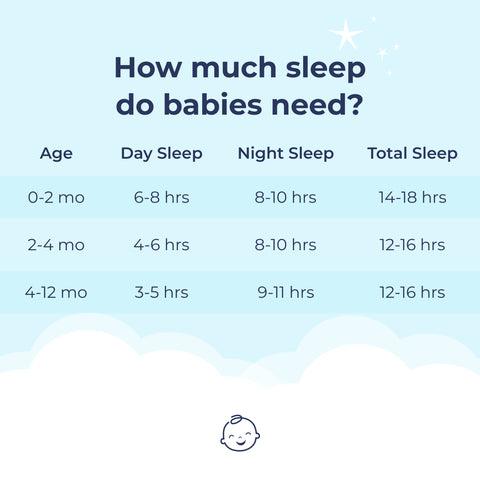
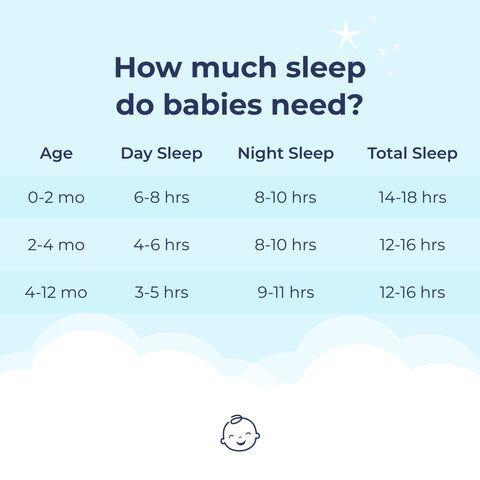
- Newborns 0 to 3 months: 14 to 17 hours a day
- Infants 4 to 11 months: 12 to 15 hours a day
- Babies 12 months and older: 11 to 14 hours a day
These totals include both nighttime sleep and naps. If your baby is within these ranges and seems alert, feeds well, and grows normally, that is usually a good sign.

What normal baby sleep looks like in real life
Sleep for babies is not neat or perfect. It comes in pieces, with short naps, night wakings, and feeding breaks mixed in.
From my experience, many parents think their baby should sleep for one long block at night very early. That is rarely the case. A healthy baby may wake often in the first months because their stomach is small and their sleep cycles are short.
A normal sleep pattern may include:
- Several naps during the day
- Waking every 2 to 4 hours in the newborn stage
- Longer sleep stretches at night as the baby gets older
- Changes during growth spurts, teething, or illness
Think of baby sleep like learning to ride a bike. It takes time, balance, and practice.
Sleep needs by age group
Newborns 0 to 3 months
Newborns often sleep 14 to 17 hours a day, but not all at once. Their sleep is split into short periods of 2 to 4 hours.
At this stage, feeding usually drives the schedule. Many newborns need to wake for milk, and that is normal. If a newborn sleeps too long without feeding, your pediatrician may want you to check in, especially if weight gain is a concern.
Babies 4 to 6 months
By 4 to 6 months, many babies sleep 12 to 16 hours a day. Some can sleep longer at night, and naps often become more predictable.
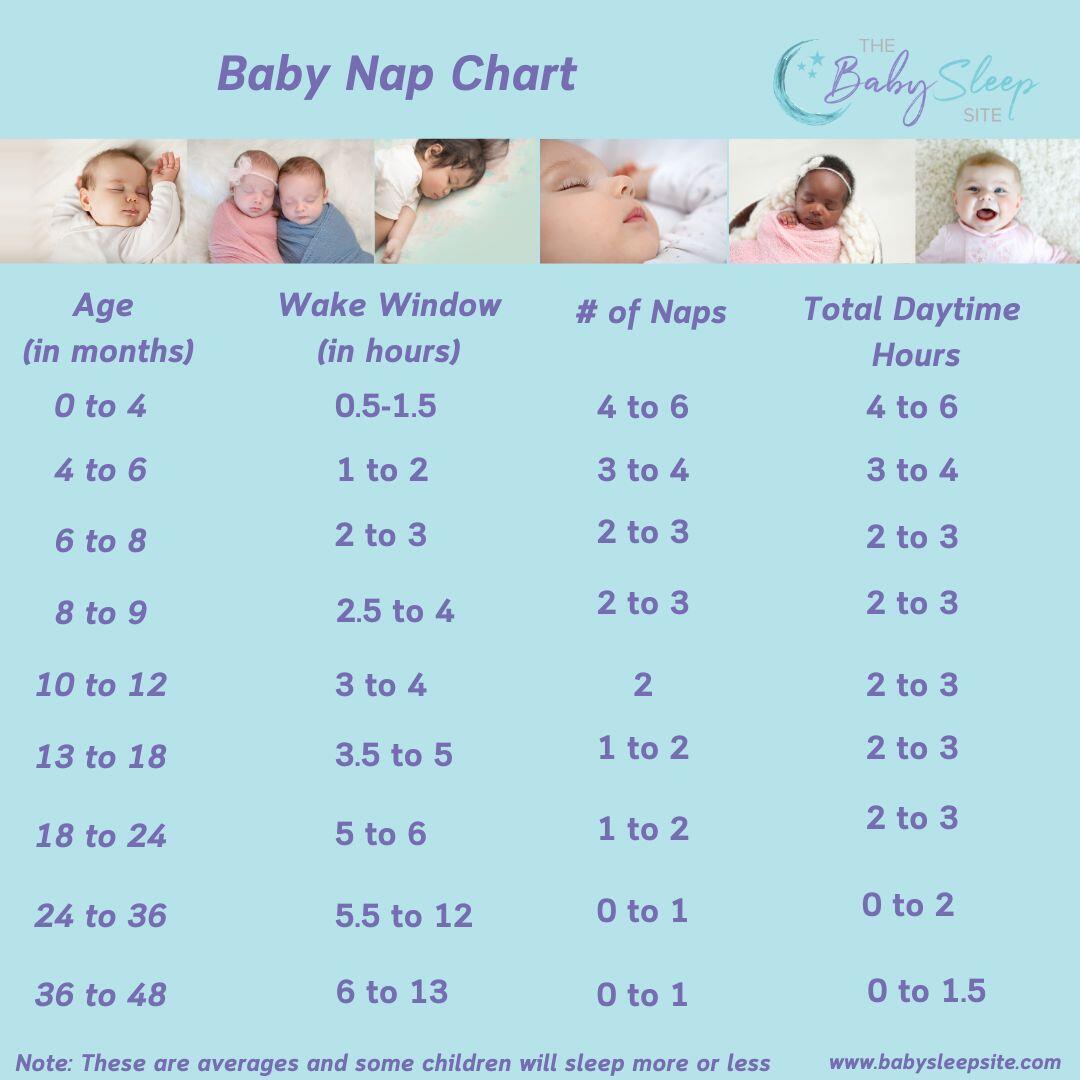
This is also the age when many families start noticing clearer routines. A baby might take 3 naps a day and sleep longer after bedtime, though night waking can still happen.
Babies 7 to 9 months
Babies in this range usually need about 12 to 15 hours of sleep daily. Two to three naps are common.
At this stage, sleep can get messy again because of new skills like crawling, standing, and separation anxiety. I have seen many families worry when sleep suddenly gets worse right after it was getting better. That is common and usually temporary.
Babies 10 to 12 months
Most babies this age still need 12 to 15 hours of sleep a day. Many are moving toward two naps, and some are starting to sleep through the night more often.
This is a big development window. Babies are active, curious, and often harder to settle because they would rather explore than rest.
Toddlers 12 months and older
Once a baby turns one, total sleep needs usually drop to 11 to 14 hours a day. Many toddlers take one or two naps, depending on age and energy level.
Some toddlers fight naps, but most still need them. Skipping sleep too often can lead to crankiness, meltdowns, and trouble falling asleep later.
Signs your baby is getting enough sleep
It is not just about counting hours. A baby can sleep the “right” amount and still be overtired if the sleep is poor quality.
Look for these signs:
- Your baby wakes up calm and alert
- Feeding is steady and effective
- Weight gain is on track
- Mood is mostly easy between naps
- Your baby can stay awake for age-appropriate periods without melting down
In practice, I like to tell parents to watch behavior, not just the clock. A rested baby usually looks smoother through the day, like a car that is running on the right fuel.
Signs your baby may not be sleeping enough
Some babies give very clear signs when they need more sleep. Others act hyper and wired, which can trick parents into thinking they are fine.
Common signs of too little sleep include:
- Frequent fussiness
- Short naps only
- Trouble settling at bedtime
- Waking up crying
- Rubbing eyes, yawning, or staring off
- Feeding poorly because of fatigue
- Extra clinginess or low patience
One mistake I have seen often is waiting too long to put a baby down. Overtired babies often fall asleep harder, not easier. It feels backward, but it is one of the most common sleep traps.
Why baby sleep matters so much
Sleep is not just rest. It supports growth, brain development, memory, and mood.
During sleep, babies process new skills, build healthy rhythms, and recharge. Poor sleep can affect the whole family too, because a tired baby often means tired parents. That is why understanding how many hours should a baby sleep is such a practical question, not just a medical one.
Healthy sleep can help with:
- Better emotional regulation
- Stronger feeding routines
- More consistent growth and development
- Improved attention and learning later on
What affects how many hours should a baby sleep
Several things can change your baby’s sleep needs from day to day. Some are normal, and some need attention.
Common factors include:
- Age and developmental stage
- Hunger and feeding patterns
- Illness or teething
- Growth spurts
- Sleep environment
- Daytime stimulation
- Temperament
For example, a baby who is learning a new motor skill may sleep less for a few days. Another baby may nap more after a vaccination or during a mild cold. Small changes do not always mean a problem.
How to support healthy baby sleep
You do not need a perfect routine. You just need a repeatable one that fits your baby’s age and personality.
Try these practical tips:
- Keep wake windows age-appropriate
- Use a simple bedtime routine like bath, feed, book, sleep
- Make the sleep space dark, quiet, and safe
- Watch sleepy cues early
- Put your baby down before they get overtired
- Be consistent, but flexible when needed
I have found that the best sleep plans are not strict. They are steady. A baby usually does better with a rhythm than with a rigid clock.
Safe sleep matters just as much as sleep length
When parents ask how many hours should a baby sleep, I always say the number matters, but safety matters first.
The safest sleep setup for babies includes:
- Sleeping on the back
- A firm, flat sleep surface
- No pillows, blankets, or stuffed toys in the crib
- Room-sharing without bed-sharing for infants
- A smoke-free environment
These safety steps are widely recommended because they reduce the risk of sleep-related harm. Even if your baby sleeps the “right” number of hours, unsafe sleep conditions can still be dangerous.
When to call a pediatrician
Most sleep changes are normal. Still, some signs deserve medical attention.
Contact your pediatrician if:
- Your baby is very hard to wake
- Feeding is weak or inconsistent
- Weight gain is poor
- Breathing looks unusual during sleep
- Your baby snores loudly or pauses breathing
- Sleep suddenly changes and stays off pattern
Trust your gut. Parents notice patterns first. If something feels off, it is worth asking.
Frequently Asked Questions
How many hours should a baby sleep in 24 hours?
Most babies need between 12 and 17 hours of sleep in 24 hours, depending on their age. Newborns usually sleep more, while older babies sleep a little less and stay awake longer between naps.
How many naps should a baby take?
Newborns may nap many times a day, while older babies usually take 2 to 4 naps. By around 6 to 12 months, many babies settle into 2 or 3 naps daily.
Is it normal for a baby to wake at night?
Yes, night waking is very normal, especially in the first months. Many babies wake to feed, and some continue waking as they grow because of teething, development, or changes in routine.
What if my baby sleeps more than average?
Some babies naturally sleep a bit more than others. If your baby is feeding well, gaining weight, and waking normally, extra sleep is often fine, but check with a pediatrician if the baby seems hard to wake or unusually sleepy.
How can I tell if my baby is overtired?
An overtired baby may fuss more, fight sleep, or wake often after short naps. You may also notice yawning, eye rubbing, or sudden clinginess before a sleep crisis starts.
Conclusion
Knowing how many hours should a baby sleep can make daily life feel much less stressful. The key is to use age-based sleep ranges, watch your baby’s cues, and focus on safe, healthy sleep habits that fit real family life.
If your baby is sleeping within the normal range and growing well, you are probably on the right track. Keep paying attention, stay flexible, and use a simple routine that helps your baby feel secure. If you want more helpful baby sleep guidance, explore related resources or leave a comment with your biggest sleep question.