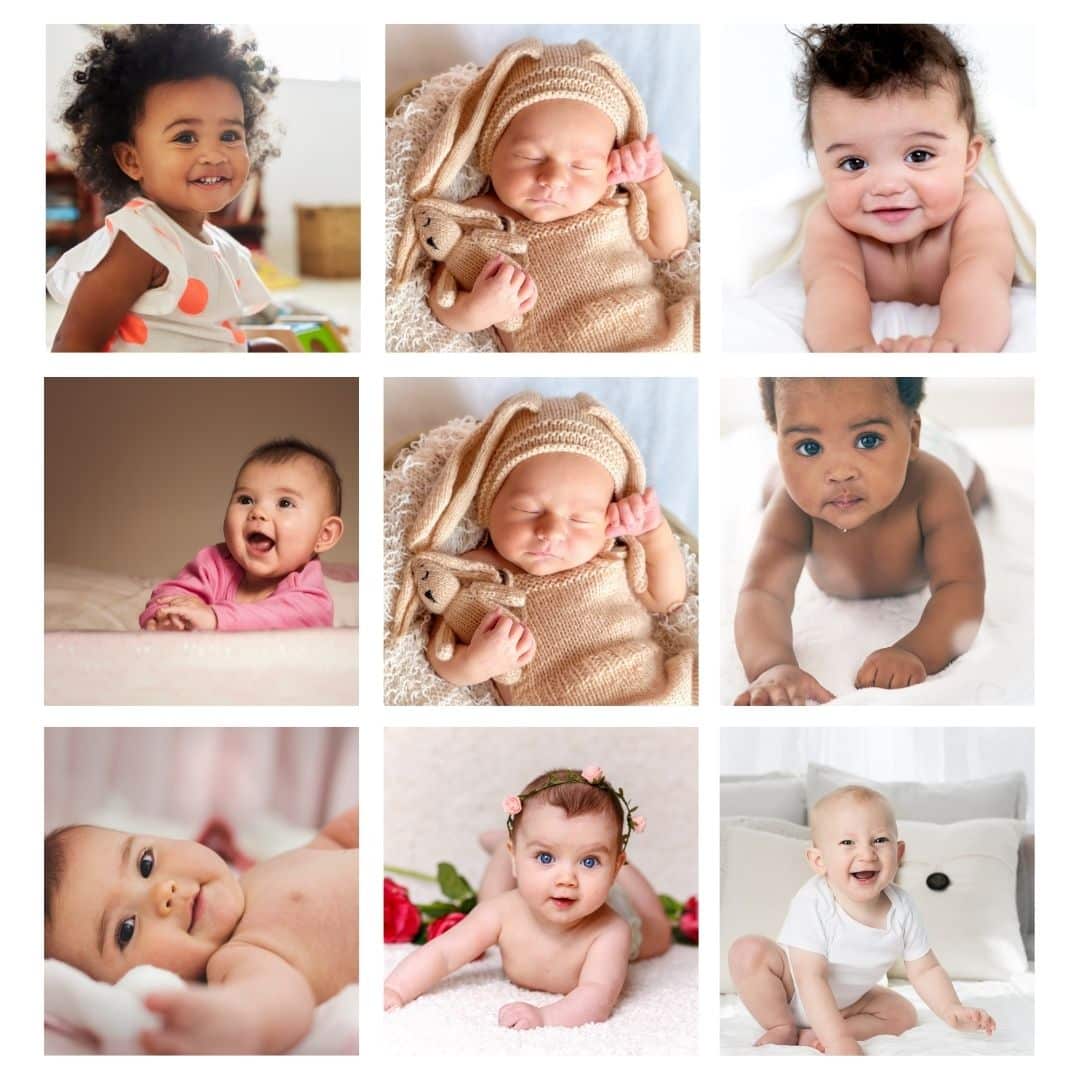
Newborn facial expression development begins with reflexive signals and grows into purposeful social communication over the first months.
Newborn facial expression development can feel like a tiny language that changes each week. A frown may show discomfort, while a brief smile may reflect sleep or a developing social response. This guide explains what those expressions mean, how they change, and when parents should seek advice, using findings from infant development research and practical newborn care.

What Is Newborn Facial Expression Development?
Newborn facial expression development is the gradual process through which babies use their faces to respond to body sensations, emotions, people, and their surroundings. At first, most facial movements are automatic. Over time, they become more controlled and more connected to social interaction.
A newborn may wrinkle the nose, open the mouth, raise the eyebrows, or tighten the lips. These actions do not always have one clear meaning. A baby’s face is more like a weather vane than a dictionary. It reacts to hunger, tiredness, pain, light, sound, and touch.
During the first weeks, facial expressions often show basic states:
• Comfort
• Hunger
• Sleepiness
• Overstimulation
• Gas or digestive discomfort
• Pain or illness
• Interest in a voice or face
Newborn facial expression development does not happen at the same speed for every baby. Premature babies, babies with health conditions, and babies with different temperaments may follow a slightly different pattern.
Parents should look at the whole baby, not one facial movement. Breathing, body movement, crying, feeding, skin color, and alertness all add meaning to an expression.
Newborn Facial Expression Development: A Month by Month Timeline
Developmental timelines are helpful guides, not strict deadlines. Some babies smile early, while others need more time. Small differences are often normal.
Birth to 4 weeks
In the first month, facial expressions are mainly reflexive. A baby may make faces during sleep, feeding, bowel movements, or changes in body position.
Common expressions include:
• Brow furrowing during hunger or effort
• Lip smacking before a feed
• Tight lips during discomfort
• A wide open mouth when crying
• Brief smiles during sleep
• Sudden eye widening after a sound
These early smiles are often called reflex smiles. They may appear during active sleep and do not always show social recognition. Still, they are part of normal newborn facial expression development.
Newborns can also copy some simple facial actions for short periods. They may open their mouths after watching an adult do so, but this response is not steady and should not be treated as a test of intelligence.
1 to 2 months
By the second month, many babies become more alert. They may watch a caregiver’s face, follow movement with their eyes, and change their expression after hearing a familiar voice.
Some babies begin to show early social smiles near the end of the second month. A social smile usually happens when the baby looks at a face or hears a warm voice. It may be short and uneven at first.
At this stage, newborn facial expression development often includes:
• Longer periods of eye contact
• Smiles in response to faces
• Wider eyes when interested
• Frowns when tired or overstimulated
• More varied mouth movements
3 to 4 months
By three or four months, many infants show a wider range of emotional signals. They may smile more often, laugh, squeal, or show excitement with their eyes and mouth.
They may also turn away when they need a break. This is a useful self calming signal, not a sign that the baby dislikes the caregiver.
Newborn facial expression development gradually moves toward infant social communication. Babies begin to learn that their expressions can bring a response. A smile may lead to a smile from a parent. A cry may bring comfort. This back and forth builds the early roots of communication.

Common Newborn Facial Expressions and What They May Mean
A single expression cannot always reveal what a newborn needs. Use the expression with timing and context.
Smiling
A smile during sleep is often a reflex. It may be linked to active sleep, digestion, or changes in brain activity. A smile while awake and looking at a caregiver is more likely to be a social smile.
Do not worry if smiles appear only for a second. Newborn facial expression development is still forming, and early social responses can be brief.
Frowning or furrowing the brow
A frown may happen when a baby is hungry, tired, cold, or trying to focus. Some babies frown while passing gas or having a bowel movement.
A frown alone does not prove pain. Look for other signs, such as a sharp cry, stiff body, poor feeding, vomiting, or a change in alertness.
Lip smacking or tongue movements
Lip smacking, rooting, and tongue movements often signal hunger. These are early feeding cues, and they may appear before crying.
Responding to early hunger cues can make feeding calmer. Crying is often a late hunger cue and may make it harder for a baby to latch or settle.
Wide eyes and raised eyebrows
Wide eyes can show interest, surprise, or alertness. Bright lights, sudden sounds, or a moving face may cause this expression.
If the baby keeps looking away, blinks often, or becomes fussy, the environment may be too intense. Lower the lights and reduce noise.
Grimacing
Grimacing can occur during gas, bowel movements, hunger, or discomfort. It can also happen during sleep.
If grimacing is repeated with breathing trouble, blue or gray skin, poor feeding, or unusual stiffness, seek medical help promptly.
Crying faces
Crying is a powerful form of communication, but it does not always identify one cause. A newborn may cry because of hunger, a wet diaper, temperature, tiredness, pain, or the need for closeness.
Parents often learn their baby’s patterns over time. Keeping a simple note of feeding, sleep, diapers, and crying may help reveal useful clues.

How the Brain Supports Facial Expression Development
Newborn facial expression development depends on several systems working together. The brain must process sensations, control facial muscles, and connect a response to a need or social event.
At birth, many facial actions are controlled by basic nervous system pathways. These pathways help a baby suck, root, blink, and cry. More complex social expressions develop as the brain matures and the baby gains better control of attention and movement.
Vision also plays an important role. Newborns see best at close range, roughly the distance between a baby and a caregiver’s face during feeding. This makes feeding, holding, and quiet face to face time useful moments for social learning.
Hearing supports this process too. A familiar voice can change a baby’s facial expression, body movement, and level of alertness. Repeated warm interactions help the baby connect faces, voices, and feelings.
Research in developmental psychology shows that responsive caregiving supports early social development. This does not mean parents must create constant stimulation. Calm, repeated contact works better than nonstop activity.
Ways to Support Healthy Newborn Facial Expression Development
Parents do not need special toys or expensive programs. Everyday care provides many chances for healthy interaction.
Use calm face to face time
Hold your baby close and let them study your face. Speak slowly. Pause often. Newborns need time to process what they see and hear.
Try this simple pattern:
-
Get close when the baby is calm and awake.
-
Smile and speak in a soft voice.
-
Pause for several seconds.
-
Watch for a look, mouth movement, or change in body position.
-
Respond gently without rushing.
This pause matters. It gives the baby a chance to take part in the exchange.
Copy simple expressions
You can slowly open your mouth, smile, or raise your eyebrows. Do not expect an instant response. Some babies watch quietly before they respond days or weeks later.
Copying a baby’s sounds and expressions can also support early turn taking. It is the beginning of a conversation, even before words appear.
Notice signs of overstimulation
A newborn may need a break if they:
• Turn the head away
• Stare into space
• Frown repeatedly
• Flail the arms
• Yawn
• Become red or fussy
When this happens, reduce noise, dim the lights, and hold the baby quietly. A break supports newborn facial expression development because a calm brain learns better than an overloaded one.
Respond to early cues
Feed, comfort, and rest your baby when possible before distress becomes intense. This helps build trust and makes facial signals easier to understand.
There is no need to respond perfectly every time. Good caregiving is not flawless. It is a pattern of noticing, trying, and repairing.
Use safe sleep practices
Interaction should happen while the baby is awake and supervised. For sleep, place the baby on their back on a firm, flat surface without loose blankets, pillows, or soft objects. Safe sleep protects the brain and body that support development.
Personal Lessons From Watching Infant Development
One lesson often seen in newborn care is that parents may expect every expression to carry a clear message. In reality, newborn faces can be wonderfully confusing. A smile may follow gas. A frown may mean concentration. A serious stare may simply mean the baby is taking in a new face.
A common mistake is to keep stimulating a baby who has already looked away. Many adults smile, talk, and move closer because they want a response. Yet turning away is often the baby’s polite request for a pause.
Another useful lesson is to avoid comparing babies too closely. One infant may smile at six weeks. Another may show stronger social smiles a little later. Comparing a baby with a sibling, friend’s baby, or online milestone chart can create worry without giving useful information.
A practical approach is to track patterns rather than isolated moments:
• Does the baby have periods of quiet alertness?
• Does the baby respond to voices or touch?
• Does the baby feed well?
• Does the baby move both sides of the face and body?
• Is the baby becoming more socially engaged over time?
These questions provide a fuller view of newborn facial expression development than counting smiles alone.
When to Discuss Facial Expressions With a Pediatrician
Most unusual-looking newborn expressions are harmless. Still, parents should trust their instincts and ask questions when something seems different or persistent.
Contact a pediatrician if your baby:
• Does not seem to respond to loud sounds or familiar voices
• Rarely looks toward faces by the expected developmental period
• Has a consistently weak cry or poor feeding
• Shows repeated facial movements that look like seizures
• Has facial weakness on one side
• Keeps one eye closed or cannot move the face normally
• Becomes unusually sleepy or difficult to wake
• Has breathing problems, blue lips, or gray skin
Urgent symptoms need immediate medical care. Breathing difficulty, blue or gray coloring, severe weakness, unresponsiveness, or a seizure should not wait for a routine appointment.
Developmental screening is not a pass or fail test. It helps health professionals understand a child’s progress and decide whether support may help. The American Academy of Pediatrics recommends regular developmental surveillance during well child visits.
Parents should also mention premature birth, birth complications, infections, or known neurological conditions. These factors can affect the timing of newborn facial expression development.

Myths and Limits of Newborn Facial Expression Development
Myth: Every newborn smile is social
Many early smiles occur during sleep or without eye contact. A social smile becomes more likely when the baby is awake, focused on a person, and responding to interaction.
Myth: A serious face means an unhappy baby
Newborns often look serious while concentrating, listening, or adjusting to light. Facial appearance alone cannot measure happiness.
Myth: Babies should respond every time
Infants have changing energy levels. Hunger, tiredness, illness, and overstimulation can reduce social responses for a while.
Myth: Videos can diagnose development
Short videos may show an expression, but they cannot replace an examination. A pediatrician needs the full history, physical findings, and developmental pattern.
Limitation of milestone charts
Milestone charts describe common patterns. They do not predict the exact day a baby will smile, laugh, or copy an expression. Use them as conversation tools, not as strict tests.
Frequently Asked Questions About Newborn Facial Expression Development
When do newborns start smiling on purpose?
Many babies begin showing social smiles around 6 to 8 weeks, though timing varies. Earlier smiles often happen during sleep and may be reflexive.
Why does my newborn make faces while sleeping?
Newborns spend a lot of time in active sleep. During this stage, they may smile, frown, suck, grimace, or move their eyes without being fully awake.
Can newborn facial expressions show pain?
Expressions can offer clues, but they cannot confirm pain by themselves. Look for a combination of facial tension, crying, body stiffness, feeding changes, and behavior changes.
Should I worry if my newborn rarely smiles?
Not usually during the first several weeks. If your baby does not show increasing attention to faces or voices as the early months progress, discuss it with a pediatrician.
How can I encourage facial expression development?
Spend quiet, face to face time with your baby when they are calm and awake. Smile, talk softly, copy simple expressions, and pause so your baby can respond.
Can premature babies develop expressions later?
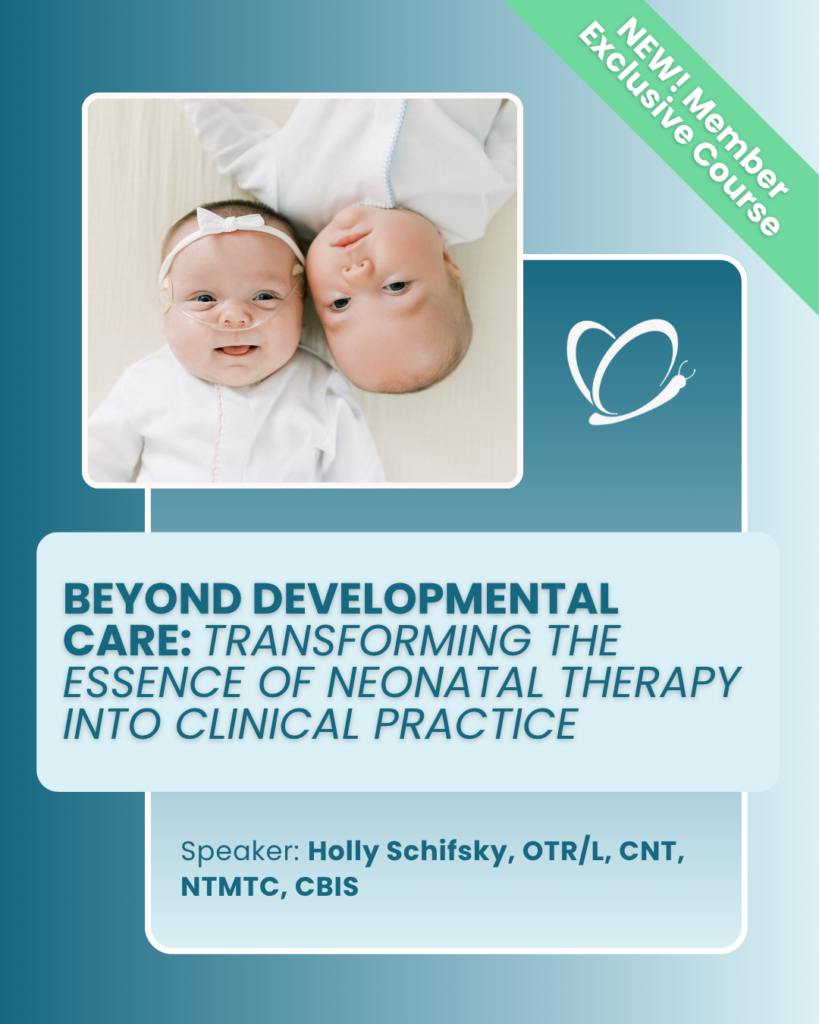
They may follow a different timeline, especially when milestones are considered by adjusted age. Your pediatrician can explain what to expect based on the baby’s birth age and health.
[CodeImg is intentionally omitted from the FAQ section.]
Conclusion
Newborn facial expression development starts with automatic movements and slowly grows into meaningful social communication. Smiles, frowns, lip movements, and eye changes can offer useful clues, but each expression needs context.
Watch your baby’s whole pattern. Offer calm face to face time, respond to early cues, and give breaks when your baby turns away or becomes overwhelmed. If you notice a sudden change, facial weakness, poor feeding, breathing trouble, or reduced alertness, contact a health professional.
Your steady attention helps your baby build the first small bridge between feelings and communication. Keep observing, keep responding, and share questions with your pediatrician at regular visits.