Newborn vaccination fundamentals begin with the hepatitis B birth dose and a clear plan for follow-up vaccines.
Newborn vaccination fundamentals can feel confusing during the first days of life. As a health educator, I know that parents often hear many new terms at once, so this guide breaks the topic into simple steps. You will learn which vaccines newborns need, when they receive them, how safety is checked, and what questions to ask your baby’s clinician.
What Are Newborn Vaccination Fundamentals?
Newborn vaccination fundamentals are the basic facts parents need to understand vaccine protection during the first weeks and months of life. This includes the first vaccine, the infant immunization schedule, vaccine safety, medical exceptions, and follow-up care.
In the United States, the main routine vaccine given at birth is the hepatitis B vaccine. Other vaccines usually begin at about 2 months of age, although timing can change if a baby has certain health risks or is exposed to an infection.
A vaccine trains the immune system to recognize a germ. It works like a practice drill for the body. The immune system learns without facing the full danger of the disease.
Key parts of newborn vaccination fundamentals include:
• The hepatitis B birth dose
• The baby’s medical history and birth details
• The mother’s hepatitis B test result
• The recommended childhood vaccine schedule
• Safe vaccine storage and correct dosing
• Follow-up visits with a pediatrician or family doctor
Parents may also hear about vitamin K and antibiotic eye ointment after birth. These are important newborn treatments, but they are not vaccines. Vitamin K helps prevent serious bleeding, while eye medicine helps reduce the risk of certain eye infections.
Why Is the Hepatitis B Birth Dose Important?
Hepatitis B is a virus that can damage the liver. It may cause a short illness, long-term infection, liver scarring, liver failure, or liver cancer.
Newborns face a special risk if they become infected. Babies who get hepatitis B early in life are much more likely to develop chronic infection than adults who become infected.
The hepatitis B vaccine gives early protection. It is also a safety net because hepatitis B can spread in ways families may not expect. Contact with infected blood or body fluids can occur during birth, through household exposure, or through shared personal items such as toothbrushes or razors.
The birth dose is especially important when:
• The birth parent has hepatitis B
• The birth parent’s test result is unknown
• The family’s medical history is incomplete
• A baby may later be exposed to an infected household member or caregiver
Newborn vaccination fundamentals always begin with checking the hepatitis B surface antigen test result of the birth parent. This test helps clinicians decide whether the baby needs extra protection right away.

The Hepatitis B Vaccine Schedule at Birth
For most healthy newborns, the first hepatitis B vaccine dose is given within 24 hours of birth. The dose may be given sooner when there is a known or possible exposure.
If the birth parent tests positive for hepatitis B, the baby usually needs two treatments:
• Hepatitis B vaccine, given as soon as possible and within 12 hours of birth
• Hepatitis B immune globulin, also called HBIG, given within 12 hours of birth
HBIG provides fast, short-term protection. The vaccine helps the baby build longer-term immune protection. These treatments are not the same, and both may be needed.
If the birth parent’s hepatitis B test result is unknown at delivery, the medical team treats the situation with caution. The baby generally receives the hepatitis B vaccine within 12 hours. Further steps may depend on the parent’s test result, the baby’s weight, and clinical guidance.
For a healthy baby weighing at least 2,000 grams, the usual schedule includes:
-
First dose at birth
-
Second dose at 1 to 2 months
-
Third dose at 6 to 18 months
The exact timing may vary when the vaccine is part of a combination product. A clinician should document each dose in the baby’s medical record and immunization record.
Newborn vaccination fundamentals do not end at hospital discharge. Before leaving, ask for the vaccine name, date, dose number, and recommended date for the next dose.

What Vaccines Come After the Newborn Period?
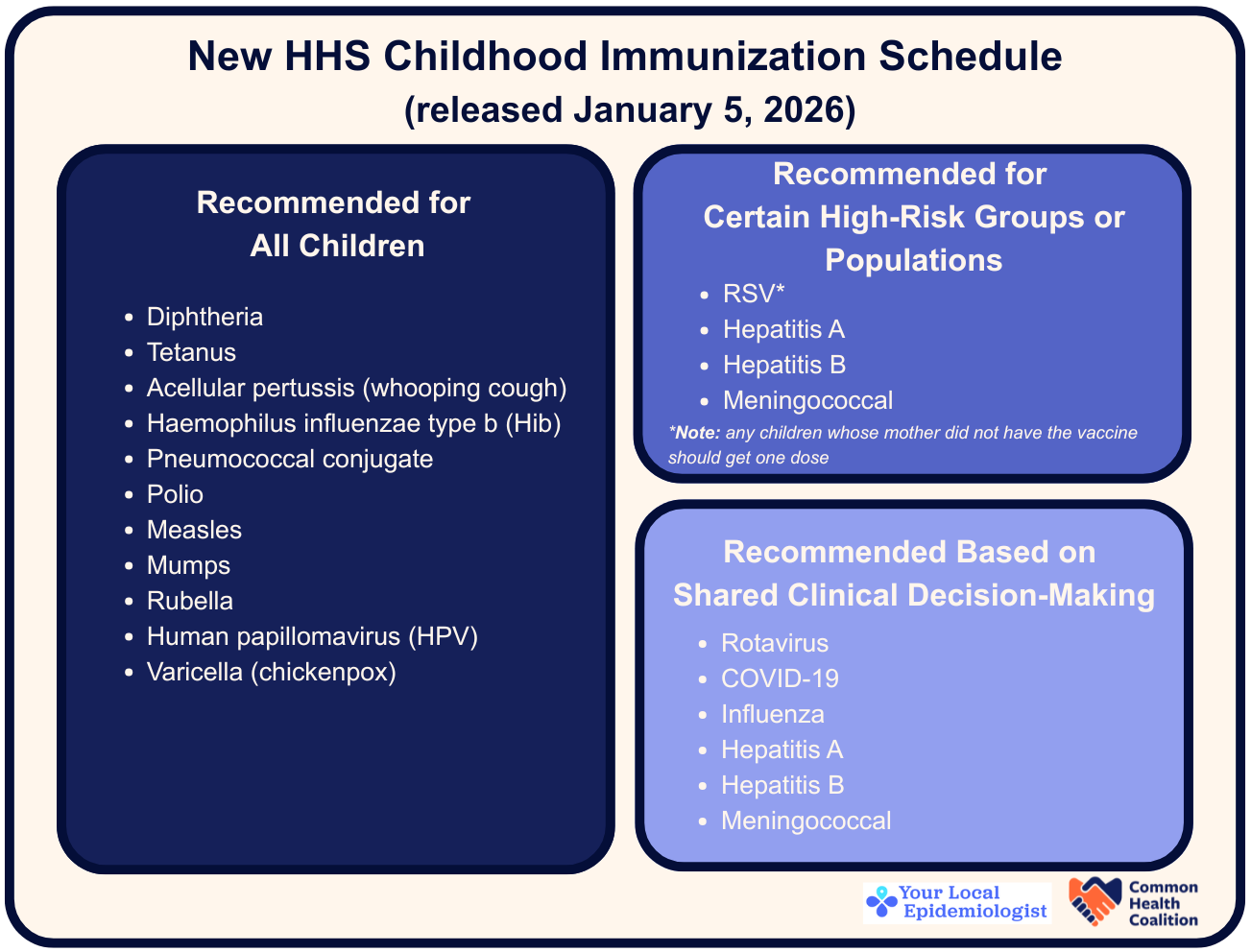
Most routine infant vaccines start at the 2-month visit. The Centers for Disease Control and Prevention and the American Academy of Pediatrics update vaccine guidance as evidence changes, so families should use the current schedule from their child’s clinician.
Common vaccines in the first year may include:
• DTaP, which protects against diphtheria, tetanus, and pertussis
• Polio vaccine, also called IPV
• Hib vaccine, which helps prevent Haemophilus influenzae type b disease
• Pneumococcal conjugate vaccine, also called PCV
• Rotavirus vaccine
• Hepatitis B vaccine
• Influenza vaccine beginning at 6 months
• COVID-19 vaccine when recommended under the current schedule
Some vaccines need more than one dose. This is not a sign that the first dose failed. Several doses help build a stronger and longer-lasting immune response.
Rotavirus vaccine has special age rules. The first dose must be given within a specific age window, and the series must be completed by the maximum age listed in current guidance. Parents should not delay this vaccine without discussing the reason with a clinician.
Newborn vaccination fundamentals include more than the first shot. They also involve returning for well-child visits, keeping records current, and asking about missed doses.

Special Situations That Can Change the Plan
Some newborns need an adjusted vaccine plan. This does not always mean vaccines are unsafe. It may simply mean the medical team needs to use a different timing or product.
Tell the clinician if the baby:
• Was born before 37 weeks
• Had a low birth weight
• Spent time in a neonatal intensive care unit
• Has a known immune problem
• Has a serious heart, lung, kidney, or liver condition
• Had a severe reaction to a previous vaccine
• Takes medicine that affects the immune system
Premature babies usually follow the same age-based vaccine schedule as full-term babies. In many cases, the schedule is based on the baby’s actual age, not corrected age. Hepatitis B timing may depend on birth weight and the birth parent’s hepatitis B test result.
Travel may also affect newborn vaccination fundamentals. Some destinations have different disease risks, and certain vaccines have minimum age limits. Ask a travel medicine clinician well before a trip.
A baby’s mild cold is often not a reason to delay vaccination. A moderate or serious illness may require individual advice. The safest choice is to call the child’s clinician rather than decide alone.

Vaccine Safety and Common Reactions
Vaccines are tested before approval and monitored after they are in use. Safety systems review reports of possible problems, study patterns, and investigate unusual events.
Most vaccine reactions are mild and short-lived. They may include:
• Soreness where the shot was given
• Mild swelling
• Fussiness
• Sleepiness
• A low fever
• Temporary changes in feeding
Hold and comfort your baby after vaccination. Breastfeeding, bottle-feeding, skin-to-skin contact, and calm cuddling may help. Ask the clinician before giving fever medicine, especially to a very young infant.
Call a medical professional promptly if the baby has a high fever, trouble breathing, swelling of the face or throat, extreme weakness, a seizure, or behavior that worries you. Severe allergic reactions are rare, but they need urgent care.
Do not give aspirin to a child. Do not use leftover medicine or rely on an online dosing chart without checking the baby’s age, weight, and medical history.
An important lesson in newborn vaccination fundamentals is that timing matters. A fever in a young infant can need urgent assessment, even when it happens after a vaccine. Parents should ask the clinician what temperature, symptoms, or behavior changes require a call.

How to Prepare for the First Vaccine Visit
A little preparation can make the visit easier. Write down your questions before you arrive, because sleep loss can make it hard to remember details.
Bring or confirm:
• The baby’s hospital discharge papers
• The birth parent’s hepatitis B test result
• The baby’s immunization record
• A list of medicines and supplements
• Any known allergies
• The name and contact details of the baby’s primary clinician
Useful questions include:
-
Which vaccine is due today?
-
What disease does it prevent?
-
What reactions are common?
-
What symptoms require urgent help?
-
When is the next dose due?
-
Is the vaccine record complete?
-
Does my baby have a health condition that changes the plan?
Keep a paper record and use the clinic’s patient portal when available. If you move or change doctors, the record helps prevent missed doses and unnecessary repeat doses.
One practical mistake families sometimes make is assuming the hospital will automatically arrange every future vaccine. The hospital usually gives discharge guidance, but parents must schedule ongoing care with the baby’s doctor.

Benefits and Limits of Newborn Vaccination
The main benefit of newborn vaccination is early protection during a sensitive stage of life. Babies have developing immune systems, and some infections can become severe very quickly.
Vaccination also protects the wider family. When more people have protection, it becomes harder for certain diseases to spread to newborns and people with weak immune systems.
Other benefits include:
• Lower risk of serious infection
• Fewer hospital visits caused by vaccine-preventable diseases
• Protection during early child care and family gatherings
• A clear record for school, travel, and medical care
Vaccines are not perfect shields. A vaccinated person can sometimes still become infected, but vaccination often lowers the chance of severe disease. Protection may also take time to develop, which is why newborns still need safe sleep, handwashing, clean feeding practices, and limits on contact with sick people.
Vaccines also do not prevent every cause of fever, cough, rash, or stomach illness. Parents should seek medical advice when symptoms are severe or unusual, even if the baby is vaccinated.
Newborn vaccination fundamentals work best as one part of a larger safety plan. Vaccination, prenatal testing, breastfeeding when possible, clean hands, and timely medical care all support infant health.
How to Handle Missed or Delayed Vaccines
Families may miss a visit because of illness, travel, insurance changes, transportation problems, or a move. A delay does not mean the entire vaccine series must start over.
Contact the baby’s clinician as soon as possible. The office can create a catch-up schedule based on the baby’s age, previous doses, health history, and current recommendations.
Helpful steps include:
• Ask for a copy of all vaccine records
• Tell the clinician the date of every known dose
• Keep the next appointment before leaving the office
• Use text, email, or calendar reminders
• Ask about low-cost vaccination programs if payment is a concern
Avoid guessing about missing doses. Some vaccines can be safely repeated when records cannot be found, but a clinician should make that decision.
Newborn vaccination fundamentals are about steady protection, not parental perfection. If a dose is late, taking the next correct step is more useful than feeling guilty.
Questions to Ask About Vaccine Ingredients
Parents may ask what is inside a vaccine. Each product has its own ingredients, which can include an antigen that teaches immune recognition, stabilizers, preservatives, or tiny amounts of other materials used during production.
The ingredient list depends on the brand and vaccine type. Your clinician or pharmacist can provide the product information and explain any ingredient that concerns you.
A known severe allergy to a vaccine ingredient can affect the plan. A family history of food allergy, asthma, or mild medicine sensitivity does not automatically mean a baby cannot be vaccinated.
Newborn vaccination fundamentals should always be discussed with a qualified medical professional when a baby has a serious allergy, immune condition, or prior vaccine reaction.
Frequently Asked Questions About Newborn Vaccination Fundamentals
What vaccine is usually given at birth?
The hepatitis B vaccine is the routine vaccine usually given at birth in the United States. It helps protect newborns from a virus that can cause lifelong liver disease.
Do all newborns need a hepatitis B vaccine?
Most newborns are recommended to receive the hepatitis B birth dose. The timing and additional treatment may change if the birth parent has hepatitis B, the test result is unknown, or the baby has a low birth weight.
Can a newborn receive more than one treatment for hepatitis B?
Yes. If the birth parent has hepatitis B, the baby may need both the hepatitis B vaccine and hepatitis B immune globulin. These provide different types of protection and are usually given within 12 hours of birth.
Are newborn vaccines safe?
Vaccines used in newborn care are tested and monitored for safety. Mild soreness, fussiness, sleepiness, or a low fever can occur, while serious reactions are rare and need urgent medical attention.
When do babies receive their next vaccines?
Many routine infant vaccines begin at about 2 months of age. The exact plan depends on the baby’s health, prior doses, age, and the current CDC and pediatric vaccine schedule.
What if the baby is premature?
Premature babies often receive vaccines according to their actual age rather than corrected age. Hepatitis B timing can depend on birth weight and the birth parent’s hepatitis B test result, so the neonatal team should guide the plan.
Can a sick baby be vaccinated?
A mild illness often does not require a delay, but a moderate or serious illness may change the timing. Call the baby’s clinician before the appointment for individual advice.
Conclusion
Newborn vaccination fundamentals start with the hepatitis B birth dose, careful review of the birth parent’s test result, and a plan for future vaccines. The first dose protects against a serious liver infection, while later vaccines build protection against diseases such as pertussis, polio, measles, pneumococcal disease, and rotavirus.
Keep the vaccine record, attend well-child visits, and ask about any reaction or missed dose. If you are unsure about your baby’s schedule, contact the pediatrician or family doctor rather than guessing. Use trusted public health guidance, share this article with another new parent, and bring your questions to the next newborn visit.