Newborn breast milk intake assessment combines feeding behavior, diaper output, weight gain, and clinical signs of milk transfer.
Newborn breast milk intake assessment helps parents and clinicians learn whether a baby is getting enough milk, even when the amount cannot be seen. Because breastfeeding does not come with marked bottles, a safe assessment uses several clues together rather than one test or one feeding.
What Is Newborn Breast Milk Intake Assessment?
Newborn breast milk intake assessment is the process of checking how well a breastfed baby is feeding and whether milk transfer meets the baby’s needs. It includes observing feeding, checking wet and dirty diapers, tracking weight, and looking for signs of dehydration or illness.
A baby may feed often and still need help with positioning or latch. Another baby may have short feeds but transfer milk well. This is why newborn breast milk intake assessment should look at the full picture.
A trained health professional may assess:
• How often the baby feeds
• Whether the baby has a deep latch
• Whether swallowing can be heard or seen
• How the breasts feel before and after feeding
• The baby’s weight trend
• Urine and stool patterns
• The baby’s alertness, skin color, and muscle tone
The goal is not to judge a parent. It is to find out whether the baby is receiving enough milk and whether breastfeeding support is needed.

Why Assessing Breast Milk Intake Matters
The first days after birth are a time of rapid change. Colostrum is produced in small amounts, but it is rich in nutrients and immune factors. Mature milk usually increases around the second to fifth day after birth, although timing can vary.
Newborn breast milk intake assessment can identify feeding problems before they become serious. Early support may help prevent excessive weight loss, dehydration, high bilirubin levels, and painful feeding.
A single sign rarely gives a complete answer. For example, crying may mean hunger, but it may also mean discomfort, tiredness, or a need for contact. Likewise, breast fullness does not always show how much milk the baby has taken.
A balanced assessment considers:
- The baby’s feeding skills
- The parent’s milk production
- The baby’s output
- The baby’s weight pattern
- The baby’s overall health
The American Academy of Pediatrics recommends close follow-up during the early newborn period. The World Health Organization and major lactation organizations also support skilled help when breastfeeding is difficult or milk transfer is uncertain.

Signs That a Newborn May Be Getting Enough Milk
Parents often ask for one clear sign. In reality, healthy intake is shown by a pattern of signs.
During a good feed, the baby may begin with quick sucks. As milk starts to flow, the sucking often becomes slower and deeper. You may hear or see regular swallowing. The baby’s hands and body may relax as the feed continues.
Helpful signs include:
• The baby wakes for feeds and shows hunger cues
• The latch is comfortable after the first few seconds
• Sucking changes to deeper, rhythmic movements
• Swallowing is heard or seen
• The baby appears satisfied after some feeds
• The breasts feel softer after feeding
• Urine output rises as the days pass
• Stool color changes from dark meconium to lighter yellow stools
• Weight begins to stabilize and then increase
Many newborns feed 8 to 12 times in 24 hours. Some feed more often, especially during cluster feeding. Frequent feeding does not automatically mean low milk supply.
A practical lesson from newborn feeding support is to watch the baby, not the clock alone. A 15-minute feed with active swallowing may provide more milk than a 45-minute feed with weak sucking.
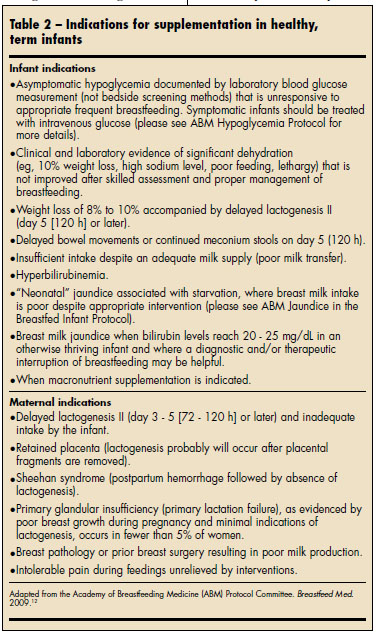
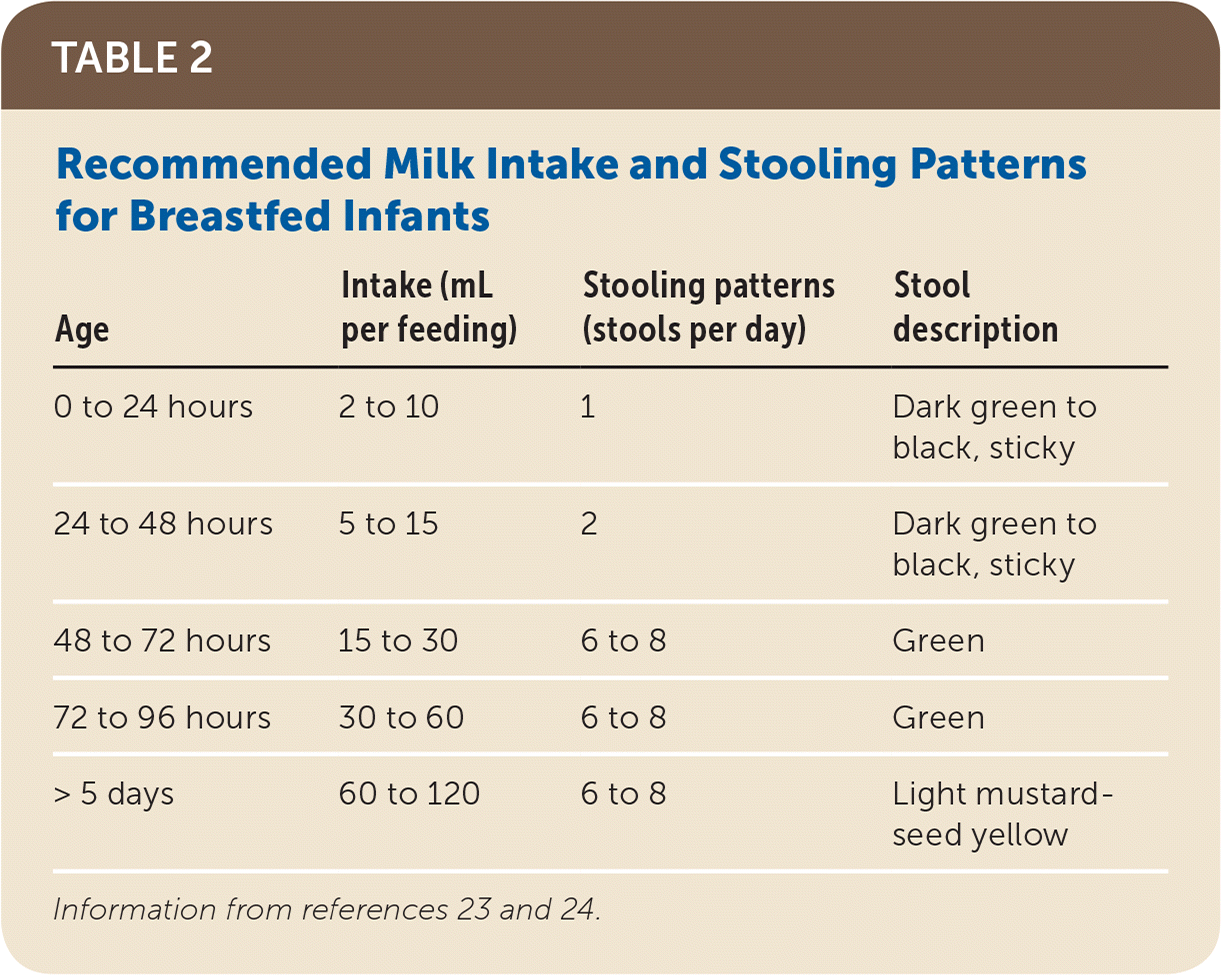
Newborn Diaper Output by Day
Diapers are useful, but they must be read along with feeding and weight information. Expected output can vary, especially during the first day.
A common guide is:
• Day 1: At least one wet diaper and one or more stools may occur
• Day 2: About two wet diapers may occur
• Day 3: About three wet diapers may occur
• Day 4: About four wet diapers may occur
• Day 5 and later: Around six or more wet diapers in 24 hours is often expected
Stool color usually changes from black or dark green to greenish, then yellow and loose. By about day four or five, many breastfed babies have several yellow stools each day, though patterns differ.
Disposable diapers can make urine harder to see. A useful tip is to compare a dry diaper with a wet one or use the diaper’s wetness indicator. Do not add water to a diaper to “test” it, because this can confuse the assessment.
Low output can be a concern, especially when paired with poor feeding, dark urine, dry lips, unusual sleepiness, or continued weight loss. Call the baby’s health professional promptly if output seems below expected levels.

How Weight Helps Measure Milk Intake
Weight is one of the strongest tools in newborn breast milk intake assessment. Babies normally lose some weight after birth as they pass extra fluid. The amount and pattern matter more than one isolated number.
Many healthy newborns lose weight during the first few days and then begin to regain it. Birth weight is often regained by about 10 to 14 days, but timing can differ based on birth method, feeding history, illness, and other factors.
Health professionals may use:
• Birth weight
• Lowest recorded weight
• Current weight
• Percentage of weight change
• Weight gain over several days or weeks
• Growth patterns on an appropriate growth chart
The formula for percentage weight loss is:
(Birth weight minus current weight) ÷ birth weight × 100
For example, a baby who weighed 7 pounds at birth and now weighs 6 pounds 9 ounces has lost 7 ounces. A clinician should interpret this result in context, not as a stand-alone diagnosis.
Weight checks should use a reliable scale. Weighing before and after every feed at home can create anxiety and may be inaccurate. When intake is uncertain, a lactation consultant or pediatric clinician can arrange a supervised weighted feed.
What Is a Weighted Breastfeeding Session?
A weighted feed measures the baby before and after breastfeeding on a highly accurate infant scale. The difference in weight gives an estimate of milk transferred during that feed. One gram of weight change is commonly treated as about one milliliter of milk.
A weighted feed can be helpful when:
• Weight gain is slower than expected
• The baby has weak or disorganized sucking
• There is concern about tongue movement or oral function
• The parent has pain or a history of low milk supply
• The baby is transitioning from tube or bottle feeding
• A clinician needs more information about milk transfer
However, a weighted feed is only a snapshot. The baby may transfer more or less milk at another time of day. Scale error, clothing, a recent stool, or an incomplete feeding can also affect the result.
This means newborn breast milk intake assessment should not rely on one weighted feed. It works best when the result is combined with weight trends, diaper output, feeding behavior, and a full latch assessment.
How to Observe a Breastfeeding Session
A breastfeeding observation often provides more useful information than questions alone. The professional may watch the parent and baby from the start of feeding through the end.
Look for these steps:
- The baby is held close, with the chest facing the parent.
- The nose is near the nipple, and the head is free to tilt back.
- The baby opens the mouth wide.
- The chin touches the breast first.
- More of the areola is visible above the upper lip than below the lower lip.
- The lips are flanged, and the jaw moves deeply.
- Swallowing occurs in a regular pattern.
A shallow latch may cause pinching pain, clicking sounds, dimpling in the cheeks, or a misshapen nipple after feeding. These signs do not prove low intake, but they suggest that a feeding assessment may help.
Try not to pull the baby off quickly when the latch hurts. Break the suction gently with a clean finger at the corner of the baby’s mouth, then relatch. Small changes in position can make a major difference.

Common Reasons for Low Milk Transfer
Low milk transfer means the baby is not removing milk well from the breast. It does not always mean the parent’s body cannot make enough milk.
Possible causes include:
• Shallow latch
• Poor positioning
• Prematurity
• Sleepiness after birth
• Jaundice
• Low blood sugar
• Tongue or jaw movement limits
• Birth injury or discomfort
• Nasal congestion
• Maternal breast surgery
• Delayed milk production
• Infrequent or restricted feeding
• Scheduled feeds that miss hunger cues
Some babies have strong milk transfer but appear to nurse often because their stomachs are small. Others may sleep at the breast and need gentle stimulation to continue feeding.
A common mistake is to assume that long feeds always mean more milk. A tired baby may remain at the breast without active swallowing. During newborn breast milk intake assessment, active milk removal matters more than time spent latched.
Improving Breast Milk Intake Safely
If assessment suggests that intake is low, the plan should be individual. A clinician may recommend more frequent feeds, improved positioning, breast compressions, hand expression, pumping, or temporary supplementation.
Helpful steps may include:
• Offer the breast at early hunger cues
• Aim for frequent feeding across the day and night
• Use skin-to-skin contact before and during feeds
• Check for deep latch and active swallowing
• Offer both breasts when the baby remains interested
• Use gentle breast compression when sucking slows
• Express milk after feeds if advised
• Give expressed milk by a method recommended by the care team
• Record feeds, diapers, and weight checks without becoming fixated on numbers
If supplementation is needed, it does not mean breastfeeding has failed. The immediate goal is a well-fed baby and a protected milk supply. A lactation professional can help create a plan that supports both goals.
Do not use herbal products, prescription medicines, or large amounts of special foods to increase milk supply without medical advice. Evidence for many popular products is limited, and some can cause side effects.
When to Seek Medical Help
Contact a pediatric clinician, midwife, or lactation professional if:
• The baby feeds fewer than about eight times in 24 hours
• The baby is difficult to wake for feeds
• Swallowing is rarely heard
• The baby remains unsettled after most feeds
• Urine output is lower than expected
• Stool stays dark instead of becoming lighter
• Weight loss is high or weight gain is slow
• Breastfeeding causes ongoing pain or nipple damage
• The baby repeatedly falls asleep soon after starting to feed
Seek urgent medical care if the baby is very difficult to wake, has breathing trouble, feels unusually cold or limp, has blue or gray skin, shows signs of severe dehydration, or has a fever. In a baby younger than 3 months, a rectal temperature of 100.4°F (38°C) or higher needs prompt medical attention.
Yellow skin can be common in newborns, but worsening jaundice with poor feeding or low output requires immediate professional advice. Do not wait for the next routine appointment when a newborn seems unwell.
Common Assessment Mistakes to Avoid
Newborn breast milk intake assessment can become stressful when one clue is treated as a final answer. Avoid these common mistakes:
• Judging intake only by how full the breasts feel
• Assuming frequent feeding proves low supply
• Assuming a quiet baby is always well fed
• Counting wet diapers without checking weight
• Weighing the baby on different scales
• Comparing one baby with another baby
• Delaying help because the baby “looks fine”
• Starting supplements without a plan to protect milk production
• Stopping supplements suddenly without follow-up
• Using home test strips or unvalidated devices as proof of intake
The best assessment is repeated over time. Newborn needs change quickly, so a plan may need adjustment after a follow-up weight check or feeding observation.
One of the most useful lessons for families is that asking for help early is not an overreaction. Early support often involves a small change in latch or feeding frequency, rather than a major intervention.
A Simple Home Tracking Plan
A short record can help a clinician see patterns. Keep it simple and use it for a limited period if tracking increases worry.
Write down:
• Feeding start and end times
• Which breast was offered
• Whether swallowing was heard
• Wet diaper count
• Stool color and count
• Any expressed milk or formula given
• The baby’s behavior after feeds
• Any pain, clicking, coughing, or choking
Do not force the baby to finish a breast or follow a strict schedule without medical guidance. Newborns have different feeding styles, and responsive feeding is usually more useful than rigid timing.
Bring the record to the baby’s appointment. It can support newborn breast milk intake assessment, but it cannot replace an examination, weight check, or direct feeding observation.
Frequently Asked Questions About Newborn Breast Milk Intake Assessment
How do I know if my newborn is getting enough breast milk?
Regular swallowing, increasing wet diapers, changing stools, good alertness, and a healthy weight trend are reassuring signs. No single sign is perfect, so combine them and ask a health professional to assess feeding if you are unsure.
How often should a newborn breastfeed?
Many newborns breastfeed about 8 to 12 times in 24 hours, though some feed more often. Feed based on early hunger cues, and seek help if the baby is very sleepy or feeds poorly.
Can I measure breast milk intake at home?
You can monitor feeding behavior, diapers, and weight with guidance, but home scales may be inaccurate. A supervised weighted feed with a precise infant scale gives a better estimate of milk transfer.
Is frequent breastfeeding a sign of low milk supply?
Not always. Newborns often cluster feed, and frequent nursing can be normal. Low output, poor weight gain, weak swallowing, or ongoing sleepiness are more concerning than feeding frequency alone.
When should a breastfed newborn regain birth weight?
Many newborns regain birth weight by about 10 to 14 days, but timing varies. A clinician should review weight loss and gain in relation to birth history, feeding, diapers, and overall health.
What should I do if breastfeeding hurts?
Persistent pain often points to a shallow latch, positioning issue, or another feeding problem. Break the suction gently, relatch, and contact a lactation professional or health clinician if pain continues.
Do I need to supplement if my baby seems hungry after nursing?
Not always, because newborn behavior can reflect comfort needs as well as hunger. If intake or weight is a concern, get a professional assessment before changing feeds, and use expressed milk or other supplementation as advised.
Conclusion
Newborn breast milk intake assessment is strongest when it combines feeding observation, swallowing, diaper output, weight trends, and the baby’s overall condition. A full breast or a long feed cannot prove that intake is adequate, and one uncertain sign does not prove that it is low.
Track simple patterns, seek skilled help early, and treat weight and hydration concerns seriously. If you are worried about your baby’s feeding, arrange a prompt feeding assessment with a pediatric clinician, midwife, or qualified lactation professional, and explore trusted newborn feeding resources for continued support.