Newborn formula feeding mechanics combine safe preparation, correct bottle flow, steady support, and responsive feeding cues.
Newborn formula feeding mechanics can feel simple at first, yet small details shape comfort, digestion, and safety. This guide explains how milk moves through the bottle, how a baby should latch and suck, how to pace feeds, and how to prepare formula with care. It also covers common mistakes, practical examples, and signs that your baby may need medical help.

What newborn formula feeding mechanics mean
Newborn formula feeding mechanics describe how a baby takes formula from a bottle. The process includes several linked steps:
• The caregiver prepares formula with the correct water-to-powder ratio.
• The baby seals their lips around the nipple.
• The baby creates gentle suction.
• Milk flows through the nipple as the baby sucks.
• The baby pauses to breathe, swallow, and rest.
• The caregiver watches for hunger and fullness cues.
Bottle feeding is not only about getting milk into the stomach. It is a rhythm of suck, swallow, and breathe. Think of it like a slow dance. The baby leads the pace, while the caregiver provides safe support.
Newborns have small mouths, developing muscles, and limited control over milk flow. A nipple that flows too fast may cause coughing, gulping, or stress. A nipple that flows too slowly may cause frustration and tiring.
Good newborn formula feeding mechanics help the baby stay calm and coordinated. They may also reduce swallowed air, though no feeding method can prevent all gas or spit-up.

How a newborn drinks from a bottle
A newborn usually uses a three-part pattern: suck, swallow, and breathe. The baby sucks to draw formula into the mouth, pauses to swallow, then breathes before the next suck.
In the early weeks, this pattern may be uneven. A baby may take several sucks, pause, and then resume. Short pauses are normal and often help prevent overload.
The tongue plays an important role. It moves in a forward and backward pattern that helps draw milk from the nipple. The lips should form a soft seal around the nipple base. A deep, comfortable latch can help limit air intake.
During newborn formula feeding mechanics, watch the baby’s face and body. Helpful signs include:
• Relaxed hands and shoulders
• Slow, steady sucking
• Regular pauses
• Quiet swallowing
• A calm face
Signs that the flow may be too fast include:
• Coughing or choking
• Milk leaking from the mouth
• Wide, startled eyes
• Pulling away often
• Noisy gulping
• Breathing changes during the feed
If the flow seems too slow, the baby may suck hard, become upset, fall asleep quickly, or take much longer than usual. Do not enlarge a nipple hole yourself. A damaged or altered nipple can release milk too quickly.
Choosing the right bottle and nipple
There is no single best bottle for every newborn. Most healthy babies can use many standard bottle designs if the nipple fits well and the flow matches their ability.
Start with a slow-flow or newborn nipple. The label is useful, but it is not a perfect standard. One brand’s “slow flow” may feel faster than another brand’s version.
Look for a nipple that allows the baby to feed without strain. The nipple should not collapse again and again during a feed. If it collapses, release the baby’s latch gently and check that the vent is open.
A good bottle setup usually includes:
• A clean bottle
• A nipple in good condition
• A secure collar
• A cap for storage
• A nipple flow suited to the newborn
Avoid switching nipple sizes only because the package suggests an age range. Babies develop at different speeds. Change the flow when the baby shows a consistent need, not just because a calendar says it is time.
Replace nipples when they become cracked, sticky, cloudy, stretched, or damaged. Inspect them often. A worn nipple may break apart or change the milk flow.
In practical newborn formula feeding mechanics, the simplest setup often works best. Many parents try several bottle styles, but fewer parts can make cleaning and inspection easier.

Preparing infant formula safely
Safe preparation is a key part of newborn formula feeding mechanics. Always follow the instructions on the formula container. Different products can use different amounts of water and powder.
For powdered formula, use the scoop provided with that container. Level the scoop as directed. Do not pack the powder down, add extra powder, or dilute the formula unless a health professional gives specific instructions.
Too much powder can provide excess nutrients and may strain a young baby’s body. Too much water can lower the nutrient content and may cause serious electrolyte problems.
A safe preparation routine includes:
-
Wash your hands with soap and water.
-
Clean the preparation area.
-
Use a safe water source.
-
Measure water first, when the label instructs this method.
-
Add the exact amount of formula powder.
-
Close the bottle and mix it well.
-
Check the temperature before feeding.
-
Feed the baby soon after preparation.
In the United States, tap water is often safe, but local water quality can vary. Ask your baby’s clinician or local health department if you are unsure. Families with private wells should check water safety.
Ready-to-feed liquid formula does not need added water. Concentrated liquid formula does need the correct amount of water. Never treat these products as interchangeable.
Some newborns need extra precautions. Premature babies, babies with weak immune systems, and babies younger than two months may need individualized guidance about powdered formula safety. Ask a pediatric clinician about the safest product and preparation method for your baby.

The best position for bottle feeding
Position affects newborn formula feeding mechanics because it changes how easily the baby controls milk flow. Hold the baby close, with the head higher than the stomach. Keep the head and neck in a straight line.
A semi-upright position is usually better than lying the baby flat. Support the head, neck, and shoulders. Never prop a bottle with a pillow or leave the bottle in the baby’s mouth.
Bottle propping can increase the risk of choking, ear problems, tooth decay, and overfeeding. It also removes the caregiver’s chance to notice stress signals.
Try this simple position:
• Hold the baby at a gentle angle.
• Keep the head above the chest.
• Touch the nipple to the baby’s upper lip.
• Wait for the baby to open wide.
• Let the baby draw the nipple in.
• Keep the bottle mostly horizontal.
A nearly horizontal bottle supports paced feeding. It prevents gravity from forcing a large stream into the mouth. You may need to tilt the bottle slightly as the baby drinks, but avoid holding it straight up.
During newborn formula feeding mechanics, keep the baby close enough to see their eyes, cheeks, and breathing. Feeding is also a time for connection. Soft eye contact and a calm voice can help the baby feel secure.

Paced bottle feeding step by step
Paced bottle feeding gives the baby more control. It can be useful for newborns who gulp, cough, feed very fast, or seem overwhelmed by the bottle.
Use these steps:
-
Hold the baby semi-upright.
-
Keep the bottle nearly horizontal.
-
Touch the nipple to the upper lip.
-
Wait for a wide mouth.
-
Let the baby latch without pushing the nipple in.
-
Watch for steady suck, swallow, and breathe cycles.
-
After several sucks, lower the bottle slightly for a short pause.
-
Resume when the baby shows readiness.
-
Stop when the baby shows fullness cues.
A pause does not always mean the baby has finished. The baby may simply need to breathe or rest. Look for relaxed hands, slower sucking, turning away, or a sleepy body before ending the feed.
Paced feeding should not become a rigid timer. Some babies need frequent pauses. Others take longer stretches. The goal is comfort and control, not a perfect schedule.
A common real-life mistake is holding the bottle too upright because it seems easier. This can make the milk pour faster than the baby expects. Lowering the bottle often makes the feed calmer within minutes.

How much formula does a newborn need?
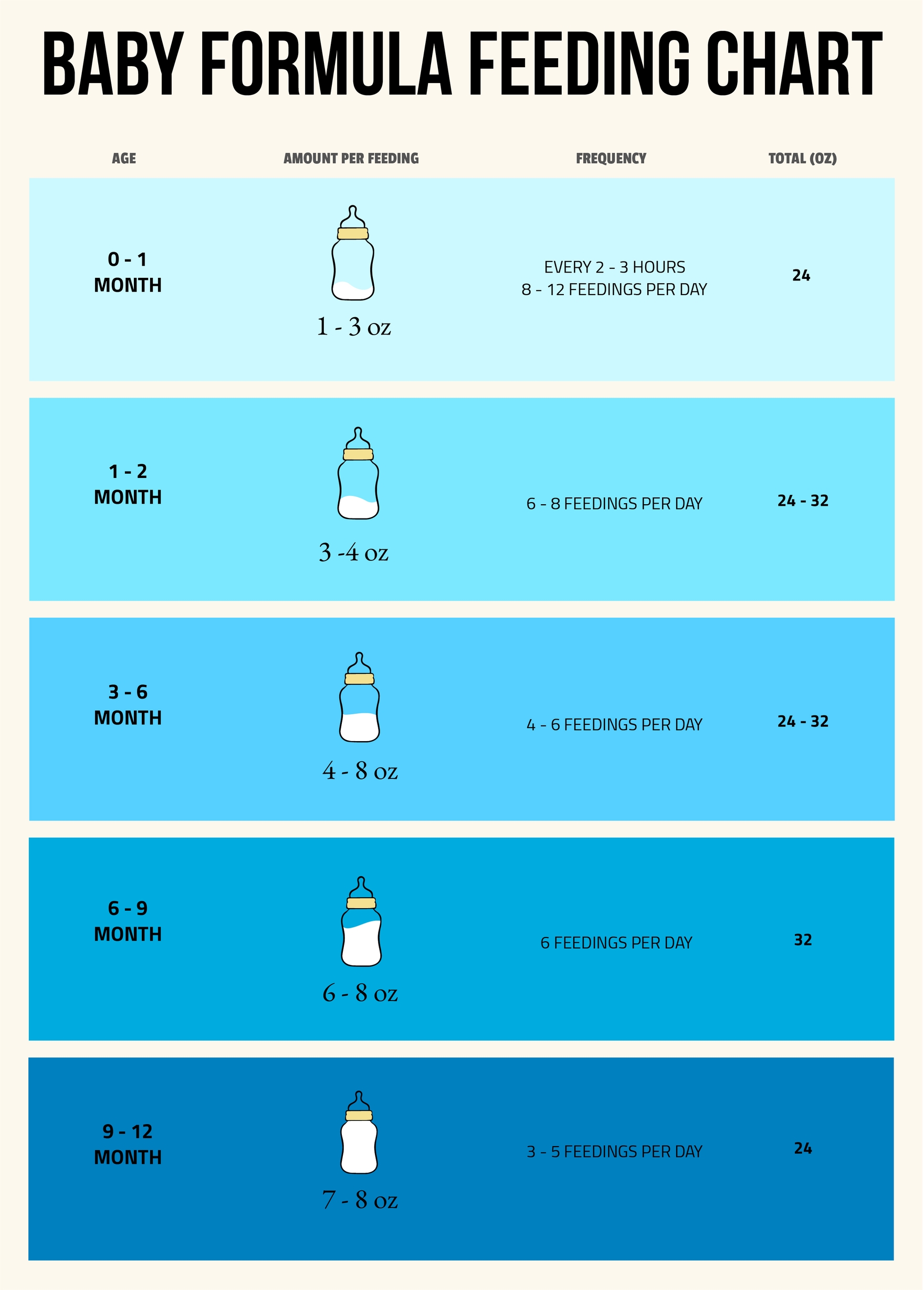
Newborn formula amounts vary by body size, age, health, and feeding pattern. Many full-term newborns begin with small feeds and gradually take more over the first weeks.
A young newborn may take about 1 to 2 ounces per feed at first. By the end of the first month, some babies take about 3 to 4 ounces per feed. These are broad ranges, not strict targets.
Your baby may feed more often with smaller amounts or less often with larger amounts. Both patterns can be normal if growth, wet diapers, and behavior are reassuring.
Use hunger and fullness cues along with your clinician’s advice. Hunger cues may include:
• Stirring
• Bringing hands to the mouth
• Rooting
• Lip smacking
• Sucking on fingers
Crying is often a late hunger cue. Fullness cues may include:
• Turning away
• Closing the mouth
• Relaxing the hands
• Slowing or stopping sucking
• Falling asleep in a relaxed way
Do not pressure a baby to finish a bottle. Newborn formula feeding mechanics work best when the caregiver responds to the baby rather than treating the bottle as a required portion.
Never add cereal, medication, or another ingredient to a bottle without medical advice. These changes can affect nutrition, swallowing, and safety.

Burping, gas, and spit-up
Babies may swallow some air during bottle feeding. A good latch and paced flow can help, but some air is normal.
You can burp the baby during a natural pause or after the feed. Hold the baby upright and support the head and neck. Gently pat or rub the back.
There is no rule that says every baby must produce a loud burp. If the baby is comfortable, a burp may not be needed.
Small amounts of spit-up are common because the muscle between the esophagus and stomach is still developing. Keep the baby upright for a short time after feeding while staying awake and close.
Do not place the baby to sleep on the stomach or on an incline. Safe sleep means placing the baby on their back on a firm, flat surface without loose items.
Call a clinician if spit-up becomes forceful, green, bloody, frequent with poor weight gain, or linked with breathing trouble. Seek urgent help for breathing difficulty, blue color, extreme weakness, or signs of dehydration.
Newborn formula feeding mechanics can reduce some feeding stress, but they cannot diagnose reflux, allergy, infection, or another medical condition. Persistent symptoms need professional assessment.

Cleaning bottles and storing formula
Clean feeding equipment helps reduce the spread of germs. Wash bottles, nipples, rings, and caps after each use.
A basic cleaning routine includes:
• Separate every bottle part.
• Rinse parts after feeding.
• Wash them in hot, soapy water.
• Use a clean brush made for bottles.
• Rinse well.
• Let parts air-dry on a clean surface.
Do not dry bottle parts with a used dish towel. Air drying can reduce contact with germs. Follow the product instructions for dishwasher use and sterilization.
Prepared formula needs careful storage. Follow the label and current public health guidance for the product you use. As a general safety rule, discard formula left in the bottle after a feeding because saliva can allow bacteria to grow.
Do not save a partly used bottle for the next feed. When in doubt, throw it out. Formula is less expensive than treating a serious infection.
Keep powdered formula sealed in a cool, dry place. Do not store it in the refrigerator unless the product directions say to do so. Check the expiration date before use.
Common newborn formula feeding mistakes
Even careful parents make feeding mistakes, especially during tired midnight feeds. The following problems are common and usually preventable:
• Using the wrong water-to-powder ratio: Follow the container directions every time.
• Switching to a faster nipple too soon: Watch the baby, not only the age label.
• Feeding while the baby lies flat: Use a supported, semi-upright position.
• Forcing the last ounce: Stop when the baby shows fullness cues.
• Propping the bottle: Stay with the baby for every feed.
• Reusing leftover formula: Discard milk left after a feeding.
• Enlarging the nipple hole: Replace the nipple with a safe flow option instead.
• Ignoring repeated coughing: Ask a clinician if feeding remains stressful.
One helpful lesson from newborn feeding education is to change one thing at a time. If you change the bottle, nipple, formula, and position on the same day, it becomes hard to know what helped.
Keep a simple note for a few days if feeding feels difficult. Record the bottle size, approximate amount taken, feeding length, spit-up, wet diapers, and behavior. This record can help a pediatric clinician see patterns.
When to contact a pediatric clinician
Some feeding concerns need prompt attention. Contact your baby’s clinician if your newborn:
• Repeatedly coughs, chokes, or struggles to breathe during feeds
• Takes far less formula than usual
• Has fewer wet diapers than expected
• Vomits forcefully or repeatedly
• Has blood or green fluid in vomit
• Seems unusually sleepy or difficult to wake
• Has a fever, especially in the first months of life
• Shows poor weight gain
• Cries in pain during most feeds
• Has persistent diarrhea or signs of dehydration
A newborn may need urgent care for breathing trouble, blue lips or skin, severe weakness, or inability to stay awake for feeds.
Feeding amounts alone do not tell the whole story. Growth checks, diaper output, alertness, and clinical examination provide a clearer picture.
Families also deserve support for feeding anxiety. A lactation consultant, pediatric dietitian, nurse, or pediatric clinician can review the bottle, nipple, position, and preparation method with you.
Frequently asked questions about newborn formula feeding mechanics
How should a newborn hold the bottle during feeding?
The caregiver should hold the bottle, while the baby rests in a supported, semi-upright position. Keep the bottle nearly horizontal so the baby can control the flow and pause to breathe.
What nipple flow is best for a newborn?
A slow-flow or newborn nipple is a common starting point. Choose based on the baby’s behavior, since flow labels vary by brand and a faster nipple may cause coughing or gulping.
How long should a newborn bottle feeding take?
Many feeds take about 10 to 30 minutes, but normal timing varies. A feed that is consistently very short, very long, stressful, or linked with coughing should be discussed with a pediatric clinician.
Should you wake a newborn to feed formula?
Some newborns need scheduled waking, especially if they are premature, have jaundice, or have not regained birth weight. Ask your baby’s clinician for a feeding plan instead of relying on a general rule.
How do you know when a newborn is full?
A full baby may slow down, stop sucking, close the mouth, relax the hands, or turn away. Do not force the baby to finish the bottle after these cues appear.
Can you reuse formula left in a bottle?
It is safest to discard formula left after a feeding. Saliva enters the bottle during sucking and can allow bacteria to multiply.
Is paced bottle feeding required for every newborn?
Paced feeding is not mandatory, but it can help babies manage milk flow and may reduce gulping or stress. Use a calm, nearly horizontal bottle position and follow the baby’s cues.
Conclusion
Newborn formula feeding mechanics involve much more than choosing a bottle. Safe formula measurement, a supported position, a slow and suitable nipple, paced flow, careful burping, and responsive feeding cues all work together.
Watch the baby more than the clock. Feed with patience, pause when needed, and avoid forcing extra milk. If coughing, poor intake, repeated vomiting, breathing changes, or poor growth appear, contact a pediatric clinician.
With practice, bottle feeding becomes less like a test and more like a calm conversation between you and your baby. Use these steps at the next feed, discuss concerns with your care team, and explore trusted infant-feeding resources for continued support.