Newborn feeding frequency changes are normal as babies grow, wake more, and slowly develop steadier hunger cues.
Newborn feeding frequency changes can feel confusing, especially when one day brings frequent feeds and the next brings longer sleep. As a newborn care writer who follows pediatric guidance and parent experiences, I’ll explain what changes are expected, what may signal a problem, and how to respond with confidence.

What newborn feeding frequency changes mean
Newborn feeding frequency changes describe shifts in how often a baby eats during the first weeks and months. These shifts may affect breastfed babies, formula-fed babies, or babies who receive both.
Most newborns feed often because their stomachs are small. Many eat 8 to 12 times in 24 hours during the early weeks. Some feed more often for a few hours, then sleep for a longer stretch.
Feeding does not always follow a clock. A newborn may feed every two hours one day and every hour the next. This pattern is often normal, especially during a growth spurt.
Newborn feeding frequency changes may include:
• More frequent feeds in the evening
• Longer or shorter feeding sessions
• A longer sleep stretch at night
• Several feeds close together, known as cluster feeding
• Fewer feeds as the baby takes more milk at each session
• Temporary changes during growth spurts, illness, or routine changes
The goal is not to force a perfect schedule. The goal is to make sure your baby gets enough milk and shows signs of good health.

How feeding frequency changes during the first months
Newborn feeding frequency changes follow a general pattern, but every baby develops at a different pace. Age, birth size, feeding method, health, and milk supply can all affect the pattern.
The first 24 hours
Many full-term babies are sleepy during the first day. Some feed only a few times, while others wake and feed often.
Colostrum, the first breast milk, comes in small amounts but is rich in nutrients. A healthy newborn may take only a small volume at each feed because the stomach is still very small.
Skin-to-skin contact can help wake a sleepy baby. Gentle diaper changes, soft talking, or rubbing the baby’s back may also help.
Days two through seven
Feeding often becomes more frequent during this stage. Breastfed babies may nurse 8 to 12 times each day. Formula-fed babies often eat every 2 to 4 hours, but they may not follow an exact pattern.
Newborn feeding frequency changes can be very noticeable when mature breast milk begins to increase. Babies may seem hungry soon after a feed. This does not always mean that milk supply is low.
Weeks two through six
Many babies still feed 8 to 12 times daily. Some begin to take more milk per feed and sleep for one longer stretch.
Growth spurts may lead to temporary cluster feeding. Common periods include around 2 to 3 weeks, 6 weeks, and 3 months, although timing varies.
A baby may nurse every 30 to 60 minutes for part of the day during a growth spurt. This often settles within a day or several days.
Around two to six months
feeding often becomes more efficient as babies grow stronger. A baby may finish a feed faster while still taking enough milk.
Some babies begin to space feeds farther apart. Others continue to eat often, especially during periods of rapid growth or increased activity.
Breast milk or infant formula remains the main source of nutrition. Solid foods usually begin around 6 months when a baby shows readiness signs, not simply because feeding frequency changes.
Typical newborn feeding frequency by feeding method
Feeding method can affect timing, but it does not determine one “right” schedule. Hunger cues, growth, and diaper output matter more than a strict timetable.
Breastfed babies
Breast milk digests quickly, so breastfed babies may feed often. Many newborns nurse 8 to 12 times in 24 hours, and some feed more during cluster periods.
A breastfed baby may have short feeds, long feeds, or a mix of both. Session length alone cannot show how much milk the baby took.
Look for signs of effective feeding:
• A deep latch without ongoing pain
• Rhythmic sucking and swallowing
• Softer breasts after feeding
• A relaxed body after many feeds
• Steady weight gain after the early weight loss period
Formula-fed babies
Formula-fed newborns often feed every 2 to 4 hours. The amount usually increases gradually as the baby grows, but caregivers should follow the formula label and their pediatrician’s advice.
Do not pressure a baby to finish a bottle. Babies may need different amounts at different feeds, and forcing more can lead to discomfort or overfeeding.
Use paced bottle-feeding when possible. Hold the bottle more level, allow pauses, and watch for fullness cues.
Combination-fed babies
Combination feeding can make newborn feeding frequency changes harder to track. A baby may nurse first and then take a small amount of formula, or alternate breast milk and formula at different feeds.
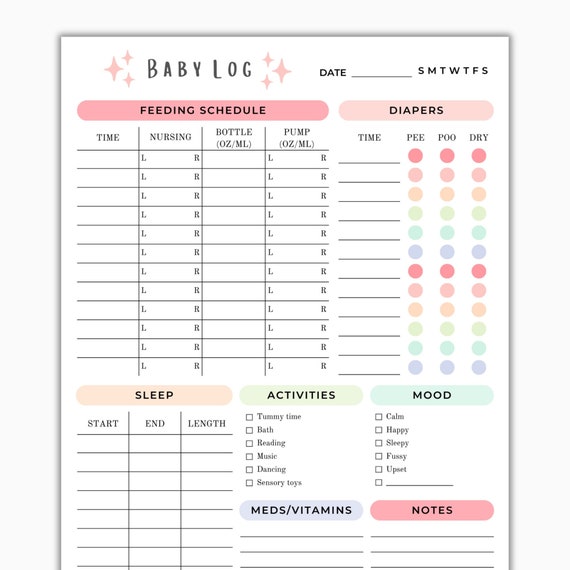
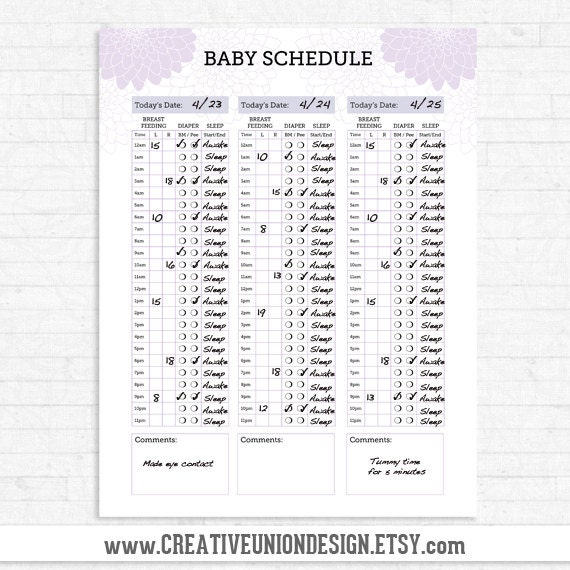
Keep a simple record during the early weeks. Note feeds, wet diapers, stools, and any supplements. This record can help a lactation consultant or pediatric clinician see the full picture.
Why newborn feeding frequency changes happen
Newborn feeding frequency changes often have a clear reason. Sometimes, they are simply part of normal growth.
Growth spurts
During a growth spurt, babies may feed more often. This is one way babies signal the body to make more milk when breastfeeding.
Growth-spurt feeding can feel intense. It may seem as if the baby is never satisfied, but the pattern often eases after a short time.
Cluster feeding
Cluster feeding means several feeds happen close together. It often occurs in the late afternoon or evening.
Cluster feeding does not automatically mean low milk supply. Check diaper output, swallowing, weight gain, and feeding comfort before assuming there is a problem.
Increased milk transfer
As babies mature, they often become better at removing milk. A shorter feed may still be a full feed.
This is why comparing minutes at the breast from one week to the next can cause worry. The better question is whether the baby is growing and acting well.
Sleep and development
A baby may sleep longer after a satisfying feed. However, young newborns may still need to wake for feeds, especially until they regain birth weight.
Ask your pediatric clinician when it is safe to let your baby sleep longer at night. Premature babies and babies with health concerns may need a different plan.
Illness or discomfort
A stuffy nose, reflux symptoms, jaundice, oral pain, or fever can change feeding behavior. Some babies feed less, while others feed for short periods more often.
Newborn feeding frequency changes linked with illness need closer attention. A baby who cannot feed well may become dehydrated quickly.

How to tell whether your newborn is eating enough
Frequency is useful, but it is only one part of the picture. A baby can feed often and still need help with milk transfer. Another baby may feed fewer times but take larger, effective feeds.
Watch these signs:
• Wet diapers increase during the first several days
• By about day five, many babies have at least six wet diapers each day
• The baby has regular stools, although patterns vary
• You hear swallowing during feeds
• The baby seems alert during some wake periods
• The baby’s skin and mouth appear moist
• Weight begins to rise after normal early loss
• A health professional confirms appropriate growth
Weight checks are one of the most reliable ways to assess intake. Home scales can be inaccurate and may create extra worry, so use them only with professional guidance.
A baby who feeds every hour but has poor weight gain may need an assessment. A baby who feeds every three hours, has good diapers, and gains weight may be doing well.
Hunger and fullness cues to follow
Responsive feeding means offering milk when the baby shows hunger cues. It also means allowing the baby to stop when full.
Early hunger cues
• Stirring or waking
• Turning the head from side to side
• Opening the mouth
• Bringing hands toward the mouth
• Making sucking movements
Crying is a late hunger cue. A crying baby may need calming before latching or taking a bottle.
Fullness cues
• Slowing or stopping sucking
• Turning away from the breast or bottle
• Relaxing the hands and body
• Falling asleep in a relaxed way
• Pushing the bottle away
Newborn feeding frequency changes are easier to manage when caregivers respond to these cues. A clock can guide you, but it should not replace your baby’s signals.
How to manage newborn feeding frequency changes
A flexible plan can reduce stress without ignoring safety.
-
Offer feeds at early hunger cues.
-
Wake the baby for feeds if your clinician recommends it.
-
Watch swallowing, not only sucking.
-
Track wet diapers during the early weeks.
-
Attend weight checks as scheduled.
-
Keep feeds calm and limit distractions.
-
Ask for help if feeding is painful or exhausting.
-
Reassess the plan after growth, illness, or a change in feeding method.
Parents often tell me that written notes help them feel calmer. A phone note can include the start time, feeding side or bottle amount, wet diapers, and concerns.
Avoid turning the record into a test. Its purpose is to spot patterns and support a useful conversation with a clinician.
Common mistakes to avoid
Newborn feeding frequency changes can lead to understandable mistakes. Most come from trying to make a newborn follow an adult-style schedule.
Mistake 1: Expecting equal gaps
Newborns do not always feed at evenly spaced times. One feed may come after an hour, while the next may come after three hours.
Mistake 2: Judging intake by time alone
A 10-minute breastfeed may transfer more milk than a 30-minute feed. Look for swallowing, relaxed behavior, diapers, and weight gain.
Mistake 3: Restricting cluster feeding
Trying to delay every feed may leave a baby upset and may reduce breast stimulation. Offer feeds responsively while checking for signs of effective intake.
Mistake 4: Adding formula without guidance
Supplementing can be important when medically needed. But unnecessary or poorly planned supplements may affect breastfeeding and can hide an intake problem.
If supplementation is needed, ask how much to offer, when to offer it, and whether pumping can protect milk supply.
Mistake 5: Ignoring caregiver exhaustion
Frequent feeding can be demanding. Share tasks such as diaper changes, burping, meals, and household work so the feeding parent can rest.
Never feed a baby while dangerously sleepy in a chair or on a couch. Place the baby on a firm, flat sleep surface if you might fall asleep.
When to call a pediatric professional
Contact your pediatric clinician or lactation consultant if:
• Your baby is difficult to wake for feeds
• Your baby has fewer wet diapers than expected
• Your baby repeatedly refuses feeds
• You do not hear swallowing during most feeds
• Breastfeeding causes ongoing pain or nipple damage
• Your baby vomits green fluid or has repeated forceful vomiting
• Your baby is not gaining weight as expected
• You are worried about dehydration
Seek urgent medical care for a newborn with a temperature of 100.4°F (38°C) or higher, measured rectally, unless a clinician gives different instructions.
Newborn feeding frequency changes can be normal, but a sudden drop in feeding deserves attention. Trust your concern and call early rather than waiting for the problem to worsen.
Newborn feeding frequency changes and night sleep
Longer sleep can be welcome, but very young babies may need scheduled waking. This is especially true if a baby was premature, had jaundice, lost significant weight, or has not regained birth weight.
Once your clinician confirms healthy growth, you may be told to follow your baby’s cues at night. Even then, babies may wake often, and nighttime feeding can remain irregular for months.
Safe sleep still matters during every feeding period:
• Place the baby on the back for every sleep.
• Use a firm, flat sleep surface.
• Keep pillows, blankets, and soft items out of the sleep space.
• Avoid sleeping with the baby on a couch or recliner.
Feeding and sleep are linked, but feeding should not be used to force longer sleep. A full feed may help a baby settle, yet normal newborn waking is still expected.
A simple example of changing feeding patterns
Imagine a 2-week-old breastfed baby who feeds 10 times on Monday. On Tuesday, the baby wants to nurse 14 times, mostly in the evening.
If the baby has good swallowing, enough wet diapers, a relaxed body after feeds, and steady weight gain, this may be normal cluster feeding. The parent can offer the breast, rest, drink water, and ask for help with other tasks.
Now imagine the baby feeds 14 times but rarely swallows, has fewer wet diapers, seems very sleepy, and has not gained weight. That pattern needs a prompt feeding assessment.
The same number of feeds can mean different things. Context matters more than the number alone.
Evidence-based guidance and limitations
Pediatric organizations generally support responsive feeding and regular assessment of growth. Common guidance for healthy newborns includes frequent feeding, monitoring diaper output, and checking weight after birth.
No single chart can predict every baby’s pattern. Research and clinical guidance provide ranges, not guarantees. Premature babies, babies with medical conditions, and babies with feeding challenges may need individualized plans.
Online advice cannot replace an examination, weight check, or feeding observation. When questions remain, contact a pediatric clinician, certified lactation consultant, or other qualified newborn feeding professional.
Frequently asked questions about newborn feeding frequency changes
How often should a newborn eat?
Many newborns feed 8 to 12 times in 24 hours, but some feed more or less. Hunger cues, diaper output, and weight gain are more useful than a strict schedule.
Is it normal for a newborn to feed every hour?
Yes, short periods of hourly feeding can occur during cluster feeding or growth spurts. Call a clinician if the baby seems weak, has poor diaper output, or is not gaining weight.
Do newborn feeding frequency changes mean my milk supply is low?
Not always. Frequent feeding can help increase milk production and may be normal, especially during a growth spurt. Low supply is assessed through milk transfer, diapers, and weight gain, not feeding frequency alone.
When can I stop waking my newborn to eat?
Ask your pediatric clinician. Many babies need scheduled feeds until they regain birth weight and show steady growth, while premature or medically fragile babies may need longer monitoring.
Should I feed my newborn on a schedule?
Use a flexible routine rather than a strict clock. Offer feeds at early hunger cues and follow medical advice about waking, supplements, and overnight feeding.
How do I know if my formula-fed newborn is eating enough?
Follow the formula instructions and your clinician’s serving guidance. Regular wet diapers, a comfortable baby, and steady weight gain help show that intake is adequate.
What should I do if feeding suddenly decreases?
Check whether the baby is alert, swallowing, and making wet diapers. Contact a clinician promptly if the baby refuses feeds, is hard to wake, vomits repeatedly, or has fewer wet diapers.
Conclusion
Newborn feeding frequency changes are a normal part of early growth, but they should be viewed alongside hunger cues, swallowing, wet diapers, and weight gain. Cluster feeding, growth spurts, and shorter feeds can all be normal, while poor intake or a sudden drop in feeding needs prompt attention.
Use a flexible plan, keep simple notes, and ask for help early when something feels wrong. Share this guide with another new parent, and bring your feeding questions to your baby’s next pediatric or lactation visit.