Newborn sensory stimulation principles help babies learn through safe, gentle, and age-appropriate sights, sounds, touch, movement, and smells.
Newborn sensory stimulation principles guide parents and caregivers in offering the right input without overwhelming a young nervous system. A newborn does not need bright toys, loud music, or complex activities. Instead, calm voices, skin-to-skin contact, soft light, and slow movement can support bonding, comfort, and early development. This guide explains how newborn senses work, which activities are helpful, what signs show overstimulation, and how to build simple sensory moments into daily care.

What Are Newborn Sensory Stimulation Principles?
Newborn sensory stimulation principles are basic rules for giving babies safe sensory experiences during the first weeks and months of life. These experiences involve touch, hearing, sight, smell, taste, balance, and body position.
A newborn’s brain is still building its early connections. Each gentle experience gives the brain information about the world. Still, more stimulation is not always better. A newborn needs a balance of input and rest, much like a small plant needs both sunlight and shade.
The main newborn sensory stimulation principles are:
• Keep stimulation gentle and brief.
• Use familiar caregivers and calm settings.
• Follow the baby’s cues.
• Introduce one main sensory input at a time.
• Allow quiet breaks between activities.
• Make safety more important than entertainment.
• Use normal caregiving moments as learning opportunities.
Newborn sensory stimulation principles are not a training program or a way to speed up development. They are a thoughtful approach to daily interaction. Feeding, diaper changes, cuddling, bathing, and soothing can all become useful sensory experiences.
A baby may learn from the warm pressure of a caregiver’s hand, the rhythm of a parent’s voice, or the soft contrast of a face near the crib. These simple moments often matter more than expensive products.
Why Sensory Stimulation Matters for Newborns
Newborns learn through their bodies before they understand words or images. Their senses help them feel safe, notice patterns, and connect with caregivers.
Gentle sensory input may support several areas of early growth:
• Emotional regulation: Calm touch and a familiar voice may help a baby settle.
• Bonding: Face-to-face contact and skin-to-skin care support early attachment.
• Communication: Babies begin to notice tone, rhythm, pauses, and facial expressions.
• Motor development: Safe movement helps babies experience body position and balance.
• Attention: Short, calm interactions help babies slowly practice looking and listening.
• Sleep and comfort: Predictable routines can help babies understand when it is time to rest.
Studies on infant development show that responsive caregiving is linked with healthy social and emotional development. This does not mean every sensory activity creates a measurable result. Development depends on many factors, including health, temperament, sleep, nutrition, and the quality of caregiver relationships.
One important lesson in newborn sensory stimulation principles is that connection matters more than performance. A newborn does not need a perfect activity plan. The baby needs a responsive adult who notices signals and adjusts with care.
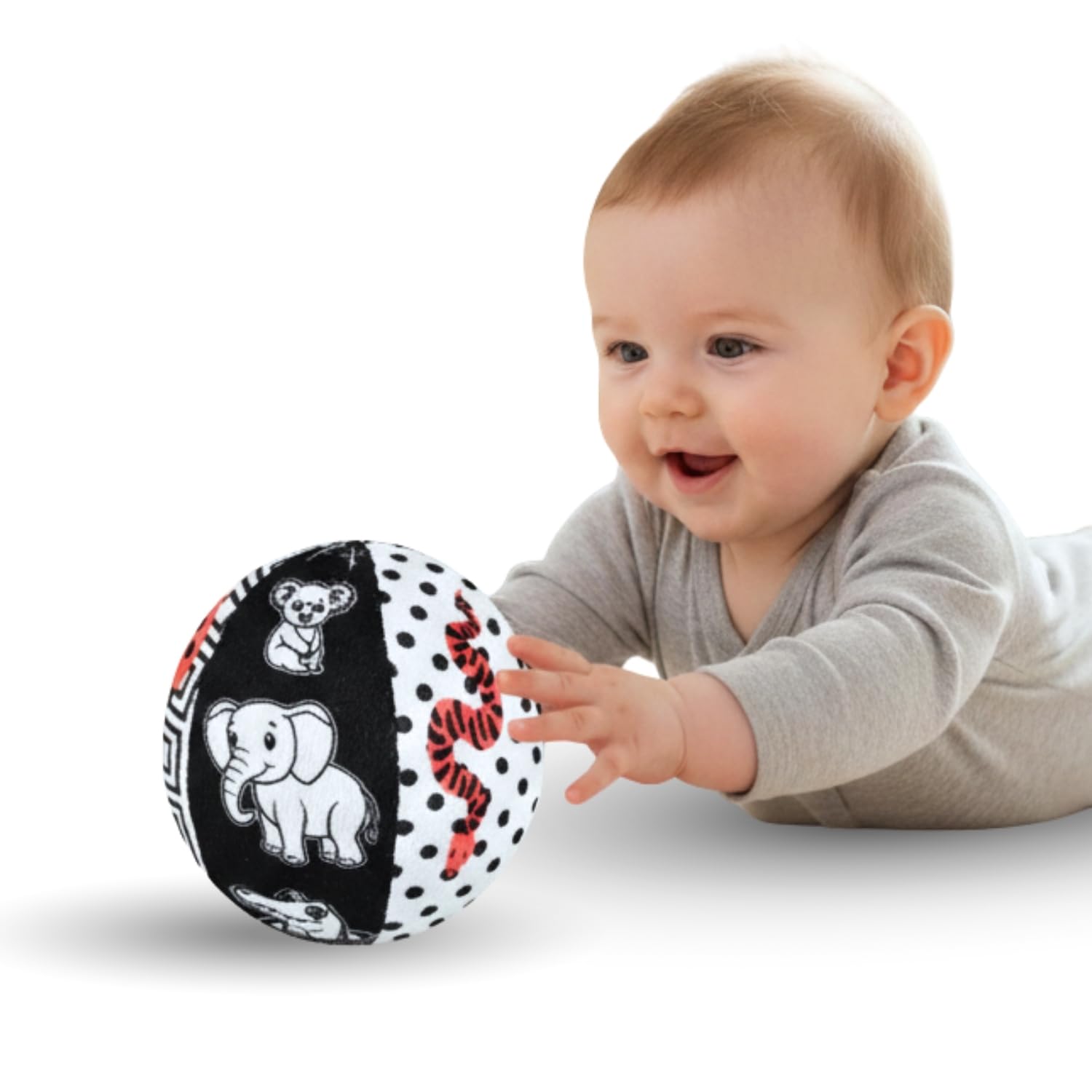
How Newborn Senses Develop
Newborn sensory stimulation principles work best when caregivers understand what babies can actually sense. Newborns are not born with fully mature sensory systems, but they already have useful abilities.
touch
touch is one of the strongest early senses. Newborns may respond to warmth, pressure, texture, and gentle movement.
Safe touch can include:
• Skin-to-skin contact on a caregiver’s bare chest
• A slow hand placed on the baby’s back
• Gentle holding during feeding
• A soft massage when the baby is calm and alert
Avoid sudden poking, rough rubbing, or fast movements. A baby’s skin is delicate, and some newborns may have medical needs that make massage unsafe.
Hearing
Newborns can hear before birth. After delivery, they often respond to familiar voices and steady sounds.
Helpful sounds may include:
• Quiet talking
• Soft singing
• Reading in a calm voice
• Gentle humming
• Normal household sounds at a moderate level
Caregivers do not need to whisper all day. Everyday speech helps babies learn the patterns of human language. However, loud music, shouting, and sudden noise may cause stress.
Sight
Newborn vision is still developing. Many babies see best at close range, often about 8 to 12 inches from the face. This is roughly the distance between a baby and a caregiver during feeding.
Newborns often notice:
• Human faces
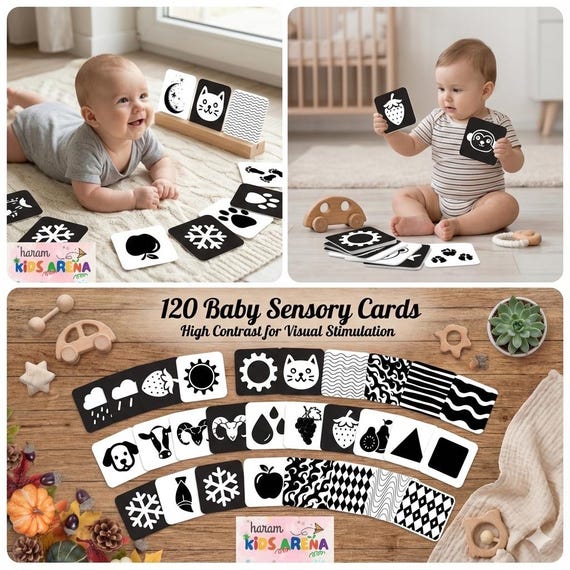
• Strong light and dark contrast
• Slow movement
• Simple shapes
• Familiar objects
Bright screens and flashing toys are not needed. A calm face and a few seconds of eye contact may be more useful than a busy visual display.
Smell
Smell helps newborns recognize caregivers and feeding cues. Babies may respond to the familiar scent of breast milk, skin, or a caregiver’s clothing.
Strong perfumes, smoke, air fresheners, and scented lotions can be irritating. Many newborn sensory stimulation principles favor a low-scent environment, especially for babies with sensitive skin or breathing concerns.
Taste
Taste develops before birth, and newborns have strong feeding-related taste experiences. Breast milk or infant formula should remain the only food source during early infancy unless a health professional gives different advice.
Do not use food, sweet liquids, herbs, or flavored products as sensory activities for a newborn. They may create choking, allergy, infection, or dental risks.
Movement and balance
The vestibular system helps the body sense movement and position. Holding, rocking, and changing positions provide gentle movement experiences.
Movement should always be slow and controlled. Never shake a baby, toss a baby into the air, or use fast bouncing. Shaking can cause severe brain injury or death.

Practical Newborn Sensory Stimulation Activities
The best newborn sensory stimulation principles fit into normal care. You can use these ideas during a calm time when the baby is awake and not hungry.
Skin-to-skin contact
Place the diapered baby upright against your bare chest. Cover the baby’s back with a blanket and keep the head turned to the side so the airway stays clear.
Skin-to-skin care may support warmth, heart rate, breathing, feeding, and bonding. It is often used in hospitals for full-term and premature babies, but families should follow medical guidance for babies with special needs.
Always stay awake and alert during skin-to-skin contact. Do not do it on a couch or bed if you might fall asleep.
Face-to-face talking
Hold your baby close and speak in a slow, warm voice. Pause often and give the baby time to respond with a look, movement, or sound.
You can describe simple actions:
• “I am changing your diaper.”
• “You are safe.”
• “Now we are putting on your shirt.”
The goal is not to teach words. The goal is to build a rhythm of attention and response.
Reading aloud
Reading can begin from birth. Choose a short board book, poem, or story with a calm rhythm. Your voice matters more than the plot.
Keep the book a comfortable distance from the baby. Stop if the baby looks away, fusses, or becomes tired.
Gentle singing
Singing offers rhythm, pitch, and emotional warmth. A simple lullaby can become a familiar signal for comfort or sleep.
You do not need a strong singing voice. Babies often respond to a caregiver’s familiar voice, not musical skill.
Slow visual tracking
When your baby is calm and alert, move your face or a simple black-and-white card slowly from one side to the other. Keep the object close and move only a short distance.
Stop if the baby looks away or becomes fussy. Visual tracking develops gradually, so do not expect a newborn to follow an object smoothly.
Gentle movement
Hold your baby securely and walk slowly around the room. You can also rock in a steady rhythm while supporting the head and neck.
Movement should feel predictable. If the baby’s body becomes stiff, the face changes color, or the baby cries, stop and offer rest.
Calm bathing
Bath time gives a baby new experiences with water, warmth, sound, and touch. Keep the room warm, use shallow water, and support the baby at all times.
Never leave a baby alone in water, even for a moment. A baby can drown in only a small amount of water.
Outdoor awareness
A short walk outside can provide gentle changes in light, air, and sound. Keep the baby shaded and dressed for the weather.
Avoid crowded, smoky, or very noisy places. Ask a pediatrician for advice if your baby was premature or has a health condition.

How to Read Newborn Cues
Following baby cues is one of the most important newborn sensory stimulation principles. A baby cannot say, “That is enough,” so the body sends signals instead.
Signs your baby is ready
A calm, alert baby may:
• Look at your face
• Move arms and legs smoothly
• Make soft sounds
• Keep a relaxed body
• Turn toward your voice
• Show steady breathing
These are good times for a short interaction.
Signs of overstimulation
A baby may need a break when you notice:
• Looking away repeatedly
• Frowning or grimacing
• Hiccups
• Sneezing several times
• Yawning
• Stiff arms or legs
• Finger spreading
• Fussing or crying
• Changes in skin color
• Fast breathing
One cue does not always mean a serious problem. Hiccups, yawning, and sneezing can have many causes. Look at the whole pattern and respond calmly.
What to do when the baby needs a break
Reduce sound and light. Stop the activity. Hold the baby close, use a calm voice, or place the baby safely on their back in the crib if they need sleep.
A useful rule is “less, slower, and softer.” When a baby seems overloaded, adding more stimulation usually does not help.

Creating a Simple Sensory Routine
Newborn sensory stimulation principles do not require a strict schedule. Newborn sleep and feeding patterns change often. A flexible routine works better than a timed program.
Try this simple approach:
-
Choose a calm moment after feeding and burping.
-
Check that the baby is awake and comfortable.
-
Offer one activity for one to three minutes.
-
Watch the baby’s face, body, and breathing.
-
Stop at the first clear sign of stress or tiredness.
-
End with a quiet cuddle or rest.
For example, you might talk to your baby during a diaper change in the morning. Later, you might offer skin-to-skin contact. During another calm period, you could read a short story.
The activity does not need to last long. Newborns may benefit from several small interactions more than one long session.
Caregivers should also protect their own energy. A tired adult may find it harder to notice subtle cues. If you feel overwhelmed, place the baby safely on their back in the crib and take a short break.

Common Mistakes to Avoid
Even well-meaning caregivers can offer too much stimulation. Newborn sensory stimulation principles help prevent these common errors.
Using too many activities at once
A flashing toy, loud music, movement, and bright light can overload a newborn. Try one simple input at a time.
Keeping the baby awake for learning
Sleep is not wasted time. Newborns need large amounts of sleep for growth and brain development. Do not delay feeding or sleep to complete an activity.
Comparing babies
One newborn may enjoy eye contact, while another turns away quickly. Temperament, age, health, and birth history affect sensory responses.
Treating products as essential
Special cards, toys, and sound machines may be useful, but they are not required. Your face, voice, hands, and presence are powerful tools.
Ignoring medical advice
Premature babies and babies with hearing, vision, breathing, neurological, or developmental concerns may need a tailored plan. Ask a pediatrician, occupational therapist, or other qualified clinician for guidance.
Using unsafe sleep positions
Sensory activities should happen only while the baby is awake and supervised. For sleep, place the baby on their back on a firm, flat surface with no loose blankets, pillows, bumpers, or stuffed toys.
Relying on personal stories as proof
A baby may seem calmer after one activity, but that does not prove the activity works for every baby. Personal experience is useful, yet it cannot replace medical evidence or professional advice.

Newborn Sensory Stimulation and Premature Babies
Premature babies may respond differently to light, sound, touch, and movement. Their nervous systems may be less ready to manage stimulation outside the womb.
For a premature baby, newborn sensory stimulation principles may include:
• Reducing bright light
• Limiting loud or sudden sounds
• Using slow, firm touch instead of light tickling
• Supporting flexed, comfortable body positions
• Offering skin-to-skin care when approved
• Allowing longer rest periods
Neonatal intensive care teams often use individualized developmental care. The right approach depends on gestational age, breathing support, weight, feeding ability, and medical stability.
Parents should not feel pressure to provide constant stimulation. Quiet presence can be deeply supportive. Ask the care team which signs show that your baby is ready for interaction and which signs mean the baby needs rest.
What Research Says About Sensory Input
Research supports responsive caregiving, skin-to-skin care, early communication, and safe developmental support. These practices may help with bonding, stress regulation, feeding, and early social development.
However, research does not show that every commercial sensory product improves intelligence or guarantees advanced development. Claims about “brain-boosting” toys should be viewed carefully.
Newborn sensory stimulation principles are best understood as relationship-based care. The strongest benefit may come from the repeated pattern of noticing, responding, and comforting. This pattern teaches a baby that the world can be predictable and safe.
The evidence also has limits. Studies may involve different groups of babies, different settings, and different measures of development. A short-term change in calm behavior does not always predict long-term outcomes.
For reliable guidance, families can consult pediatric care recommendations, public health guidance, and neonatal developmental specialists. If a baby has unusual responses to sound, light, touch, or movement, professional assessment is more useful than online comparisons.
A Practical Example From Daily Life
Imagine a parent changing a newborn’s diaper. Instead of rushing in silence, the parent first makes eye contact, speaks softly, and places one warm hand on the baby’s chest. The baby looks toward the voice, relaxes, and moves both arms.
The parent continues slowly. When the baby turns away and begins to fuss, the parent stops talking, finishes the diaper change, and offers a quiet cuddle.
This small scene captures several newborn sensory stimulation principles. It uses touch, hearing, sight, timing, and caregiver response. It also shows an important lesson: the adult does not force the interaction.
A common mistake is to keep trying because the activity “should” help. In real life, the best response may be to stop. Respecting the baby’s limit is itself a form of healthy stimulation because it builds trust and safety.
When to Seek Professional Advice
Talk with a pediatrician if you have concerns about your baby’s sensory responses or development. Early advice can reduce worry and help you find the right support.
Seek prompt medical care if your newborn:
• Has trouble breathing
• Turns blue, gray, or very pale
• Is difficult to wake for feeds
• Has repeated abnormal movements
• Has a fever, especially during the first months
• Does not respond to loud sounds over time
• Has persistent feeding problems
• Seems unusually stiff or floppy
• Cries intensely and cannot be comforted
Sensory differences do not always indicate a disorder. Some babies are more sensitive, while others are more active or quiet. A qualified clinician can consider the baby’s full health history instead of judging one behavior alone.
Frequently Asked Questions About Newborn Sensory Stimulation Principles
What are the most important newborn sensory stimulation principles?
The main principles are gentleness, short sessions, close supervision, and careful attention to the baby’s cues. Use familiar voices, soft touch, slow movement, and quiet breaks rather than intense or constant input.
How much sensory stimulation does a newborn need?
There is no fixed daily amount. A few calm minutes during routine care can be enough, and sleep, feeding, and comfort should always come first.
Can sensory stimulation help a newborn sleep?
Calm, predictable input, such as soft singing or gentle holding, may help some babies settle. It cannot replace safe sleep practices, and stimulating activities should stop when the baby shows signs of tiredness.
Are sensory toys necessary for newborn development?
No. Newborns can receive useful sensory experiences through faces, voices, touch, movement, and normal household life. Toys should be simple, safe, clean, and used only with supervision.
How can I tell if my newborn is overstimulated?
Common signs include looking away, yawning, hiccupping, stiffening, spreading the fingers, fussing, or crying. Lower the light and sound, stop the activity, and give the baby time to recover.
Is skin-to-skin contact a form of sensory stimulation?
Yes. Skin-to-skin contact provides warmth, pressure, smell, sound, and emotional connection. Keep the baby’s airway clear, stay awake, and follow medical guidance when the baby has special health needs.
Can I use music or white noise with a newborn?
Soft music may be calming, but loud sound can harm hearing or cause stress. Keep sound machines far from the crib, use the lowest effective volume, and avoid running them continuously.
Conclusion
Newborn sensory stimulation principles center on simple, safe, and responsive care. Gentle touch, calm voices, close faces, slow movement, and quiet rest can support bonding and early learning without overwhelming a developing nervous system.
The most useful activity is often the one already happening: feeding, cuddling, changing, bathing, or talking. Watch your baby’s signals, slow down when needed, and remember that rest is just as important as interaction.
Start with one calm sensory moment today, then adjust it to your baby’s response. For more guidance, speak with your pediatrician or a qualified infant development professional, and share your own helpful experiences with other caregivers.