Newborn positional skull development reflects a soft, growing skull that can gently change shape with pressure.
Newborn positional skull development is a normal part of early growth, but it can raise real concerns for parents. A baby’s skull is soft by design, allowing the brain to grow quickly and the head to pass through birth. In this guide, you will learn how position affects head shape, what changes are common, how to support healthy growth, and when to call your baby’s health care provider.
What Is Newborn Positional Skull Development?
Newborn positional skull development describes how a baby’s skull grows and responds to pressure during the first months of life. A newborn’s skull has several bones joined by flexible seams called sutures. Soft areas called fontanelles, or “soft spots,” also allow the skull to expand as the brain grows.
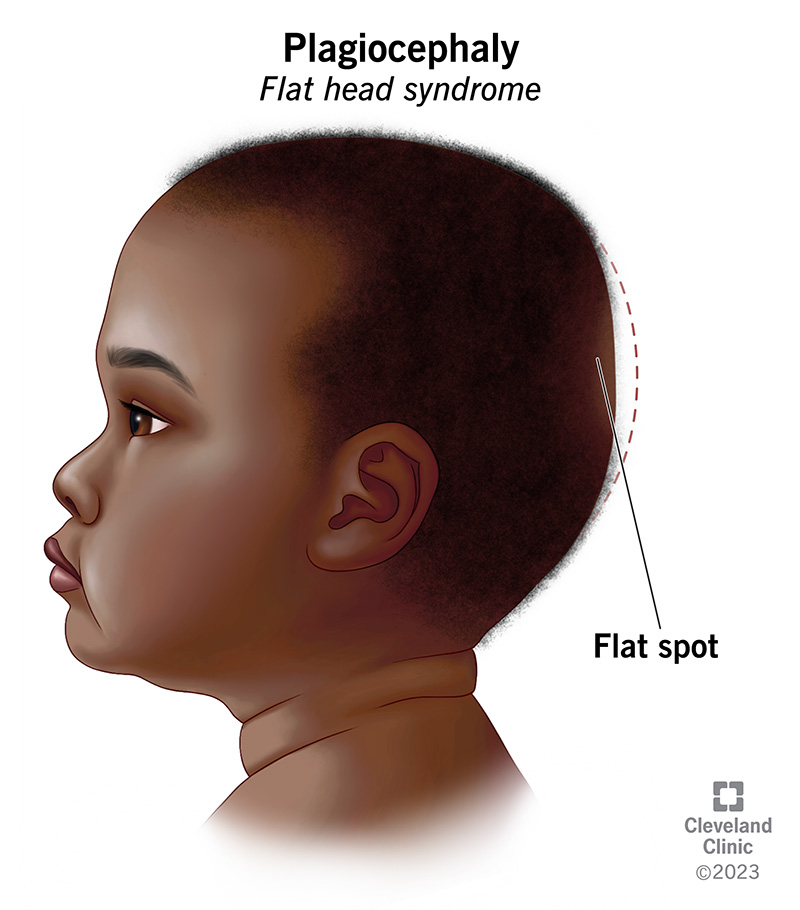
Because the skull is flexible, repeated pressure on one area may change its shape. This change is often called positional skull deformity or deformational plagiocephaly. It does not usually mean that the brain is under pressure.
Common shape changes include:
• Plagiocephaly: A flat spot on one side of the back of the head, often with a slight shift of the ears or forehead.
• Brachycephaly: A broad, flat area across the back of the head.
• Scaphocephaly: A long, narrow head shape. This may be linked to early fusion of a skull suture and needs medical review.
Healthy newborn positional skull development depends on growth, movement, sleep position, muscle strength, and time spent in one posture. A baby may have a mild flat area that improves as the baby gains head control and spends more time upright.
Why Does a Baby’s Head Shape Change?
The main cause of positional skull flattening is steady pressure on the same part of the skull. Young babies spend many hours lying down, and they may not yet turn their heads well. This makes the back or side of the head more likely to flatten.
Several factors may contribute to newborn positional skull development:
• Sleeping in one head position for long periods
• Tight neck muscles, known as torticollis
• Spending a lot of time in swings, bouncers, car seats, or loungers
• Premature birth, because premature skull bones may be softer
• Multiple births, when space in the womb is limited
• A large baby size or difficult birth
• Low muscle tone or limited movement
• Feeding with the head turned to one side
The safe sleep message remains clear: place babies on their backs for every nap and night sleep. Do not use pillows, wedges, sleep positioners, or soft products to keep a baby in place. These items can increase the risk of suffocation and sleep-related death.
A useful way to think about newborn positional skull development is to compare the skull to soft clay. Gentle pressure over time may leave a mark, but normal movement and growth can help smooth the shape.
Normal Skull Shape Changes Versus Warning Signs
Many newborns have an uneven head shape after birth. The shape may look unusual during the first days because of molding during labor. This often improves within the first few weeks.
Positional flattening usually has these features:
• The flat area is on the back or one side of the head
• The forehead may look slightly more prominent on the same side
• One ear may sit a little farther forward
• The shape looks smooth rather than sharply raised
• The baby seems comfortable and develops normally
Parents should contact a pediatric clinician if the head shape is severe, worsens quickly, or looks unusual from birth. A ridge along a skull suture, a pointed forehead, a triangular forehead, or a very long and narrow head may need further assessment.
Warning signs can include:
• A soft spot that looks persistently bulging when the baby is calm and upright
• Repeated vomiting
• Poor feeding
• Extreme sleepiness or unusual irritability
• Seizures
• A head size that grows too quickly or too slowly
• Loss of developmental skills
These signs do not always mean a skull problem, but they deserve prompt medical attention. Newborn positional skull development should be assessed by a trained professional when the pattern is unclear.

How Safe Sleep Supports Healthy Skull Growth
Back sleeping is one of the most important ways to reduce sleep-related risk. It can also increase the chance of a flat spot because the back of the head rests on the mattress. The answer is not to place a baby on the stomach or side for sleep.
Instead, parents can protect sleep safety while adding movement during awake time. This supports newborn positional skull development without creating unsafe sleep conditions.
Use these habits:
• Place your baby on a firm, flat sleep surface.
• Keep the crib free of pillows, blankets, bumpers, and toys.
• Turn your baby’s head gently to alternate sides when placing the baby down.
• Move the crib direction or change the location of safe visual interest so your baby looks both ways.
• Hold your baby often when the baby is awake and supervised.
• Limit long periods in car seats, swings, and bouncers when they are not needed for travel.
• Never use a helmet, pillow, or positioner during sleep without medical guidance.
A car seat should be used for travel, not routine sleep at home. If your baby falls asleep during a trip, move the baby to a safe sleep space when you arrive.
Tummy Time and Position Changes
Tummy time is one of the simplest tools for newborn positional skull development. It reduces pressure on the back of the head and helps build strength in the neck, shoulders, arms, and upper body.
Begin with short, supervised sessions when your baby is awake. Even one or two minutes several times a day can help. Slowly increase the time as your baby becomes stronger and more comfortable.
Try these gentle options:
-
Place your baby on your chest while you recline and stay fully awake.
-
Lay your baby across your lap with one hand supporting the head.
-
Use a clean floor mat and place your face or a safe toy in front of the baby.
-
Carry your baby upright against your chest.
-
Change the arm you use during feeding and carrying.
-
Encourage your baby to look toward both sides with your voice or a colorful toy.
Do not leave a baby alone on a bed, couch, or adult chair for tummy time. These surfaces can create a fall or suffocation risk.
A common lesson for new parents is that short sessions count. Many babies dislike tummy time at first. Gentle, frequent practice often works better than one long session.

Torticollis and Newborn Head Position
Torticollis is a condition in which a baby’s neck muscles are tight or uneven. A baby with torticollis may prefer looking in one direction, tilt the head, or struggle to turn toward one side. This can increase one-sided pressure and affect newborn positional skull development.
Parents may notice:
• The baby always faces the same direction
• The chin points toward one shoulder
• Feeding is easier on one side
• The baby becomes upset when turning the head the other way
• One side of the back of the head becomes flatter
Do not force the baby’s neck to turn. Ask a pediatric clinician for an examination. A physical therapist trained in infant care may teach safe stretches and play positions.
Early support often helps improve movement and reduces ongoing pressure. It can also help the baby reach motor milestones with greater comfort.
When Should Parents See a Doctor?
Bring up head shape at a routine newborn or infant visit. A clinician can examine the skull, neck movement, soft spots, growth pattern, and overall development. Photos taken from above and from both sides can help you notice changes over time, but they cannot replace an examination.
Seek advice sooner when:
• Flattening is moderate or severe
• The shape continues to worsen after several weeks of repositioning
• Your baby cannot turn the head both ways
• A hard ridge appears along a skull seam
• The head shape seems narrow, pointed, or unusually tall
• You are unsure whether the change began at birth or developed later
Medical professionals assess newborn positional skull development by looking at the head from several angles. They may measure head growth and check whether the skull sutures feel normal. Imaging is not always needed for typical positional flattening.
Craniosynostosis is different from positional flattening. It occurs when one or more skull sutures fuse too early. This condition is less common but requires medical evaluation. A clinician, not a home measurement or internet photo, should make the diagnosis.

Treatment Options for Positional Flattening
Mild positional flattening often improves with growth, movement, and better head positioning during awake time. The skull grows rapidly during the first year, and many babies show clear improvement as they sit, roll, and crawl.
Treatment may include:
• Repositioning during awake time
• More supervised tummy time
• Physical therapy for torticollis
• Changes to feeding and carrying positions
• Regular checks of head growth
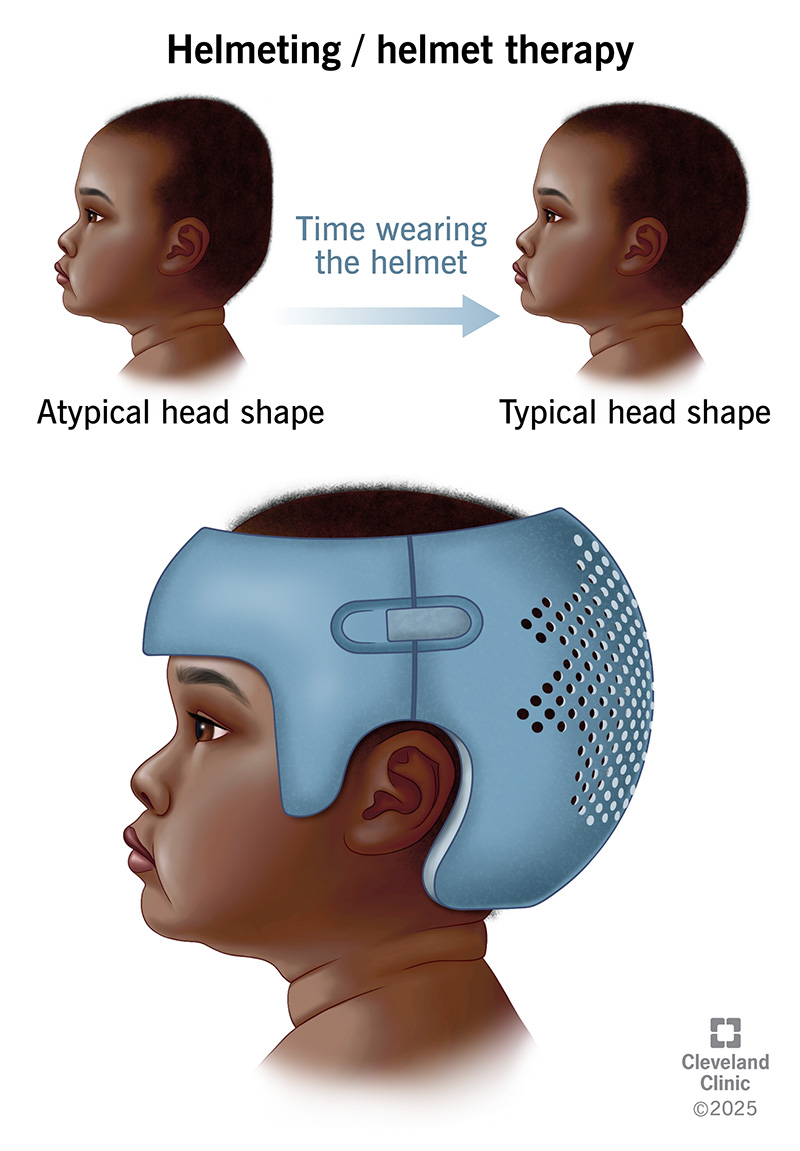
A cranial remodeling helmet may be considered for some babies with moderate or severe flattening. It is usually fitted by a specialist and works by guiding growth toward a more balanced shape. Helmets do not replace safe sleep, tummy time, or treatment for tight neck muscles.
Helmet treatment has limits. It can cost a great deal, may cause skin irritation, and may not offer much benefit for mild cases. The best timing depends on the baby’s age, severity, skull growth, and clinical examination. Parents should discuss expected benefits, risks, cost, and alternatives with a qualified pediatric team.
Research suggests that many mild cases improve without helmet therapy. Evidence about the benefit of helmets for every degree of flattening is mixed, so treatment should be individualized rather than based on appearance alone.
What Parents Can Do at Home
Small changes can make a meaningful difference in newborn positional skull development. The goal is not to keep a baby’s head perfectly still. The goal is to create safe chances for the baby to move, look both ways, and reduce constant pressure on one spot.
A practical daily plan may include:
• Offer supervised tummy time after diaper changes.
• Alternate the side used for feeding and carrying.
• Place safe interaction on the less-preferred side during awake play.
• Hold your baby upright for calm, supervised periods.
• Reduce unnecessary time in containers.
• Check whether the baby can turn the head in both directions.
• Keep all sleep spaces flat, firm, and clear.
Avoid these common mistakes:
• Do not place a baby to sleep on the stomach to prevent a flat head.
• Do not use a pillow, rolled towel, or sleep positioner in the crib.
• Do not stretch the neck forcefully.
• Do not wait months to ask about a strong head preference.
• Do not assume a helmet is needed without an assessment.
Parents often feel guilty when they notice a flat spot. That guilt is usually misplaced. Positional flattening is common, and safe back sleeping is still the right choice. The most helpful response is early, calm action and professional guidance when needed.
How Newborn Positional Skull Development Changes With Age
Newborn positional skull development changes as babies gain strength and mobility. During the first two months, babies have limited control and may spend much of the day lying down. Pressure-related changes may become more noticeable during this stage.
From about two to four months, many babies begin lifting the head during tummy time and turning more freely. This can reduce constant pressure on one area. From four to six months, rolling and improved upper-body control often provide even more natural position changes.
After babies sit and crawl, the back of the head usually receives less pressure. The skull continues to grow, but the fastest period for changing shape is earlier in infancy. This is why early observation matters.
Head shape is only one part of infant health. Feeding, alertness, movement, social response, and development also matter. A baby with a mild flat spot and normal growth may need simple monitoring, while a baby with limited neck movement may benefit from early therapy.

Frequently Asked Questions About Newborn Positional Skull Development
Is newborn positional skull development normal?
Yes. A newborn’s skull is soft and flexible, so its shape can change with birth molding, growth, and daily pressure. Mild unevenness is common, but a clinician should assess severe, unusual, or rapidly changing shapes.
Can back sleeping cause a flat head?
Back sleeping can increase pressure on the back of the skull, which may contribute to positional flattening. However, babies should still sleep on their backs because this position greatly lowers the risk of sleep-related death.
How much tummy time does a newborn need?
Start with short, supervised sessions several times a day when your baby is awake. Build up slowly as your baby gets stronger, and stop when the baby becomes very tired or distressed.
Will a baby’s flat head round out?
Many mild cases improve as the baby grows, turns the head, rolls, sits, and spends less time on the back. Improvement varies, so ask a pediatric clinician if the flattening worsens or does not begin to improve.
Does a flat head affect brain development?
Positional flattening usually affects skull shape rather than brain growth. Still, babies with a flat head may also have torticollis or other movement concerns, so regular developmental checks remain important.
Does every baby with a flat spot need a helmet?
No. Many babies improve with safe repositioning, tummy time, and treatment for neck tightness. A specialist may discuss a helmet when flattening is significant, persistent, or unlikely to improve with these steps alone.
How can I tell positional flattening from craniosynostosis?
Positional flattening often looks smooth and changes with head position. Craniosynostosis may create an unusual head pattern or a firm ridge over a fused suture, but only a trained clinician can tell the difference reliably.
Conclusion
Newborn positional skull development is shaped by rapid brain growth, flexible skull bones, sleep position, neck movement, and daily pressure. Mild flattening is common and often improves with safe sleep, supervised tummy time, varied carrying positions, and early attention to torticollis.
Never trade safe sleep for a flatter head. Avoid pillows and positioners, watch for unusual signs, and discuss concerns at your baby’s next visit. If this guide helped, share it with another new parent and explore trusted pediatric resources for more support.