Newborn infection exposure prevention lowers a baby’s risk through clean hands, healthy visitors, vaccines, safe feeding, and quick medical care.
Newborns have developing immune systems, so common germs can cause serious illness faster than they do in older children. Newborn infection exposure prevention is not about keeping a baby isolated from the world. It is about using smart layers of protection, knowing which risks matter most, and acting quickly when something seems wrong. This guide explains practical steps backed by pediatric guidance, along with simple habits that families can use at home.
What newborn infection exposure prevention means
Newborn infection exposure prevention includes the daily steps used to reduce a baby’s contact with harmful viruses, bacteria, and fungi. These steps begin during pregnancy and continue through birth, feeding, travel, child care, and home life.
A newborn can become exposed through:
• Unwashed hands
• Coughs, sneezes, and close face contact
• Sick household members or visitors
• Unsafe breast milk or formula handling
• Unclean bottles, breast pump parts, or pacifiers
• Contaminated surfaces
• Mosquitoes, ticks, or animal contact
• Certain infections passed from parent to baby during pregnancy or birth
The goal is risk reduction, not perfect control. Babies will meet germs as they grow. Good newborn infection exposure prevention simply lowers avoidable risks while supporting normal bonding and care.
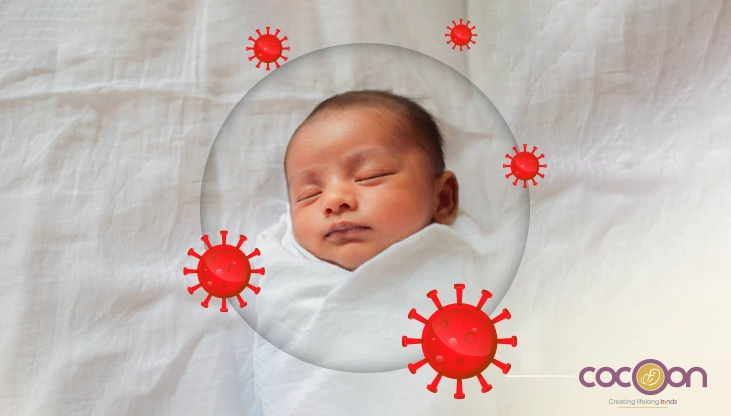
Why newborns need extra protection
A newborn’s immune system is still learning how to respond to germs. The skin and airways are also delicate. Some infections that seem mild in an adult can become dangerous in a baby within hours.
Newborns also have small airways and limited body reserves. A fever, poor feeding, vomiting, or breathing problem can affect them quickly. Babies younger than 3 months need special attention when they show signs of illness.
Breast milk can provide useful antibodies, but it does not prevent every infection. Vaccines, hand hygiene, safe sleep, clean feeding tools, and medical care all work together. Think of these actions as a safety net with many small knots.
Evidence from pediatric and public health guidance supports several core habits:
• Wash hands before touching the baby or feeding equipment.
• Keep sick people away from the newborn.
• Maintain recommended vaccines for caregivers and the baby.
• Avoid smoke and vaping near the baby.
• Follow safe preparation and storage rules for breast milk and formula.
• Seek urgent care for warning signs.
Newborn infection exposure prevention works best when the whole household follows the same plan.

Before birth: build a prevention plan
Pregnancy care is an important part of newborn infection exposure prevention. Prenatal visits can identify infections that may affect the baby during pregnancy, birth, or the early weeks of life.
Ask the prenatal care team about screening for:
• Group B streptococcus
• HIV
• Hepatitis B
• Syphilis
• Hepatitis C
• Other infections based on health history, location, symptoms, or travel
Treatment or preventive medicine may reduce the chance of passing an infection to the baby. The birth team may also recommend a special vaccine, medicine, or test after delivery.
Vaccination during pregnancy can protect both the pregnant person and the newborn. Seasonal influenza and COVID 19 vaccines may help reduce illness, while the Tdap vaccine helps protect a young baby from whooping cough through transferred antibodies. Recommendations can change, so families should follow current advice from their clinician.
A simple birth plan can include:
-
Ask which newborn vaccines or medicines are recommended after birth.
-
Tell the birth team about fever, rash, sores, travel, or known infections.
-
Confirm who will be allowed close contact in the first days.
-
Learn how to check the baby’s temperature.
-
Save the pediatrician’s phone number before labor begins.
These steps make newborn infection exposure prevention easier when the family is tired and busy.

Hand hygiene and clean contact
Hand washing is one of the most effective parts of newborn infection exposure prevention. Soap and water remove many germs before they reach the baby’s mouth, eyes, nose, or umbilical area.
Wash your hands:
• Before holding the baby
• Before breastfeeding or preparing formula
• After using the bathroom
• After changing a diaper
• After coughing, sneezing, or blowing your nose
• After touching pets, pet food, or animal waste
• After returning home
Use clean, running water and soap for about 20 seconds. If soap is not available, an alcohol based hand sanitizer can help. Keep sanitizer away from the baby’s mouth and use it only on adult hands.
Ask visitors to wash their hands before contact. This is not rude or excessive. It is a clear house rule, like taking off muddy shoes before entering.
Avoid kissing a newborn on the face, hands, or mouth. Cold sores can be caused by herpes simplex virus, which can be severe in newborns. Anyone with a cold sore, fever, cough, vomiting, diarrhea, or a new rash should wait until they are well before visiting.

Managing visitors and sick household members
Visitors can bring joy, help, and unwanted germs. Newborn infection exposure prevention does not require refusing every visitor. It does require setting limits that match the baby’s age, health, and exposure risk.
Consider these rules:
• Delay visits from anyone who feels sick.
• Ask visitors to wash their hands.
• Keep visits short during the first weeks.
• Avoid crowded indoor gatherings when respiratory viruses are spreading.
• Do not allow smoking or vaping near the baby.
• Ask regular caregivers to stay current on recommended vaccines.
• Do not share cups, utensils, towels, pacifiers, or bottles.
If a parent or caregiver becomes sick, complete separation may not be realistic. Continue hand hygiene, wear a well-fitting mask when advised, improve indoor airflow, clean high touch surfaces, and ask another healthy adult to help when possible.
Breastfeeding can often continue during common illnesses, but the parent should ask a health professional about specific infections and medicines. Wash hands before feeding or pumping, and avoid coughing directly toward the baby.
One practical lesson from newborn care is that clear rules prevent awkward moments. Tell family members the plan before the baby arrives. A simple message can help: “Please wait until you feel well, wash your hands, and skip kissing the baby.”

Safe feeding and breast pump hygiene
Feeding equipment can carry germs if it is not cleaned, dried, and stored well. Safe feeding is a key part of newborn infection exposure prevention.
For formula feeding:
• Wash your hands before preparing formula.
• Use safe water and follow the product label.
• Measure water and powder exactly as directed.
• Never dilute formula to make it last longer.
• Use prepared formula within the recommended time.
• Throw away formula left in a bottle after feeding.
For expressed breast milk:
• Wash hands before pumping.
• Clean pump parts that touch milk after each use.
• Let parts air dry fully before storage.
• Store milk in clean containers with a date and time.
• Follow current guidance for room temperature, refrigerator, and freezer storage.
Newborns born early or with medical problems may need stricter rules. Their care team may recommend sterilizing equipment or using special feeding methods.
Never microwave a bottle. Heat can create dangerous hot spots. Swirl the milk and test a few drops on your wrist before feeding.
Pacifiers should be clean and should not be dipped in honey, sugar, or food. Honey can expose infants younger than 12 months to bacteria that may cause infant botulism.

Protecting the home environment
A clean home does not need to be sterile. Excessive disinfectant use can irritate a baby’s skin and lungs. Focus on areas that are touched often or exposed to body fluids.
Clean regularly:
• Changing tables
• Bottle preparation areas
• Door handles
• Light switches
• Phones and remote controls
• Toys that enter the baby’s mouth
• Breast pump surfaces
Use cleaning products exactly as directed. Never mix bleach with ammonia or other cleaners. Keep all chemicals out of reach and allow surfaces to dry before the baby touches them.
Smoke and vaping are major concerns. Tobacco smoke can stay on clothes, hair, furniture, and car seats. Ask anyone who smokes to do so outside, change outer clothing when possible, and wash hands before holding the baby.
Pets may remain part of a healthy home, but supervision matters. Keep pets away from the baby’s face, crib, bottles, and feeding supplies. Wash hands after handling reptiles, amphibians, poultry, or their habitats because these animals can carry Salmonella.
Newborn infection exposure prevention also includes safe water, clean laundry, good ventilation, and prompt removal of mold or standing water.
Umbilical cord and skin care
The umbilical cord stump is a healing area. It usually dries and falls off on its own. Keeping it clean and dry helps lower infection risk.
Follow these basic steps:
• Wash your hands before cord care.
• Keep the stump clean and dry.
• Fold the diaper below the stump.
• Give sponge baths until the cord falls off, unless the clinician says otherwise.
• Do not apply alcohol, powder, oil, or herbal products unless prescribed.
Contact a health professional if the skin around the cord becomes red, swollen, warm, or tender. Drainage with a bad smell, continued bleeding, or fever also needs medical advice.
Avoid putting unapproved products on newborn skin. Traditional remedies may be meaningful in many families, but some oils, powders, and herbs can irritate skin or introduce bacteria. Discuss cultural practices openly with the baby’s clinician so safe traditions can continue.
Vaccines and preventive medicine
Vaccination is a central part of newborn infection exposure prevention. Babies receive some protection before birth and develop more protection through their own vaccine schedule after birth.
Caregivers should ask about protection against:
• Whooping cough
• Influenza
• COVID 19
• Other infections recommended for their age, health, work, or travel
The newborn hepatitis B vaccine is commonly recommended at birth in the United States. Some babies also need specific medicines or testing because of a parent’s infection status.
Do not delay a vaccine because a family member heard a frightening story online. Ask the pediatrician what is recommended, what side effects are expected, and which symptoms need attention. Reliable guidance comes from the baby’s care team and established public health agencies.
Vaccines do not prevent every infection. They also do not replace hand washing or avoiding sick contacts. Their value is that they reduce the chance of certain serious diseases and their complications.
Recognizing infection warning signs
Good newborn infection exposure prevention lowers risk, but it cannot remove it. Early recognition is just as important as prevention.
Call a health professional promptly if a newborn has:
• A rectal temperature of 100.4°F (38°C) or higher
• Trouble breathing, grunting, or pauses in breathing
• Blue, gray, or very pale skin
• Unusual sleepiness or difficulty waking
• Weak sucking or refusal to feed
• Much fewer wet diapers
• Repeated vomiting
• A spreading rash or purple spots
• A red, swollen, or draining umbilical area
• Seizure-like movements
A rectal temperature is often the most accurate method for young infants, but ask the pediatrician to show you how to take it safely. Do not give fever medicine to a young baby unless a clinician tells you to do so.
Seek emergency care for breathing trouble, blue skin, a seizure, severe weakness, or a baby who cannot wake or feed. Trust your instincts. A parent may notice that a baby “just seems different” before a clear symptom appears.
Higher risk situations
Some newborns need extra infection precautions. These include babies born prematurely, babies with low birth weight, and babies with heart, lung, immune, or other medical conditions.
A baby may also need special care after:
• Exposure to a person with a serious infection
• Travel to an area with specific infectious diseases
• Birth to a parent with hepatitis B, HIV, herpes, or another infection
• A stay in a neonatal intensive care unit
• Contact with animals linked to an outbreak
Do not rely on internet advice after a known exposure. Call the pediatrician, birth hospital, or local health department. The right response may include testing, medicine, temporary visitor limits, or observation.
Families should also keep a written list of the baby’s medicines, vaccines, birth details, allergies, and emergency contacts. This saves time during an urgent call.
Common mistakes to avoid
Even careful families can make small mistakes during the tiring newborn period. The following errors are common and preventable:
• Letting a sick visitor “just stop by for a minute”
• Forgetting to clean pump parts after a late night feed
• Sharing a pacifier after an adult cleans it with their mouth
• Applying powder, oil, or alcohol to the cord without medical advice
• Leaving prepared formula at room temperature too long
• Putting a newborn in crowded indoor spaces during a local outbreak
• Waiting to call because the baby does not have a high fever
• Assuming breast milk or vaccines prevent every infection
The best fix is a simple routine. Place hand sanitizer near the entry, post feeding instructions on the refrigerator, and keep the pediatrician’s number in every caregiver’s phone.
Newborn infection exposure prevention should reduce stress, not create constant fear. Aim for consistent basics rather than impossible perfection.
Frequently Asked Questions About Newborn Infection Exposure Prevention
How can I prevent visitors from spreading germs to my newborn?
Ask visitors to stay home if they feel sick, wash their hands, and avoid kissing the baby. Keep early visits short and limit crowded indoor gatherings when respiratory illnesses are common.
Should people wear masks around a newborn?
A mask may help when a caregiver has mild respiratory symptoms or has had a recent exposure, but it does not replace medical advice or hand hygiene. Anyone who is clearly ill should avoid close contact whenever possible.
Can I breastfeed if I have a cold?
Many parents can continue breastfeeding during a common cold with careful hand hygiene and cough control. Ask a clinician about specific infections, fever, or medicines before changing feeding plans.
What temperature is dangerous for a newborn?
A rectal temperature of 100.4°F (38°C) or higher in a baby younger than 3 months needs prompt medical evaluation. Call the baby’s health professional right away rather than giving medicine first.
How often should I wash bottles and pump parts?
Wash feeding items after each use according to the manufacturer’s instructions. Let them air dry fully, and follow stricter cleaning or sterilizing steps if the baby was premature or has a medical condition.
Can newborns be around pets?
Usually, yes, with close supervision and good hygiene. Keep pets away from the baby’s face, crib, and feeding tools, and wash hands after touching animal waste, reptiles, amphibians, or poultry.
Does newborn infection exposure prevention mean keeping a baby isolated?
No. Healthy bonding and safe family contact are important. Newborn infection exposure prevention means reducing avoidable risks while allowing careful contact with healthy, vaccinated caregivers.
Conclusion
Newborn infection exposure prevention is built from small actions: prenatal screening, vaccines, clean hands, safe feeding, healthy visitors, smoke-free air, careful cord care, and fast attention to warning signs. No family can remove every germ, and trying to do so can create needless worry.
Make a short household plan today. Share it with grandparents, babysitters, and other caregivers so everyone knows the same rules. For personalized advice, contact your pediatrician, review current public health guidance, and leave a comment with the prevention tip that has helped your family most.