Newborn vision screening checks early eye health and helps find problems that may affect sight, development, or safety.
Newborn vision screening considerations can feel confusing when every parent is tired, hopeful, and eager to hear that their baby is healthy. This guide explains what screening includes, when it happens, what results mean, and which warning signs need prompt medical care.
What is newborn vision screening?
Newborn vision screening is a basic check of a baby’s eyes before discharge from the hospital or during the first newborn visit. It does not measure how clearly a baby sees letters or pictures. Instead, it looks for visible signs of eye disease and conditions that could block normal visual development.
A newborn’s visual system is still developing. The brain must receive a clear image from each eye to build strong vision. A problem such as a cloudy lens can act like a curtain over the eye. If it is not found early, the affected eye may become weak, a condition called amblyopia.
Important newborn vision screening considerations include:
- The baby’s age and health at the time of testing
- Whether the baby was born at term or prematurely
- Family history of eye disease
- Signs of infection, injury, or birth trauma
- Whether the screening checks both eyes
- Whether a trained clinician reviews an abnormal result
Newborn vision screening is not the same as a full eye examination by a pediatric ophthalmologist. It is an early safety check. A normal result is reassuring, but it cannot rule out every eye problem.

Why early vision screening matters
Babies do not need sharp adult-level vision at birth. However, they need both eyes to send useful signals to the brain. Clear and balanced visual input supports movement, learning, hand control, and later reading skills.
Some serious eye conditions have few obvious symptoms. A newborn may feed well, sleep normally, and appear comfortable while still having a cataract, retinal disease, or another problem. This is why newborn vision screening considerations matter even when a baby seems healthy.
Early detection may help prevent:
- Permanent vision loss in one eye
- Amblyopia, or “lazy eye”
- Delayed visual development
- Complications from congenital cataracts
- Missed eye tumors or serious retinal disease
- Delayed referral for specialized care
Congenital cataracts are one example. A cataract is a cloudy lens present at birth. When the lens blocks light, the brain may stop using that eye properly. Treatment may need to happen early, based on the cataract’s size, location, and effect on vision.
Another important concern is retinopathy of prematurity, or ROP. This condition can affect some premature or very low birth weight infants. ROP screening follows specific medical rules and is not replaced by a routine newborn eye check.

What happens during a newborn eye screening?
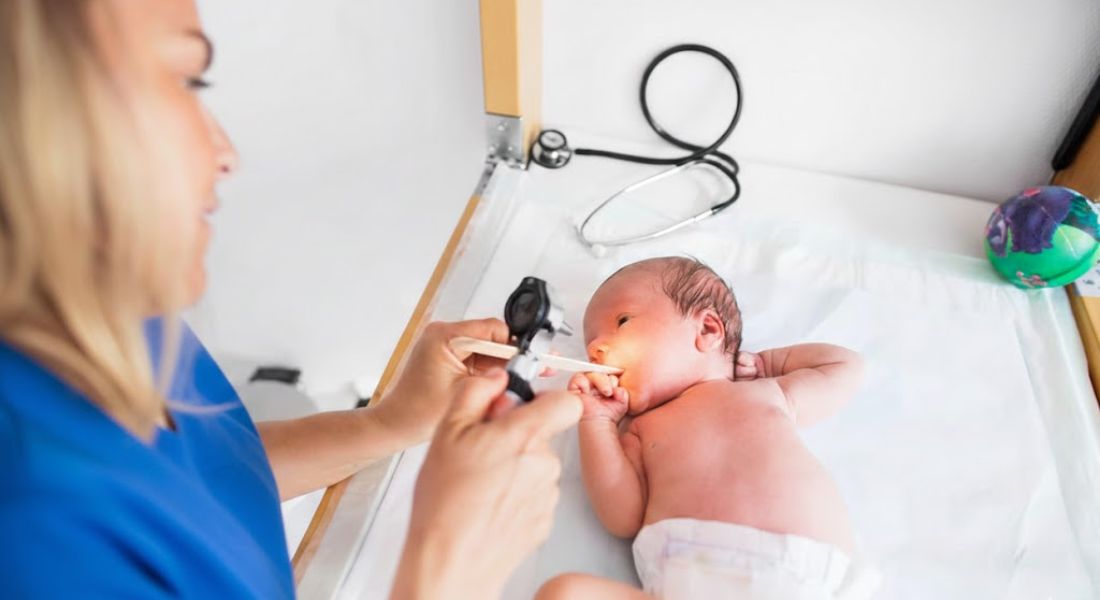
The most common parts of newborn eye screening are a visual look at the eyes and a red reflex test. The process is usually quick and does not hurt the baby.
A clinician may check:
- The shape and size of the eyes
- The eyelids and surrounding skin
- The clarity of the cornea
- The position of the eyes
- Pupil size and reaction
* Eye movement - The red reflex from each eye
The red reflex test uses a light to look for a normal reflection from the back of the eye. A healthy reflex usually appears reddish or orange, although the exact color can vary with skin tone, room lighting, and the equipment used.
The test should be done in a dim room when possible. The clinician compares both eyes. A white, absent, very dull, or unequal reflex may require urgent evaluation.
Parents may notice a red glow in photographs. This is often normal. A white glow in the pupil, especially when it appears more than once or in one eye only, should be checked quickly. Camera images are not a diagnosis, but they can provide a useful reason to call a health professional.
Newborn vision screening considerations also include the baby’s condition during the test. A crying or moving baby may make the check harder. The clinician may repeat the test when the baby is calm or arrange a more detailed examination.

Common newborn vision screening methods
Different hospitals and clinics use different protocols. The exact method depends on local policy, staff training, available equipment, and the baby’s medical history.
Red reflex examination
The red reflex test is a simple, low-cost method. It can help detect cataracts, major differences between the eyes, and some problems affecting the path of light.
A normal red reflex does not prove that the retina, optic nerve, or visual pathways are completely healthy. It is an important screen, not a complete diagnosis.
External eye examination
The clinician looks for signs such as:
- Cloudy or enlarged corneas
- Eyelid swelling or unusual drooping
- Eye redness or discharge
- Abnormal eye size
- Misalignment that appears constant
- Structural differences between the eyes
Some newborns briefly cross their eyes. Occasional wandering can occur because eye control is immature. Constant misalignment, however, deserves medical review.
Screening for high-risk infants
Some babies need additional eye screening because of their medical history. Examples include infants who:
- Were born very prematurely
- Had a very low birth weight
- Needed prolonged oxygen or intensive care
- Have a known genetic condition
- Have a family history of childhood eye disease
- Show signs of infection or neurological illness
ROP screening is based mainly on birth weight, gestational age, and the infant’s clinical course. The neonatal team should explain the schedule before discharge.
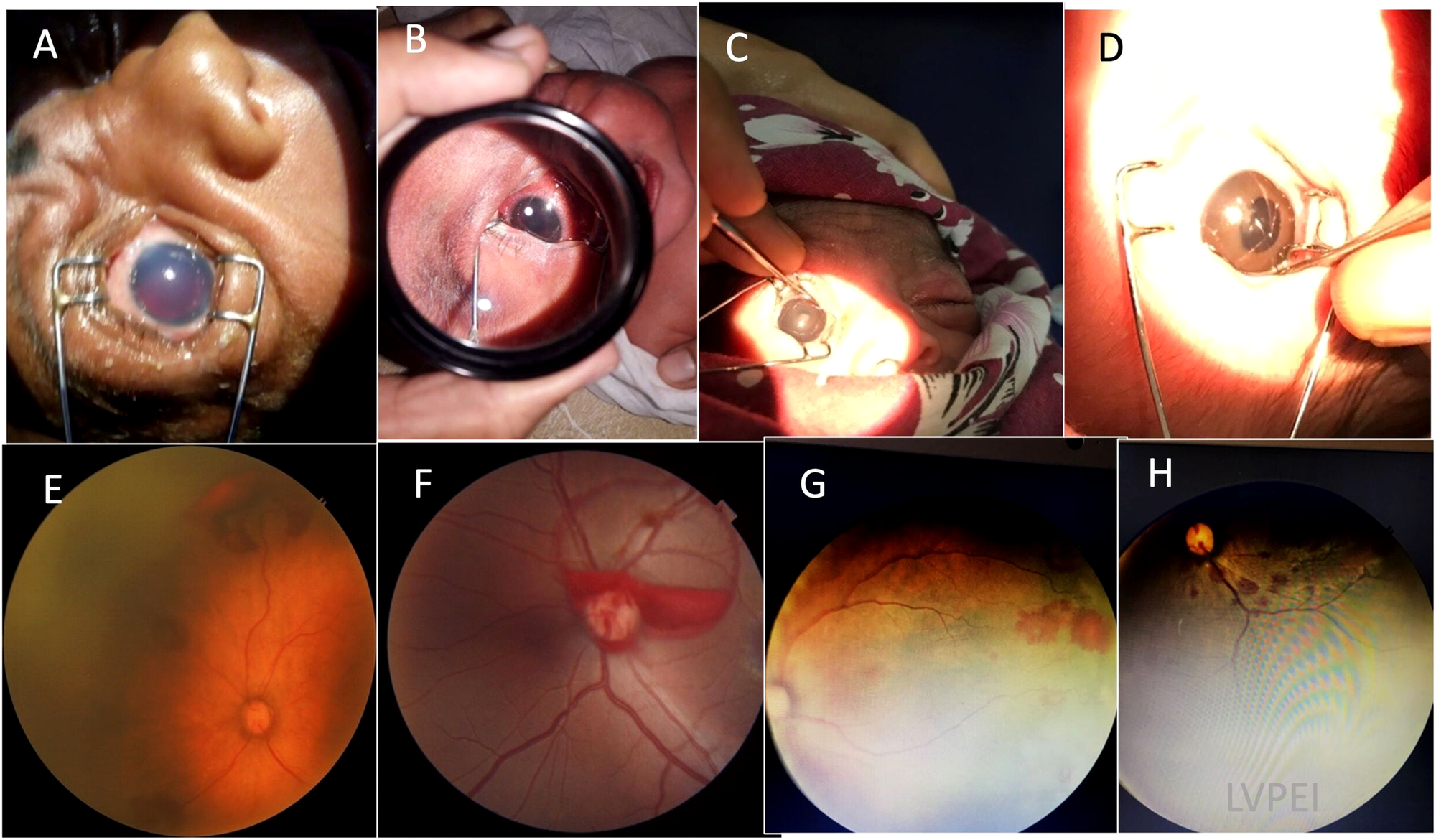
Newborn vision screening considerations for premature babies
Premature babies may face different risks from full-term newborns. Their eyes and blood vessels may still be developing at birth. Some treatments used in intensive care can also affect the risk of eye complications.
Parents should ask the care team:
- Does my baby need ROP screening?
- When is the first eye examination due?
- Who will perform the examination?
- Where will follow-up happen after discharge?
- What should we do if we miss an appointment?
ROP follow-up is time-sensitive. A baby can look comfortable while retinal changes continue. Families should keep the written appointment plan and contact the neonatal unit if transportation, illness, or scheduling creates a problem.
Premature infants may also have a higher chance of later refractive errors, strabismus, or developmental vision problems. These concerns may appear months or years after birth. Regular pediatric visits should include questions about visual behavior and eye alignment.
A practical lesson for families is simple: do not assume that “the eyes looked normal in the hospital” means no further checks are needed. Newborn vision screening considerations change as a baby grows, especially after premature birth.

What an abnormal screening result means
An abnormal or unclear screen does not always mean a baby has permanent vision loss. The result may be affected by movement, bright light, tears, swelling, or testing conditions. Still, it should never be ignored.
The clinician may:
- Repeat the screening
- Examine the baby with different equipment
- Refer the baby to a pediatric ophthalmologist
- Request urgent assessment
- Review family and medical history
A specialist may use a dilated eye examination, a microscope, or other tests. Some babies may need imaging or an examination under anesthesia, depending on their age and condition.
The timing of referral depends on the finding. A suspected congenital cataract, white pupil, cloudy cornea, or serious infection may require rapid evaluation. A mildly unclear result may lead to a repeat check, but parents should follow the stated timeline.
Ask for clear instructions before leaving:
- What was found?
- Was the result normal, abnormal, or incomplete?
- When should the test be repeated?
- Who will contact us?
- Which symptoms require urgent care?
Good communication is one of the most useful newborn vision screening considerations. Families should not have to guess whether a referral is optional or urgent.

Warning signs parents should watch for
Parents know their baby best. Newborns do not always make steady eye contact, and their eyes may wander during the first weeks. However, certain signs should prompt a call to a pediatrician or eye specialist.
Seek medical advice if you notice:
- A white, gray, or yellow reflection in the pupil
- One pupil that looks different from the other
- A cloudy or enlarged cornea
- Constant eye crossing or drifting
- Severe eyelid drooping
- Persistent redness or swelling
- Thick discharge that does not improve
- Strong sensitivity to light
- Repeated shaking or unusual eye movements
- An eye that appears smaller or shaped differently
Seek urgent care for a sudden change, an eye injury, severe swelling, or a baby who appears seriously ill.
A parent may worry about overreacting. It is better to ask a clear question than to wait with fear. Most concerns do not lead to a serious diagnosis, but early assessment protects the baby when a problem is present.
Limits of newborn vision screening
Newborn vision screening is valuable, but it has limits. A normal screen cannot identify every condition that may affect vision later.
The screening may not detect:
- Mild nearsightedness or farsightedness
- Some forms of astigmatism
- Certain retinal disorders
- Optic nerve problems
- Delayed visual development
- Eye problems that develop after birth
- Some forms of strabismus
- Problems with visual processing in the brain
Newborns also have limited ability to respond to vision tests. They cannot describe blurred vision, double vision, or missing areas in their view. Clinicians must rely on physical signs, reflexes, behavior, and medical history.
This is why newborn vision screening considerations include ongoing care. Pediatric visits should monitor eye alignment, tracking, pupil appearance, and visual behavior. Children with risk factors may need a schedule that differs from routine screening.
Parents should also know that a phone camera, home flashlight, or online test cannot replace a professional examination. These tools may raise a concern, but they cannot confirm or rule out disease.
How parents can prepare for the screening
Most families do not need special preparation. The baby can usually be screened during a routine hospital or office visit.
Helpful steps include:
- Share the baby’s birth records, including gestational age and birth weight.
- Tell the clinician about eye disease in close relatives.
- Mention infections, intensive care treatment, or unusual eye findings.
- Bring any discharge papers that mention eye follow-up.
- Ask when the next eye check is due.
- Write down the name and phone number of the referral clinic.
- Keep follow-up appointments, even if the baby appears well.
If the baby has eye discharge, do not use leftover drops or someone else’s medicine. Some products are not safe for newborns. Ask the pediatrician what cleaning method is appropriate.
It can help to bring another adult to the appointment. One person can comfort the baby while the other listens and takes notes. Small steps like these make newborn vision screening considerations easier to manage during a tiring time.
Newborn vision screening and routine pediatric care
Vision checks should continue after the newborn period. Pediatric clinicians often assess eye health at well-child visits and ask whether the child tracks faces, reaches for objects, and uses both eyes together.
As children grow, screening may include age-appropriate tests for visual sharpness, eye alignment, and risk factors. Instrument-based screening may be used in toddlers and preschoolers. These tools estimate the risk of focusing problems, unequal prescriptions, or eye misalignment.
A child may need a comprehensive eye examination if:
- A screening result is abnormal
- The child has a strong family history
- One eye often turns or drifts
- The child does not track objects as expected
- There is a known developmental or neurological condition
- The child has diabetes or another condition linked to eye disease
- Parents or clinicians remain concerned
Screening schedules vary by state, health system, and professional guidance. Ask the child’s pediatrician what schedule fits the baby’s health history.
How clinicians improve screening accuracy
Reliable screening depends on more than owning a light or device. Staff need training, good lighting, suitable equipment, and a clear referral pathway.
Strong programs usually include:
- Standardized screening steps
- Equipment checks and maintenance
- Documentation of each result
- Prompt communication with parents
- A reliable pediatric eye referral network
- Follow-up tracking for missed appointments
- Extra safeguards for premature and high-risk infants
A failed screen should not disappear into a chart. The family should understand what happens next. Health systems also need a process to confirm that referrals were completed.
Research and clinical guidance support early eye assessment, but screening policies are not identical across the United States. Some states require specific newborn eye checks, while others rely on hospital or pediatric practice protocols. Local rules may change, so families should ask their care team about the policy where the baby was born.
Practical mistakes to avoid
Even well-informed families can miss important details during the first weeks at home. These common mistakes are worth avoiding:
- Assuming a normal newborn screen guarantees lifelong normal vision
- Missing an ROP appointment after premature birth
- Waiting months to report a white pupil
- Using home photos as a substitute for an examination
- Applying non-prescribed eye drops
- Forgetting to share family history
- Leaving the hospital without a follow-up plan
- Assuming occasional eye crossing and constant eye crossing are the same
One of the most useful newborn vision screening considerations is follow-through. The screening itself may take only a few minutes, but the referral and follow-up plan can protect vision for years.
If instructions are unclear, call the pediatric office. Ask the staff to repeat the plan in plain language. A good care team will welcome that question.
Frequently asked questions about newborn vision screening considerations
When should a newborn have a vision screening?
A newborn usually receives an eye health assessment in the hospital or during the first pediatric visit. The exact timing depends on the hospital, state, and the baby’s health history.
Does newborn vision screening hurt?
No. Most newborn vision screening uses observation and a light-based red reflex test. A specialist may use dilating drops later, which can briefly cause light sensitivity but should not cause significant pain.
What does a white pupil mean in a newborn?
A white pupil or white reflection can have several causes, including camera glare, cataract, retinal disease, or other serious conditions. Contact a pediatrician or eye specialist promptly rather than waiting for the next routine visit.
Do premature babies need extra eye examinations?
Some premature babies need screening for retinopathy of prematurity. Eligibility and timing depend on gestational age, birth weight, oxygen treatment, and the baby’s medical course.
Can a baby pass screening and still develop an eye problem?
Yes. Newborn screening cannot detect every vision condition, and some problems develop later. Continue routine pediatric checks and report changes in eye appearance, alignment, or visual behavior.
Is occasional eye crossing normal in newborns?
Brief or occasional wandering can occur while eye control matures. Constant crossing, one eye that always drifts, or a new change should be discussed with a pediatrician.
What happens after a failed newborn vision screen?
The clinician may repeat the test or refer the baby to a pediatric ophthalmologist. The next step depends on the finding, but an abnormal or unclear result should be followed within the recommended time.
Conclusion
Newborn vision screening is a brief but important check of early eye health. The key newborn vision screening considerations include the red reflex, eye structure, premature birth, family history, warning signs, referral timing, and the limits of a normal result.
Parents can protect their baby’s visual development by keeping follow-up appointments, asking direct questions, and reporting changes such as a white pupil, cloudy eye, or constant misalignment. Review the screening plan with your baby’s pediatrician, and explore trusted child eye health resources for guidance as your baby grows.