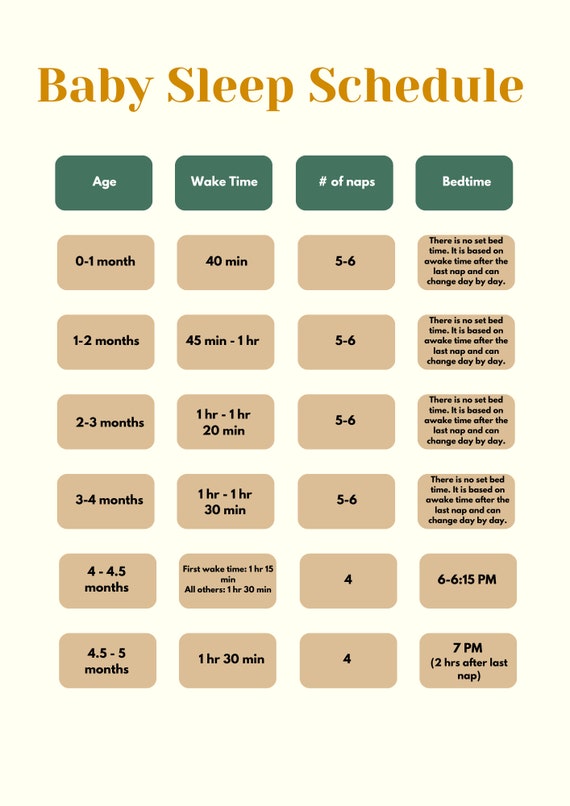
Most babies can move from rocking to independent settling through a gentle, steady, and age-appropriate routine.
The baby transition from rocking to independent settling can feel emotional for both parent and child. Rocking offers warmth, movement, and comfort, so removing it all at once may feel like taking away a trusted bridge to sleep. With a clear plan, safe sleep habits, and patience, you can help your baby learn to settle with less hands-on help while still feeling secure.
What Does Independent Settling Mean?
Independent settling means your baby can fall asleep with little or no active help from you. Your baby may still need a pacifier, comfort object when age-safe, gentle words, or a calm bedtime routine. It does not mean leaving your baby alone to cry without support.
The baby transition from rocking to independent settling is a learning process. Your baby slowly discovers that sleep can happen in the crib, not only in your arms. Think of it as teaching a new skill, much like helping your baby learn to sit or crawl.
Some babies settle quickly. Others need several weeks. Age, temperament, feeding needs, health, and sleep habits all affect the pace. A change in sleep does not mean your baby no longer wants closeness.

When Is the Right Time to Stop Rocking?
There is no single perfect age for the baby transition from rocking to independent settling. Many parents begin when rocking becomes hard to maintain, when their baby wakes each time the motion stops, or when the baby needs rocking for every nap and nighttime sleep.
A gentle transition may work well when your baby:
• Is healthy and feeding well
• Has a fairly regular bedtime
• Can stay awake for short periods without becoming overtired
• Shows some ability to calm with a voice, touch, or pacifier
• Is old enough for your pediatrician to discuss sleep training options
Newborns often need more help settling. Frequent waking is normal in the early months because newborns have small stomachs and immature sleep patterns. Always follow your pediatrician’s advice, especially if your baby was born early or has a medical condition.
It may be better to wait during major changes, such as illness, travel, teething pain, or a move. You do not need to make every sleep change at once. A calm week is often a better time to begin.
Why Babies Depend on Rocking
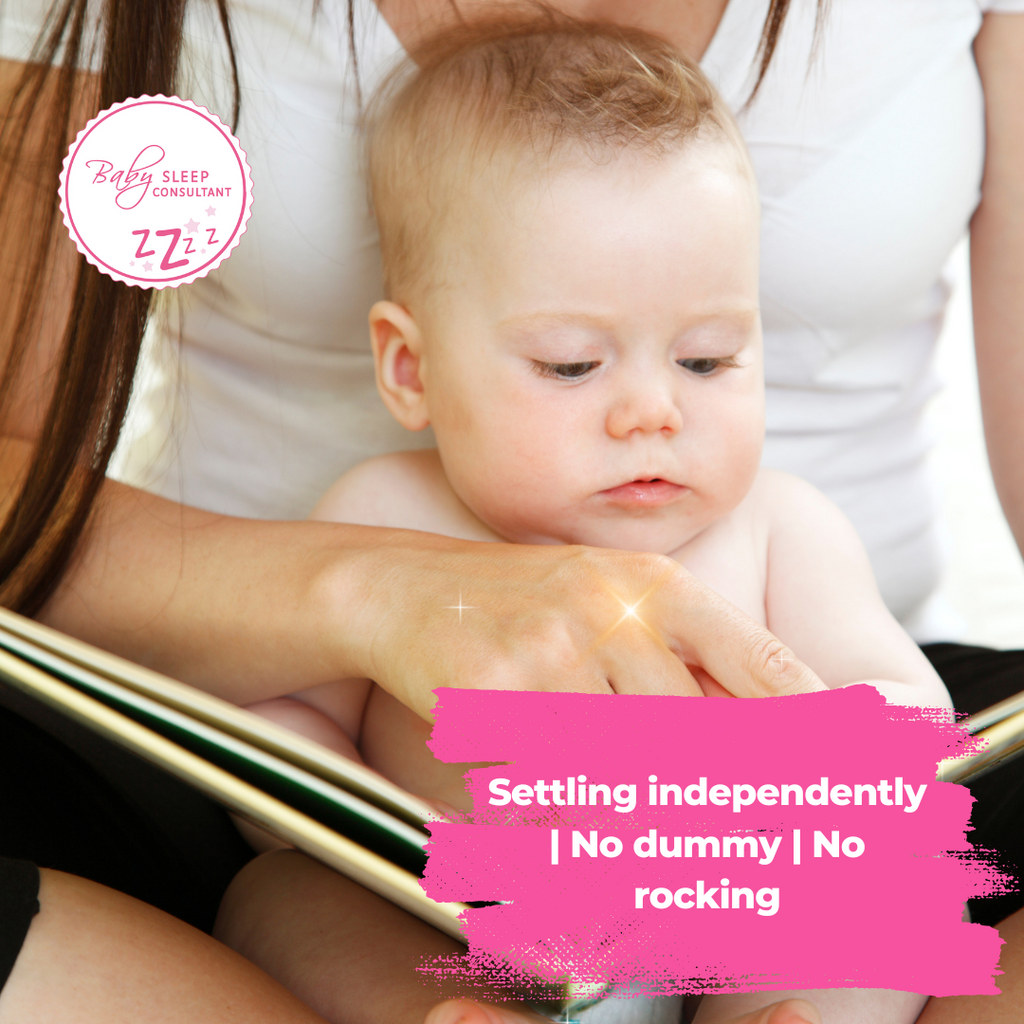
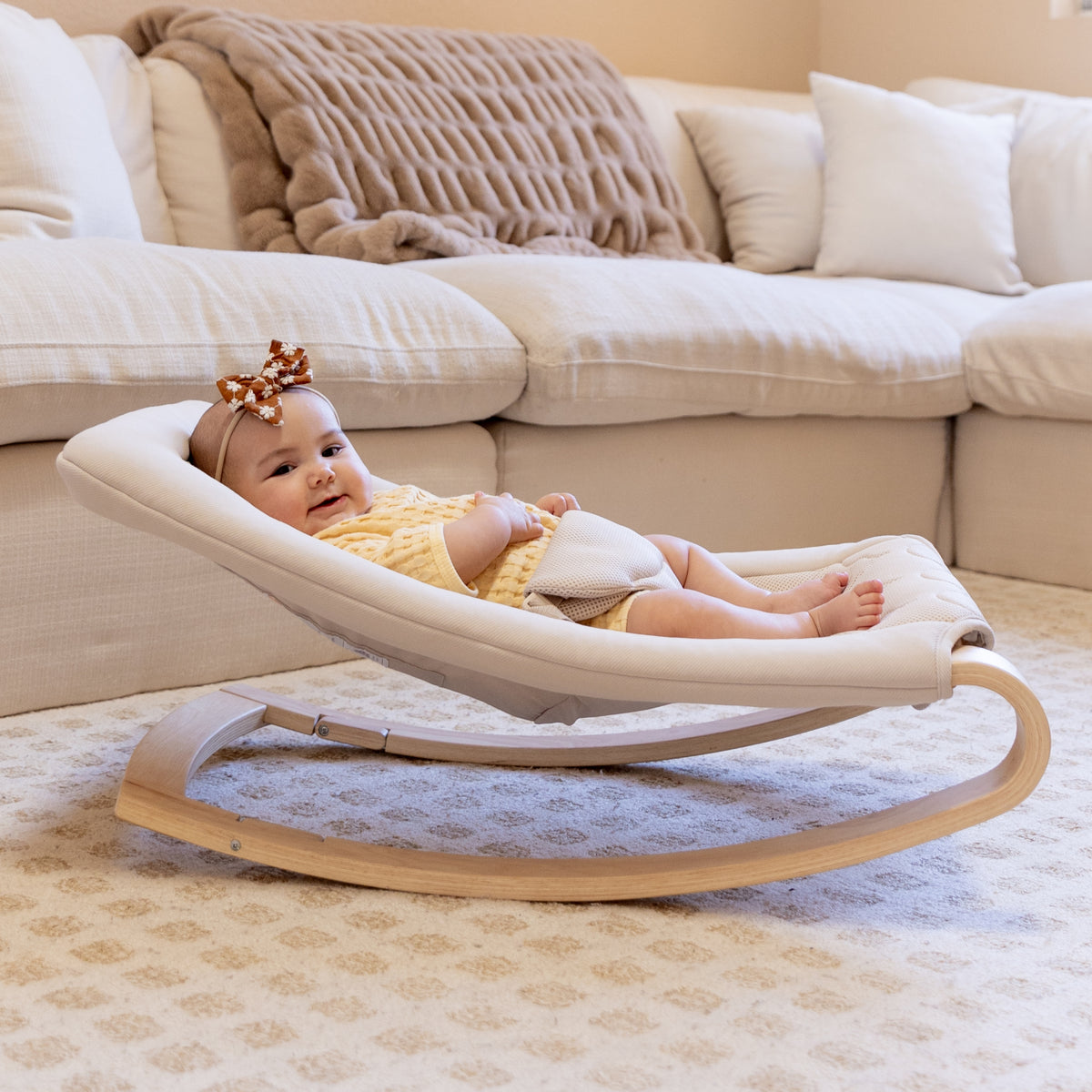
Rocking is powerful because it combines movement, touch, warmth, sound, and your familiar scent. These signals can lower stress and help your baby move toward sleep. Over time, your baby may begin to expect the same signals each time sleep starts.
This is known as a sleep association. Sleep associations are not bad. Feeding, singing, cuddling, and rocking can all be loving parts of bedtime. The challenge begins when your baby cannot return to sleep without the same help after normal night waking.
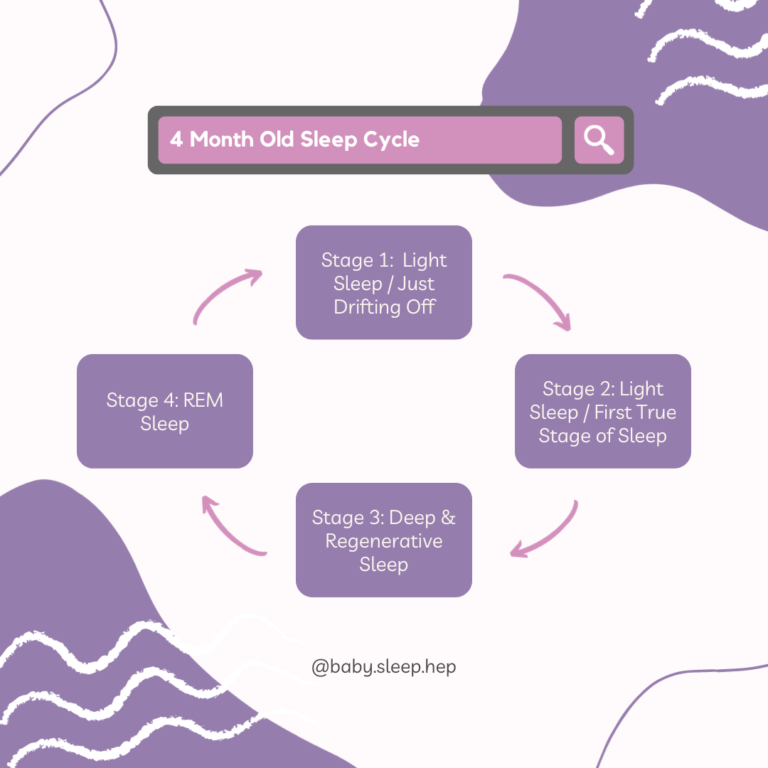
Babies naturally wake between sleep cycles. If your baby falls asleep while being rocked but wakes in a still crib, the change may feel confusing. Your baby may cry for the same conditions that were present at bedtime.
The goal of the baby transition from rocking to independent settling is not to remove comfort. It is to add new ways to feel safe, such as a predictable routine, a familiar sleep space, and a calm caregiver response.

Prepare Before You Change the Routine
Preparation makes the baby transition from rocking to independent settling smoother. Start by watching your baby’s sleep cues for several days. Look for yawning, slower movement, staring, fussing, or rubbing the eyes.
Try to begin bedtime before your baby becomes overtired. An overtired baby may cry harder, resist soothing, and take longer to settle. A well-timed bedtime gives your baby a better chance to practice the new skill.
Create a short routine that stays in the same order each night:
-
Dim the lights.
-
Change the diaper and put on sleep clothing.
-
Feed your baby if needed.
-
Read a short book or sing a quiet song.
-
Cuddle briefly.
-
Place your baby in the crib.
-
Use the same simple phrase, such as “It is time to sleep.”
Keep the room dark, quiet, and comfortable. Use a firm, flat sleep surface with a fitted sheet. Place your baby on the back for every sleep, and keep loose blankets, pillows, bumpers, and stuffed toys out of the sleep space.
A Gentle Step-by-Step Transition Plan
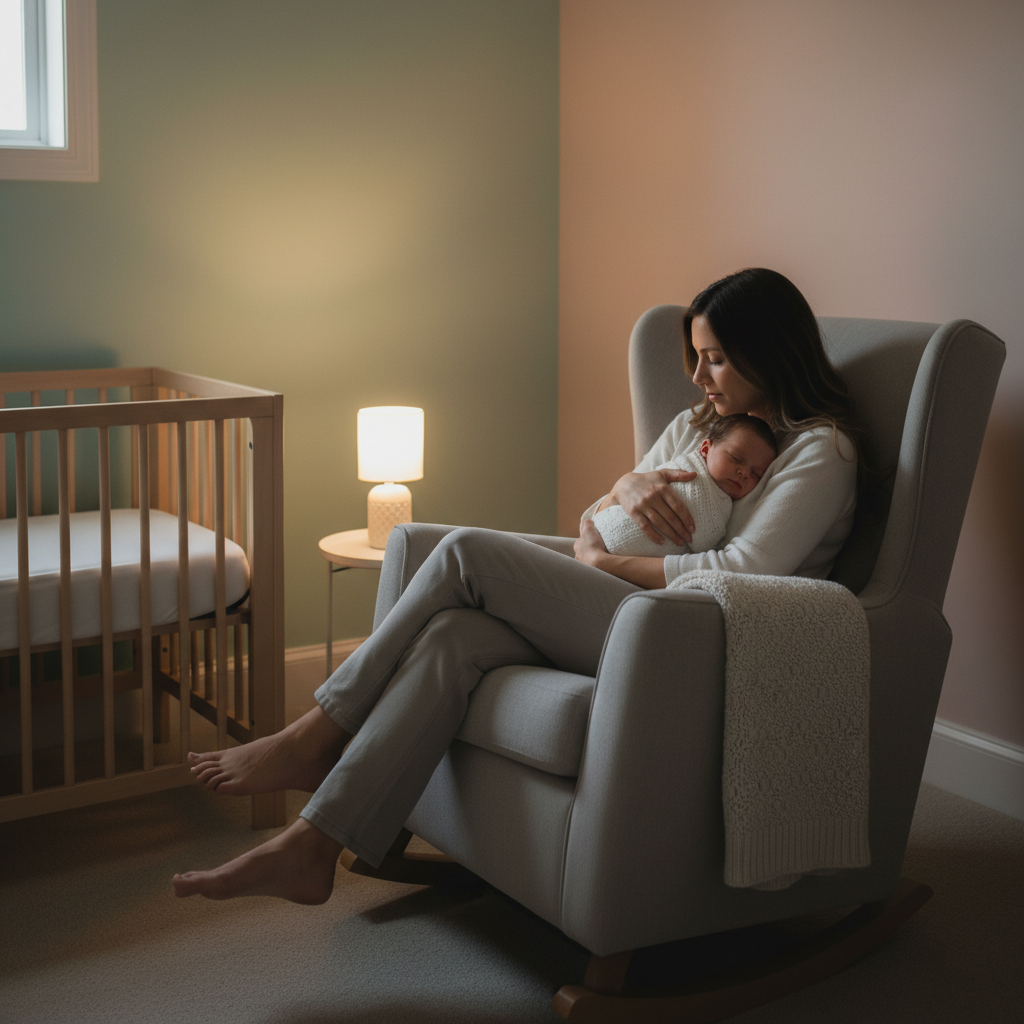
The baby transition from rocking to independent settling does not need to be sudden. A gradual plan can reduce stress and help your baby adjust to smaller changes.
Step 1: Reduce the Motion
Begin by rocking as usual, but stop before your baby is fully asleep. Hold your baby still for a moment, then place your baby in the crib when calm and drowsy.
At first, your baby may protest. Use your voice and gentle touch to offer reassurance. The aim is to let your baby experience the final step of falling asleep in the crib.
Step 2: Rock Until Calm, Not Asleep
After several nights, shorten the rocking time. Rock until your baby is relaxed, then stop. Hold your baby quietly before placing the baby in the crib.
This small change teaches your baby that rocking helps with calming, but the crib is where sleep finishes. Progress may look uneven. One night may go well, while the next night may feel harder.
Step 3: Move the Comfort Into the Crib
Place your baby down earlier in the routine. Stay nearby and use a calm voice, slow pats, or a resting hand if your baby responds well to touch.
Avoid adding many new actions at once. Too much patting, talking, or movement can keep some babies alert. Use the least help that works, then slowly reduce it.
Step 4: Increase the Distance
Once your baby settles with you beside the crib, move your chair a little farther away every few nights. You can still respond when your baby cries, but keep your response calm and brief.
This approach is sometimes called gradual withdrawal. It can work well for families who want to stay close while reducing rocking.
Step 5: Practice at Bedtime First
Bedtime sleep pressure is often stronger than nap sleep pressure. Start with bedtime before changing naps. After bedtime improves, use the same method for the first nap of the day.
You do not need perfect progress. Even one successful settling period shows that your baby is learning.

Other Methods Parents May Use
Families use different approaches during the baby transition from rocking to independent settling. No single method fits every baby or parent.
• Gradual fading: Slowly reduce rocking, touch, sound, or your presence.
• Pick up and put down: Pick up your baby briefly for comfort, then place the baby back in the crib when calm.
• Chair method: Sit near the crib and slowly move farther away over several nights.
• Timed check-ins: Give your baby short periods to try settling, then offer brief reassurance at planned intervals.
• Responsive settling: Respond to crying with comfort while giving your baby space to try calming.
Research on behavioral sleep methods suggests that consistent routines and clear responses can improve sleep for many families. However, studies do not prove that one method is best for every child. Your baby’s age, health, temperament, and your family’s values matter.
Choose a method you can follow with confidence. A gentle plan that you can repeat is often more useful than a strict plan that feels impossible.

How to Respond When Your Baby Cries
Crying is your baby’s way of communicating. It may mean frustration, tiredness, hunger, discomfort, fear, or a need for connection. During the baby transition from rocking to independent settling, some crying may happen because the routine feels new.
Pause and assess before responding:
• Is your baby hungry?
• Is the diaper wet or soiled?
• Does your baby seem sick or in pain?
• Is the room too warm or too cold?
• Is your baby showing signs of being overtired?
If your baby is safe and well, offer steady reassurance. Use a soft voice and repeat the same phrase. You can touch, pat, or pick up your baby based on your chosen plan.
There is no need to ignore signs of illness or unusual distress. Contact a health professional if your baby has trouble breathing, a fever, poor feeding, repeated vomiting, unusual sleepiness, or a cry that seems painful. Trust your instincts.
Common Mistakes to Avoid
Many parents struggle because they change the plan too often. One night they rock fully to sleep, the next night they stop suddenly, and the following night they try a new method. This can make the sleep signal unclear.
During the baby transition from rocking to independent settling, avoid these common mistakes:
• Stopping all comfort at once when your baby is not ready
• Starting when your baby is sick or overtired
• Changing bedtime, naps, feeding, and sleep location together
• Expecting every night to improve
• Comparing your baby with another child
• Using unsafe sleep items to replace rocking
• Treating all crying as a sign that the plan has failed
A mistake I often see in family sleep plans is moving too fast after one good night. Parents may assume the change is complete, then feel discouraged when the next night brings tears. Sleep learning is more like walking up steps than riding an elevator.
Safe Sleep During the Transition
Safe sleep must remain the priority during the baby transition from rocking to independent settling. The American Academy of Pediatrics recommends placing babies on their backs for every sleep on a firm, flat surface made for infant sleep.
Keep these safety practices in place:
• Use a crib, bassinet, or portable play yard that meets current safety standards.
• Keep the sleep space free of pillows, blankets, bumper pads, and stuffed toys.
• Share a room, but not a bed, when possible.
• Avoid sleeping with your baby on a couch, recliner, or adult bed.
• Stop swaddling when your baby shows signs of trying to roll.
• Use a wearable blanket if your baby needs warmth.
• Keep smoke and vaping away from your baby.
Rocking chairs can also create risk if a parent falls asleep while holding the baby. If you feel drowsy, place your baby in the crib before you rest. Safe sleep guidance may change as your baby grows, so ask your pediatrician for advice that fits your child.
How Long Does the Transition Take?
The baby transition from rocking to independent settling may take a few nights or several weeks. Some babies adapt after small changes. Others need a slower plan with more comfort.
Look for small signs of progress:
• Your baby calms more quickly in the crib.
• Rocking time becomes shorter.
• Your baby falls asleep with less movement.
• Night waking becomes easier to manage.
• Your baby returns to sleep after brief reassurance.
Try a plan for at least several consistent nights unless your baby becomes distressed, sick, or unusually unsettled. Keep a simple sleep log with bedtime, rocking time, waking, and settling method. This can help you see progress that is hard to notice day by day.
If nothing improves after two to three weeks, review the basics. Check the bedtime schedule, nap timing, feeding needs, sleep environment, and your response pattern. A pediatrician or qualified pediatric sleep professional can help identify medical or behavioral issues.
What Parents Can Expect at Night
Independent settling does not always mean sleeping through the night. Babies may still wake to feed, need comfort, or respond to normal changes in sleep. The goal is not to force long sleep. The goal is to help your baby use more than one way to settle.
Some babies wake less often once they learn to settle in the crib. Others continue to wake but need less help. Both outcomes can be normal.
Teething, illness, growth spurts, separation anxiety, and travel can cause temporary setbacks. Return to your familiar routine when life becomes calm again. Offering extra comfort during a hard week does not erase your progress.
Parents also need care. If possible, share bedtime duties, rest during naps, and ask trusted family members for help. A calm caregiver is not perfect, but calm, steady support often makes the transition easier.
Personal Lessons From Helping Families
In my experience guiding parents through the baby transition from rocking to independent settling, the biggest success factor is consistency with kindness. Babies do not need a perfect parent. They need a response they can understand.
One family began by rocking for 30 minutes every night. Instead of stopping, they reduced rocking by five minutes every few nights. They then replaced the final minutes with a song and a hand on the baby’s chest. Within a few weeks, the baby still wanted the song but no longer needed full rocking.
Another family tried to make the change during a week of travel. Their baby became overtired, and bedtime turned into a long struggle. They returned home, restored the old routine for a few nights, and tried again. This time, they changed only bedtime first, and the process was much calmer.
The lesson is simple: go slowly enough that your baby can learn, but steadily enough that the new routine becomes clear. Comfort and independence can exist together.
Frequently Asked Questions
How do I stop rocking my baby to sleep?
Reduce the rocking in small steps. Rock until your baby is calm, then place the baby in the crib while still awake, and offer reassurance with your voice or gentle touch.
What age is best for the baby transition from rocking to independent settling?
There is no universal age. Newborns often need more help, while older babies may be ready for a gradual change when they are healthy and have a steady bedtime routine.
Will my baby cry during the transition?
Your baby may cry because the routine feels different. Respond to basic needs, provide comfort, and follow a consistent plan rather than ignoring signs of illness or pain.
Should I stop rocking for naps and bedtime at the same time?
Usually, it is easier to begin with bedtime. Once your baby settles more easily at night, you can use the same approach for naps.
Does independent settling mean my baby will sleep through the night?
No. Independent settling means your baby can fall asleep with less help. Babies may still wake for feeding, comfort, illness, or other normal reasons.
What if my baby becomes very upset?
Pause and check for hunger, illness, pain, overheating, or overtiredness. You can offer more comfort and try again later, or ask your pediatrician for guidance.
Can I use a pacifier during the transition?
A pacifier may help some babies settle. Follow safe sleep guidance, and do not attach it to clothing, a cord, or a stuffed toy during sleep.
Conclusion
The baby transition from rocking to independent settling works best as a gradual change, not a sudden loss of comfort. Keep a steady bedtime routine, reduce rocking in steps, place your baby in a safe sleep space, and respond with calm reassurance.
Progress may come in small pieces. Focus on less rocking, easier settling, or one improved sleep period rather than expecting perfect nights. Start with a plan your family can repeat, and speak with your pediatrician if sleep problems, illness, or feeding concerns continue.
Try one small change tonight, track how your baby responds, and explore trusted pediatric sleep resources for the next step.