First teeth often arrive around 6 months; baby teething symptoms timeline varies and can last months.
I’ve worked with parents, nurses, and pediatric guides long enough to know how confusing the baby teething symptoms timeline can feel. This article maps the usual timeline, explains common signs, highlights red flags, and offers practical comfort tips you can use tonight. I combine clinical knowledge, personal experience, and simple steps so you can spot patterns, soothe your child, and feel confident through each teething stage.
What is teething and when does it start?
Teething is the process when a baby’s teeth move through the gums and become visible. It begins when tooth buds push toward the gum line. Most babies show the first signs at about six months. But some start as early as three months or as late as 12 months. The baby teething symptoms timeline can shift with each child. Genetics, birth weight, and overall health play a role in timing.
Common patterns in the baby teething symptoms timeline
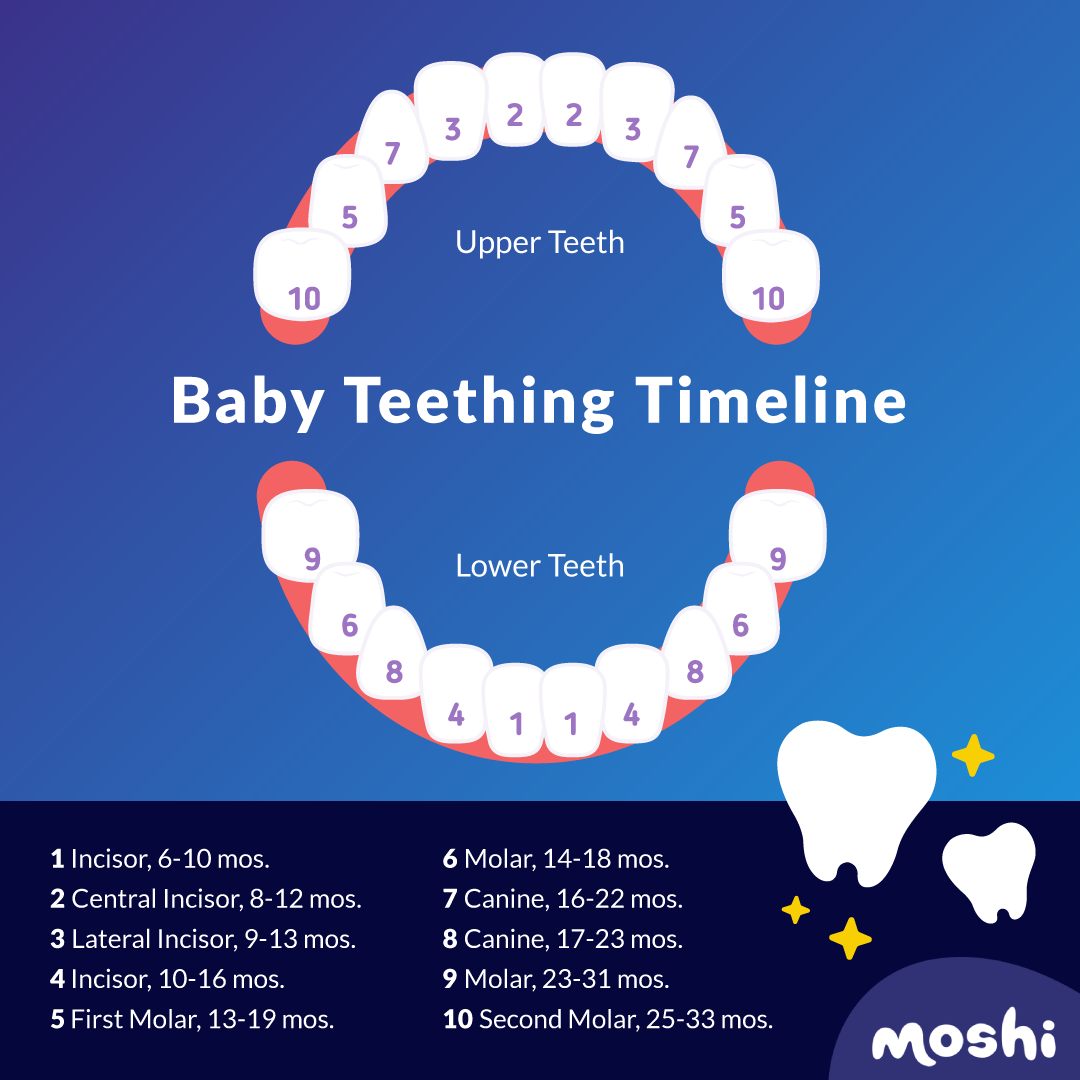
- Primary teeth usually appear in a predictable order starting with lower central incisors.
- The front teeth are often the first to push through.
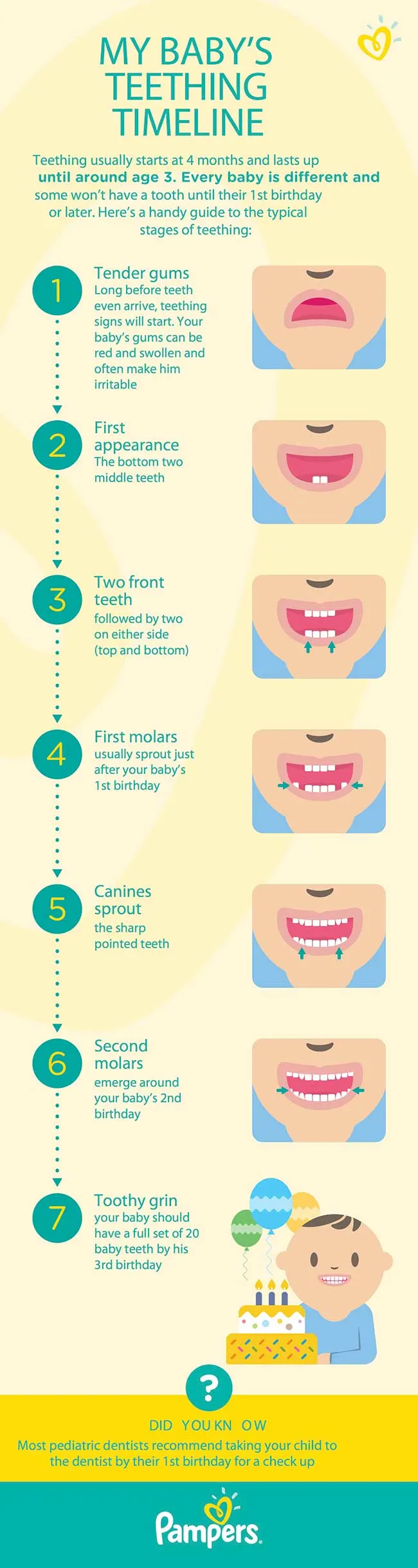
- By 3 years old, most children have a full set of 20 primary teeth.
Typical baby teething symptoms timeline
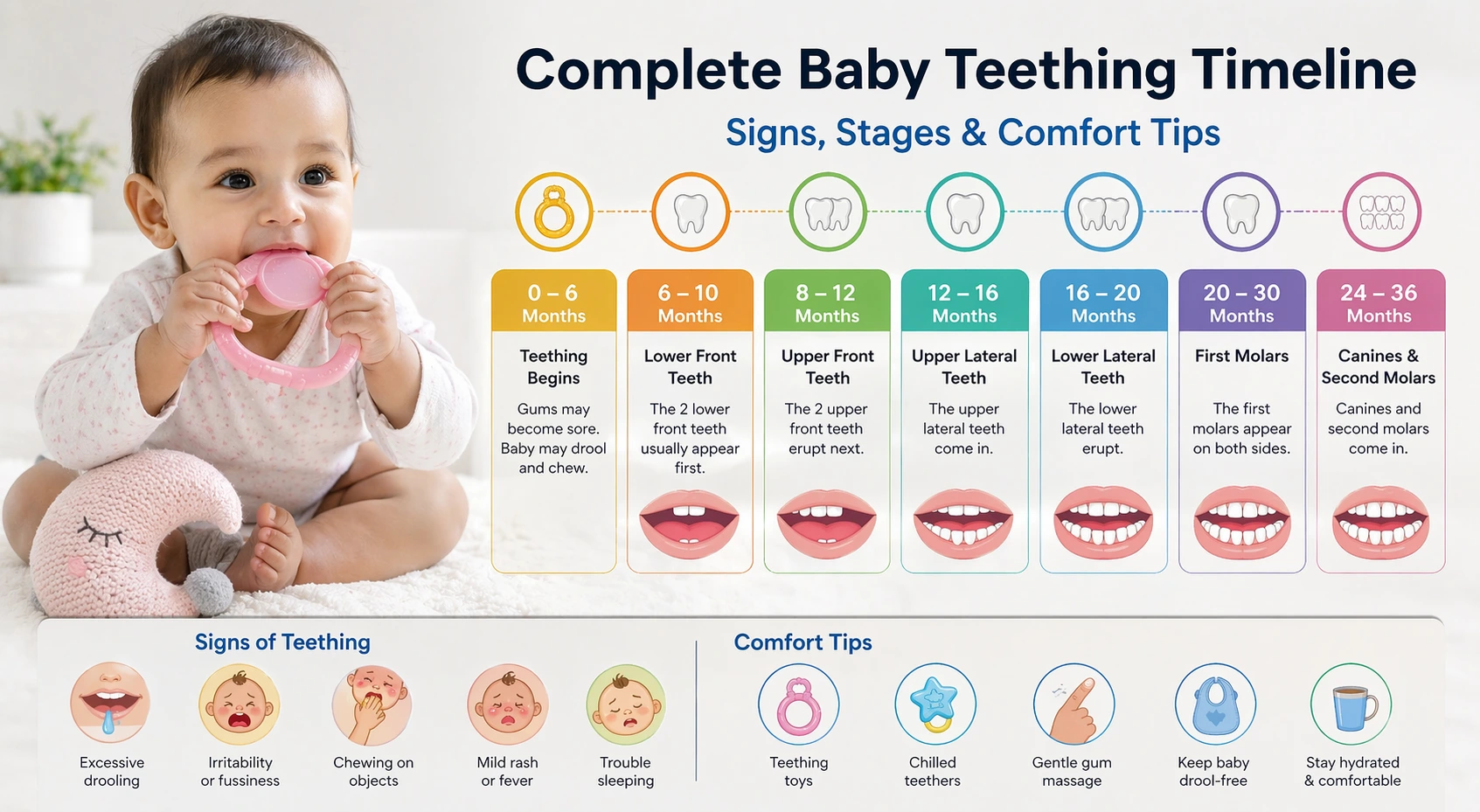
Below is a clear, month-by-month guide to the baby teething symptoms timeline. Use it as a reference, not a strict rule. Each baby moves at their own pace.
0–3 months
- Most newborns show no teething signs yet.
- Some drooling or mouthing can happen. This is normal play, not teething in most cases.
- If gum swelling appears, document it and mention it at the next checkup.
4–6 months
- Many babies begin to show early signs in this window.
- Expect increased drooling and chewing on fingers or toys.
- Mild fussiness and disrupted sleep are common on the baby teething symptoms timeline at this stage.
6–10 months
- Lower central incisors usually come in first.
- Look for visible teeth, swollen gums, and clear changes in feeding.
- Symptoms can spike for a few days before each tooth emerges.
10–14 months
- Upper central incisors and lateral incisors often arrive.
- Babies may become clingier and less interested in solids briefly.
14–24 months
- Molars start to appear, which can be more painful due to size and pressure.
- The baby teething symptoms timeline often shows clusters of discomfort during molar eruption.
24–36 months
- Canines and second molars often finish the primary set by around 2.5–3 years.
- Behavior improves as most primary teeth are established.
PAA-style mini Q&A
- When do babies start teething? Babies usually start around six months, though range is three to 12 months.
- How long does teething last? Teething occurs in waves over about two to three years until primary teeth are in.
- Will teething cause fever? Mild temp changes can happen, but high fever is unlikely due to teething.
Common symptoms and what to expect
Teething symptoms vary by baby and by tooth. Expect some or all of the signs below at different times in the baby teething symptoms timeline.
Common symptoms
- Increased drooling and wet skin near the mouth
- Chewing on objects, fingers, or clothing
– Mild gum swelling and redness at the eruption site - Short bursts of irritability and poor sleep
- Slight change in appetite or refusal to feed briefly
Less common or mild signs
- Low-grade temperature below 100.4°F
- Diarrhea and rash from drool irritation
- Ear pulling or cheek rubbing near the erupting tooth
Symptoms not typically caused by teething
- High fever
- Persistent vomiting
- Severe diarrhea
If these appear, seek medical advice.

When to seek care and red flags
Most teething discomfort is mild and manageable at home. But you should contact a pediatrician for any of the following.
Red flags
- Fever above 100.4°F lasting more than a day
- Breathing problems or unusual lethargy
- Refusal to eat for 24 hours or more
- Signs of infection at the gum (large swelling, pus, severe redness)
Documentation tips
- Keep a symptom log with dates and temperatures.
- Note any patterns in the baby teething symptoms timeline.
- Share this log with your pediatrician during visits.

Safe home remedies and comfort tips
I’ve used and recommended these simple strategies for many families. They work for many babies and fit into daily routines.
Soothing options
- Offer a clean, cool teething ring for chewing. The cold calms the gums.
- Use a damp, chilled washcloth that the baby can gnaw on safely.
- Gentle gum massage with a clean finger can ease pressure.
- Offer extra cuddles and shorter, more frequent feedings when fussy.
What to avoid
- Do not use topical numbing gels with benzocaine. They can be risky for babies.
- Avoid teething necklaces or small items that pose choking hazards.
- Avoid long-term use of pain meds without doctor advice.
Medication guidance
- Acetaminophen or ibuprofen can be used in age-appropriate doses when comfort measures fail. Always follow a pediatrician’s dosing instructions.
- Keep medicine records and use the lowest effective dose for the shortest time.

Personal experience and expert tips
I remember a parent who called anxious and sleepless at 2 a.m. Her eight-month-old had been chewing and crying all night. We tried a chilled washcloth and soft songs. The baby fell asleep after a gentle gum massage and a short feeding. That night taught me the power of routine, patience, and practical tools.
Lessons I’ve learned
- Expect variation: the baby teething symptoms timeline differs for each child.
- Trust patterns: track symptoms to tell if this is teething or something else.
- Comfort matters: consistent comfort often helps more than one-off remedies.
Practical tips from practice
- Keep a small teething kit in your diaper bag: chilled ring, washcloth, and a spare bib.
- Use extra bibs to prevent skin rash from drool.
- Schedule more flexible naps near predictable teething windows.
:max_bytes(150000):strip_icc()/BabyTeethingTimeline-notext-final-efc6af26956d4d17af4f4bf99e968120.png)
Frequently Asked Questions of baby teething symptoms timeline
When do the first teeth usually appear?
Most babies get their first tooth around six months, though three to 12 months is normal. Genetics can influence timing.
How long does a single tooth take to come through?
A single tooth can take a few days to a week to fully emerge, with a few days of fussiness before and after. Pain usually peaks just before the tooth breaks the gum.
Can teething cause a high fever?
Teething may cause a mild rise in temperature, but it should not cause a high fever. If your baby has a fever above 100.4°F, contact a doctor.
What helps soothe teething pain quickly?
Cold teething rings, chilled washcloths, gentle gum massage, and cuddles are effective. Use medications only as advised by a pediatrician.
Are there serious complications from teething?
Serious complications are rare. Seek care if your baby shows high fever, dehydration, severe lethargy, or signs of infection.
When should I see a dentist?
Schedule the first dental visit by the baby’s first birthday or when the first tooth appears. Early dental care helps prevent future problems.
Conclusion
Understanding the baby teething symptoms timeline gives you calm and control during a bumpy phase. Track signs, use safe comfort measures, and ask for help when red flags appear. Try a chilled teething ring, keep a simple symptom log, and lean on your pediatric team when needed. If this guide helped, subscribe for more child health tips or share your teething story in the comments to help other parents.