Hold baby upright, then pat or rub the back gently until a burp comes out.
From years of caring for infants and guiding new parents, I’ve learned the best ways to burp a baby properly. This article shows clear, safe steps, plus tips I used at home and in classes. You will learn simple methods, when to burp, signs to watch for, and how to troubleshoot common problems with burping a baby properly. Read on to get confident and calm at feeding time.

Why burping matters
Burping helps release trapped air that babies swallow during feeding. This makes babies more comfortable and helps reduce spit-up and crying. When you learn how to burp a baby properly, feeds are shorter and naps are calmer. Parents often tell me that a good burp cut fussing fast. Research and clinical guidance support burping as a simple, low-risk step that often improves a baby’s comfort.

When to burp a baby
Timing can make burping easier. Try these simple rules when learning how to burp a baby properly.
- Pause mid-feed for a burp when bottle feeding. This breaks up swallowed air.
- Burp when switching breasts while breastfeeding. It helps the baby relax and latch again.
- Offer a burp after the feed finishes. Some babies need burps right away; others do not.
If your baby seems uncomfortable, burp more often. Newborns swallow more air and may need burping after smaller amounts.

Three safe methods to burp a baby properly
Use the method that feels safe and works for your baby. Each step below shows a clear way to burp a baby properly.
-
Over-the-shoulder
- Hold your baby upright with their chin over your shoulder.
- Support the head and neck with one hand.
- Pat or rub the back gently with the other hand until a burp comes.
-
Sitting on your lap
- Sit your baby upright on your lap, facing away from you.
- Support the chest and head with one hand under the chin and jaw.
- Pat or rub the upper back with the other hand until the burp comes.
-
Face-down on your lap
- Lay your baby belly-down across your lap. Keep the head slightly higher than the chest.
- Support the head with one hand and gently pat the back with the other.
- This works well for small babies and can help move air pockets.
Rotate methods if one does not work. Babies have preferences. With practice, you will learn which way helps your baby burp fastest.

How long burping takes and what to expect
Burping a baby properly usually takes a few seconds to two minutes. Some burps are tiny and quiet. Others are loud. If a burp does not come after two minutes, change position and try again. Some babies fall asleep without burping. If the baby stays calm and feeds well, you can let them rest. If they seem gassy or uncomfortable, resume gentle burping.
 mistakes, and troubleshooting”
style=”max-width: 100%; height: auto; border: 2px solid black; border-radius: 10px; display: block; margin: 0 auto;”
loading=”lazy”
/>
Tips, common mistakes, and troubleshooting
Small changes make a big difference when learning how to burp a baby properly.
- Keep breaths calm
- Move slowly and speak softly. Babies pick up on tension.
- Avoid pressing the stomach hard
- Do not press down on the belly to force a burp. This can be uncomfortable.
- Use cloths and a safe surface
- Always keep a burp cloth handy. Catch spit-up without fuss.
- Watch bottle angle
- Hold the bottle so milk covers the nipple tip. This reduces swallowed air.
- Be patient with breastfed babies
- Some breastfed babies swallow less air and need fewer burps. Try burping when switching sides and after feeding.
Common mistakes to avoid:
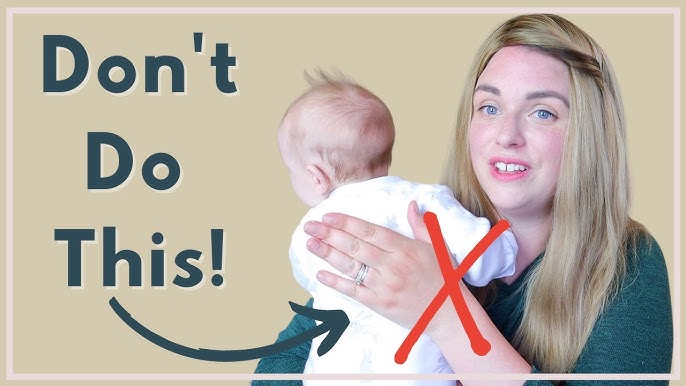
- Shaking or bouncing hard. This is unsafe.
- Forcing the burp with rapid, hard pats.
- Skipping burping when the baby shows signs of discomfort.
Personal note: Early on, I patted too hard out of worry. I learned softer, steady pats work much better. That calm touch helped my baby relax and burp faster.
Safety signs and when to seek help
Most burping is safe. But check for signs that need care.
- Poor weight gain despite regular feeds.
- Frequent, forceful vomiting or projectile vomiting.
- Breathing trouble, weak cry, or very low activity.
- Fever or signs of illness.
If you notice any of these, contact your pediatrician. They can check for reflux, allergies, or other issues. Use burping as a comfort tool, not as a treatment for medical problems.
Feeding tweaks that reduce gas
Small feeding changes can make burping easier and less needed.
- For bottle feeding
- Use slow-flow nipples for newborns. This reduces gulping and air intake.
- Hold the bottle at an angle to keep milk over the nipple.
- For breastfeeding
- Ensure a good latch. A shallow latch can increase air swallowing.
- Try different nursing positions to ease swallowing.
- Consider pacing
- Take short breaks during feeds. This gives time to burp and settle.
These simple tweaks help you burp a baby properly by preventing excess air.
Personal experience and lessons learned
From real-life care and class work, here are honest lessons I use every day.
- Be calm: Babies sense stress. Calm hands work best.
- Try more than one method: Over the shoulder might fail. Sitting may work.
- Use a loose routine: Burp mid-feed and at the end. Adapt as the baby grows.
- Learn signs: If the baby fights sleep, arches the back, or cries after feeds, try burping again.
One story: my first baby had a lot of gas. I learned that a short burp break every 3–4 minutes while bottle feeding helped a lot. It cut fussing and made sleep better. These practical tips help when you want to burp a baby properly.
Frequently Asked Questions of how to burp a baby properly
How long should I try to burp my baby each time?
Try gently for one to two minutes per position. If no burp comes, change position and try again for another minute.
Can newborns choke if I burp them?
Burping itself is safe when you support the head and neck. Avoid any forceful shaking or pressing on the belly.
Do breastfed babies need to burp as much as bottle-fed babies?
Often they need fewer burps, but many breastfed babies still benefit from burping mid-feed and after feeding.
What if my baby spits up when burping?
Light spit-up is normal. Use a burp cloth and keep the baby upright for a few minutes after feeding to reduce spit-up.
When should I contact a doctor about burping or spit-up?
Call if your baby has weight loss, projectile vomiting, breathing problems, or seems very ill after feeds.
Conclusion
Burping a baby properly is simple. Hold the baby safely. Use gentle pats or rubs. Try different positions and be patient. Small changes to feeding and calm hands often solve fussiness. Practice these methods and you will get faster and more confident. Try one tip tonight, watch how your baby responds, and adjust as needed. Share your experience or ask a question below to learn more.