Purees help early eating; finger foods build chewing, motor skills, and independence as babies grow.
As a pediatric nutrition writer and parent, I’ve guided many families through the puree vs finger foods for babies decision. This article breaks down the science, safety, timing, and real-life tips so you can choose what fits your child. You’ll find clear steps, food ideas, and honest lessons from my experience to help your baby eat well and learn to chew with confidence.
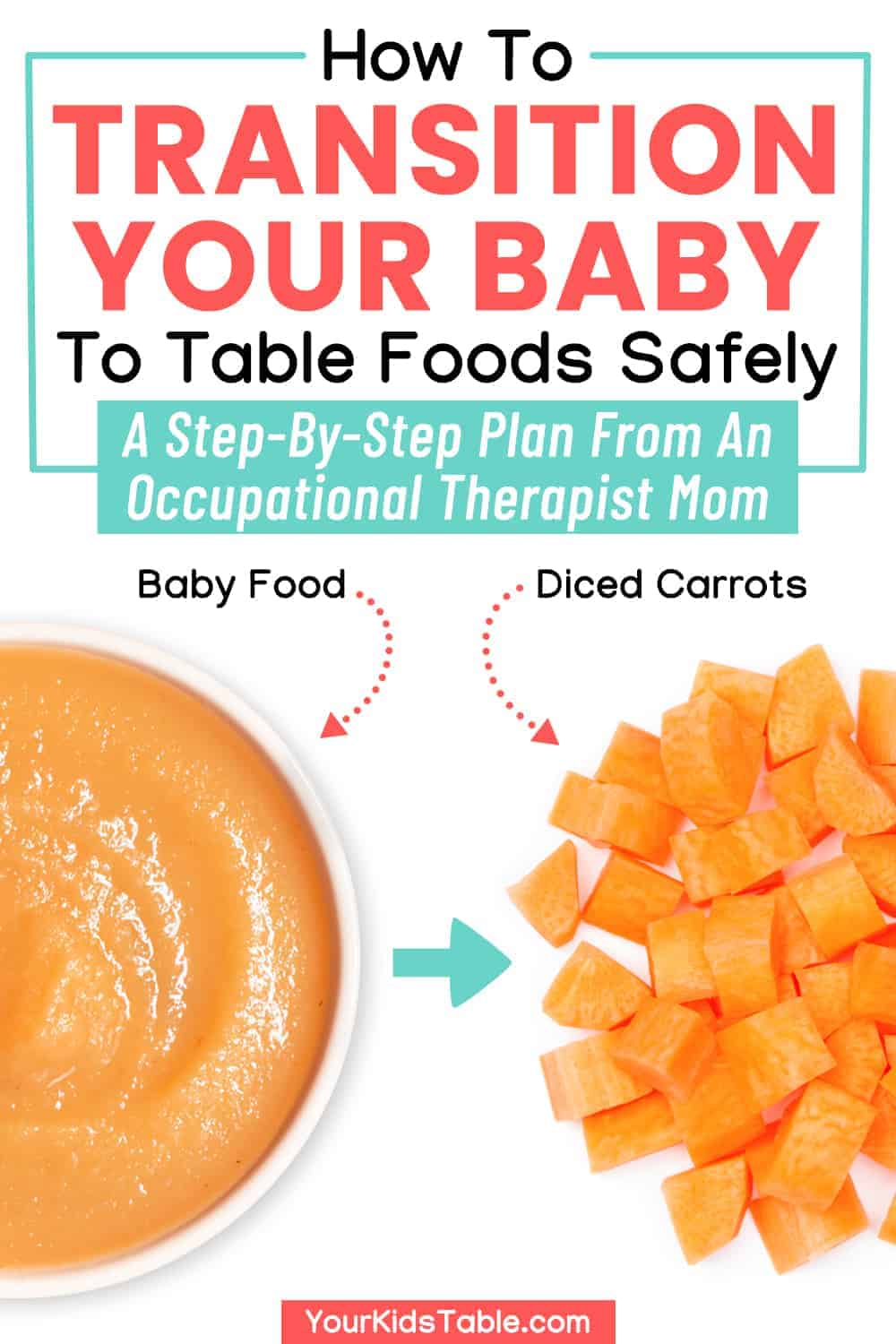
Why the puree vs finger foods for babies debate matters
Parents often ask whether to stick with purees or start finger foods early. The choice affects nutrition, speech development, chewing skills, and mealtime habits. Understanding both approaches helps you support growth, reduce picky eating, and lower feeding stress.

Understanding developmental readiness for solids
Babies develop at their own pace. Most show signs of readiness around 4 to 7 months. Look for these cues:
- Sits with little or no support and has good head control.
- Opens mouth for spoon and reaches for food.
- Shows decreased tongue-thrust reflex and interest in family meals.
If you see these signs, you can start either soft purees or safe finger foods. The puree vs finger foods for babies choice should match your baby’s motor skills and interest.

Benefits of purees
Purees are smooth foods blended to a soft texture. They are helpful early on for many reasons:
- Easy to swallow and digest, especially for younger infants.
- Allow parents to control portion sizes and ingredients.
- Help introduce new flavors gently without overwhelming texture.
Purees can be fortified with iron-rich foods like pureed meats or iron-fortified cereal. For infants with limited oral motor skills, purees offer a safe start while building tolerance to new tastes.

Benefits of finger foods
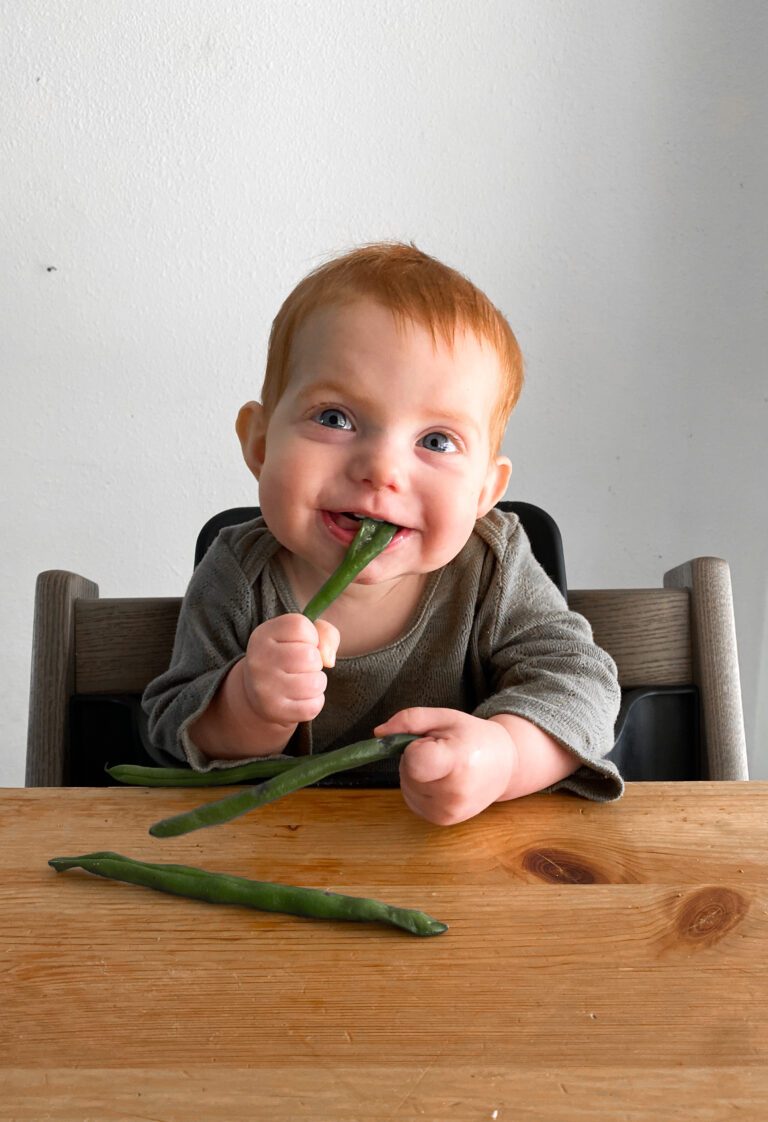
Finger foods are small, soft pieces a baby can grasp and feed themselves. They offer key developmental benefits:
- Teach pincer grasp and hand-eye coordination.
- Encourage chewing and varied textures, which support oral motor skills.
- Promote self-feeding independence and reduce picky eating risk.
Choosing finger foods carefully helps babies practice biting and chewing while learning portion control and hunger cues.
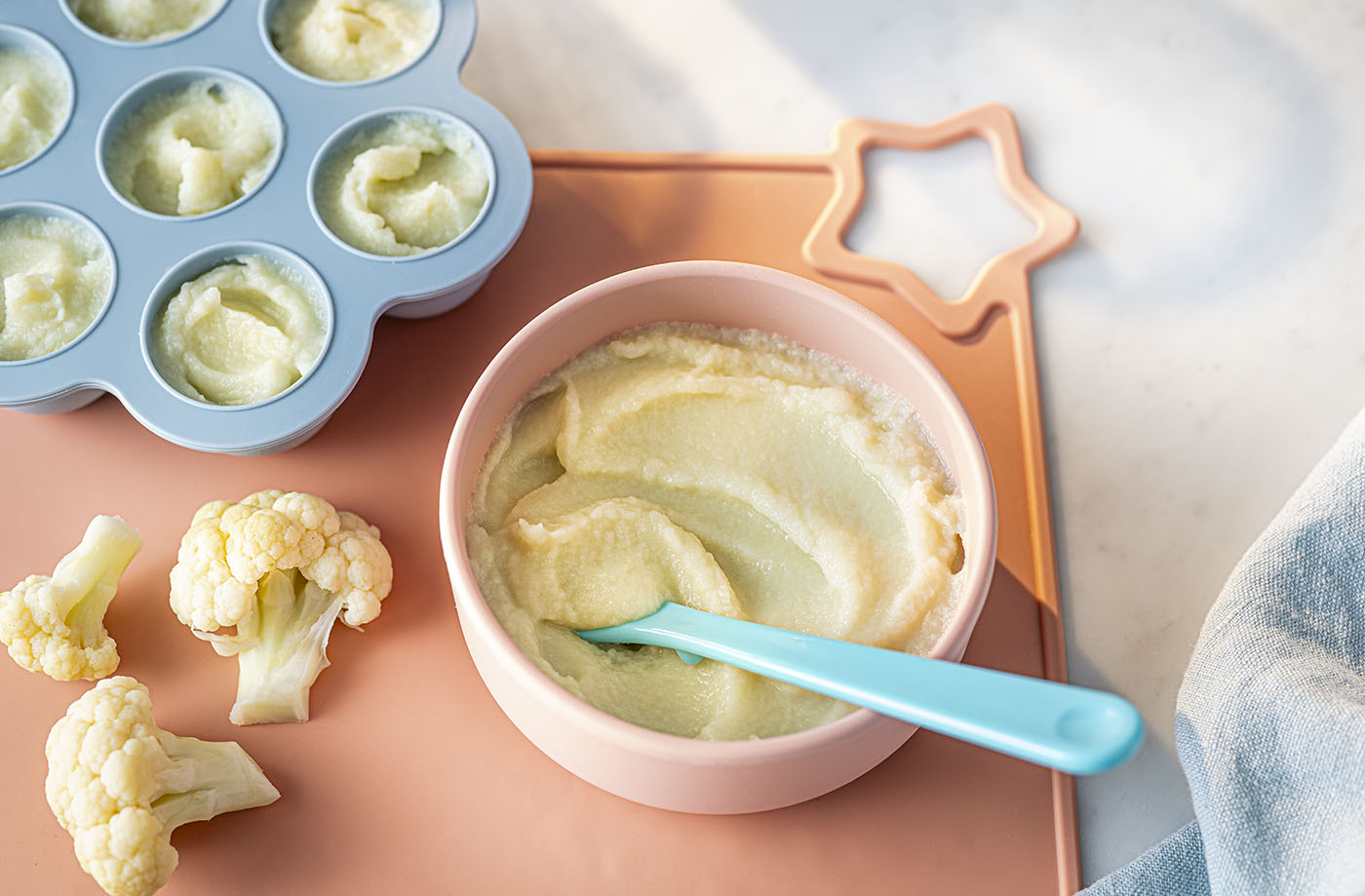
The safety trade-offs: choking, gag reflex, and best practices
Safety is the top concern in the puree vs finger foods for babies debate. Choking risk exists with both but can be reduced. Follow these rules:
- Always supervise meals and sit the baby upright.
- Offer soft, easily mashed foods and avoid round, hard, or sticky items.
- Learn the difference between gagging (normal) and choking (airway blocked).
Practice safe prep: steam, mash, or thinly slice foods. Keep small pieces larger and soft so they compress in the mouth. Teaching safe eating habits early helps both purees and finger foods succeed.
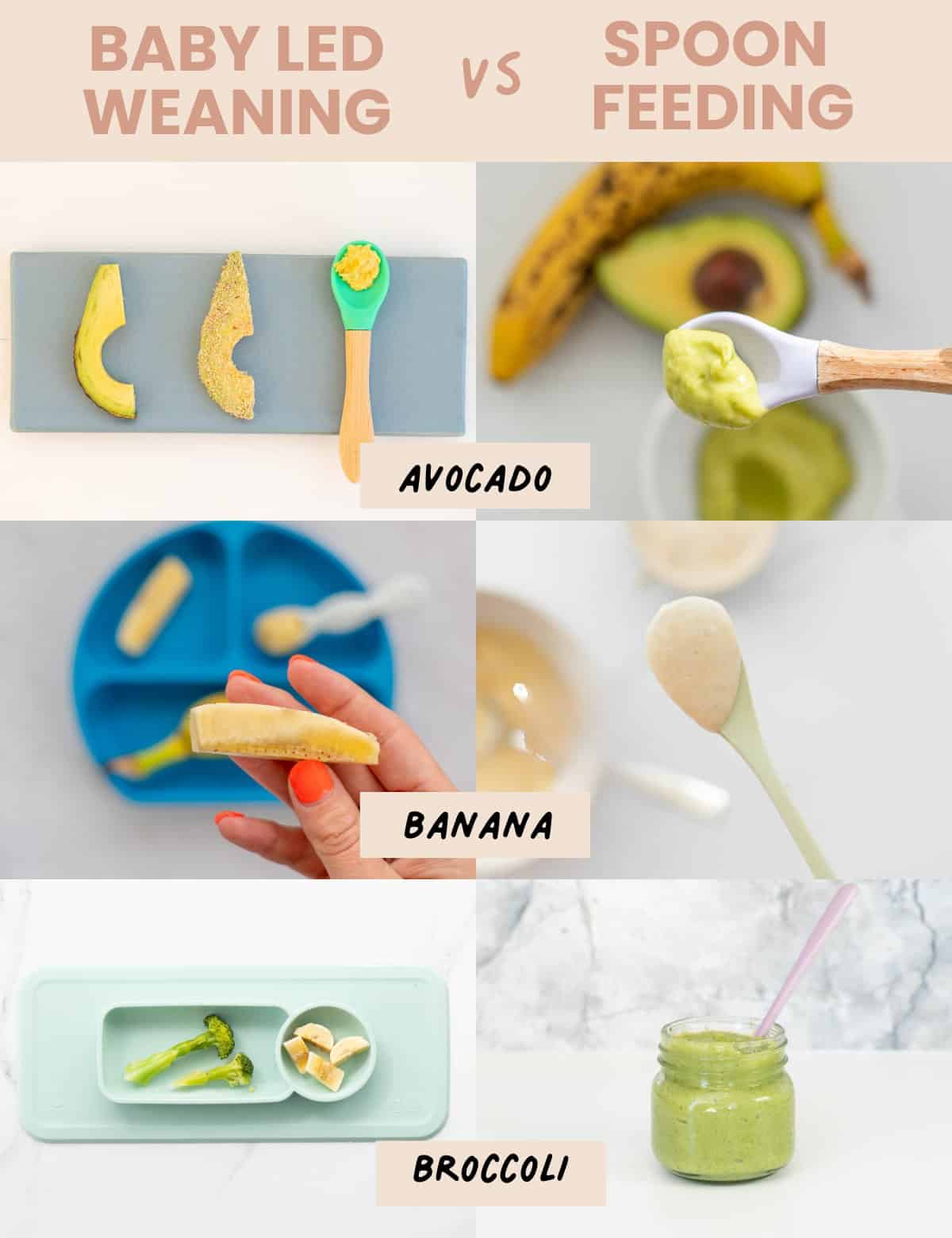
How to move from purees to finger foods: a simple plan
Transitioning can be gradual and flexible. Use this step-by-step plan:
- Start with single-ingredient purees to test tolerance and allergies.
- Introduce soft finger foods while continuing purees for meals.
- Offer mashed or lumpier textures to build chewing.
- Move to small, manageable whole pieces as chewing improves.
- Encourage self-feeding, and reduce puree servings over weeks.
Aim for a mix of purees and finger foods for several months. This balanced approach eases the shift and supports skill building.
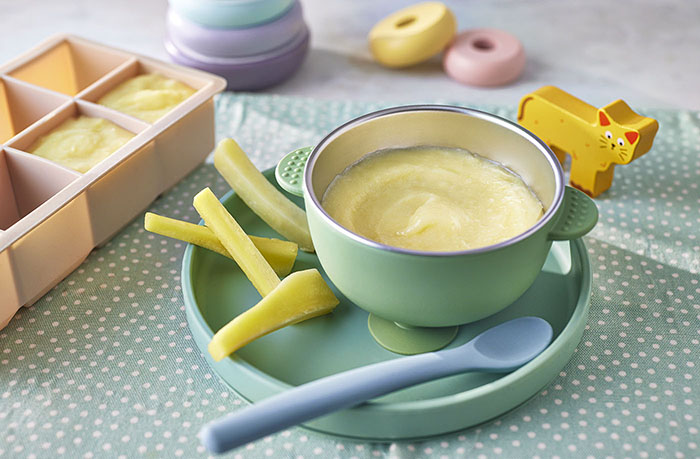
Practical examples and meal ideas
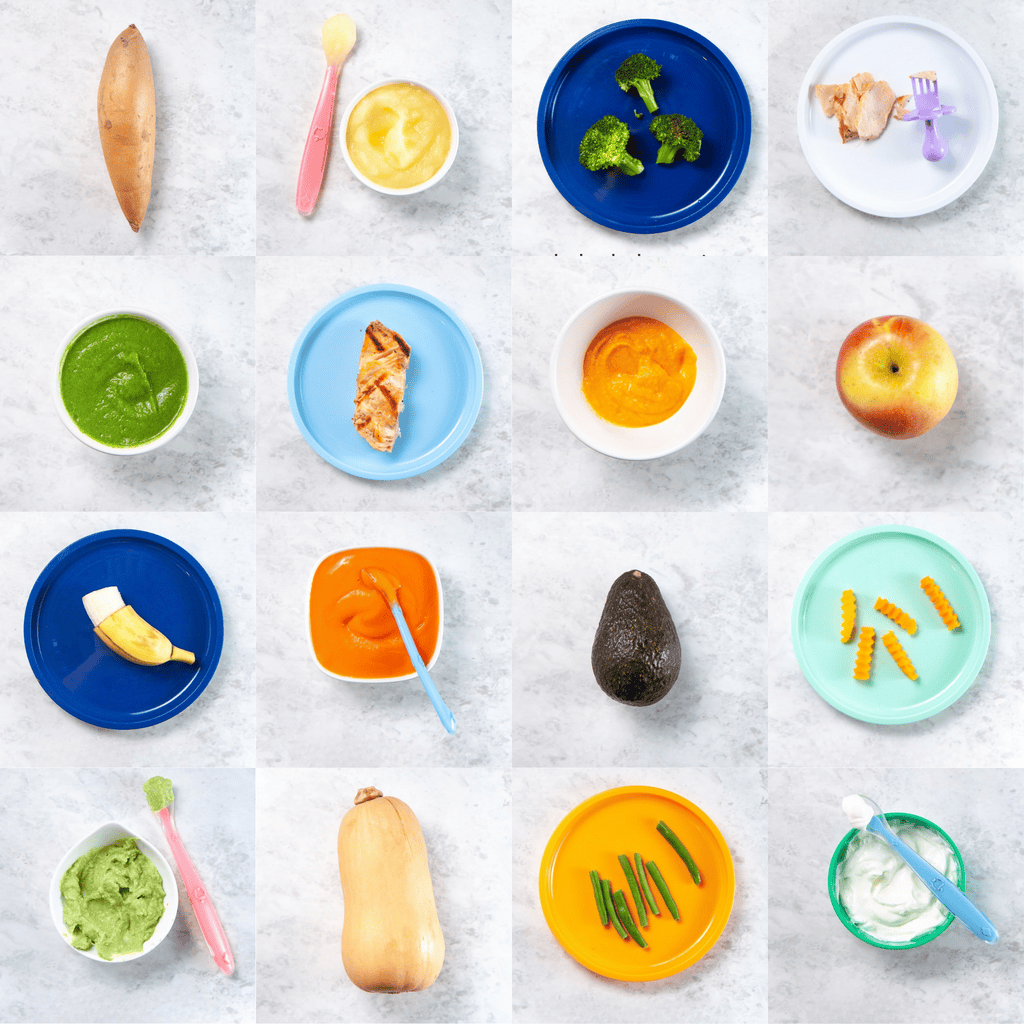
Concrete food ideas make the abstract clear. Try these options:
- Purees: avocado puree, sweet potato puree, pureed pear, mashed banana, pureed lentils.
- Finger foods: steamed carrot sticks, soft-cooked apple slices, avocado cubes, small pieces of ripe banana, well-cooked pasta shapes.
- Mixed meals: spoon a puree and place a few soft sticks on the tray for the baby to try.
Rotate textures and flavors to reduce fussiness and expand your baby’s palate.
Personal lessons, mistakes to avoid, and tips that work
From my hands-on experience with many families and my own child, these lessons stand out:
- Don’t rush transitions because of pressure from others; follow your baby’s cues.
- Offer both textures at the same meal to build skills without stress.
- Expect gagging when trying new textures; it’s normal and decreases over time.
Common mistakes: - Offering hard or round foods too early.
- Forcing a baby to finish purees when they show interest in self-feeding.
A patient, low-pressure approach works best. It helped my toddler go from purees to finger foods in a calm, steady way.

People also ask (short answers)
When should I start offering finger foods instead of purees?
Start when your baby sits unassisted and shows interest, often between 6 and 9 months. Offer both purees and finger foods side by side during the transition.
Can I skip purees and go straight to finger foods?
Yes, many families use baby-led weaning to start with finger foods. Ensure foods are soft, safe, and you supervise meals closely.
How long should a baby stay on purees before trying lumps?
Introduce lumpy textures around 6 to 8 months or when your baby tolerates smooth purees. Move slowly and watch for gagging that diminishes over time.
Are finger foods better for speech development than purees?
Finger foods support jaw strength and varied mouth movements, which help speech. Purees still offer nutrition while jaw muscles develop.
What are safe finger foods for beginners?
Soft-cooked vegetables, ripe fruit pieces, avocado chunks, and well-cooked pasta are good starters. Avoid hard, small, or round foods that can block the airway.
Frequently Asked Questions of puree vs finger foods for babies
What is the main difference between purees and finger foods?
Purees are smooth, spoon-fed textures; finger foods are bite-sized pieces the baby self-feeds. The difference lies in texture, feeding method, and the motor skills each supports.
Which method helps reduce picky eating later?
Offering a mix of purees and finger foods, and exposing babies to many flavors early, tends to reduce picky eating. Repeated, relaxed exposure is key.
How do I know my baby is ready for finger foods?
Look for sitting stability, hand-to-mouth coordination, and reduced tongue-thrust. If your baby reaches for food and chews on a toy, they may be ready.
Can purees provide enough iron and nutrients?
Yes. Purees can be nutrient-dense if you include iron-rich foods like pureed meat, beans, and iron-fortified cereals. Balance purees with protein and healthy fats.
What steps reduce choking risk with finger foods?
Cut foods into safe shapes, steam or soften them, supervise closely, and teach the baby to sit while eating. Know infant first aid for choking as an extra safety step.
Should I offer allergenic foods as purees or finger foods?
Introduce allergenic foods in age-appropriate forms, often as thin purees or soft, mashed forms, while watching for reactions. Early introduction in small amounts can help lower allergy risk.
How do I handle food refusal of textures?
Stay calm and persistent. Offer textures repeatedly without pressure and pair new textures with familiar tastes the baby already accepts.
Conclusion
Choosing between puree vs finger foods for babies is not an all-or-nothing decision. Both approaches can support nutrition and development when timed to your baby's readiness and safety needs. Start with what fits your child, mix textures, watch for cues, and move at a steady pace. Try one small change this week—offer a safe finger-food piece alongside a usual puree—and watch how your baby responds. Share your experience or questions below, or subscribe for more simple feeding guides and recipes.