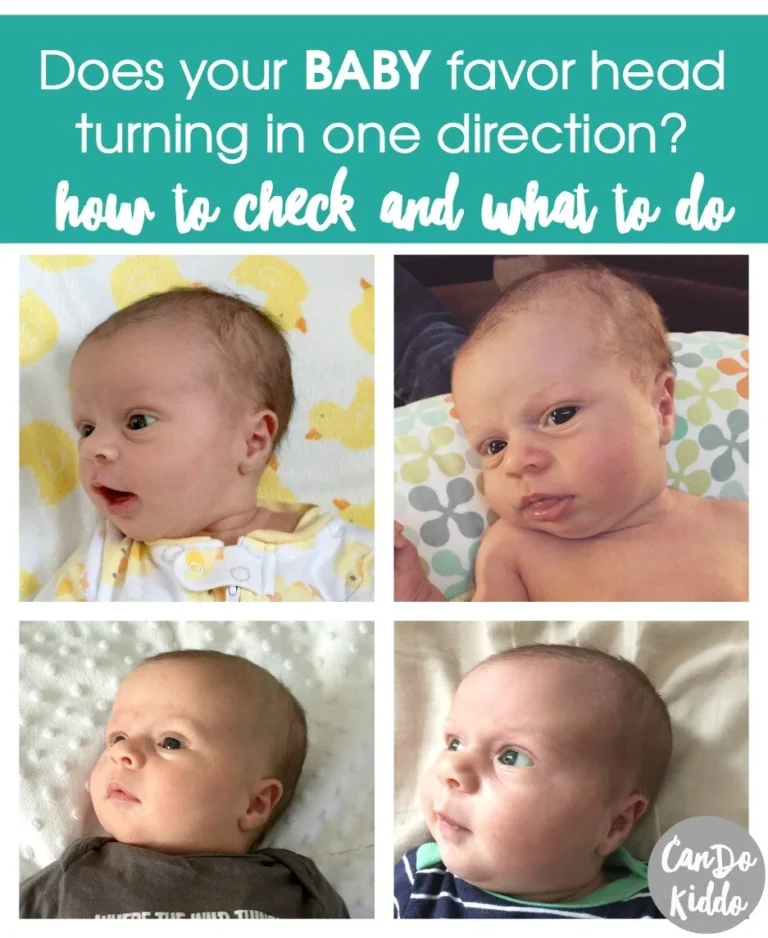
Newborn communication development begins with crying, eye contact, facial cues, body movements, and gentle sounds.
Newborn communication development is your baby’s first way to connect, even before words appear. Each cry, gaze, stretch, and coo carries a message. With a clear understanding of early language milestones, parents can respond with confidence, build trust, and support healthy social and emotional growth.
What Is Newborn Communication Development?
Newborn communication development is the process babies use to share needs, feelings, and interest from birth. It includes crying, facial expressions, eye contact, body movements, listening, and early vocal sounds.
A newborn does not use words yet. Instead, your baby communicates much like a small radio sending short signals. You learn to notice the signal, understand its meaning, and respond with care.
During the first three months, communication often includes:
• Crying for food, comfort, warmth, or rest
• Looking at faces and bright objects
• Turning toward familiar voices
• Calming when held or spoken to
• Making brief sounds beyond crying
• Smiling in response to social contact
• Moving arms and legs when excited or upset
Newborn communication development varies from baby to baby. Some infants are very vocal, while others watch quietly and respond with small movements. The goal is not to compare babies, but to notice steady progress and connection.

Newborn Communication Development by Age
Birth to 1 month
In the first weeks, crying is the main form of communication. Your baby may cry when hungry, tired, wet, cold, overstimulated, or in pain.
Newborns also listen closely. They may pause during a cry when they hear your voice. Some babies turn their head toward sound, though their movements may be slow or uneven.
You may notice these early signs:
• Brief eye contact
• Startling at loud sounds
• Calming when held close
• Small mouth movements during feeding
• Grunts, sighs, or soft throat sounds
• Changes in breathing or movement
At this stage, your baby is not being “spoiled” by comfort. Responsive care teaches the brain that communication works.
1 to 2 months
By the second month, many babies become more alert during social contact. They may watch your face for longer periods and begin to smile at people.
Crying may also become easier to understand. You might hear a different pattern for hunger than for tiredness. These patterns are not exact rules, but they can help you learn your baby’s style.
Newborn communication development may now include:
• More frequent eye contact
• Social smiles
• Short vowel-like sounds
• More active arm and leg movements
• Turning toward familiar voices
• Quiet attention during face-to-face talk
2 to 3 months
Near three months, many babies begin making more intentional sounds. These can include coos, squeals, and vowel sounds such as “ah” or “oo.”
Your baby may also wait for you to respond. For example, your infant may coo, pause, and then make another sound after you speak. This early back-and-forth is a foundation for later conversation.
Common changes include:
• Longer periods of alertness
• More smiles during interaction
• Increased interest in faces
• Cooing and vocal play
• Clearer reactions to tone of voice
• Excitement shown through kicking or waving
Milestones are helpful guides, not strict deadlines. Premature babies may follow a corrected age. Your pediatrician can explain what progress is expected for your child.
How Newborns Communicate Before Words
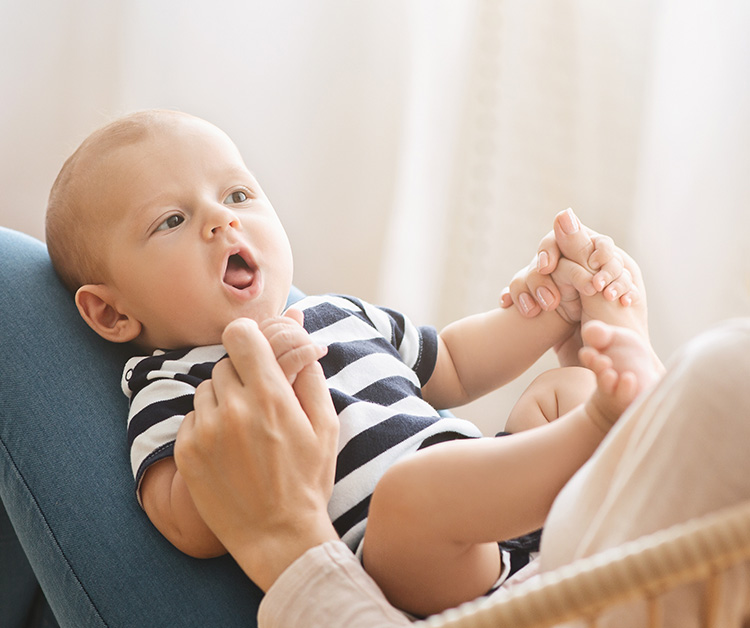
Newborn communication development uses several channels at once. Your baby’s message may come from a cry, a facial cue, and body movement together.
Crying
Crying is normal and useful. It is not always a sign of a serious problem. Babies cry to request help, release tension, or respond to discomfort.
Over time, caregivers often notice patterns:
• A rhythmic cry may suggest hunger
• A sharp cry may signal pain or discomfort
• A fussy, uneven cry may point to tiredness
• A low whimper may show a need for closeness
These patterns are not medical tests. Always check basic needs first, and seek help if crying is sudden, extreme, or difficult to soothe.
Facial expressions
A newborn may wrinkle the forehead, open the mouth, smile, frown, or turn away. These expressions can show comfort, interest, stress, or tiredness.
A smile in the first weeks may be a reflex. Around two months, many babies begin showing social smiles in response to faces or voices.
Body language
Body movements offer important clues. A relaxed body may show calm. Stiff arms, clenched fists, arching, or frantic movements may mean your baby needs a break.
Turning the head away does not mean your baby dislikes you. It often means the baby has had enough stimulation and needs quiet.
Early sounds
Cooing often begins after the early newborn period. Your baby may make soft sounds during calm moments, especially after feeding or waking.
These sounds are early practice for speech. Responding to them teaches your baby that sounds can create connection.

How Parents Can Support Newborn Communication Development
You do not need expensive toys or special lessons. Daily care gives your baby many chances to learn.
Talk during everyday routines
Describe what you are doing in simple words:
• “I am changing your diaper.”
• “Here comes your warm bath.”
• “You are looking at me.”
• “Now we are going to feed.”
Your baby may not understand each word yet, but the voice, rhythm, and repeated sounds support early language learning.
Copy and answer your baby’s sounds
When your baby coos, pause and respond. Copy the sound, then wait again. This creates a small conversation.
Try this pattern:
- Your baby makes a sound.
- You answer with a similar sound.
- You pause for several seconds.
- Your baby responds with a movement or sound.
- You continue while your baby stays calm and alert.
This is one of the simplest ways to support newborn communication development.
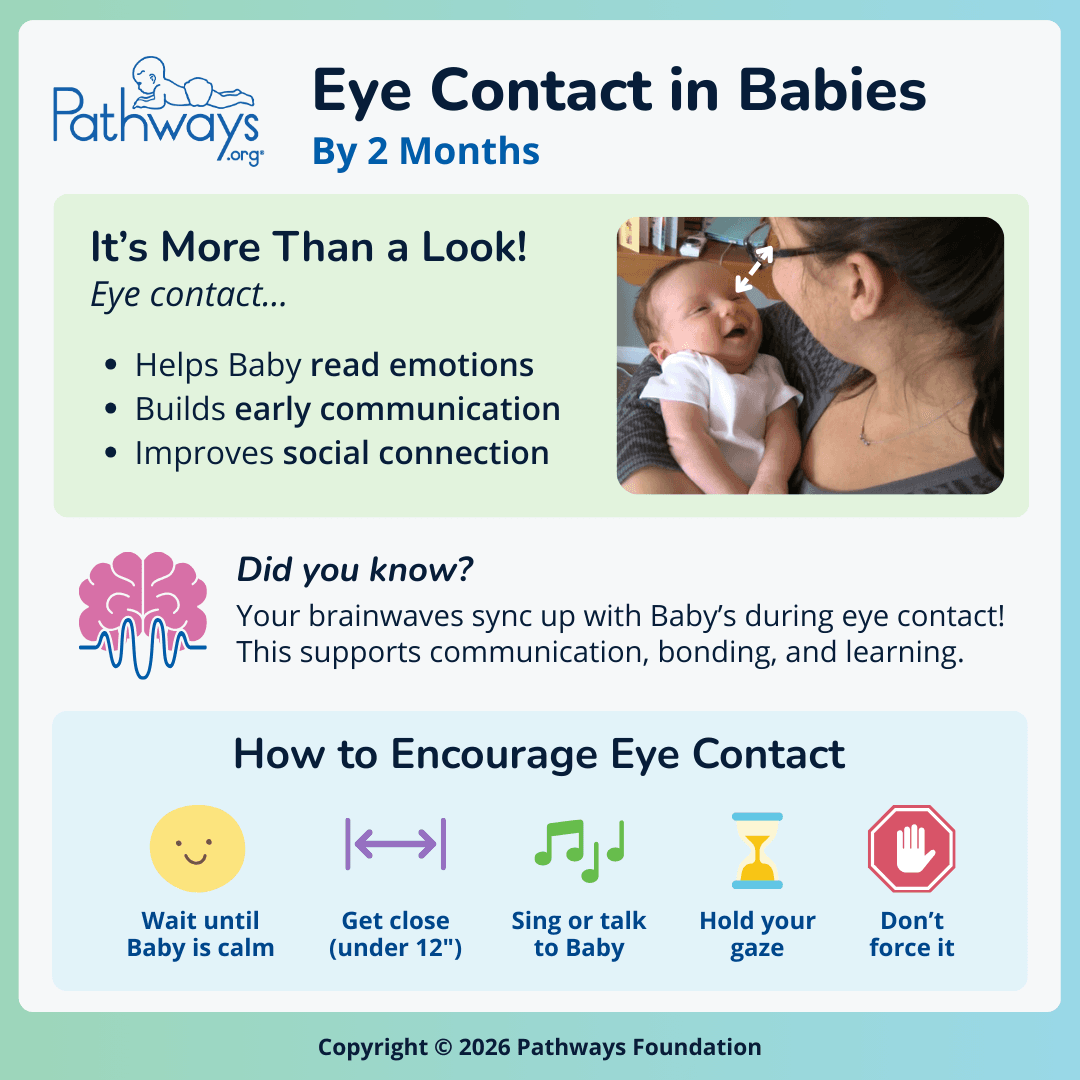
Use warm eye contact
Hold your baby close enough for a clear view of your face. Newborns often see best at about 8 to 12 inches, which is roughly the distance from your face during feeding.
Use a soft voice and relaxed expression. If your baby looks away, stop for a moment. Respecting the pause helps your baby learn that communication includes both speaking and listening.
Read and sing
Reading does not require a long story. A short board book, nursery rhyme, or family song is enough.
Your baby benefits from:
• Repeated words
• Different voice tones
• Facial expressions
• Rhythmic sounds
• Shared attention
You can read in any language spoken at home. Using your strongest language supports rich interaction and family connection.
Respond to cries with care
You may not always know why your baby is crying. That is normal. Check hunger, diaper needs, temperature, burping, tiredness, and comfort.
If nothing works, hold your baby safely, lower noise, and take slow breaths. Never shake a baby. If you feel overwhelmed, place your baby on their back in a safe crib and ask a trusted adult for help.
The Role of Hearing, Vision, and Feeding
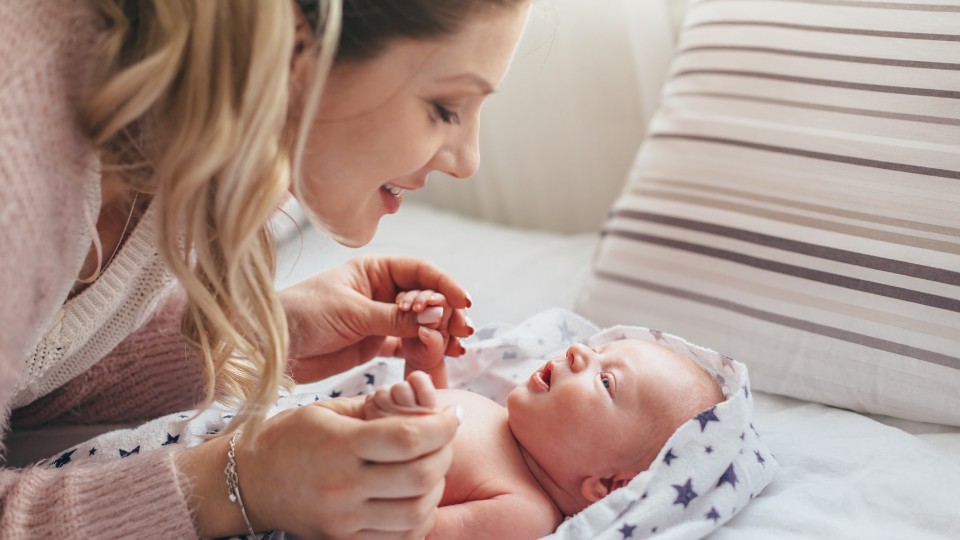
Newborn communication development depends on the senses. Hearing helps babies notice speech and tone. Vision helps them watch faces. Feeding creates close, repeated moments of touch, sound, and eye contact.
Most newborns receive hearing screening before leaving the hospital. If your baby did not receive one, ask the pediatrician about it. A hearing concern can affect response to voices and early language skills, so early checks matter.
Vision also develops over time. Newborns may focus briefly, look at high-contrast shapes, and prefer faces. Wandering eye movements can be normal early on, but your child’s clinician should review concerns such as a constant eye turn or unusual lack of visual response.
Feeding is another communication setting. Your baby may pause, turn away, slow down, or relax. These cues can show fullness or a need for a short break. Responsive feeding means noticing those signals rather than pushing your baby to continue.
A useful lesson from infant care is to watch the whole baby, not one sign. A single quiet day does not define development. Patterns across days and weeks are more meaningful.
Common Mistakes That Can Limit Early Communication
Most parents make mistakes because they are tired, not because they do not care. Small changes can make interactions easier.
Expecting constant eye contact
Newborns need frequent breaks. Looking away can be a healthy way to manage stimulation. Give your baby time to look back without forcing attention.
Filling every quiet moment
Silence is useful. It gives your baby time to process your voice and prepare a response. Talk, pause, and watch what happens.
Using screens as background noise
Television and phone videos do not replace human interaction. Babies learn communication best through responsive, face-to-face contact. The American Academy of Pediatrics advises avoiding routine screen use for infants younger than 18 months, apart from video calls with adult support.
Comparing babies
One baby may coo early, while another may focus more on movement or faces. Family culture, temperament, birth history, and health can all shape early behavior.
Ignoring caregiver stress
A tired caregiver may struggle to respond calmly. Ask for help, rest when possible, and speak honestly with your healthcare team. Caring for yourself supports your baby’s communication environment.

When to Talk With a Pediatrician
Newborn communication development has a wide range, but some signs deserve medical attention. Contact your child’s healthcare provider if your baby:
• Does not startle or react to loud sounds
• Does not seem to notice voices by about 2 months
• Rarely looks at faces
• Does not show any social response by about 3 months
• Has unusual difficulty feeding
• Loses a skill the baby previously had
• Seems extremely stiff, floppy, sleepy, or difficult to wake
• Cries with signs of illness, injury, or severe pain
Do not wait for a milestone date if something worries you. Parents often notice subtle changes first. A pediatrician can check hearing, vision, feeding, muscle tone, and general development.
Early support is not a label or a failure. It is a way to give a child useful help during a period of rapid brain growth. Your clinician may refer you to an audiologist, speech-language pathologist, or early intervention program when appropriate.

A Simple Daily Plan for Newborn Communication Development
You can support newborn communication development in short moments throughout the day. There is no need to turn care into a lesson.
Try this simple plan:
- Choose one calm moment after feeding or a diaper change.
- Hold your baby close and make gentle eye contact.
- Talk for one or two minutes using simple words.
- Pause and wait for a movement, look, or sound.
- Copy your baby’s sound or facial expression.
- Stop when your baby looks away, yawns, fusses, or becomes tense.
- Repeat the routine during another calm part of the day.
Keep expectations small. A quiet gaze can be a successful exchange. A relaxed body can show that your baby feels safe.
One practical tip is to keep a short note on your phone or calendar. Write down new sounds, smiles, responses to voices, and questions for the next checkup. This can help you see progress when each day feels busy.
Frequently Asked Questions About Newborn Communication Development
When does newborn communication development begin?
Newborn communication development begins at birth. Crying, listening, eye contact, facial expressions, and body movements are all early forms of communication.
How can I tell what my newborn’s cry means?
You may notice different patterns for hunger, tiredness, discomfort, or the need for closeness. These patterns are not exact, so check basic needs and contact a healthcare professional if the crying seems unusual or severe.
When do newborns start cooing?
Many babies begin cooing around 2 months, though timing varies. Some babies start earlier, while others take more time, especially if they were born prematurely.
Should I talk to my newborn even if the baby cannot understand me?
Yes. Talking helps your baby hear speech sounds, rhythm, and tone. It also creates warm back-and-forth contact that supports early language and social development.
Is it normal for a newborn to look away?
Yes. Looking away often means your baby needs a short break from stimulation. Wait quietly, then offer your face or voice again when your baby seems calm and alert.
What if my newborn does not respond to sound?
Tell your pediatrician if your baby rarely reacts to loud sounds or familiar voices. A hearing evaluation can identify concerns early and guide the right support.
Can newborn communication development be delayed?
Yes, development can vary because of prematurity, hearing loss, vision concerns, medical conditions, or differences in temperament. If you have concerns, ask your child’s healthcare provider for an assessment rather than waiting.
Conclusion
Newborn communication development starts with small signals, not spoken words. Crying, eye contact, cooing, body movements, and facial expressions help your baby connect with you and learn that communication brings a response.
Talk, sing, read, pause, and watch your baby’s cues. Offer comfort without pressure, respect breaks, and discuss concerns early with your pediatrician. Keep building these daily moments, and explore trusted child development resources or share your experience with other new parents.