Newborn sleep environment principles keep babies safest with a firm, flat, clear, smoke free sleep space.
The right newborn sleep environment can lower sleep risks while helping tired parents feel more confident. This guide explains evidence based safety steps, room setup tips, common mistakes, and simple ways to make safe sleep work in real life.
What Are Newborn Sleep Environment Principles?
Newborn sleep environment principles are practical rules for creating a safe place for a baby to sleep. They focus on the sleep surface, the baby’s position, the room, clothing, and nearby hazards.
The core goal is simple: keep the baby’s airway clear and reduce the chance of suffocation, overheating, and sleep related death. The American Academy of Pediatrics recommends placing babies on their backs for every sleep, using a firm and flat surface, and keeping the sleep space free of soft items.
The main newborn sleep environment principles include:
• Place the baby on their back for naps and nighttime sleep.
• Use a firm, flat mattress made for the crib, bassinet, or play yard.
• Keep pillows, blankets, bumpers, toys, and loose bedding out of the sleep area.
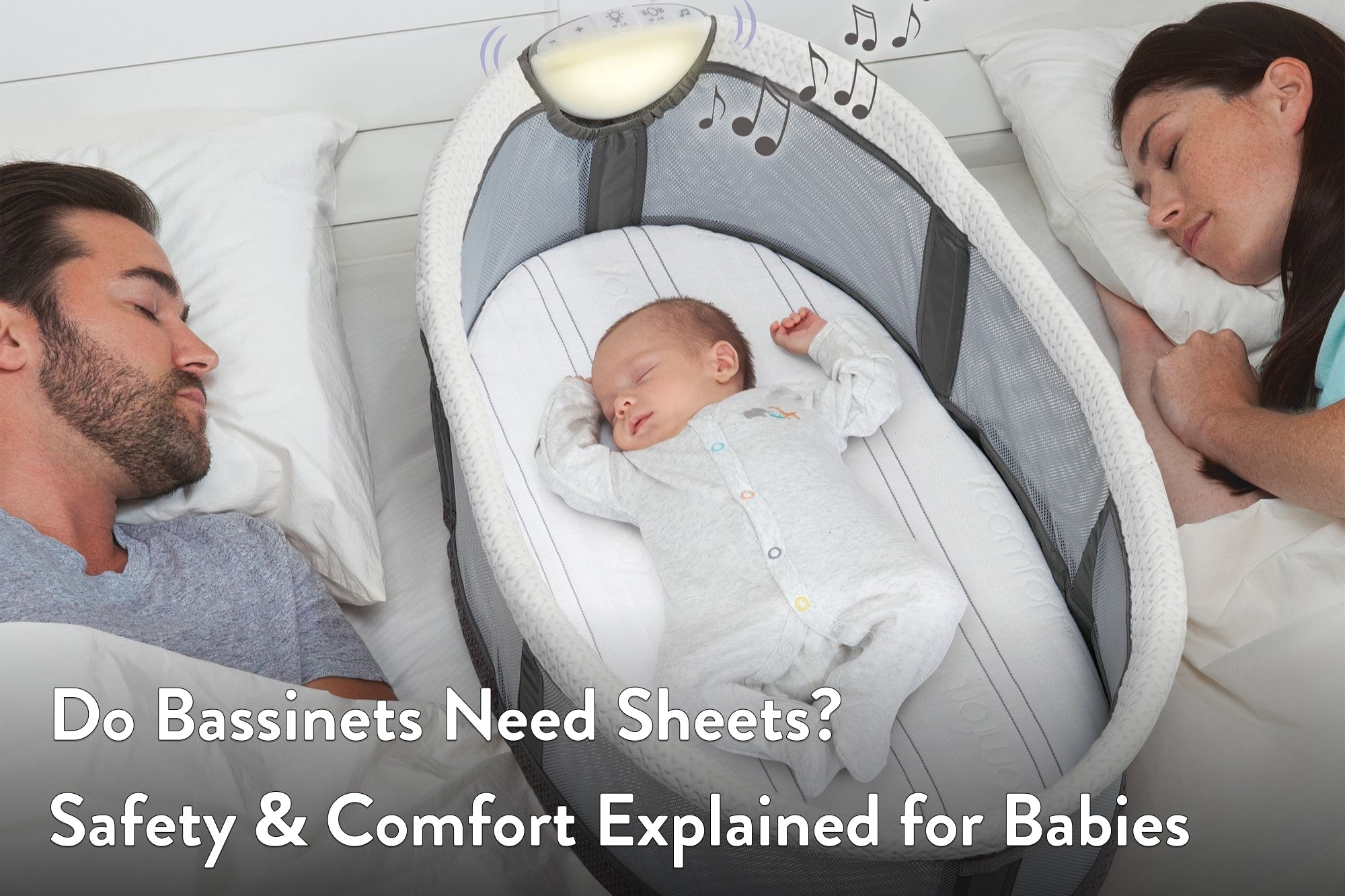
• Keep the baby’s sleep space in the parents’ room, but not in the adult bed.
• Prevent overheating and avoid smoke exposure.
• Use a properly fitted sheet only.
These steps are not about creating a perfect nursery. They are about removing avoidable risks, one small choice at a time.

Why a Safe Newborn Sleep Environment Matters
Newborns have limited head control. They may not be able to move away if their nose or mouth becomes covered. Their small bodies also lose heat and gain heat in ways that differ from older children and adults.
A safe sleep space works like a clear runway. It gives the baby room to breathe and reduces objects that could block the airway. Even a soft pillow that seems harmless to an adult can be dangerous for a newborn.
Research and national safe sleep guidance link unsafe sleep conditions with a higher risk of sudden unexpected infant death. No setup can remove every risk, but following newborn sleep environment principles can reduce known hazards.
Room sharing is also helpful. The baby can sleep near the parent in a separate bassinet or crib. This arrangement makes feeding and checking easier while avoiding the dangers linked with bed sharing.
Parents often feel pressure to make a baby sleep longer. Yet safety matters more than long sleep stretches. A newborn may wake often because of hunger, growth, reflux, or the need for comfort. Waking does not mean the sleep space is failing.
Choose a Firm, Flat Sleep Surface
The mattress should be firm and flat. It should not slope, sink, or form a pocket around the baby’s head. A simple test is to press the mattress with your hand. It should spring back quickly and should not feel soft or cushioned.
Use only a mattress designed for the crib, bassinet, or play yard. The mattress should fit tightly, with no wide gaps around the edges. A gap can trap a baby’s head, arm, or leg.
Cover the mattress with one fitted sheet made for that product. Avoid adding a mattress topper, foam pad, quilt, or extra layer under the sheet. These products can change the firmness and create an unsafe surface.
Check the sleep product’s instructions before use. Follow weight and age limits. Stop using a bassinet when the baby can push up, roll, sit, or reach the product’s stated limit.
A safe sleep surface should be:
• Firm and flat.
• Clean and dry.
• Free of cracks, tears, and sagging.
• Covered with one tight fitted sheet.
• Approved for infant sleep by the manufacturer.
Portable products need care, too. A stroller seat, car seat, swing, or infant carrier may be useful for travel, but these products are not designed for routine sleep. If the baby falls asleep in one, move them to a firm, flat sleep surface as soon as it is safe to do so.
Keep the Baby on Their Back
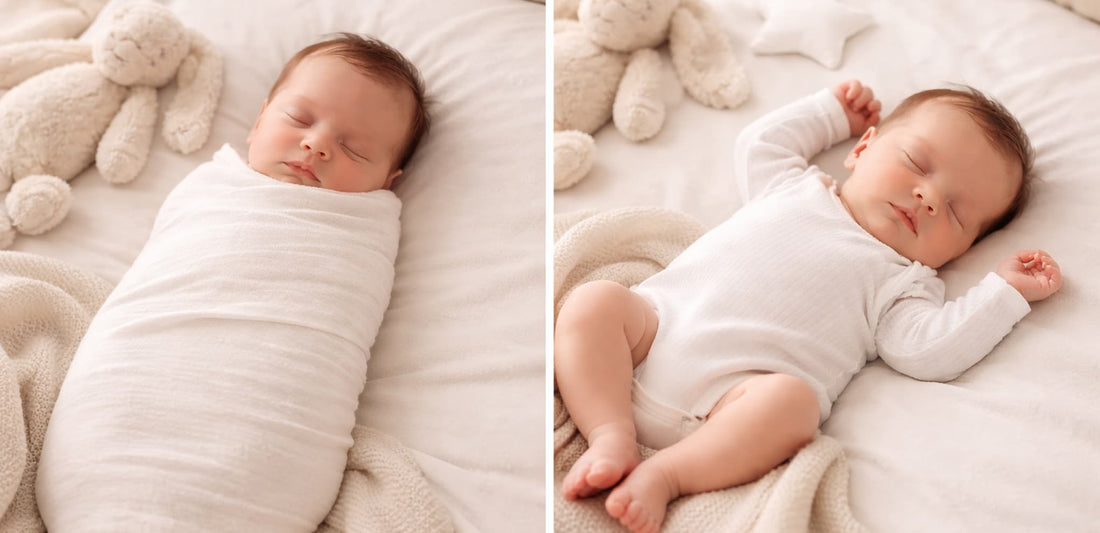
Place the baby on their back for every nap and nighttime sleep. This includes short naps, contact naps that end in a sleep space, and sleep after feeding.
Back sleeping helps keep the airway in a safer position. Side sleeping is not stable because a newborn can roll from the side onto the stomach. Stomach sleeping can make breathing harder and may raise the risk of overheating.
Once a baby can roll from back to stomach and stomach to back on their own, you should still place them on their back. If they change position by themselves, you do not need to keep turning them back all night. Keep the crib clear and stop swaddling when rolling begins.
Some babies have medical needs that change this advice. Always follow a health professional’s specific instructions when a doctor has prescribed a different position for a diagnosed condition.
A common mistake is using a positioner to stop a baby from rolling. Sleep positioners, wedges, and rolled towels can create a suffocation or entrapment risk. They are not a safe substitute for a clear sleep space.
Keep the Sleep Space Clear
A newborn needs very little inside the sleep area. The safest setup is a baby in suitable clothing on a firm mattress with a fitted sheet.
Keep these items out of the crib, bassinet, or play yard:
• Pillows and nursing pillows.
• Loose blankets and quilts.
• Stuffed animals and toys.
• Crib bumpers and mesh liners.
• Sleep positioners and wedges.
• Weighted blankets, swaddles, or stuffed toys.
• Hats, bibs, and clothing with loose cords.
• Cords from monitors, lamps, or window coverings.
Soft items may look comforting, but they can cover the baby’s face. Crib bumpers can also create entrapment and breathing risks. The safest decoration is decoration placed outside the sleep area.
If you worry that your newborn may feel cold, dress the baby in a wearable blanket or sleep sack that fits well around the neck and arms. Choose a product that is not weighted and does not cover the face.
A wearable blanket should not be so large that the baby can slip inside. Check the neck and arm openings. They should fit securely without pressing tightly on the skin.

Manage Room Temperature and Clothing
Overheating is a concern in newborn sleep safety. A baby does not need to feel warm to the touch all the time. Check the baby’s chest or back rather than the hands and feet, which may feel cool even when the baby is comfortable.
Dress the baby in about one more light layer than an adult would wear in the same room. This is a general guide, not a strict rule. Room temperature, clothing fabric, and the baby’s health all matter.
Signs of overheating may include:
• Sweating.
• Damp hair.
• Flushed skin.
• A hot chest or back.
• Fast breathing.
• Unusual restlessness.
Remove a layer if the baby feels hot or shows these signs. Never cover the baby’s head during sleep indoors unless a medical professional gives specific advice.
Do not use electric blankets, hot water bottles, heating pads, or heated mattress products for routine newborn sleep. These items can cause burns or raise the risk of overheating.
Newborn sleep environment principles work best when parents check the whole setting. A cool room alone does not make an unsafe crib safe, and a clear crib does not make heavy clothing safe.

Share a Room, Not a Bed
Room sharing means the baby sleeps in the same room as the parent, but on a separate sleep surface. This setup is recommended for at least the first six months when possible, and ideally for the first year.
A bedside bassinet can make nighttime feeding easier. After feeding, return the baby to their own sleep space before the parent goes back to sleep. This can be hard during long nights, so prepare the area before bedtime.
Keep the baby’s sleep space close to the adult bed. Do not place the bassinet on a sofa, chair, countertop, or unstable table. Use a product designed for infant sleep and follow its assembly instructions.
Bed sharing is especially risky when:
• The baby is younger than four months.
• The adult is very tired.
• The adult smokes or uses nicotine.
• The adult used alcohol, cannabis, sleep medicine, or other sedating drugs.
• The baby was born early or had a low birth weight.
• The baby is sleeping on a couch, recliner, or soft chair.
If you bring the baby into bed for feeding or comfort, clear pillows and blankets away from the baby. Return the baby to a separate sleep space when you are ready to sleep. A couch or recliner is never a safe place for an adult and newborn to sleep together.
Use Swaddling Safely
Swaddling can calm some newborns by reducing sudden arm movements. However, it does not reduce the need for safe sleep practices. A swaddled baby must still sleep on the back in a clear crib or bassinet.
The swaddle should be snug around the chest but loose around the hips and legs. Tight wrapping around the legs can affect hip development. The baby should be able to bend and move the legs.
Stop swaddling as soon as the baby shows signs of trying to roll. This may happen earlier than parents expect. Some babies begin to roll around two to four months, but development varies.
Never use a weighted swaddle or weighted sleep sack for a newborn. Avoid swaddling with loose blankets that can come undone. A commercial product with clear instructions may be easier to use safely.
A useful habit is to check the swaddle at each feed. Look for signs of overheating, loose fabric, or a baby who is trying to break free. Once rolling begins, switch to an ordinary wearable blanket that leaves the arms free.
Consider Breastfeeding and Pacifier Use
Breastfeeding is associated with a lower risk of sudden unexpected infant death, although families should receive support without pressure or guilt. If breastfeeding is not possible, safe sleep practices still offer important protection.
Some parents offer a pacifier at naps and bedtime. Studies suggest pacifier use may lower the risk of sleep related death, but it should not be forced. If the baby rejects it, there is no need to insist.
For breastfed babies, many families wait until feeding is well established before introducing a pacifier. This timing can vary. Ask a pediatrician or lactation professional for advice that fits your baby.
Follow these basic pacifier rules:
• Use a one piece pacifier made for the baby’s age.
• Do not attach it to a cord, ribbon, necklace, or stuffed toy during sleep.
• Do not coat it with honey, sugar, or other sweet foods.
• Replace it when it becomes cracked or worn.
A pacifier is optional. It cannot make an unsafe sleep environment safe. The mattress, position, and clear sleep area remain the foundation.
Control Smoke, Air, and Other Hazards
Keep the baby’s sleep area smoke free. This includes cigarettes, cigars, vaping products, marijuana smoke, and smoke brought into the home on clothing. Smoke exposure can harm infant breathing and is linked with a higher risk of sudden unexpected infant death.
Do not smoke in the home or car. Airing out a room does not fully remove smoke particles. Wash hands and change outer clothing after smoking before holding the baby.
Keep cords, monitors, and window blind strings away from the crib. Place the crib far from windows, heaters, lamps, shelves, and furniture that the baby may later pull down.
A monitor may help a parent feel connected, but it cannot prevent sleep related death. Consumer heart rate and oxygen monitors are not a substitute for safe sleep practices. They can also cause false alarms and extra worry.
Avoid scented candles, strong fragrances, and aerosol sprays near the sleep area. Newborn lungs are sensitive, and clean air is a simple, useful part of a healthy room.
Build a Safe Newborn Sleep Routine
A routine does not need to be strict. Newborns have small stomachs and changing sleep patterns. A simple routine can still help parents repeat the same safety checks.
Before sleep, try this short sequence:
-
Feed the baby and burp them as needed.
-
Check the diaper and clothing.
-
Move the baby to a firm, flat sleep surface.
-
Place the baby on their back.
-
Remove loose items from the sleep space.
-
Check that the baby is not hot or sweaty.
-
Keep the room calm and smoke free.
The routine can happen in a few minutes. It does not need special products, white noise machines, or a perfect bedtime. Newborn sleep is often irregular, so safety should stay consistent even when timing changes.
If you use white noise, keep the machine far from the crib and set it at a low volume. Loud or close sound may harm hearing. Turn it off if it becomes hot, has damaged cords, or creates a new hazard.
One helpful lesson from newborn care guidance is that simplicity wins. The more products placed around a baby, the more chances there are for a product to be used incorrectly.
Common Newborn Sleep Environment Mistakes
Many unsafe setups begin with good intentions. Parents want the baby to feel cozy, sleep longer, or stay close. Understanding the common mistakes can make safer choices easier.
Using a soft mattress
A soft mattress may feel comfortable to an adult, but it can allow the baby’s face to press into the surface. Use a firm mattress that fits the sleep product correctly.
Adding crib bumpers
Bumpers do not reliably prevent injury and can create breathing or entrapment risks. Keep the crib bare except for the fitted sheet.
Letting the baby sleep in a car seat
Car seats protect babies during travel. They are not routine sleep spaces outside the vehicle. Move a sleeping baby to a firm, flat surface when you arrive.
Covering the baby with a blanket
Loose blankets can cover the face. Use a well fitted wearable blanket instead, and choose clothing based on the room temperature.
Falling asleep on a couch
Couches and recliners are soft and contain gaps. They are among the most dangerous places for an adult and baby to sleep together.
Relying on a monitor
A monitor can support supervision, but it cannot replace a safe sleep environment. Keep using the basic newborn sleep environment principles every time.
How to Check a Secondhand Sleep Product
Secondhand products can be useful, but safety details matter. Do not use a crib, bassinet, or play yard if you cannot confirm its history and condition.
Check the product for:
• A firm mattress that fits without gaps.
• Missing, loose, or broken parts.
• Sharp edges, cracks, or peeling paint.
• A recalled model.
• Instructions and safety labels.
• A suitable age, size, and weight limit.
Do not modify the product with homemade padding, extra fabric, or replacement parts that the manufacturer did not approve. Avoid products with unknown damage from storage, moisture, or a previous accident.
A secondhand mattress deserves special caution. It may be worn, contaminated, or the wrong size. A new mattress made for the exact product is often the safer choice.
In the United States, families can check product recalls through official consumer safety resources. When in doubt, ask a pediatrician, public health nurse, or certified child passenger safety professional for guidance.
When to Ask a Health Professional
General newborn sleep environment principles apply to most healthy babies. Some infants need individual advice because of prematurity, breathing problems, heart disease, poor growth, or other medical conditions.
Ask the baby’s health professional about sleep if your newborn:
• Has pauses in breathing or turns blue.
• Snores loudly or struggles to breathe.
• Sweats heavily during sleep or feeds.
• Has repeated choking episodes.
• Is difficult to wake for feeds.
• Has poor weight gain.
• Was born very early or had a long hospital stay.
Seek emergency help for severe breathing trouble, blue or gray skin, limpness, or a baby who cannot be awakened. Safe sleep guidance is important, but it does not replace urgent medical care.
Parents also deserve support. Exhaustion can make safe choices harder. If you feel yourself falling asleep while holding the baby, place the baby in the crib before you rest. Ask a trusted adult to help with meals, chores, or a supervised awake period so you can recover.
A Simple Newborn Sleep Safety Checklist
Use this checklist before naps and nighttime sleep:
• Is the baby on their back?
• Is the surface firm and flat?
• Does the mattress fit tightly?
• Is the crib free of pillows, blankets, toys, and bumpers?
• Is the baby dressed lightly enough for the room?
• Is the baby’s head uncovered?
• Is the sleep area free from smoke?
• Is the baby in their own sleep space?
• Are cords and monitors safely away?
• Is the product within its age, size, and weight limits?
Put this list near the crib if it helps. Repeating the same steps can reduce mental load during the early weeks. Safe sleep does not require perfection, but it does require consistent habits.
Frequently Asked Questions About Newborn Sleep Environment Principles
What is the safest sleep position for a newborn?
The safest position is on the baby’s back for every nap and nighttime sleep. Side and stomach sleeping are not recommended because babies may move into a position that makes breathing harder.
Can a newborn sleep in the parents’ bed?
The safest arrangement is room sharing without bed sharing. Keep the baby in a separate bassinet, crib, or play yard near the adult bed.
Should a newborn sleep with a blanket?
Loose blankets are not recommended in the newborn sleep space. Use suitable clothing or a well fitted, nonweighted wearable blanket to keep the baby comfortable.
Is a firm mattress really necessary?
Yes. A firm, flat mattress helps prevent the baby’s face from sinking into the surface. Use a mattress made for the crib, bassinet, or play yard, and cover it with one fitted sheet.
When should parents stop swaddling?
Stop swaddling as soon as the baby shows signs of trying to roll. Once rolling begins, use an ordinary wearable blanket with the baby’s arms free.
Can a newborn sleep in a car seat?
A car seat is designed for travel, not routine sleep outside a vehicle. Move the baby to a firm, flat sleep surface as soon as practical after arriving.
Do newborns need a pillow?
No. Newborns do not need pillows, and pillows can block the airway. Keep pillows and other soft items out of the sleep space.
Is room temperature important for newborn sleep?
Yes, but there is no single perfect temperature for every home. Dress the baby lightly, avoid overheating, and check the chest or back for warmth rather than relying on cool hands and feet.
Conclusion
Newborn sleep environment principles focus on a few powerful habits: back sleeping, a firm and flat surface, a clear crib, light clothing, smoke free air, and room sharing without bed sharing. These steps are simple, but they can feel difficult during long nights and frequent feeds.
Start with the sleep space you use most often. Remove soft items, check the mattress fit, place the baby on their back, and keep the baby close in a separate sleep area. For more guidance, review current recommendations with your pediatrician and share this article with another new parent who may need support.