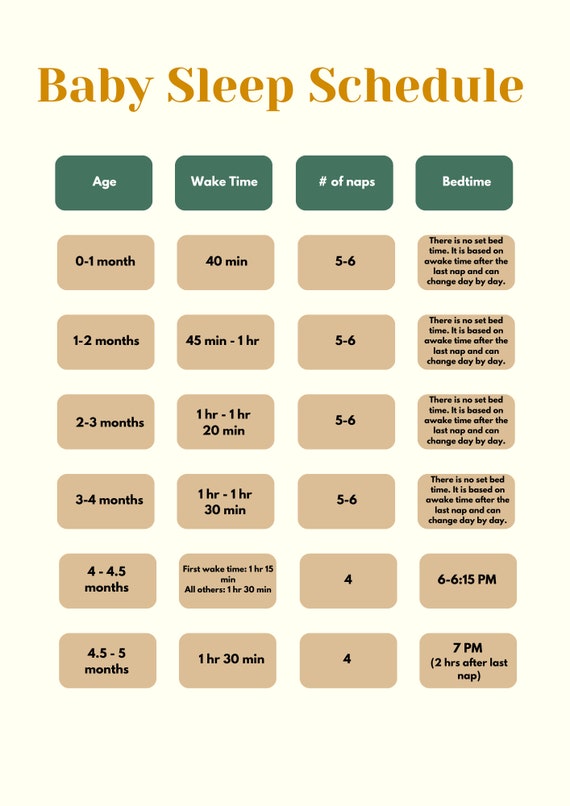
Newborn baby care guide helps you feed, soothe, clean, and protect your baby with confidence.
Bringing home a newborn can feel tender, exciting, and a little overwhelming all at once. In my experience, the first days are less about perfection and more about learning your baby’s cues, building a simple routine, and knowing what matters most. This newborn baby care guide walks you through the essentials with clear, practical advice you can use right away, so you can care for your baby with more calm and less guesswork.

Understanding the basics of newborn baby care
A newborn baby care guide starts with the simple truth that newborns need warmth, feeding, rest, hygiene, and close attention. Babies are adjusting to life outside the womb, so their bodies, sleep, and feeding patterns are still developing. That means your job is to support them, not to make them follow a perfect schedule.
The first weeks are about safety and consistency. Keep your baby close, feed on cue, and watch for signs that they are comfortable, hungry, or overstimulated. I always tell new parents that newborn care is a bit like learning a new language: at first, every cry sounds the same, but soon you begin to notice patterns.
A strong newborn baby care guide also includes knowing when to call a pediatrician. Trust your instincts if something seems off, especially with feeding, breathing, fever, or unusual sleepiness. Reliable care begins with knowing both the everyday basics and the warning signs.
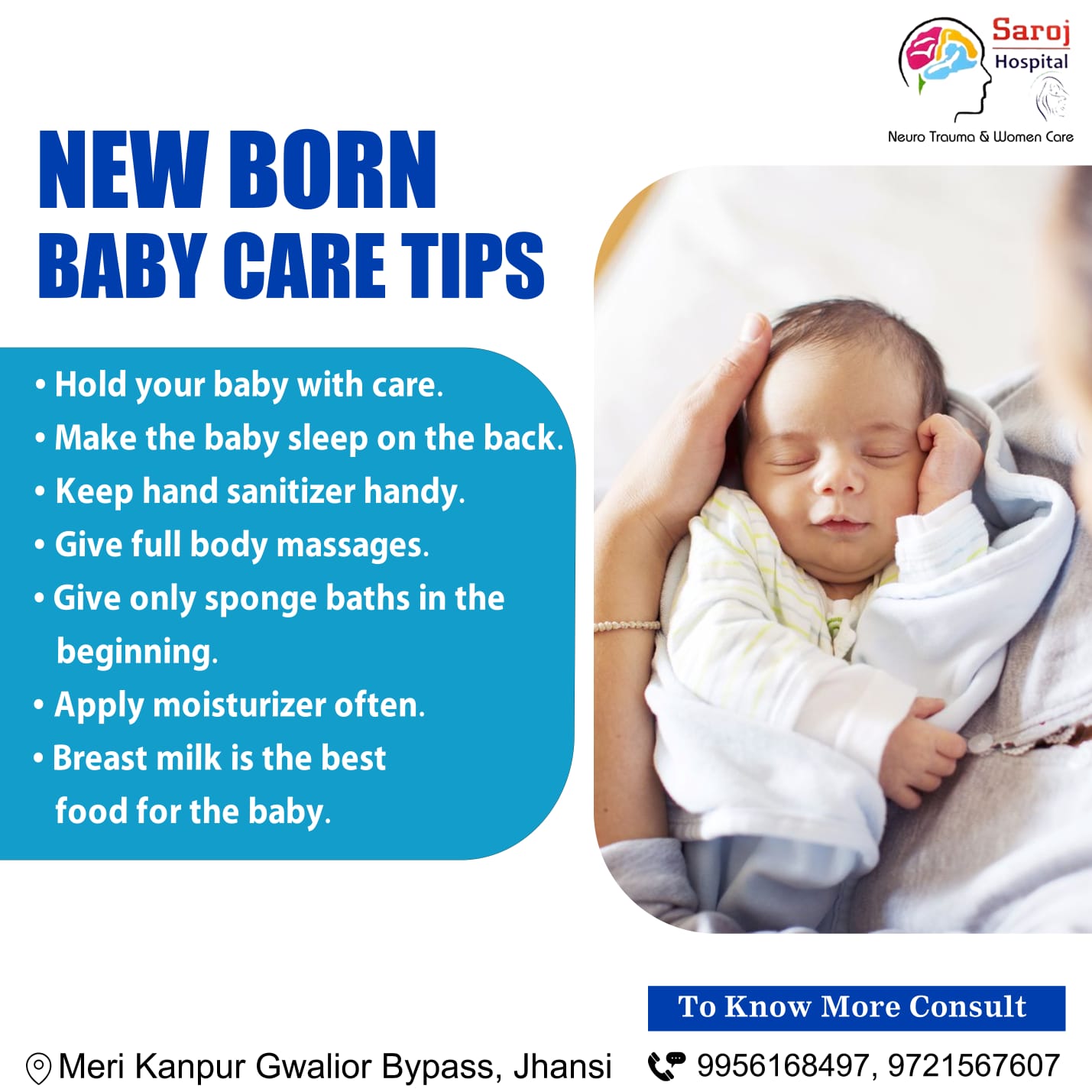
Feeding your newborn safely and often
Feeding is one of the most important parts of any newborn baby care guide. Newborns usually need to eat every 2 to 3 hours, though some may feed more often. Whether you breastfeed, formula feed, or do a combination, the goal is to keep your baby hydrated and growing well.
Watch for hunger cues like rooting, lip smacking, sucking on hands, or becoming more alert. Crying is often a late sign of hunger, so try to feed before your baby gets very upset. In real life, this saves a lot of stress because a calm baby usually feeds better than an exhausted one.
If you are breastfeeding, early support can make a big difference. A proper latch can reduce pain and improve milk transfer, and many parents benefit from help from a lactation consultant. If you use formula, follow the mixing directions carefully, since too much or too little water can affect your baby’s nutrition and safety.
Helpful feeding tips:
• Keep feeds quiet and unhurried so your baby can focus
• Burp your baby during and after feeds to reduce gas
• Watch diaper output to help judge intake
• Do not force a baby to finish a bottle if they seem full
• Ask your pediatrician about vitamin D if breastfeeding, as recommended for many infants
A common mistake I’ve seen is parents worrying too much about exact ounces or exact minutes. In the early days, feeding is more about overall patterns, weight gain, and diaper counts than strict timing.
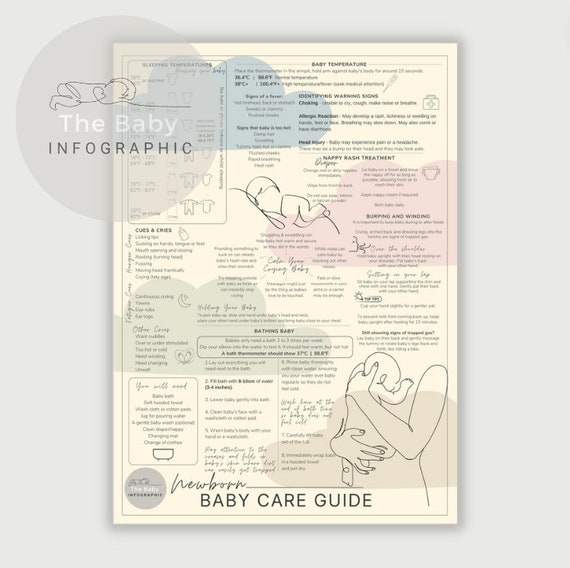
Safe sleep for newborns
Safe sleep is one of the most important parts of newborn baby care guide advice. The safest sleep setup is on a firm, flat surface with the baby on their back. Keep the crib, bassinet, or portable play yard free of pillows, blankets, bumpers, stuffed toys, and loose bedding.
Room sharing without bed sharing is often recommended for the first months. Keeping your baby’s sleep space near your bed can make nighttime feeds easier while still lowering risks. Many parents find this setup both practical and comforting.
A few sleep basics matter a lot:
• Always place your baby on their back for every sleep
• Use a fitted sheet only
• Keep the room smoke free
• Avoid overheating by dressing your baby in light layers
• Offer a pacifier at nap time and bedtime if your pediatrician says it is okay
Newborn sleep is irregular, and that is normal. Your baby may sleep 14 to 17 hours a day, but in short stretches. One lesson I learned early is not to chase the perfect nap schedule in the newborn stage; instead, focus on safe sleep and a soothing bedtime routine.
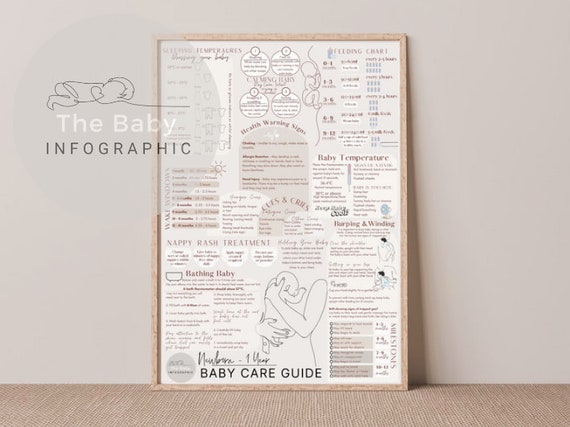
Diaper changes and skin care
Newborn skin is delicate, so gentle care matters. A good newborn baby care guide should cover diapering, cord care, and basic skin protection. Expect many diaper changes a day, especially in the early weeks.
Change diapers often to help prevent diaper rash. Clean the diaper area with warm water, soft wipes, or a damp cloth, and let the skin dry before putting on a new diaper. If a rash appears, diaper cream with zinc oxide may help, but check with your pediatrician if it gets worse or does not improve.
For skin care, less is usually more. Use mild, fragrance free products and avoid overbathing, since newborn skin can dry out quickly. A quick sponge bath a few times a week is often enough until the umbilical cord falls off and the area heals.
Umbilical cord care is simple:
• Keep the stump clean and dry
• Fold the diaper below the stump so air can reach it
• Do not pull on it, even if it looks close to falling off
• Call your doctor if you see redness, swelling, pus, or a bad smell
I’ve noticed that many first-time parents worry when the cord stump looks odd as it dries. That is usually normal, but if you are unsure, it is always better to ask than to guess.
Bathing your newborn
Bath time does not need to happen every day. In fact, too much bathing can dry out a newborn’s skin. A newborn baby care guide should focus on gentle baths, clean skin folds, and keeping your baby warm and safe.
Until the cord stump falls off, many parents use sponge baths. After that, you can move to a shallow baby bath with warm water. Always test the water with your wrist or elbow, and never leave your baby alone, even for a second.
To make bath time easier:
• Gather everything before you start
• Keep the room warm
• Support your baby’s head and neck
• Use mild baby soap only when needed
• Dry skin folds well, especially behind the ears and in the diaper area
Bath time can be soothing, but it can also feel like a big production when your baby is tiny. Keep it simple. A calm, warm, safe bath is better than a fancy routine that leaves everyone frazzled.
Keeping your newborn healthy and protected
Health protection is a core part of any newborn baby care guide. Newborn immune systems are still developing, so small precautions go a long way. Handwashing is one of the easiest and most effective ways to protect your baby from illness.
Try to limit close contact with sick people, especially in the first weeks. If visitors want to hold your baby, ask them to wash their hands first and skip the visit if they are unwell. It is okay to be selective. Protecting your newborn is not rude; it is responsible.
Vaccines also play an important role in newborn health. Follow your pediatrician’s vaccine schedule and attend regular well visits so growth, feeding, and development can be tracked. These visits are a chance to catch small problems early, which makes a big difference later.
Watch for signs of illness:
• Fever, especially in a newborn
• Trouble breathing or fast breathing
• Poor feeding or fewer wet diapers
• Extreme sleepiness or hard to wake
• Vomiting that seems forceful or frequent
If something feels wrong, do not wait too long to reach out. Newborns can change quickly, so early care is wise.

Soothing a crying newborn
Crying is how newborns communicate. A strong newborn baby care guide should help you understand that crying does not always mean something is wrong. Sometimes your baby is hungry, tired, gassy, cold, overstimulated, or just needs closeness.
A few soothing methods often help:
• Swaddling, if your pediatrician says it is safe and your baby is not rolling yet
• Gentle rocking or rhythmic movement
• White noise or a soft shushing sound
• Skin to skin contact
• Offering a feeding or a burp
• A pacifier, if appropriate
One of the best pieces of advice I ever heard was this: start with the basics, then move through the possible causes one by one. Check hunger, diaper, temperature, burping, and sleep. That simple routine can turn a stressful crying spell into a manageable moment.
If crying seems nonstop, your baby seems in pain, or nothing works, call your pediatrician. Trust your gut if the crying sounds different from usual.
Bonding with your baby
Bonding is not just a sweet extra. It is part of healthy newborn baby care guide advice because babies feel safer when they are held, spoken to, and responded to consistently. Bonding also helps parents feel more confident and connected.
You do not need grand gestures. Simple things matter most, like holding your baby close, making eye contact, talking softly, and responding when they cry. Skin to skin contact can help with warmth, comfort, and feeding, especially in the early days.
If bonding does not feel instant, you are not alone. Some parents feel deep love right away, while others need more time, especially after a hard birth or a stressful first week. That does not mean something is wrong. Connection often grows through steady care, not one perfect moment.
Caring for yourself as a new parent
A newborn baby care guide is incomplete without parent care. You need rest, food, water, and support to care well for your baby. Sleep deprivation can make everything feel harder, so accept help when it is offered.
Try to eat simple meals, drink water, and rest when the baby sleeps if you can. Even short breaks matter. I’ve seen parents push themselves too hard because they felt they had to do everything alone, and that usually leads to burnout fast.
Helpful self-care habits:
• Accept meals, laundry help, or baby holding from trusted people
• Share nighttime duties if another adult is available
• Keep essentials nearby so you waste less energy
• Ask for help if you feel sad, anxious, or overwhelmed
• Talk to your doctor if you have signs of postpartum depression or anxiety
Taking care of yourself is not selfish. It is part of taking care of your baby well.
Common mistakes to avoid
Even with the best newborn baby care guide, mistakes happen. The good news is that most are easy to fix once you notice them. Learning what to avoid can save you worry and help your baby stay comfortable.
Common mistakes include:
• Overbathing or using harsh products
• Dressing the baby too warmly
• Ignoring safe sleep rules
• Waiting too long to feed
• Assuming every cry means the same thing
• Comparing your baby’s routine to someone else’s
One mistake many parents make is trying to create a perfect schedule too early. Newborns are not clock-based. They run on needs, cues, and tiny rhythms that change from week to week.
When to call the pediatrician
A solid newborn baby care guide should always include clear warning signs. Call your pediatrician right away if your baby has a fever, trouble breathing, blue lips, poor feeding, or unusual limpness. For newborns, fever can be urgent, so do not delay.
You should also call if your baby is not having enough wet diapers, seems dehydrated, or is vomiting repeatedly. If your baby is jaundiced, very sleepy, or not waking to feed, get medical advice promptly. When in doubt, it is safer to ask.
Frequently Asked Questions
How often should I feed my newborn?
Most newborns feed every 2 to 3 hours, though some may want to eat more often. Feed on cue and watch for hunger signs like rooting or hand sucking.
How many diapers should a newborn use each day?
In the first days, diaper output is lower, then it usually increases as feeding improves. By about day 5, many newborns have several wet diapers and multiple stools each day, but your pediatrician can help you track what is normal for your baby.
Is it okay if my newborn sleeps a lot?
Yes, newborns sleep a lot, often 14 to 17 hours a day, but in short stretches. Make sure they wake for feeds and follow safe sleep practices every time they sleep.
When should the umbilical cord stump fall off?
It often falls off within 1 to 3 weeks, but timing can vary. Keep it clean and dry, and call your pediatrician if you see signs of infection or if it does not seem to be healing.
How do I know if my newborn is getting enough milk?
Look for steady weight gain, enough wet diapers, and signs that your baby is satisfied after feeds. If you are worried about intake, speak with your pediatrician or a lactation consultant.
What is the safest sleep position for a newborn?
The safest position is on the back for every sleep. Use a firm mattress with no loose bedding, pillows, or toys in the sleep area.
Conclusion
A good newborn baby care guide is really about a few steady habits: feed often, sleep safely, keep your baby clean, watch for warning signs, and give yourself grace along the way. Newborn care is a learning process, and confidence grows with each diaper change, feed, and quiet moment together.
If you remember only one thing, let it be this: simple, consistent care matters more than perfect care. Follow your pediatrician’s advice, trust your instincts, and take things one day at a time.
If this guide helped you, save it for later, share it with another new parent, or leave a comment with your biggest newborn care question.