A newborn essentials checklist helps parents prepare the right basics for feeding, sleep, diapering, comfort, and safety.
Bringing home a baby can feel a little like stepping into a new world with no map. A solid newborn essentials checklist makes that first stretch easier, calmer, and far less overwhelming. In this guide, I’ll walk you through the must-have items, what you can skip for now, and the practical lessons that matter most in real life.

What a newborn essentials checklist really means
A newborn essentials checklist is simply a smart list of the items you need for your baby’s first weeks at home. It covers the basics for sleep, feeding, diaper changes, bathing, clothing, and safety.
The goal is not to buy everything. The goal is to have the right things ready so you can focus on your baby instead of last-minute store runs. In my experience, the best newborn essentials checklist is one that is simple, flexible, and based on real daily use.
A lot of first-time parents feel pressure to “stock up” on everything. But newborns grow fast, and many products end up unused. A good checklist keeps you grounded and saves money.
Nursery and sleep essentials
Sleep is one of the biggest needs in the early weeks. Your newborn essentials checklist should start with a safe place for your baby to sleep and a few simple items that support comfort.
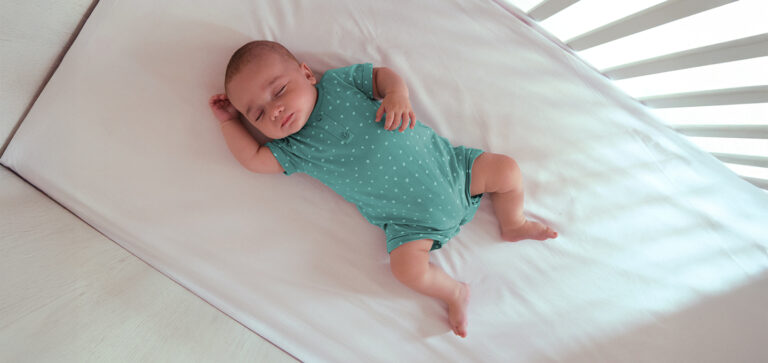
The American Academy of Pediatrics recommends a firm, flat sleep surface with no soft bedding, pillows, or loose items. That advice matters more than fancy nursery decor.
Useful sleep items include:
- Crib, bassinet, or portable play yard with a firm mattress
- Fitted crib sheets
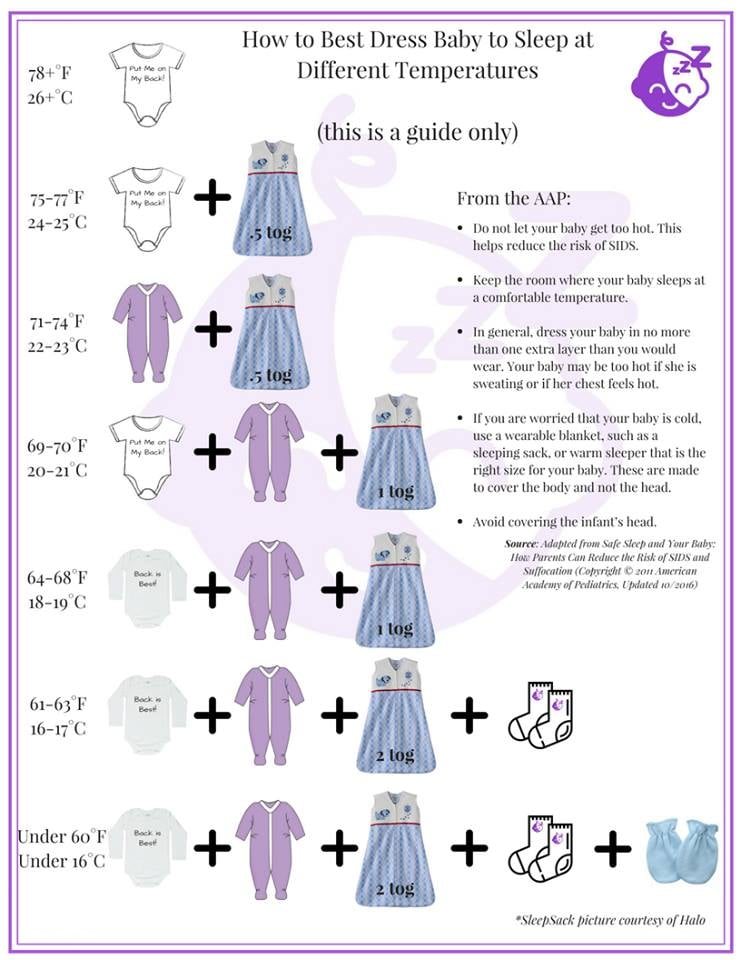
- Sleep sacks or wearable blankets
- Baby monitor if the room is separate
- White noise machine, if it helps your family
- Room thermometer for comfort checks
A mistake I see often is buying too many blankets and pillows before the baby arrives. Those items may look cozy, but they are not part of a safe newborn setup. Think of the sleep space like a clean landing pad, not a fluffy nest.
If you want to keep it practical, buy one safe sleep space first. Then add only what you truly use after the baby is home.

Feeding essentials for breast milk, formula, or both
Feeding gear can vary based on your plan, but every newborn essentials checklist should cover the basics. Whether you breastfeed, formula feed, or combine both, you will want tools that make feeds easier and cleaner.
For breastfeeding, helpful items include:
- Nursing bras or tanks
- Breast pads
- Nipple cream
- Burp cloths
- Breast pump, if needed
- Milk storage bags or containers
For formula feeding, helpful items include:
- Baby bottles
- Bottle nipples in slow-flow sizes
- Formula chosen with your pediatrician if needed
- Bottle brush
- Bottle sterilizer or a clean sterilizing method
- Bibs and burp cloths
For both feeding styles, keep a few things on hand:
- A comfortable chair or feeding spot
- Water bottle for the parent
- Small basket for supplies
- Extra burp cloths
One lesson I learned early is to avoid buying too many bottle types at once. Babies can be picky. It is better to start with a small set and see what your baby accepts.
Also, be patient with feeding changes. The “perfect” setup often takes a little trial and error. That is normal.
Diapering and changing station basics
Diaper changes happen a lot, so this part of the newborn essentials checklist deserves real attention. A good changing setup saves time and keeps messes under control.
Your diapering essentials should include:
- Newborn diapers
- Diaper wipes or cotton pads and water
- Diaper cream or barrier ointment
- Changing pad
- Changing pad covers
- Diaper pail or a sealed trash bin
- Hand sanitizer
- Portable changing bag for outings
It helps to keep one changing station upstairs and another downstairs if your home has multiple floors. I have seen parents carry diapers up and down stairs all day, and it gets old fast.
A simple tip: store extra diapers, wipes, and creams within arm’s reach. The goal is not to decorate the changing area. The goal is to make a 30-second task actually stay close to 30 seconds.
Clothing essentials for the first weeks
Newborn clothes are cute, but comfort matters more than style. Your newborn essentials checklist should focus on soft, easy-to-change clothes that match the season and your baby’s size.
Core clothing items include:
- 5 to 7 bodysuits or onesies
- 4 to 6 sleepers or pajamas
- 2 to 4 swaddles or sleep sacks
- Socks or booties, if needed
- Hats for warmth, if appropriate for the weather
- Mittens only if recommended or useful for scratching prevention
Choose clothes with simple snaps or zippers. That makes middle-of-the-night changes much easier.
I usually tell parents not to overbuy newborn size clothing. Many babies outgrow it quickly or never fit into it at all. A mix of newborn and 0 to 3 months is often the safest bet.
Choose soft fabrics like cotton and check labels for easy washing. Babies spit up, leak, and make laundry happen fast.
Bathing and grooming items
Newborn baths are short and gentle. Your newborn essentials checklist only needs a few bathing items at first.
Start with:
- Infant bathtub or a sink bath insert
- Soft washcloths
- Gentle baby soap and shampoo
- Hooded baby towels
- Baby brush or soft comb
- Nail clippers or baby nail file
- Soft towels for drying
Newborns do not need daily baths. In many cases, sponge baths or a few baths a week are enough, especially before the umbilical cord stump falls off and heals.
One thing I always suggest is keeping the bath setup simple. Too many products can make bath time confusing and stressful. A warm towel, a gentle cleanser, and a calm voice go a long way.
Health and safety must-haves
Safety items are a key part of any newborn essentials checklist. These products help you care for your baby at home and notice changes early.
Consider adding:
- Digital thermometer
- Nasal aspirator or suction bulb
- Baby nail file or clippers
- First-aid basics approved for infants
- Baby-safe laundry detergent
- Smoke and carbon monoxide detectors in working order
- Rear-facing infant car seat
A rear-facing car seat is non-negotiable before the first ride home. Check installation early so you are not trying to learn it in the hospital parking lot with a tired baby in the back seat.
For health, keep in mind that newborns can get sick quickly. If your baby has a fever or seems unwell, contact a healthcare professional right away. Trust your instincts. Parents often notice small changes before anyone else does.
Travel and on-the-go essentials
Even if you plan to stay home a lot, a few travel items make life easier. A practical newborn essentials checklist should include a way to move safely and keep supplies organized.
Useful travel items include:
- Stroller or travel system
- Infant car seat
- Diaper bag
- Portable changing pad
- Extra clothes
- Travel wipes and diapers
- Pacifiers, if your baby uses them
A diaper bag is one of those things that feels minor until you are out for the first time with a blowout and no spare outfit. I learned to pack one extra onesie, one extra blanket, and at least two diapers more than I thought I needed.
If you travel often between car and house, look for gear that is light and easy to use. Convenience matters when you are holding a sleeping baby and trying not to wake them.
Nice-to-have items that can wait
Some products are helpful, but they are not urgent. A strong newborn essentials checklist should separate true needs from “maybe later” items.
You can usually wait on:
- Wipe warmers
- Fancy nursery decor
- Multiple baby swings
- Too many toys for the first month
- Large stroller add-ons
- Specialty bottles before you know what works
Parents often feel like they need everything before the due date. But babies are surprisingly simple in the beginning. They need food, sleep, warmth, clean diapers, and care.
In my own experience, waiting saved money and reduced clutter. It also made it easier to notice what my baby actually liked instead of guessing from a product ad.
How to build a newborn essentials checklist without overspending
A newborn essentials checklist works best when it fits your real life. Your home, climate, feeding plan, and family support all shape what you actually need.
Here is a simple way to build one:
- Start with the must-haves for sleep, feeding, diapers, and safety.
- Check what you already own or can borrow.
- Buy one or two options before the baby arrives, not ten.
- Wait to see what your baby likes.
- Add more only after the first week or two at home.
This approach is calm, practical, and budget-friendly. It also reduces the chance of buying duplicate products.
If you have friends or family who recently had babies, ask what they truly used. Real-world advice is often better than a giant store registry list.
Common mistakes parents make with newborn shopping
Even a good newborn essentials checklist can go off track if you do too much too soon. These are some of the most common mistakes I have seen.
Watch out for:
- Buying too many newborn-size clothes
- Overloading the nursery with unnecessary decor
- Stocking up on one bottle brand too early
- Forgetting a safe sleep setup
- Skipping car seat installation practice
- Not preparing feeding and diaper stations before birth
The biggest mistake is trying to build a perfect setup. Babies do not care about perfection. They care about being fed, held, changed, and kept safe.
A simpler setup is often the best setup.
Newborn essentials checklist by category
Here is a clean, easy version of the newborn essentials checklist you can use while shopping.
Sleep
- Crib, bassinet, or play yard
- Firm mattress
- Fitted sheets
- Sleep sacks
Feeding
- Bottles or breast pump supplies
- Burp cloths
- Nursing support items
- Formula supplies, if needed
Diapering
- Newborn diapers
- Wipes
- Diaper cream
- Changing pad
Clothing
- Onesies
- Sleepers
- Swaddles or sleep sacks
- Socks or hats, as needed
Bath and grooming
- Baby tub
- Washcloths
- Gentle soap
- Nail file or clippers
Health and safety
- Digital thermometer
- Nasal aspirator
- Infant car seat
- Baby-safe detergent
This kind of checklist works because it stays focused. You can print it, save it on your phone, or use it while shopping online.
Frequently Asked Questions
What is the most important part of a newborn essentials checklist?
The most important part is safety and basic care. That means a safe sleep space, feeding supplies, diapers, clothing, and a properly installed car seat.
How many newborn clothes do I really need?
A small amount is usually enough because babies grow fast. Around 5 to 7 bodysuits and 4 to 6 sleepers is often a practical start.
Do I need a lot of baby products before birth?
No, you do not. It is smarter to start with the basics and buy more after you learn your baby’s needs and preferences.
Is a nursery required for a newborn?
No, a nursery is not required. Many babies sleep safely in a bassinet or crib in the parents’ room during the first months.
What should I buy first on my newborn essentials checklist?
Start with a safe sleep space, car seat, diapers, a few outfits, and feeding supplies. Those cover the biggest daily needs right away.
Conclusion
A thoughtful newborn essentials checklist can save time, money, and stress during those first busy weeks. The key is to focus on what your baby truly needs: safe sleep, feeding, diapering, comfort, and basic health care.
Keep it simple, buy with purpose, and leave room to adjust once your baby arrives. If you are preparing now, use this guide as your starting point and build your list one step at a time. For more helpful baby prep tips, keep exploring trusted parenting resources and share your own checklist experience with other new parents.