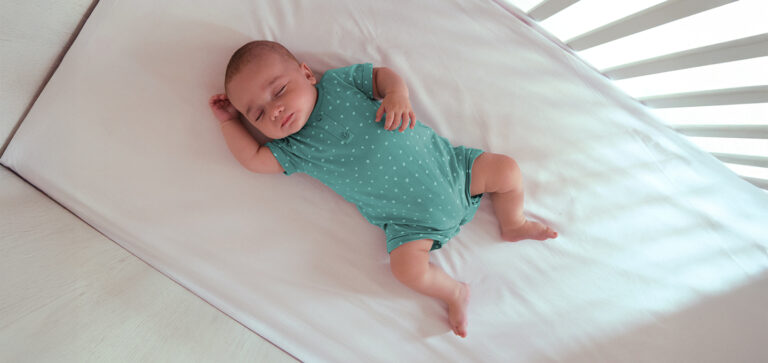
Newborns can hear before birth, and their sound responses grow more organized as the brain and ears mature.
Newborn auditory development and sound responses begin before birth and continue through the first year of life. A baby may startle at a loud sound, calm to a familiar voice, or turn toward a sound as listening skills improve. Knowing what is typical helps parents enjoy these early moments while spotting signs that may need medical attention.
What Newborn Auditory Development Means
Newborn auditory development is the growth of a baby’s ability to detect, process, and respond to sound. It involves more than the ears. The brain must also sort sounds, recognize patterns, and connect voices with comfort, feeding, and safety.
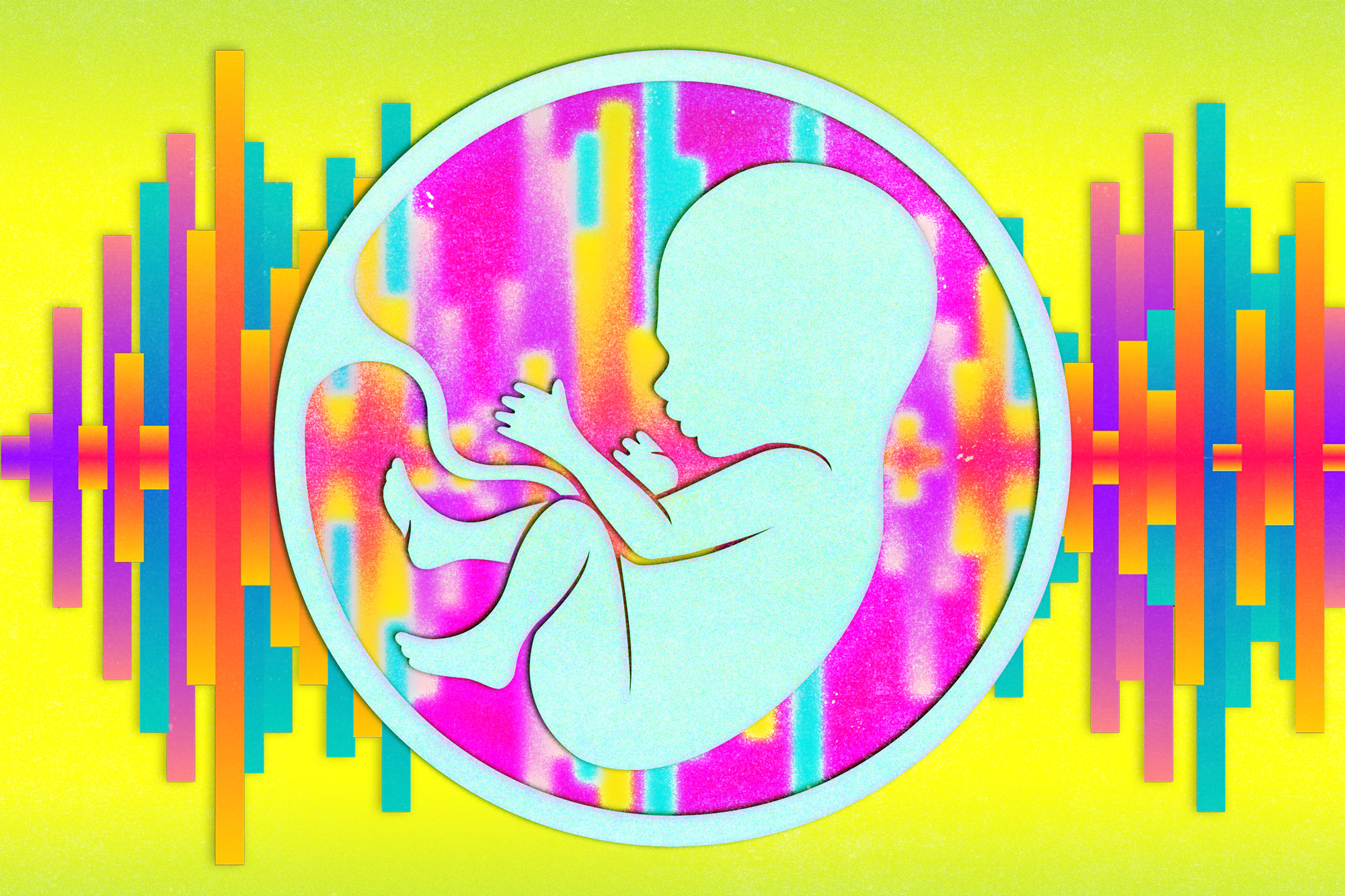
The inner ear forms early in pregnancy. Many babies begin responding to sound before birth, often by about 25 to 28 weeks of pregnancy. By the third trimester, a fetus may react to a parent’s voice, music, or a sudden loud noise.
After birth, the sound world changes. The baby must adjust to voices, household noise, room echoes, and new levels of sound. At first, newborn auditory development and sound responses can look simple or inconsistent because the nervous system is still learning how to organize this information.
A newborn may hear a sound but not turn toward it. This does not always mean the baby cannot hear. Young babies have limited head control, short attention spans, and many reasons to ignore sound, such as hunger, sleep, or overstimulation.
Newborn Hearing: What Babies Can Hear
Most newborns can hear a wide range of sounds, although their hearing may seem muffled during the first days. Fluid in the middle ear can remain after birth. This fluid usually clears as the baby adapts to life outside the womb.
Newborn auditory development and sound responses often show a preference for human voices. Babies may pay special attention to a parent or caregiver’s voice because they heard its rhythm before birth. They do not understand words yet, but they can notice pitch, rhythm, volume, and emotional tone.
A newborn may respond to:
• A parent speaking close by
• A sudden clap or door closing
• A soft song or humming
• A change in voice pitch
• A familiar feeding or soothing sound
• A loud vacuum, dog bark, or alarm
Sound does not need to be loud to matter. A calm voice can help a baby settle, while a sudden sharp sound may trigger a startle. These responses reflect early sensory processing, not mature language understanding.
It is also normal for babies to respond differently from one moment to the next. A sleeping baby may not react to a normal speaking voice. A hungry or tired baby may be too focused on other needs to notice sound.

Newborn Auditory Development and Sound Responses by Age
Every baby develops at a different pace. The milestones below are useful guides, not strict deadlines.
Before birth
During pregnancy, the auditory system develops in stages. A fetus may detect internal sounds, such as the parent’s heartbeat and blood flow, before hearing outside voices.
As hearing becomes more active, a fetus may move or show changes in activity after a loud sound. Prenatal responses can vary, so a parent should not use fetal movement alone to judge hearing ability.
Birth to 1 month
In the first weeks, common newborn auditory development and sound responses include:
• Startling or blinking after a sudden loud noise
• Pausing movement when hearing a new sound
• Calming when hearing a familiar voice
• Changing sucking or breathing patterns
• Waking or stirring after a loud sound
• Becoming quiet while listening
At this stage, babies may not consistently turn toward sound. Their neck muscles and visual attention are not ready for reliable sound localization.
1 to 3 months
Between 1 and 3 months, many babies become more alert to voices. They may smile, coo, or move their eyes when a caregiver speaks.
Newborn auditory development and sound responses may now include:
• Turning the head slightly toward a voice
• Smiling after hearing a familiar person
• Making sounds in response to speech
• Calming more quickly with a known voice
• Showing excitement when hearing a favorite song
A baby may still miss sounds from the side or behind. That is not automatically a concern.
4 to 6 months
By about 4 to 6 months, many infants look toward sounds and begin to notice where they come from. They may react to changes in tone and show interest in toys that make noise.
Typical signs may include:
• Turning toward a voice
• Looking for a sound source
• Responding to their name at times
• Laughing or vocalizing during social play
• Showing interest in rattles or musical toys
7 to 12 months
During the later part of the first year, babies often respond more clearly to voices and familiar words. They may turn when called, understand simple phrases, and copy sounds.
These skills support later speech and language. Still, hearing milestones can vary. A child who is slightly early or late with one skill may develop normally, while a consistent lack of response deserves attention.

Common Newborn Sound Responses
Newborn auditory development and sound responses can be subtle. Parents often expect a baby to turn toward every sound, but newborn reactions may involve the whole body or only a small change in behavior.
The startle response
The startle response, often called the Moro reflex, may happen after a sudden loud sound. A newborn may spread the arms, open the hands, cry, and then pull the arms back in.
This reflex is normal in early infancy. It is not a formal hearing test because movement, touch, and changes in light can also trigger it.
Pausing or becoming still
Some babies stop moving for a moment when they hear a new sound. They may pause during feeding or become very still while listening.
This quiet pause is easy to miss. Watch the baby’s face, breathing, eyes, and body rather than looking only for a head turn.
Calming to a familiar voice
A familiar voice may slow crying or help a baby relax. The effect may come from the voice’s rhythm, pitch, and emotional meaning, as well as from the comfort of being held.
A parent does not need to use special words. Soft talking, reading, and singing can all provide useful listening practice.
Changes in sucking or breathing
Some newborns change their sucking pace or breathing pattern when a person speaks. These small responses can show that the baby noticed the sound.
They are not proof of normal hearing by themselves. A hearing screening remains the best way to check for early hearing loss.
Crying after a loud sound
A newborn may cry after a sudden loud noise. This usually reflects surprise or discomfort. It does not mean the sound caused hearing damage.
The best response is to reduce the noise, offer comfort, and return to a calm environment.
How Parents Can Support Auditory Development
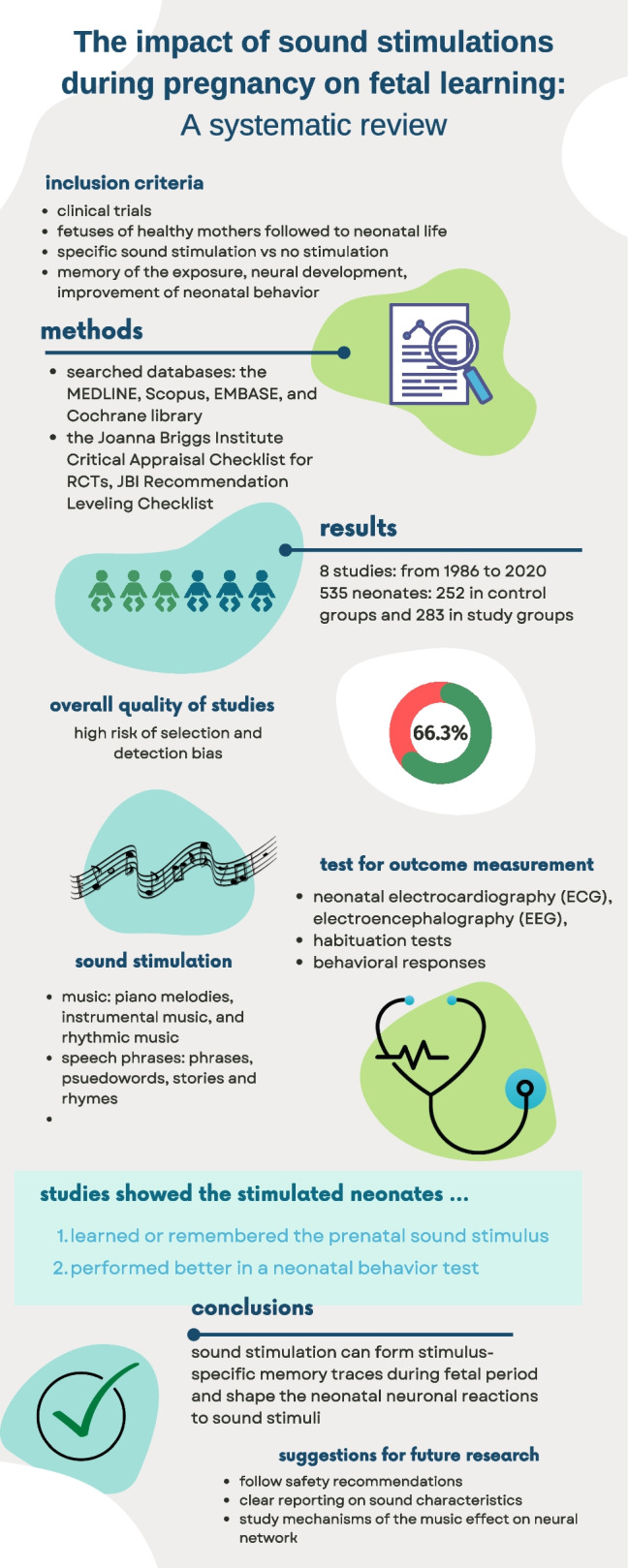
Parents do not need expensive products to support newborn auditory development and sound responses. Everyday interaction is enough. A baby’s brain learns from repeated, safe, and meaningful sound.
Try these simple habits:
-
Talk during daily care. Describe diaper changes, feeding, and bath time in a calm voice.
-
Read aloud. Babies benefit from the rhythm of speech even before they understand words.
-
Sing softly. Repetition helps babies notice patterns in pitch and timing.
-
Pause after speaking. Give the baby time to look, move, or make a sound.
-
Use normal voices. Avoid shouting close to a baby’s ears.
-
Limit background noise. Turn down televisions and music during face-to-face talk.
-
Watch the baby’s cues. Stop or lower the sound if the baby turns away, fusses, stiffens, or seems overwhelmed.
-
Offer sound from different safe positions. Speak from the front and side when the baby is awake.
A practical lesson from newborn care is that interaction works best when it feels like a conversation. Speak, pause, notice the baby’s response, and answer it. This back-and-forth pattern supports listening, bonding, and early communication.
Do not place headphones or earbuds on a newborn. The volume may be too high even when it sounds comfortable to an adult. Avoid loud music, fireworks, firearms, and other intense sounds near the baby.

Newborn Hearing Screening and Why It Matters
Newborn hearing screening checks whether a baby responds to soft sounds. Hospitals commonly use one of two methods:
• Otoacoustic emissions testing measures sound produced by the inner ear after a soft sound is played.
• Automated auditory brainstem response testing measures how the hearing nerve and brain respond to sound.
Both tests are quick and painless. A baby may sleep during the screening. The test is a screen, not a complete diagnostic hearing evaluation.
The Centers for Disease Control and Prevention recommends hearing screening by 1 month of age. Babies who do not pass should receive a follow-up hearing test by 3 months, with early support started by 6 months when hearing loss is confirmed.
A “did not pass” result does not always mean permanent hearing loss. Vernix, fluid, movement, or background noise can affect the first test. However, follow-up is important. Waiting can delay help during a key period for speech and language learning.
Newborn auditory development and sound responses should not be judged only at home. A baby may startle to loud noise and still have a mild hearing loss. Some types of hearing loss affect certain pitches more than others.
Signs That May Need Medical Attention
Parents know their babies best. A single missed response is usually not a concern, especially when the baby is asleep or busy. A repeated pattern is more important.
Contact a pediatrician or hearing specialist if:
• The baby never startles at sudden loud sounds
• The baby does not react to voices or nearby sounds
• The baby stops responding to sounds after responding before
• The baby does not calm to familiar voices by about 3 months
• The baby does not turn toward sound by about 6 months
• The baby has frequent ear infections or fluid concerns
• A caregiver has a strong concern about hearing
Some babies have a higher chance of hearing loss. Risk factors can include a family history of childhood hearing loss, certain infections during pregnancy, intensive care treatment, very low birth weight, severe jaundice, or exposure to medicines that can affect hearing.
Do not wait for speech delays before asking about hearing. Hearing supports the development of babbling, word learning, and social communication. Early testing can bring reassurance or connect a child with useful support.
How to Observe Sound Responses Safely at Home
Home observation can help you describe patterns to a pediatrician. It should not replace newborn hearing screening or professional testing.
Choose a time when the baby is awake, calm, and facing away from the sound source. Use a soft voice or a gentle rattle at a safe distance. Watch for changes in the eyes, face, body, breathing, or movement.
Keep these points in mind:
• Do not clap close to the baby’s ears.
• Do not use alarms, phones at full volume, or other harsh sounds.
• Test only when the baby is calm and alert.
• Try more than once on different days.
• Do not assume a lack of response means hearing loss.
• Record what you observe in clear words, such as “stirred when Dad spoke from the right side.”
Avoid turning observation into a test that causes stress. The goal is to notice natural responses during normal life. A calm voice during feeding may show more than a loud sound used to get a reaction.
Many parents make the mistake of testing again and again after one quiet moment. Babies can become tired or overstimulated. Give the baby a break and share concerns with a health professional instead.
Factors That Affect Newborn Sound Responses
Newborn auditory development and sound responses can change with the baby’s state and surroundings. These factors often explain why a response is not consistent:
• Sleep: A sleeping newborn may not react to ordinary speech.
• Hunger: A hungry baby may focus on feeding cues.
• Fatigue: Tired babies may ignore sounds or become fussy.
• Noise level: Background sound can mask a quiet voice.
• Distance: A sound near the baby is easier to notice than a distant sound.
• Direction: Newborns cannot always locate sounds well.
• Health: Congestion, ear fluid, or illness may affect responses.
• Development: Premature babies may follow a different adjusted-age timeline.
For babies born early, clinicians may consider corrected age when discussing some developmental milestones. The exact approach depends on the baby’s birth history and medical needs.
There is also a difference between hearing a sound and understanding it. A newborn can detect a voice without knowing that the voice belongs to a parent. Recognition and meaning develop through repeated interaction.
The Link Between Hearing and Early Language
Newborn auditory development and sound responses create a foundation for communication. In the first year, babies learn through sound patterns long before they say clear words.
They begin to notice:
• The rise and fall of speech
• Differences between familiar and unfamiliar voices
• Repeated sounds in songs and stories
• Emotional tone, such as calm or upset
• Pauses that invite a response
Caregivers can support this process with responsive communication. When a baby coos, answer with a smile and a few words. When the baby looks toward a voice, continue speaking. When the baby turns away, pause and allow quiet time.
This approach is sometimes called serve and return. It works like a gentle game of catch. The baby offers a look, sound, or movement, and the adult responds with attention and language.
Hearing is only one part of communication. Babies also use eye contact, touch, facial expressions, body movement, and smell. If hearing concerns arise, early support can include hearing technology, speech and language services, sign language, and family coaching, based on the child’s needs and the family’s preferences.
Research-Based Guidance and Limitations
Medical guidance supports early screening and prompt follow-up. The American Academy of Pediatrics, the CDC, the National Institute on Deafness and Other Communication Disorders, and professional audiology organizations all stress the value of early identification.
Still, developmental charts have limits. They describe patterns seen in groups, not a fixed schedule for every child. A milestone guide cannot diagnose hearing loss, autism, speech delay, or any other condition.
Newborn auditory development and sound responses also vary across cultures and homes. A baby may hear several languages, different speech styles, or varied levels of household sound. Exposure to more than one language does not cause hearing loss or language delay.
The safest path is simple: enjoy normal interaction, protect the baby from loud noise, complete the newborn hearing screen, and ask questions when something does not seem right.
Frequently Asked Questions About Newborn Auditory Development and Sound Responses
When can newborns hear?
Newborns can hear at birth, and hearing begins developing before birth. They may notice voices, music, and sudden sounds, although their responses can be small or inconsistent during the first weeks.
Do newborns recognize their parents’ voices?
Many newborns show a preference for familiar voices, especially voices they heard often during pregnancy. Recognition is based on sound patterns and comfort, not on an adult-like understanding of identity.
Should a newborn turn toward every sound?
No. Newborns may startle, pause, blink, change their sucking pattern, or calm without turning their heads. Reliable sound localization usually develops over the first several months.
What should I do if my baby does not startle at loud sounds?
Tell your pediatrician and confirm whether the baby completed a newborn hearing screening. Do not repeatedly create loud sounds at home, because the startle response is not a reliable hearing test.
Can talking and singing improve a baby’s hearing?
Talking and singing do not repair hearing loss, but they support listening, bonding, and early communication. Use a calm voice, pause for responses, and keep loud background noise low.
Is it normal for a newborn to cry after a sudden sound?
Yes. A sudden sound can surprise a baby and trigger crying or the Moro reflex. Reduce the noise and comfort the baby, but seek medical advice if responses seem absent or unusual over time.
When should a baby turn toward sound?
Many babies begin turning toward voices or sounds more clearly between 4 and 6 months. Development varies, but a repeated lack of response should be discussed with a pediatrician or audiologist.
Conclusion
Newborn auditory development and sound responses begin before birth and grow through everyday listening, touch, and social connection. Startles, pauses, changes in sucking, calming to a familiar voice, and later head turns can all be part of normal development.
Use gentle speech, songs, books, and quiet face-to-face time to support your baby. Complete the newborn hearing screen, protect delicate ears from loud noise, and seek follow-up if your baby does not respond as expected.
Small moments of listening build the path to language. Share your observations with your pediatrician, explore trusted hearing resources, and keep learning as your baby grows.