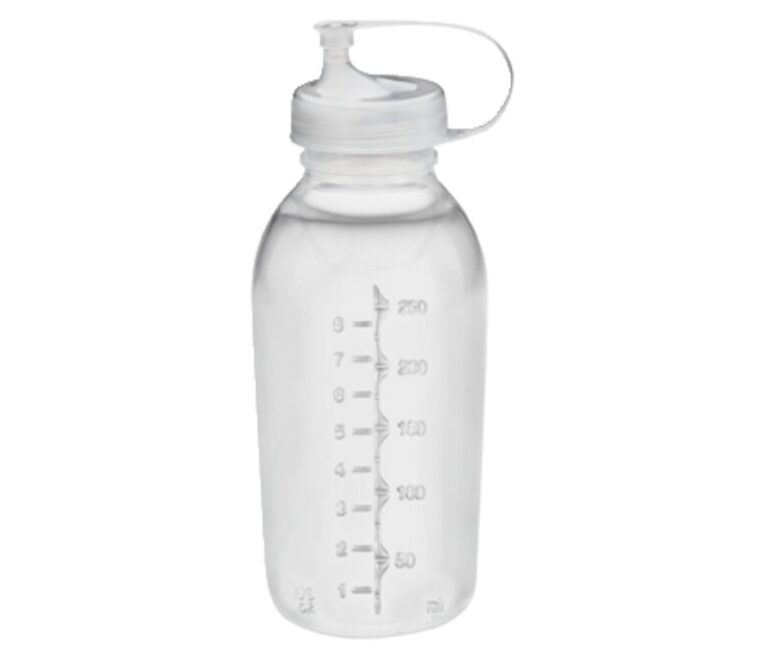
Newborn growth patterns show how weight, length, and head size change over time, not just one isolated measurement.
Newborn growth pattern interpretation helps parents and clinicians see whether a baby is following a healthy path. One number rarely tells the full story. The real meaning comes from repeated, accurate measurements, feeding history, gestational age, and the baby’s overall behavior. This guide explains how to read newborn growth charts with care, confidence, and common sense.
What Newborn Growth Pattern Interpretation Means
Newborn growth pattern interpretation is the process of reviewing a baby’s growth over time. It usually includes:
• Weight
• Length
• Head circumference
• Age and gestational age
• Feeding and hydration
• Physical activity and development
• Changes between health visits
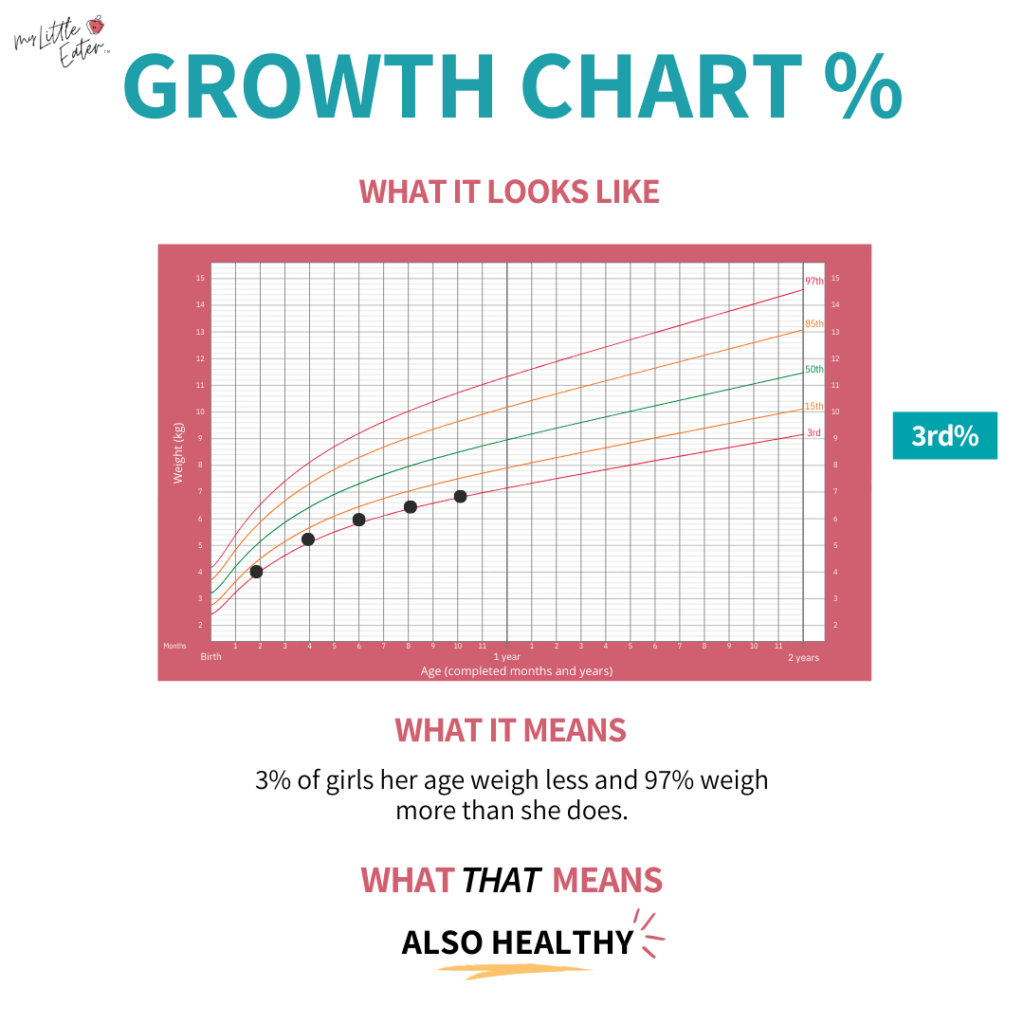
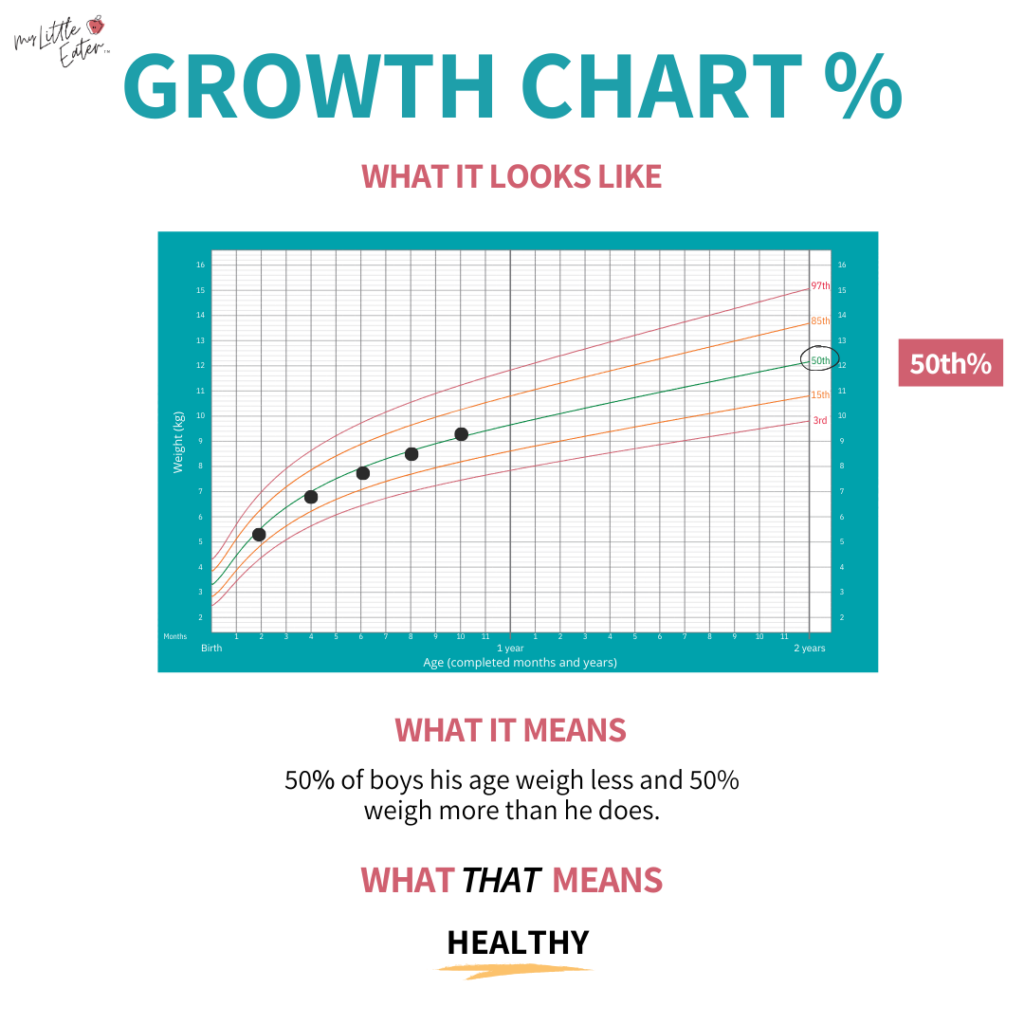
Growth charts turn these measurements into percentiles. A percentile compares a baby’s size with that of other babies of the same age and sex. For example, a baby at the 25th percentile for weight weighs more than about 25% of peers and less than about 75%.
A percentile is not a grade. A baby at the 10th percentile may be healthy. A baby at the 90th percentile may also be healthy. The key question is whether the baby grows steadily along a personal pattern.
Think of a growth chart as a map. One location does not show the whole trip. Several points connected over time reveal the direction.
Newborn growth pattern interpretation should also consider the baby’s starting point. A full-term baby, a late-preterm baby, and a baby who is small for gestational age may follow different early paths.
Normal Newborn Growth in the First Weeks
Most healthy newborns lose some weight after birth. This happens because they lose extra fluid and may take time to establish feeding. Many full-term babies lose up to about 5% to 10% of birth weight during the first days.
Most babies begin gaining weight after milk intake improves. Many return to birth weight by about 10 to 14 days, although timing can vary. Premature babies, babies with feeding problems, and babies with medical conditions may need a different timeline.
After the early weight loss period, typical newborn growth may include:
• About 5 to 7 ounces of weight gain per week in early infancy, though normal ranges vary
• Steady increases in length
• Gradual growth in head circumference
• More wet and dirty diapers as feeding becomes established
• Improved alertness during wake periods
These figures are general guides, not strict targets. Breastfed and formula-fed babies can have different growth patterns. Breastfed babies may gain weight quickly in the early months, while formula-fed babies may gain differently later. Both patterns can be healthy.
A single slow week does not always signal a problem. Illness, feeding changes, measurement error, and normal variation can affect one visit. Newborn growth pattern interpretation becomes more useful when clinicians review several measurements together.

How to Read a Newborn Growth Chart
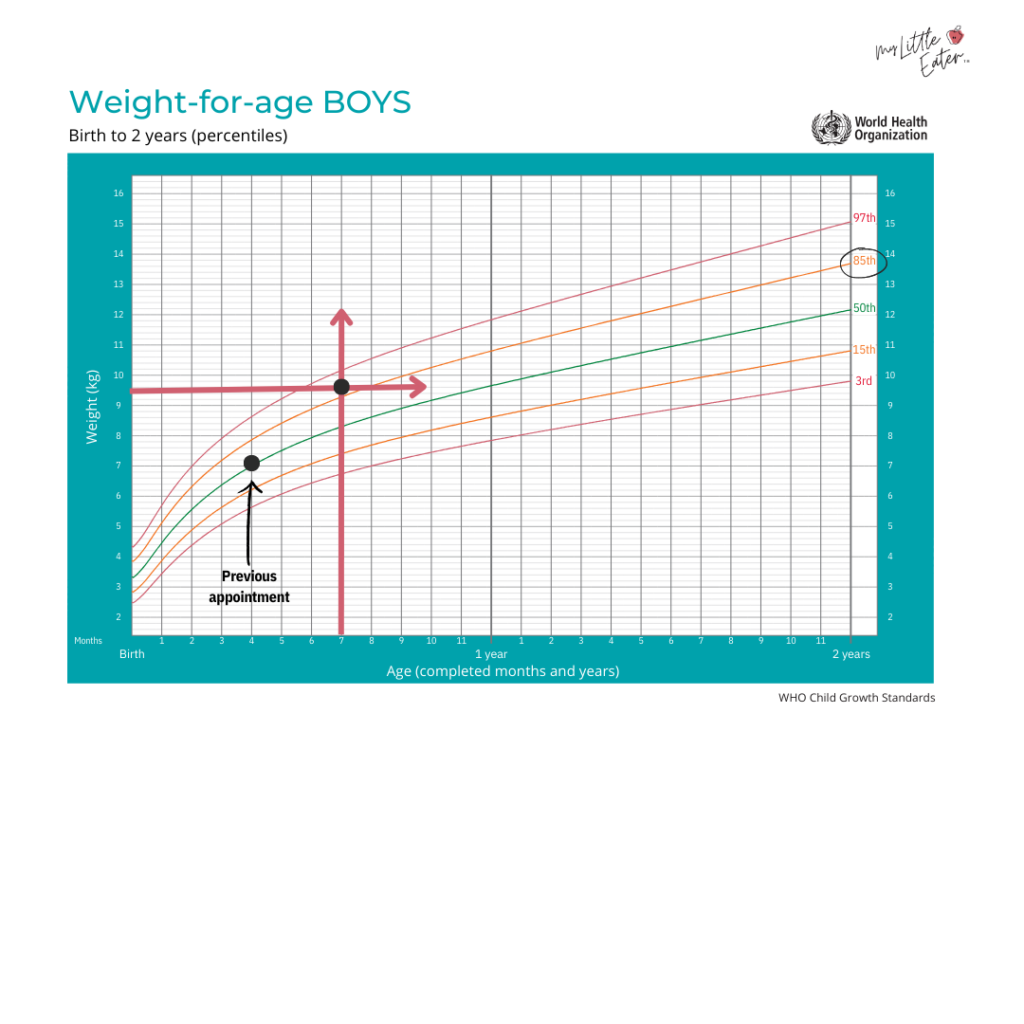
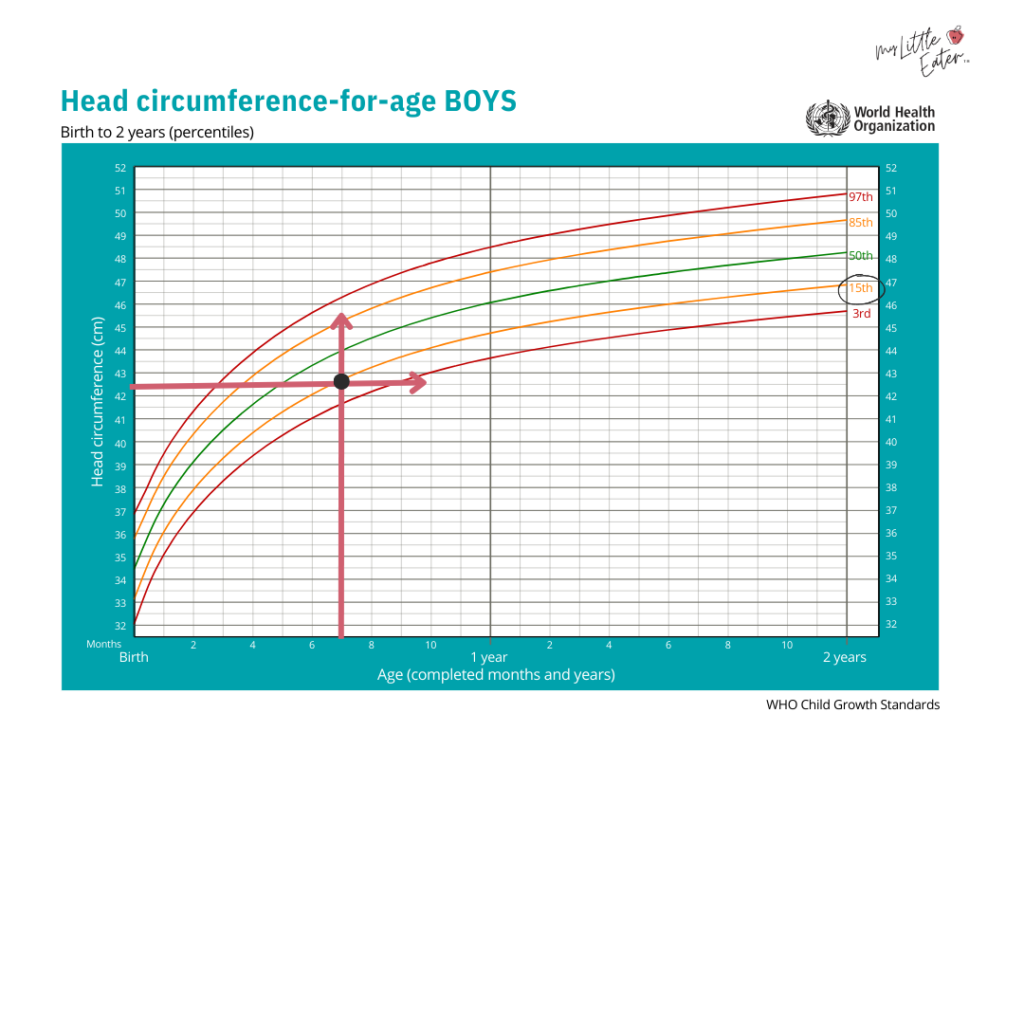
The chart has an age line across the bottom and a measurement line along the side. Curved lines show percentiles. The baby’s measurement is placed where age and size meet.
For accurate newborn growth pattern interpretation, check these details first:
- Confirm the baby’s exact age.
- Check whether the baby was born early.
- Use the correct chart for sex and age.
- Confirm that weight was measured without clothing or a heavy diaper.
- Review the previous measurements.
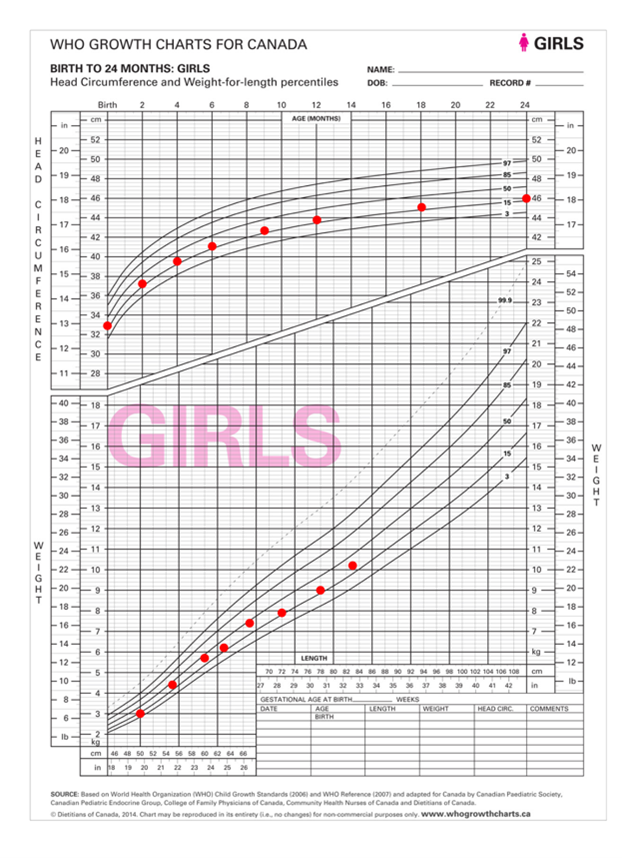
- Compare the pattern across weight, length, and head circumference.
In the United States, clinicians often use World Health Organization growth standards from birth through age 2 years. These standards describe how healthy breastfed infants commonly grow under favorable conditions. The Centers for Disease Control and Prevention also provides growth references for children, with chart use depending on age.
For premature babies, clinicians may use preterm growth charts first. They then use corrected age after discharge or at a point chosen by the care team. Corrected age accounts for how early the baby was born.
For example, a baby born 8 weeks early at a chronological age of 12 weeks has a corrected age of about 4 weeks. Using the wrong age can make normal growth look delayed or unusually advanced.
Weight, Length, and Head Circumference
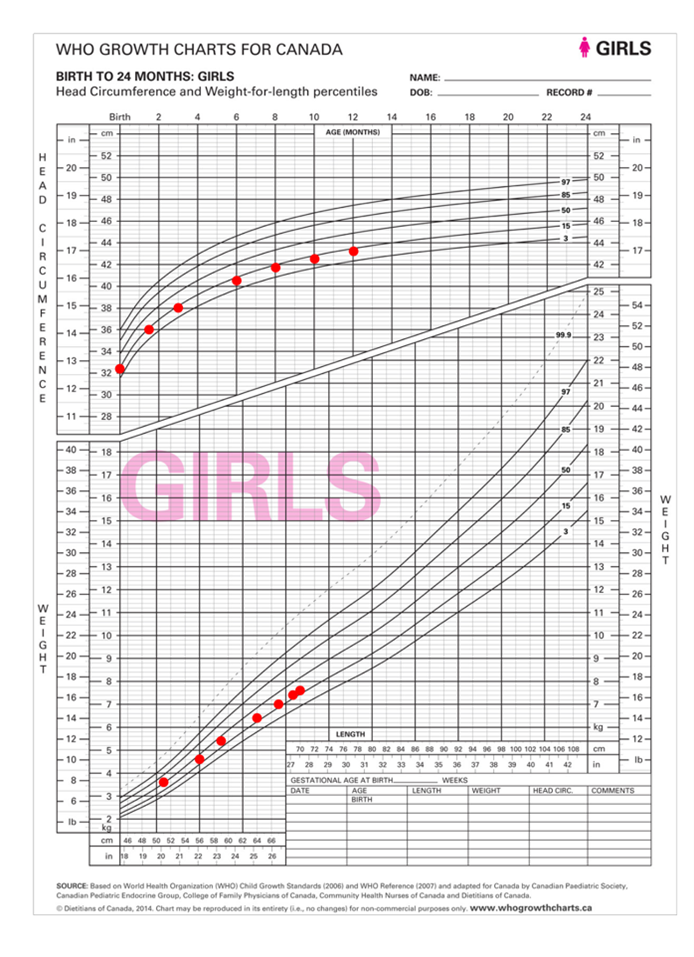
Each measurement answers a different question. Newborn growth pattern interpretation works best when all three are considered together.
Weight
Weight often changes fastest. It reflects fluid balance, milk intake, illness, and energy use. A falling weight percentile may need attention, especially when paired with poor feeding or too few wet diapers.
However, weight can shift because of a recent illness or an inaccurate scale. The trend matters more than one reading.
Length
Length shows growth in the bones and body. It is harder to measure well because newborns move and curl their legs. Two people may get slightly different results.
A small change in length does not always mean true growth. Clinicians look for a pattern across several visits.
Head circumference
Head circumference reflects skull and brain growth. It must be measured around the widest part of the head, usually above the eyebrows and around the back of the skull.
A baby may naturally have a larger or smaller head than average. Rapid change across percentiles, especially with other symptoms, deserves a careful medical review.
The most helpful pattern is often proportional. For example, a baby who is small in weight, length, and head circumference may simply be constitutionally small. A baby whose weight drops sharply while length and head growth continue may need a feeding assessment.
Factors That Affect Newborn Growth
Many factors shape early growth. Newborn growth pattern interpretation should never ignore the baby’s broader health picture.
Important influences include:
• Gestational age at birth
• Birth size and parental body build
• Feeding method and feeding frequency
• Milk transfer during breastfeeding
• Formula preparation and feeding volume
• Tongue movement or oral motor problems
• Reflux, vomiting, or diarrhea
• Jaundice or infection
• Heart, lung, kidney, or digestive conditions
• Sleepiness caused by illness or medication
• Family growth patterns
• Social factors that affect access to food or follow-up care
A baby may feed often but still transfer little milk. This can happen with a shallow latch, weak suck, tongue restriction, or low milk supply. Diaper counts, swallowing sounds, feeding duration, and post-feed behavior can provide useful clues.
Newborns also grow in spurts. Growth does not always move in a smooth line. A baby may gain more weight during one week and less during another. That is why clinicians avoid making major decisions from a single number unless the baby appears unwell.
When a Growth Pattern May Need Attention
A change in percentile does not automatically mean disease. Still, some patterns deserve prompt review.
Contact the baby’s health care professional if a newborn:
• Continues losing weight after the early newborn period
• Has not regained birth weight within the expected time
• Has fewer wet diapers than expected
• Is hard to wake for feeds
• Feeds for long periods but seems unsatisfied
• Vomits green fluid, blood, or repeated forceful amounts
• Has signs of dehydration, such as a dry mouth or very low urine output
• Shows breathing trouble, blue or gray color, or unusual limpness
• Has a marked drop across growth percentiles
• Has a rapidly changing head circumference
Urgent symptoms need urgent care. A growth chart should support clinical judgment, not delay help.
One common mistake is focusing only on the percentile line. A baby can remain on a low percentile and thrive. Another baby can stay near the middle of the chart but still have poor feeding or dehydration. Newborn growth pattern interpretation must include behavior, feeding, urine output, examination, and family history.

A Practical Step-by-Step Interpretation Method
Parents can prepare useful information for visits. The following process can make discussions clearer.
Step 1: Confirm the measurements
Ask how the baby was weighed and measured. Clothing, blankets, different scales, and poor positioning can create false changes.
Step 2: Confirm gestational age
Ask whether the chart uses chronological age or corrected age. This is especially important for premature babies.
Step 3: Review the direction
Look at several visits. Is weight rising, stable, or falling? Is length increasing? Is head growth continuing?
Step 4: Compare the three measures
Review weight, length, and head circumference together. A mismatch may offer useful information, but it does not provide a diagnosis by itself.
Step 5: Discuss feeding
Share how often the baby feeds, how long feeds last, whether swallowing is heard, and whether the baby seems satisfied afterward.
Step 6: Review output and behavior
Wet diapers, stools, alertness, muscle tone, and sleep patterns help complete the picture.
Step 7: Make a plan
The clinician may suggest a weight check, lactation support, feeding observation, formula review, or further testing. Follow-up is often more useful than worry.
In practice, one of the most helpful lessons is to bring a simple record rather than relying on memory. Note feeding times, wet diapers, vomiting, and concerns for 24 hours before an appointment. This gives the care team a clearer view of daily life.
Common Mistakes in Newborn Growth Pattern Interpretation
Growth charts are useful, but they can be misunderstood. Avoid these common errors:
• Treating the 50th percentile as the ideal
• Comparing a baby with siblings or friends
• Using a home scale as the only source of truth
• Ignoring corrected age in premature babies
• Assuming every percentile change means illness
• Focusing on weight while ignoring feeding and hydration
• Weighing the baby many times each day
• Changing feeding plans without professional guidance
• Using online charts that do not match the baby’s age or sex
• Waiting too long when red-flag symptoms appear
Home weighing can increase anxiety. If a home scale is used, place it on a firm surface and measure under similar conditions. Do not make feeding or medical decisions from small daily changes without discussing them with a health professional.
Another important lesson is to avoid chart chasing. Trying to move a baby to a higher percentile can lead to unnecessary feeding pressure. The goal is healthy growth, not a particular curve.
Supporting Healthy Newborn Growth
Healthy growth begins with safe, effective feeding and regular care. Helpful steps include:
• Feed the baby according to professional guidance and hunger cues
• Watch for active swallowing during breastfeeds
• Ask for lactation support if feeding hurts or seems ineffective
• Prepare formula exactly as the label directs
• Keep routine newborn visits
• Track wet diapers during the early weeks
• Keep the baby’s mouth and nose clear during feeds
• Tell the clinician about vomiting, diarrhea, or unusual sleepiness
• Use safe sleep practices at every sleep
Do not add cereal, water, juice, supplements, or thickener unless a qualified clinician recommends it. Newborns have delicate nutritional needs, and incorrect additions can be harmful.
Growth is also connected to relationships. Holding, talking, and responding to a baby’s cues do not replace feeding, but they support comfort and development. A calm feeding environment can help parents notice signs of hunger and fullness.

What the Evidence and Charts Can and Cannot Tell You
Growth standards are based on large groups of children. They help identify patterns that may need closer review, but they cannot predict the health of one baby with certainty.
Several limits matter:
• Charts may not reflect every ethnic, genetic, or family pattern equally.
• Measurement errors can create false trends.
• Premature infants need special chart methods.
• A chart cannot diagnose a feeding disorder or medical disease.
• Percentiles do not measure intelligence, parenting quality, or future height.
• Healthy growth can vary between breastfed and formula-fed infants.
The American Academy of Pediatrics, the World Health Organization, and public health agencies support using serial measurements with clinical assessment. Their guidance emphasizes context, accurate technique, and follow-up.
When reviewing a chart, it is reasonable to ask, “What changed?” and “What else was happening at that time?” Those questions are often more useful than asking whether a percentile is good or bad.
Frequently Asked Questions About Newborn Growth Pattern Interpretation
What is a normal newborn growth pattern?
A normal pattern usually includes early weight loss, recovery toward birth weight, and steady increases in weight, length, and head circumference. The exact pace varies by gestational age, feeding, health, and family traits.
Should I worry if my baby is on a low percentile?
Not necessarily. A low percentile can be healthy when the baby follows a similar curve, feeds well, has adequate urine output, and appears alert. A sudden drop or symptoms may need medical review.
When should a newborn regain birth weight?
Many full-term newborns regain birth weight by about 10 to 14 days. Premature babies or babies with feeding concerns may take longer, so the care team should set individual expectations.
Do premature babies use the same growth chart?
Premature babies often use specialized preterm charts at first. Clinicians may then use corrected age with an appropriate infant growth chart to avoid making normal prematurity-related differences look abnormal.
How often should a newborn be weighed?
Weight checks depend on the baby’s age, feeding, birth history, and health. Frequent checks may help when there is a concern, but daily home weighing can create confusion because small changes are common.
Can breastfeeding affect growth chart results?
Yes. Breastfed babies may follow a different pattern from formula-fed babies, especially after the first few months. The chart should be interpreted with feeding effectiveness, diaper output, and the baby’s overall health.
Conclusion
Newborn growth pattern interpretation is about direction, context, and the whole baby. Weight, length, and head circumference should be reviewed over time while considering gestational age, feeding, diapers, behavior, and family growth patterns.
A percentile is not a score, and one measurement rarely tells the complete story. Keep regular appointments, record useful feeding details, and contact a health professional when growth concerns or warning signs appear. For more reliable guidance, review your baby’s chart with the pediatric care team and use trusted infant health resources.