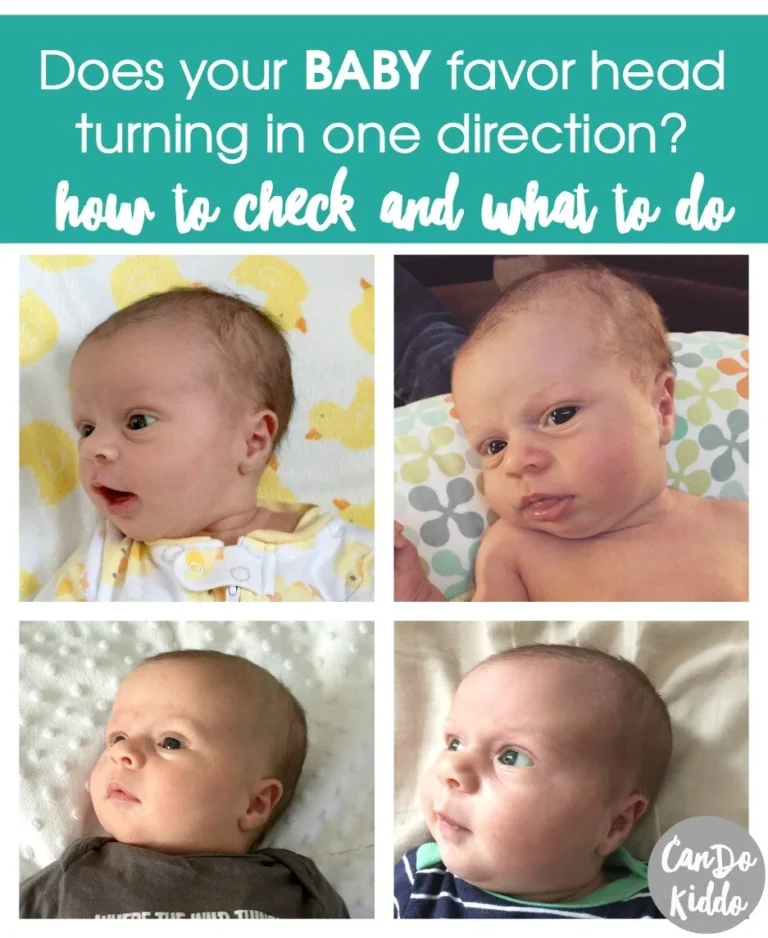
Newborn hand and finger development begins with reflexes, curled fingers, and slow growth toward purposeful movement.
Newborn hand and finger development can seem simple, but it reflects early brain, nerve, muscle, and sensory growth. This guide explains what is typical, how skills change month by month, and how you can support your baby safely while knowing when to seek medical advice.
What Is Newborn Hand and Finger Development?
Newborn hand and finger development is the gradual process through which a baby learns to move, feel, open, close, and use the hands. At birth, many movements happen through reflexes rather than choice. Your baby may grip your finger tightly without fully understanding that your finger is there.
The hands are closely linked to the brain. Each touch sends information to the nervous system. Over time, the brain learns to guide the fingers with more control. This is why early hand movements may look random, while later movements become more focused.
A newborn’s hands may stay near the face or chest. The fingers often remain curled. This posture is common because newborn muscle control is still developing. It does not mean your baby will have stiff or weak hands.

What Newborn Hands Usually Look Like
Many healthy newborns have puffy hands, short nails, and slightly blue or cool fingers soon after birth. This often improves as blood flow adjusts, especially when the baby is warm and calm. A baby’s fingers may also look bent or overlap at times.
During the first days, you may notice:
• Fingers that stay curled into the palm
• A tight grip when the palm is touched
• Brief hand opening during sleep
• Jerky or uneven arm movements
• Hands moving toward the mouth
• Mild trembling when crying or upset
• Different hand positions from one moment to the next
These signs often fit normal newborn hand and finger development. Babies do not move with the smooth control seen in older children. Their nervous systems are still learning how to organize movement.
A useful tip is to watch your baby when calm. Crying can make the hands tense and shaky. A relaxed baby gives you a better view of natural hand movement.

Newborn Hand and Finger Reflexes
Reflexes are automatic movements. They help newborns respond to touch and protect early feeding and movement skills. Reflexes are not the same as planned actions, but they are an important part of newborn hand and finger development.
Palmar grasp reflex
When you touch the palm, your baby may close the fingers around your finger. This is the palmar grasp reflex. It is strong in many newborns and usually becomes less automatic during the first few months.
Never lift or swing a baby by the hands. The reflex can be strong, but the wrists, elbows, and shoulders are not ready to support body weight.
Hand-to-mouth movements
Many babies bring their hands toward the mouth. This can support self-soothing and early body awareness. It may happen before the baby can reach for an object on purpose.
Startle response
a loud sound or sudden movement may cause the arms and hands to open, followed by a return toward the body. This is the Moro, or startle, reflex. It is a whole-body response, but the fingers often open during it.
Finger and hand opening
A newborn may open the hands for only a few seconds. This does not need to happen all day. Short periods of open hands are expected as the muscles relax.
Reflexes can vary. Premature babies may show different timing because their nervous systems are less mature. Your pediatrician can assess reflexes in the context of birth age, health, and other movements.

Newborn Hand and Finger Development by Age
Every baby follows an individual path. The timeline below offers general patterns, not strict deadlines. Pediatric clinicians use several skills together instead of judging one hand movement alone.
Birth to 1 month
At this stage, newborn hand and finger development is mostly reflex-based. Your baby may keep the hands closed, bring them near the face, and grasp when the palm is touched.
You may also see:
• Uneven arm movements
• Fingers opening during sleep
• Hands near the mouth
• Briefly relaxed palms
• Stronger movement when hungry or upset
Your baby does not need to grasp toys yet. Safe human touch, feeding, sleep, and gentle movement provide plenty of early input.
1 to 2 months
Your baby may begin to open the hands more often. The grasp reflex may still be present, but the grip may not last as long. Hands may move toward the face with slightly better control.
The baby may stare at the hands or notice them during quiet moments. This is an early step toward body awareness, even if the hands do not yet reach for a toy.
2 to 3 months
Around this time, many babies hold the hands open for longer periods. They may swipe at nearby objects, accidentally touch a toy, or bring both hands together near the chest.
Movement may look smoother than it did at birth. However, reaching is still unsteady. A missed reach does not usually signal a problem.
3 to 4 months
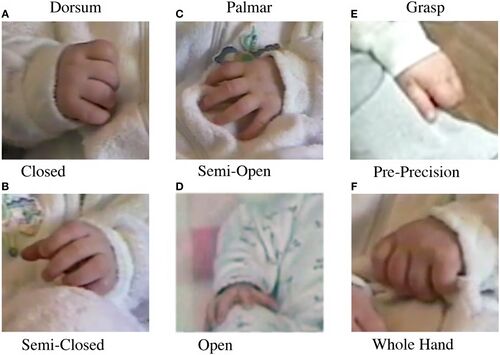
Newborn hand and finger development now shifts toward early voluntary control. Many babies reach toward a toy, hold an item briefly, and bring objects to the mouth.
Your baby may also clasp the hands together or study the fingers. At this stage, the mouth is a major way to explore. This is normal, but it makes choking prevention essential.
4 to 6 months
Many babies can hold toys for longer periods. They may shake a rattle, pass an object from one hand to the other, and use both hands during play.
Some babies begin to use a more open, whole-hand grasp. Others still swipe or grab with less accuracy. These differences are common and do not always show a developmental delay.
6 to 9 months
Hand control becomes more purposeful. Babies often reach for objects, release them, bang toys, and move items from hand to hand. They may use the thumb and fingers together, although fine pincer control is still developing.
The baby may also look for a dropped toy. This shows growing links between vision, movement, and memory.
9 to 12 months
Many babies begin using a neat pincer grasp. This means they pick up small items with the thumb and index finger. They may point, wave, clap, feed themselves soft finger foods, or place objects into a container.
Not every baby performs each skill at the same age. The Centers for Disease Control and Prevention recommends discussing missed milestones or lost skills with a health professional rather than waiting and guessing.

How Vision, Touch, and Movement Work Together
Newborn hand and finger development depends on more than hand strength. Babies must see an object, notice it, plan a movement, move the arm, and adjust the fingers. This process is called visual-motor coordination.
Touch also plays a major role. The fingertips detect texture, shape, temperature, and pressure. A soft blanket feels different from a smooth rattle. These small experiences help the brain build a map of the body and the world.
You can think of development as a team effort:
• Vision helps the baby find the object
• The brain plans the movement
• The shoulder and arm guide the hand
• The fingers adjust the grip
• Touch tells the brain whether the grip worked
This system takes time. A baby who misses a toy may be learning an important lesson with every attempt.
Safe Ways to Support Hand and Finger Development
You do not need expensive activity sets. Simple, safe interactions are often best. During awake time, place your baby on a firm, supervised surface and let the hands move freely.
Try these ideas:
• Offer a clean finger for your baby to grasp
• Let your baby touch different safe fabrics
• Hold a high-contrast toy within easy view
• Talk while your baby watches your face and hands
• Place a lightweight toy near, but not on, the hand
• Give supervised floor time every day
• Let your baby bring clean hands to the mouth
• Change sides during play to encourage both hands
Tummy time supports the shoulders, arms, and hands. Start with short, supervised periods while your baby is awake. If your baby dislikes the floor, try tummy time on your chest while you remain fully alert.
A practical lesson for parents is to avoid doing too much. Babies need time to try, miss, pause, and try again. Constantly placing toys into the hands can reduce chances for independent reaching.
One mistake to avoid is pulling a finger from a baby’s grasp. Instead, wait for the hand to relax or gently stroke the back of the hand. This keeps play calm and avoids unnecessary strain.

Safety Tips for Newborn Fingers and Hands
Small fingers can become injured by common household items. Check the baby’s surroundings often, especially as movement increases.
Follow these safety steps:
• Keep hair ties and loose threads away from the baby
• Check that mittens are not tight or damp
• Remove mittens if they block safe hand exploration, unless advised otherwise
• Keep small toys, coins, beads, and food pieces out of reach
• Trim nails carefully with baby nail clippers or a file
• Never place tight bands around fingers or wrists
• Check fingers after clothing changes
• Keep pets from licking or scratching the hands
• Avoid toys with loose parts or sharp edges
Hair can wrap around a toe or finger and limit blood flow. This is called a hair tourniquet. If a finger looks swollen, red, blue, or very painful, seek urgent medical advice.
Do not use weighted hand toys, hand braces, or stretching exercises unless a qualified clinician recommends them. Newborn hand and finger development does not need forceful training.
When Newborn Hand and Finger Development May Need Medical Review
Most hand movements are harmless variations. Still, certain signs deserve a call to your pediatrician. The full pattern matters more than one brief observation.
Contact a health professional if you notice:
• One hand stays closed all the time
• One arm moves much less than the other
• The hands remain very stiff or very floppy
• The baby never seems to open either hand
• Fingers appear swollen, pale, blue, or cold and do not improve
• A finger looks trapped by hair or thread
• The baby seems in pain when the hand is touched
• A skill disappears after it was present
• Movement differences continue across several weeks
A newborn with a temporary cool hand after birth may simply need warmth and observation. Persistent color change, breathing trouble, poor feeding, unusual sleepiness, or a baby who looks very unwell requires prompt medical care.
Parents of premature babies should use corrected age when discussing milestones. Corrected age adjusts for how early the baby was born. Your pediatrician can explain the best timeline for your child.
A short video can help. If you notice an unusual movement, record it safely and show it at the visit. A video may capture a pattern that is hard to describe.

How Pediatricians Assess Hand Development
A pediatric visit usually includes observation, questions, and a physical exam. The clinician may look at posture, muscle tone, reflexes, symmetry, hand opening, and response to touch.
They may also ask about:
• Birth history and prematurity
• Feeding and sleep
• Movement of both arms
• Any changes since birth
• Family concerns
• Other motor or social milestones
One hand position alone rarely gives a complete answer. A pediatrician may refer the baby to an occupational therapist, physical therapist, neurologist, or early intervention program when needed.
Early support does not mean a serious diagnosis is certain. It means the baby can receive helpful care while the cause is still being understood. Trust your observations, but avoid comparing your baby with social media posts or a friend’s child.

Common Mistakes Parents Should Avoid
Newborn hand and finger development can cause worry because babies do not follow a perfect schedule. Many concerns come from normal variation, but some habits can make observation harder.
Avoid these common mistakes:
• Comparing your baby with a full-term baby when your child was premature
• Testing the grasp reflex again and again
• Forcing the fingers open
• Using small objects for practice
• Assuming a closed hand always means a problem
• Ignoring a clear difference between the two sides
• Waiting months after a lost skill
• Searching online instead of calling the pediatric office when worried
A calm daily routine works better than formal drills. Notice what your baby does during feeding, bathing, dressing, and quiet play. These everyday moments offer useful information about newborn hand and finger development.
Frequently Asked Questions About Newborn Hand and Finger Development
Why are my newborn’s fingers curled?
Curled fingers are common because newborn muscle control and reflexes are still developing. The fingers usually open more often over the first few months, especially when the baby is relaxed.
When should a newborn start opening their hands?
Many newborns briefly open their hands from birth, but the timing varies. By about 2 to 3 months, many babies keep their hands open more often and begin using them with greater purpose.
Is it normal for a newborn to keep one hand closed?
An occasional closed hand can be normal, especially during sleep or crying. If one hand stays closed or moves much less than the other, contact your pediatrician for an assessment.
Should I stretch my newborn’s fingers?
Do not force or stretch a newborn’s fingers unless a qualified clinician tells you to do so. Gentle touch and normal supervised play are usually enough to support healthy movement.
When do babies start grasping toys?
The grasp reflex appears at birth, but purposeful grasping develops later. Many babies begin reaching for and holding toys between 3 and 4 months, although there is normal variation.
Can newborn mittens delay hand development?
Mittens used for short periods can prevent scratches, but constant use may limit touch and hand exploration. Make sure mittens fit loosely, stay dry, and are removed during safe, supervised awake time when appropriate.
When should I worry about my baby’s hand movement?
Seek medical advice if your baby has persistent stiffness, floppiness, swelling, unusual color, pain, or a clear difference between the hands. Also call if your baby loses a skill or does not seem to use an arm normally.
Conclusion
Newborn hand and finger development starts with reflexes and curled fingers, then grows into open hands, reaching, grasping, transferring, and precise finger use. Each stage depends on the developing brain, muscles, nerves, vision, and sense of touch.
Support your baby with safe floor play, gentle touch, supervised tummy time, and simple objects that are large enough to prevent choking. Watch for lasting differences, pain, color changes, or lost skills, and share concerns with your pediatrician.
Your baby does not need perfect practice. They need safe time, loving interaction, and room to explore. Keep observing these small movements, and explore trusted child-development resources or speak with your pediatrician when questions arise.