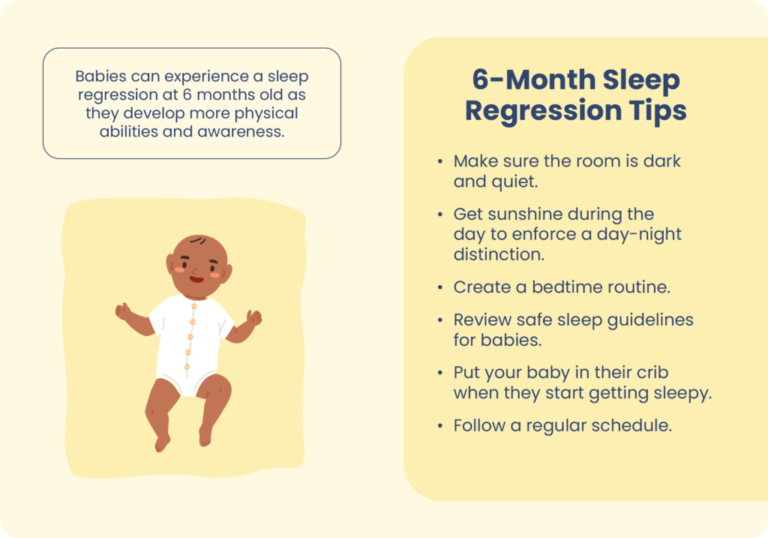
Newborn social engagement development begins with warm, responsive contact, such as eye gazing, voices, touch, and shared smiles.
Newborn social engagement development describes how babies begin to connect with people during the first weeks and months of life. These early skills may look small, but they form the roots of trust, communication, emotional growth, and later relationships. This guide explains what to expect, how to support your baby, and when to seek advice without comparing your child too closely with others.

What Is Newborn Social Engagement Development?
Newborn social engagement development is the gradual growth of a baby’s ability to notice, respond to, and connect with other people. It includes looking at faces, calming to a familiar voice, reacting to touch, making soft sounds, and sharing brief moments of attention.
A newborn does not socialize like an older child. Your baby may not smile on demand or hold eye contact for long. Instead, newborn social engagement development often appears in short moments that come and go.
These moments may include:
• Turning toward a parent’s voice
• Looking briefly at a face
• Becoming calm during gentle holding
• Moving arms or legs when excited
• Making sounds during quiet interaction
• Watching a caregiver’s mouth while they speak
• Showing more interest in familiar people
Think of early social connection like lighting a small candle. Each calm response, gentle word, and loving touch helps the flame grow.
Newborn social engagement development is shaped by the baby’s brain, senses, temperament, health, and daily relationships. It does not follow one exact schedule, and normal development can vary widely.
Why Early Social Connection Matters
Responsive relationships help babies feel safe. When a caregiver notices a baby’s cry and responds with comfort, the baby begins to learn that people can help. This early sense of safety supports emotional development.
Newborn social engagement development also supports early communication. Before babies use words, they communicate through cries, facial movements, body motion, and changes in attention.
Warm interaction helps build several early skills:
• Emotional regulation
• Trust and attachment
• Listening and attention
• Early turn-taking
• Face recognition
• Sound awareness
• Stress recovery
A baby’s brain develops through repeated experiences. Simple routines, such as talking during a diaper change or singing before sleep, give the brain useful patterns to follow.
Research on infant development shows that responsive caregiving supports healthy social and emotional growth. However, loving interaction does not require expensive toys, special classes, or constant entertainment. Your face, voice, and steady presence are powerful learning tools.

Newborn Social Engagement Development by Age
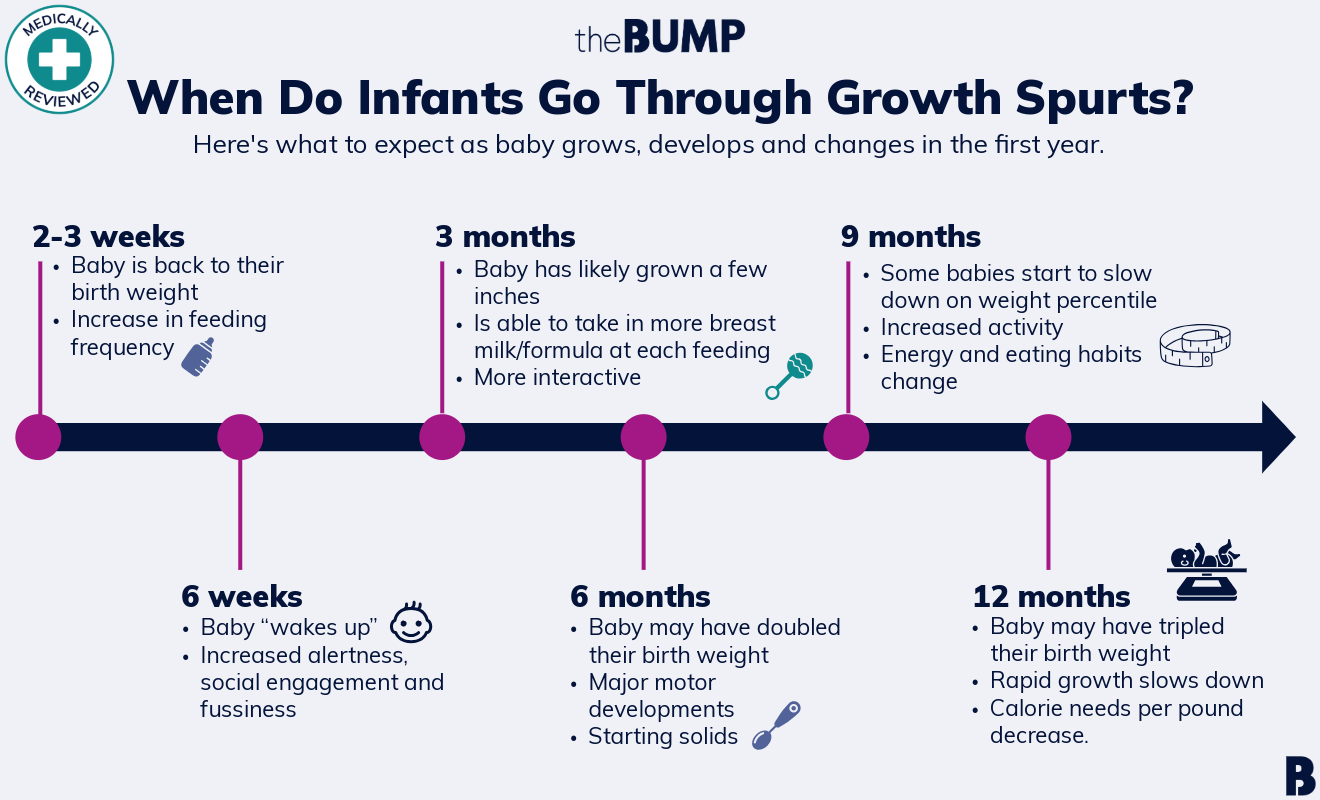
Every baby develops at a different pace. Age ranges can offer helpful guidance, but they should not become strict tests. Premature babies may also follow a different timeline, especially when development is measured by corrected age.
Birth to 1 Month
During the first month, many babies spend much of their time sleeping, feeding, crying, or adjusting to life outside the womb. Social responses may be brief and easy to miss.
You may notice that your baby:
• Calms when held close
• Recognizes a familiar voice
• Briefly studies a face
• Responds to gentle touch
• Makes small movements during conversation
• Turns toward some sounds
vision is still developing. Newborns often see best at close range, usually about the distance between your face and your baby during feeding.
Newborn social engagement development at this stage is less about long eye contact and more about comfort, sensory awareness, and short shared moments.
1 to 2 Months
During the second month, many babies become more alert during quiet periods. They may watch faces for longer and respond to voices with movement or soft sounds.
Some babies begin to show a social smile around this time. A social smile is a smile used during interaction, rather than a random smile during sleep. The timing varies, so a baby who smiles later may still be developing normally.
You may also see:
• More steady eye contact
• Increased cooing
• Greater interest in familiar caregivers
• Excitement when someone approaches
• Brief back-and-forth vocal play
At this stage, newborn social engagement development often feels more obvious. Still, babies may look away when tired or overstimulated.
2 to 3 Months
By about three months, many babies show stronger interest in people. They may smile more often, make vowel-like sounds, and watch a caregiver move around the room.
Your baby may:
• Smile during social contact
• Coo in response to speech
• Watch your face during feeding
• Become excited when seeing a familiar person
• Enjoy simple songs and facial expressions
• Turn away when interaction becomes too intense
These changes are early signs of social communication. They are not a performance or a race. A baby may show strong engagement one day and need more rest the next.
How Babies Communicate Before Words
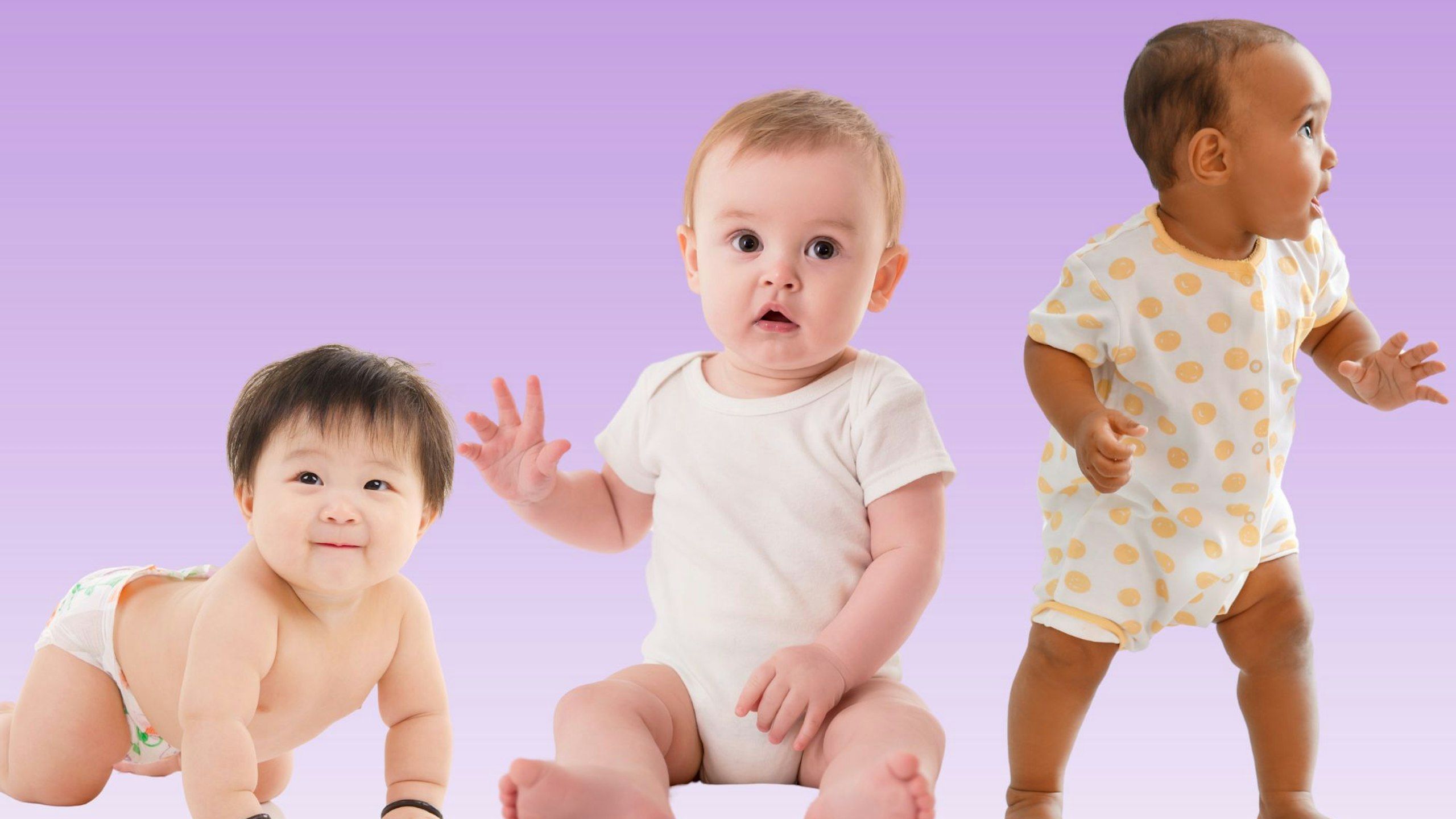
Newborns communicate from birth, even without spoken language. Crying is only one part of this system. Babies also use body signals, sounds, facial expressions, and changes in attention.
Common early signals include:
• Rooting toward a breast or bottle
• Opening the mouth when interested
• Turning the head away when tired
• Staring when curious
• Wiggling when excited
• Fussing when overstimulated
• Relaxing when comforted
Learning these signals is a key part of newborn social engagement development. When you respond to them, your baby experiences a simple form of conversation.
For example, your baby looks at you. You pause, smile, and speak softly. Your baby moves or makes a sound. You answer again. This back-and-forth pattern is an early form of turn-taking.
A common mistake is to wait for a large reaction. Small signals matter. A relaxed body, a quiet gaze, or a soft coo may be your baby’s way of saying, “I am with you.”

Practical Ways to Support Newborn Social Engagement Development
You do not need to create a busy schedule. Short, gentle interactions work best. Follow your baby’s signals and allow plenty of rest.
Talk During Daily Care
Use a calm voice during feeding, bathing, dressing, and diaper changes. Describe what you are doing in simple words.
For example:
“Now we are putting on your clean shirt.”
“You are looking at me.”
“Let’s wash your little hands.”
Your baby may not understand the words yet, but the voice pattern, rhythm, and emotional tone help support newborn social engagement development.
Practice Face-to-Face Time
Hold your baby close enough for comfortable face viewing. Smile, pause, and use a relaxed expression. Give your baby time to look without expecting a response.
If your baby looks away, do not force eye contact. Looking away may mean the baby needs a break.
Copy Your Baby’s Sounds
When your baby coos, answer with a similar sound. Wait a moment, then respond again. This creates an early social rhythm.
Keep your voice soft. Loud sounds, rapid talking, or constant stimulation may overwhelm a young baby.
Use Gentle Touch
Skin-to-skin contact can support bonding and calming when practiced safely. Hold your baby against your bare chest while you remain awake and alert.
Gentle touch may include:
• Holding
• Slow rocking
• Light hand pressure
• A warm bath with close supervision
• Resting a hand on your baby’s back
Touch should always be calm and respectful. Stop if your baby becomes distressed.
Sing Simple Songs
Babies often enjoy repeated melodies. Your singing does not need to be perfect. A familiar song can become a comforting social cue.
Try singing during:
• Morning wake-up
• Diaper changes
• Gentle play
• Tummy time
• Bedtime routines
Share Tummy Time
Tummy time supports physical development and can also create social opportunities. Place your awake baby on their stomach on a firm, flat surface while you stay close and watch.
Lie beside your baby, speak softly, or place your face at eye level. Start with short sessions and build slowly. Always place your baby on their back for sleep.
Reading Your Baby’s Engagement Cues
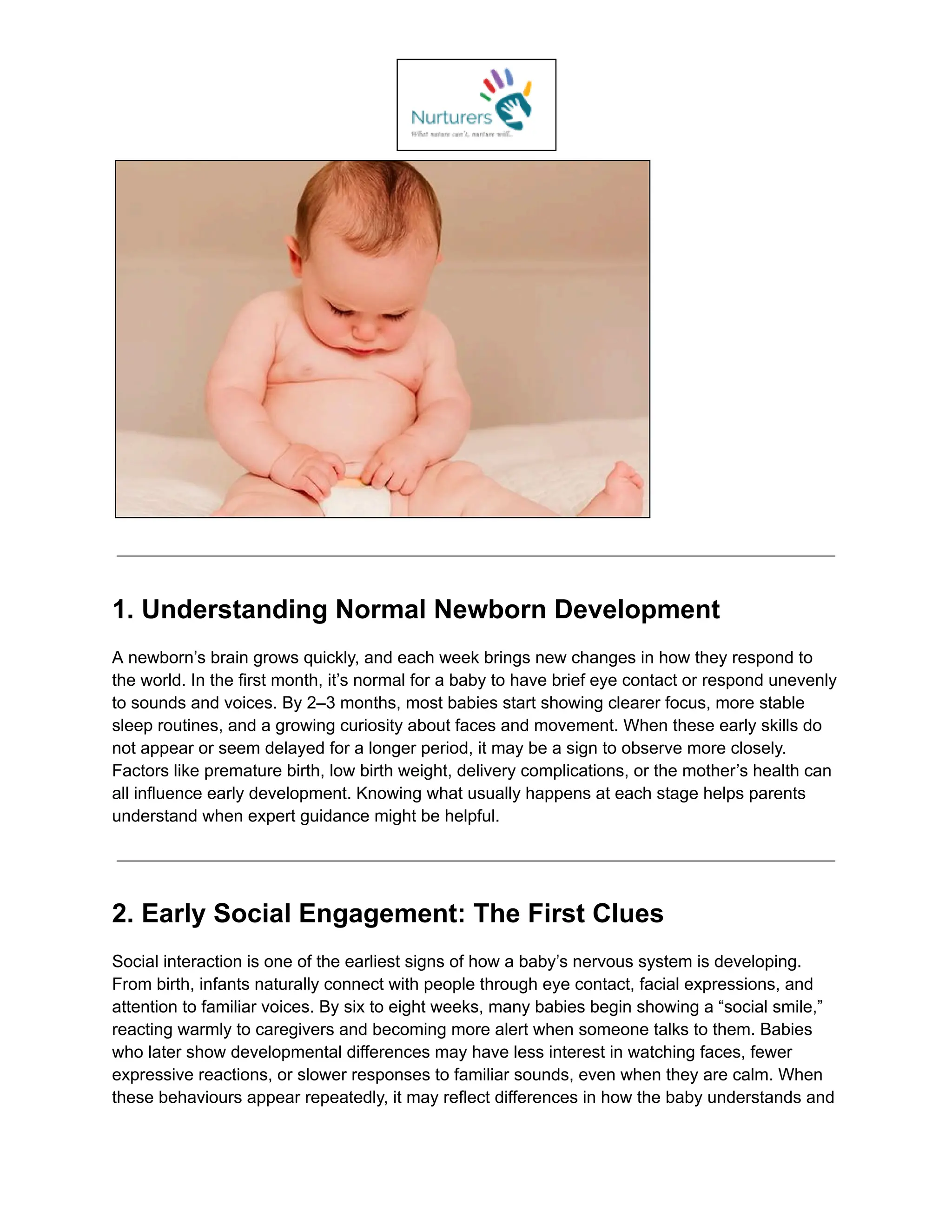
Good interaction depends on noticing both interest and stress. Babies often give clear signs when they need a pause.
Signs of engagement may include:
• Looking toward your face
• Relaxed hands
• Smooth movements
• Smiling
• Cooing
• Quiet alertness
Signs of overstimulation may include:
• Turning away
• Hiccups
• Sneezing
• Fussing
• Stiffening the body
• Spreading fingers
• Becoming unusually sleepy
When you see stress signals, lower your voice, reduce movement, and give your baby a quiet break. This is not rejection. It is communication.
One lesson many new caregivers learn is that more interaction is not always better. A few calm minutes can be more helpful than a long session filled with noise and activity.
Newborn social engagement development grows through a “serve and return” pattern. Your baby gives a signal, and you respond. Then you wait. This teaches your baby that communication goes both ways.

Factors That Can Affect Social Engagement
Many factors can change how a baby responds. A tired baby may show less eye contact. A hungry baby may focus on feeding instead of faces. A baby with a cold may be quieter for a few days.
Other factors include:
• Premature birth
• Hearing or vision differences
• Reflux or feeding problems
• Sleep difficulties
• Pain or illness
• Birth complications
• Differences in temperament
• Caregiver stress
A calm, watchful baby may engage in quiet ways. A highly active baby may kick, wave, and vocalize more. Neither style automatically means better or worse development.
Premature infants may need extra time for certain skills. Health professionals often use corrected age when reviewing development during the early years. Ask your pediatric clinician how this applies to your baby.
Newborn social engagement development should be viewed as a pattern over time. One quiet day does not define a baby’s progress.
Mistakes to Avoid
Caregivers often feel pressure to make every moment educational. Babies do not need constant stimulation. They need safety, rest, nutrition, and caring relationships.
Try to avoid these common mistakes:
• Comparing your baby with a friend’s baby
• Forcing eye contact
• Ignoring signs of tiredness
• Using screens as a main form of interaction
• Assuming quiet behavior means poor bonding
• Treating milestone dates as strict deadlines
• Stopping interaction because your baby looks away
The American Academy of Pediatrics recommends avoiding routine screen media for children younger than 18 months, except for video calls with family in many cases. A real face, voice, and touch offer richer two-way interaction for a newborn.
Caregiver well-being matters, too. It is hard to respond warmly when you are exhausted, anxious, or recovering from birth. Ask trusted people for help with meals, chores, and rest. Supporting the caregiver also supports newborn social engagement development.

When to Talk With a Pediatric Professional
Developmental concerns deserve calm attention, not panic. Contact your pediatric professional if your baby loses a skill, seems unusually difficult to wake, does not respond to loud sounds, or shows very little reaction to people over time.
You may also want guidance if your baby:
• Rarely looks toward faces by about two months
• Does not seem to respond to sound
• Does not show any social smile by around three months
• Has major feeding or movement concerns
• Seems consistently limp, stiff, or distressed
• Does not appear to recognize familiar voices
These examples are not a diagnosis. Babies develop at different rates, and one sign alone may have many explanations.
Routine well-child visits usually include developmental screening and discussion. Share specific examples, such as “My baby turns toward my voice but rarely looks at faces,” rather than saying only, “Something feels wrong.”
Your concern is useful information. Early support can help families understand hearing, vision, feeding, movement, and communication needs.
How to Track Development Without Anxiety
A simple observation note can help you notice patterns. Write down the date, what happened, and how your baby responded.
You might record:
• “Looked at Dad for five seconds after feeding”
• “Cooed when Grandma sang”
• “Turned away after three minutes of play”
• “Calmed with skin-to-skin contact”
Avoid turning the record into a scorecard. The goal is to understand your baby, not to create pressure.
Take short videos only when safe and appropriate. Never delay feeding, comfort, or supervision to capture a milestone. Your baby’s needs come first.
Remember that newborn social engagement development can change with sleep, hunger, illness, and mood. Look for gradual growth across days and weeks.
Frequently Asked Questions About Newborn Social Engagement Development
What is newborn social engagement development?
Newborn social engagement development is the growth of a baby’s early ability to notice, respond to, and connect with people. It includes eye contact, calming to familiar voices, early sounds, smiles, and shared attention.
When do newborns start interacting socially?
Social interaction begins from birth through crying, listening, touch, and brief attention to faces. More noticeable responses, such as cooing and social smiling, often develop during the first two to three months.
Should my newborn make eye contact?
Newborns may look at faces for short periods, especially at close range. Eye contact can be brief and uneven because babies need frequent breaks and have developing vision.
How can I improve my baby’s social engagement?
Talk, sing, smile, cuddle, and respond to your baby’s sounds and movements during daily care. Keep interactions short and gentle, and pause when your baby looks away or becomes fussy.
Is it normal for my baby to look away?
Yes. Looking away often means your baby needs rest or less stimulation, not that your baby dislikes interaction. Give a quiet pause, then try again later.
When should I worry about social development?
Speak with a pediatric professional if your baby does not respond to sound, shows very little reaction to people over time, loses a skill, or seems unusually difficult to wake. Your clinician can assess development and recommend hearing, vision, or developmental support when needed.
Conclusion
Newborn social engagement development grows through small, repeated moments of connection. A calm voice, warm touch, close face, and quick response can teach your baby that the world is safe and people are dependable.
Watch your baby’s signals, follow their pace, and focus on steady progress rather than perfect milestones. Begin with one simple habit today, such as talking during a diaper change or sharing a few quiet minutes of face-to-face time.
For more guidance, discuss your baby’s development at regular checkups, explore trusted infant health resources, and share your experiences with other caregivers.