Newborn spit-up and immature digestion are common, usually mild, and often improve as the digestive system matures.
Newborn spit-up and immature digestion can worry even calm, prepared parents. A small amount of milk may appear after a feed, on a burp cloth, or during a diaper change. This often happens because a baby’s stomach is tiny, the muscle at the stomach opening is still developing, and liquid milk can flow back easily.
Understanding what is normal can bring real peace. This guide explains why newborn spit-up happens, how to reduce it safely, which signs need medical care, and how to tell spit-up from vomiting. The advice reflects pediatric guidance and common feeding patterns seen in newborn care.

What newborn spit-up means
Newborn spit-up is the gentle flow of milk from a baby’s mouth after feeding. It may look like fresh milk or like small white, curd-like clumps. The milk can change texture because stomach acid begins to digest it.
Most newborn spit-up is not forceful. It may dribble down the chin or come out when a baby burps, wiggles, or lies down. A baby who spits up but remains calm, feeds well, and gains weight is often doing fine.
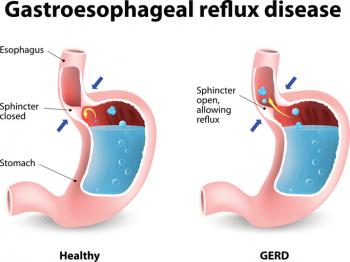
Newborn spit-up and immature digestion commonly occur together. A newborn’s digestive tract is still learning how to move milk in one direction. The valve between the esophagus and stomach, called the lower esophageal sphincter, may open more easily than it will later in infancy.
A newborn’s stomach is also small. In the first days of life, it may hold only a small amount at one time. As feeding volumes grow, even a little extra milk can come back up.
Spit-up versus vomiting
These terms do not mean the same thing.
• Spit-up usually flows out with little effort.
• Vomiting often involves strong stomach muscles and looks forceful.
• Spit-up may happen once or several times a day.
• Vomiting may repeat, cause distress, or make it hard for a baby to keep fluids down.
• Spit-up usually does not make a baby pale, weak, or very upset.
The difference is not always easy to judge. If you are unsure, record a short video for your pediatrician. A video can show the force, color, and amount more clearly than a description alone.

Why newborn spit-up happens
Newborn spit-up has several common causes. Most are linked to normal growth rather than illness.
An immature stomach valve
The lower esophageal sphincter works like a small door. It should open to let milk enter the stomach and close to keep milk from moving back up. In newborns, this door may not close firmly every time.
That is one reason newborn spit-up and immature digestion are so closely linked. As the muscles and nerves mature, the valve usually becomes better at keeping milk down.
A liquid diet
Breast milk and infant formula are both liquids. Liquids move more easily than solid food. When a newborn lies flat, milk can travel back toward the mouth with little effort.
This is normal anatomy, not a sign that breast milk or formula is “too weak.” The issue is usually timing, position, volume, and muscle maturity.
A small stomach
Newborns need frequent feeds because their stomachs cannot hold much milk. If a baby takes more than the stomach can comfortably manage, the extra may come back up.
This can happen after a long feed, a fast bottle, or a period of frequent feeding. It does not always mean the baby ate too much. Some babies simply have a faster flow or need more pauses.
Swallowed air
Babies may swallow air while crying, latching, or drinking from a bottle. Air takes up space in the stomach. When it comes back up as a burp, some milk may come with it.
Bottle-fed babies may swallow more air if the nipple flow is too fast. Breastfed babies can also swallow air if the latch is shallow or milk flows very quickly.
Movement after feeding
Bouncing, pressing on the belly, or placing a baby in a curled position soon after a feed can bring milk back up. Even a diaper change may trigger spit-up if it involves lifting the legs or pressing the abdomen.
Many parents notice this after a rushed middle-of-the-night change. Waiting a few minutes and moving slowly may help.

Is newborn spit-up normal?
In most cases, yes. Newborn spit-up is usually normal when a baby appears comfortable and continues to grow.
A baby may spit up a teaspoon or more, but the amount often looks larger on clothing or a blanket than it truly is. A wet patch can spread widely, which makes a small volume seem like a whole feeding.
Healthy signs include:
• Regular wet diapers
• Steady feeding
• A relaxed face and body after most feeds
• Normal alert periods
• No breathing trouble
• Weight gain that follows the baby’s growth pattern
Newborn spit-up and immature digestion may peak during the first few months. Many babies improve by about 6 months as they sit more often, eat thicker foods, and develop stronger digestive control. Most improve greatly by their first birthday, although the exact timeline varies.
A baby can have reflux without acting sick. This is often called uncomplicated reflux. Reflux becomes more concerning when it causes poor growth, pain, breathing problems, feeding refusal, or other complications.
How much spit-up is too much?
There is no perfect number of milliliters that defines too much spit-up. The baby’s overall condition matters more than the size of one mess.
Call your pediatrician if spit-up is frequent and your baby:
• Does not gain weight well
• Refuses feeds
• Cries in pain during or after feeding
• Has fewer wet diapers
• Has repeated coughing, choking, or breathing changes
• Seems unusually tired or difficult to wake

How to reduce newborn spit-up safely
You may not stop all spit-up, and you do not need to. The goal is to reduce discomfort and protect feeding, not to keep every drop of milk down.
Use a calm feeding position
Hold your baby in a semi-upright position during feeding. Keep the head and neck supported, and make sure the airway stays clear.
For bottle feeding, keep the bottle angled so the nipple stays full of milk. This may limit swallowed air. Avoid propping a bottle, because it can increase choking, ear problems, overfeeding, and unsafe sleep risks.
Offer slower, paced feeds
Paced bottle feeding gives a baby time to pause. Hold the bottle more horizontally, allow short breaks, and watch for signs that the baby needs rest.
Signs of fullness may include:
• Turning the head away
• Relaxing the hands
• Slowing the sucking
• Pushing the nipple out
• Falling asleep without signs of distress
Do not pressure a baby to finish a bottle. Newborn spit-up and immature digestion can worsen when a baby takes more milk than the stomach can comfortably hold.
Burp gently
Try a gentle burp during and after a feed. Some babies need one pause, while others need several. Do not pat hard or spend a long time trying to force a burp.
Hold your baby upright against your chest or support the head while sitting the baby slightly forward. If no burp comes, that is not automatically a problem.
Keep the baby upright while awake
Holding a baby upright for about 20 to 30 minutes after feeding may reduce spit-up for some families. Stay awake and watch the baby during this time.
Do not use a car seat, swing, inclined sleeper, or infant lounger as a routine sleep space. A seated or inclined position can allow the head to fall forward and affect breathing.
Protect safe sleep
Place your baby flat on the back for every sleep. Use a firm, flat sleep surface with no pillows, wedges, positioners, blankets, or stuffed toys.
Back sleeping does not increase the risk of choking from ordinary reflux. Babies have protective airway reflexes, and this sleep position lowers the risk of sleep-related death.
Avoid unproven remedies
Do not add cereal to a bottle, change formula, use thickening products, or give medicine without medical advice. These steps can create choking, allergy, feeding, or nutrition concerns.
Newborn spit-up and immature digestion usually need time and simple feeding changes, not a long list of home treatments.

Breastfeeding, formula, and newborn spit-up
Newborn spit-up can happen with both breast milk and formula. It does not automatically mean that a baby cannot tolerate one type of milk.
If you are breastfeeding
A forceful milk letdown may cause gulping, coughing, clicking, or pulling away. Try a more reclined nursing position so gravity slows the flow. You can also pause when your baby shows signs of needing a break.
A deep latch may reduce swallowed air. A lactation consultant can check the latch, milk transfer, and feeding rhythm.
If you are using formula
Prepare formula exactly as the label directs. Adding extra water can cause dangerous low sodium levels, while adding extra powder can strain a baby’s kidneys and digestive system.
Check the bottle nipple flow. A nipple that flows too fast may cause gulping and coughing. A nipple that flows too slowly may frustrate the baby and increase hard sucking.
Should you switch formulas?
Not usually without guidance. Frequent formula changes can make it harder to know what is helping, and most spit-up is not caused by an allergy.
A pediatrician may suggest a specific formula when symptoms point to cow’s milk protein allergy or another condition. Warning signs can include blood or mucus in the stool, eczema, wheezing, significant diarrhea, or poor growth.

When newborn spit-up may signal a problem
Most cases are mild, but some symptoms need prompt attention. Trust your instincts if your baby looks unwell.
Seek urgent medical care for:
• Green or bright yellow vomit
• Blood in vomit or vomit that looks like coffee grounds
• Repeated projectile vomiting
• A swollen, hard, or very tender belly
• Trouble breathing, blue lips, or choking that does not quickly stop
• Extreme sleepiness or difficulty waking
• Signs of dehydration, such as very few wet diapers, a dry mouth, or no tears when expected
• Fever in a baby younger than 3 months, according to your clinician’s urgent-care guidance
Projectile vomiting can be a sign of pyloric stenosis, a condition in which the outlet from the stomach becomes too narrow. It often appears during the first weeks of life and needs medical evaluation.
Green vomit can suggest that bile is present. This may point to an intestinal blockage and should be treated as an emergency.
Newborn spit-up and immature digestion should never be used to explain away red-flag symptoms. A calm baby with small milk dribbles is different from a baby who is weak, dehydrated, or vomiting forcefully.

What parents can track at home
A simple log can help you and your pediatrician see patterns. You do not need to measure every drop.
Record:
• Feeding time
• Breast or bottle feeding
• Approximate bottle amount, if relevant
• Spit-up color and force
• Wet diapers
• Bowel movements
• Coughing, choking, crying, or back arching
• Your baby’s mood after feeding
In my experience helping families organize newborn questions, the most useful notes are simple and consistent. Parents often remember the biggest mess but forget whether the baby had normal wet diapers and alert periods. Those everyday signs provide important context.
Use a clean cloth to estimate the size of spit-up only if your clinician asks. Weight checks are more reliable than trying to judge milk loss from a blanket.
Common mistakes to avoid
Newborn spit-up can lead caring parents to try many fixes at once. Some are unsafe, while others make the pattern harder to understand.
Avoid these common mistakes:
• Putting a baby to sleep on the stomach or side to prevent spit-up
• Raising one end of the crib or using an inclined sleeper
• Using rice cereal or thickener without a clinician’s instructions
• Giving water, herbal tea, or juice to a newborn
• Switching formulas repeatedly
• Forcing a baby to finish a bottle
• Assuming every cry means hunger
• Ignoring poor weight gain because spit-up is common
One lesson many new parents learn is that more feeding is not always the answer. Crying after a feed may come from gas, tiredness, overstimulation, or discomfort. Feeding cues and fullness cues can help prevent accidental overfeeding.
Frequently asked questions about newborn spit-up and immature digestion
Is newborn spit-up normal after every feeding?
It can be normal if the spit-up is gentle and your baby remains comfortable, feeds well, and has regular wet diapers. Tell your pediatrician if it is forceful, painful, green, bloody, or linked with poor weight gain.
How long does newborn spit-up and immature digestion last?
Many babies improve as the digestive muscles mature, often by 6 months. Some continue to spit up until around 12 months, but the pattern should gradually improve and should not cause health problems.
Should I keep my baby upright after feeding?
You may hold your baby upright for about 20 to 30 minutes while fully awake and supervised. For sleep, always place the baby flat on the back on a firm, empty sleep surface.
Does spit-up mean my baby is overfed?
Not always. A small, immature stomach, fast milk flow, swallowed air, and normal reflux can all cause spit-up. If your baby often seems uncomfortable or takes very large feeds, ask a pediatrician to review feeding amounts and timing.
Can I give medicine for newborn spit-up?
Do not give reflux medicine unless a pediatric clinician recommends it. Medicine is not helpful for every baby and can have risks, especially when symptoms are mild.
When should I call the pediatrician about spit-up?
Call if your baby has poor weight gain, repeated vomiting, feeding refusal, breathing changes, pain, dehydration, or unusual sleepiness. Seek urgent care for green vomit, blood, severe breathing trouble, or repeated projectile vomiting.
Conclusion
Newborn spit-up and immature digestion are common because a baby’s stomach is small, milk is liquid, and the muscle that keeps food down is still developing. Gentle spit-up is usually harmless when your baby feeds well, has enough wet diapers, stays alert, and grows normally.
Use calm, paced feeds, gentle burping, supervised upright time, and safe back sleeping. Avoid thickening feeds, changing formula often, or using medicine without medical advice. Watch the baby, not just the laundry, and contact a pediatrician when symptoms seem forceful, painful, unusual, or linked with poor growth.
Keep a simple feeding and symptom log, trust your instincts, and bring questions to your baby’s health care team. If this guide helped, explore more newborn feeding resources or share your experience in the comments.