Newborns may feed more often during growth periods, often through short bursts called cluster feeding.
Newborn feeding during growth periods can feel sudden and confusing. A baby who fed on a steady schedule may now want milk every 30 to 60 minutes. This guide explains why that happens, how to respond, and which signs show that your baby is feeding well. It also covers breastfeeding, formula feeding, mixed feeding, diaper output, safety, and when to call a health professional.
What Are Newborn Growth Periods?
Newborn growth periods are short times when babies may need more milk, comfort, and sleep. These periods are often called growth spurts. They happen as a baby grows in weight, length, brain development, and daily activity.
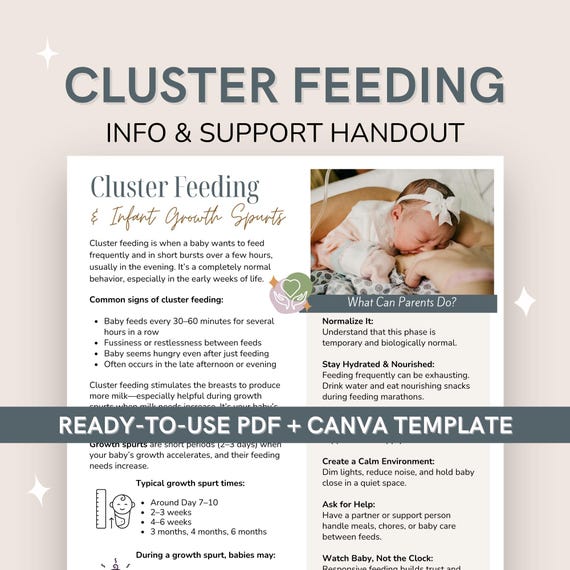
Many babies have growth spurts around:
• 2 to 3 weeks
• 6 weeks
• 3 months
• 6 months
These time frames are only general patterns. Every baby is different. Some babies feed more often before a clear growth spurt, while others show fewer changes.
Newborn feeding during growth periods may look like frequent feeds, longer feeds, or sudden cluster feeding. Cluster feeding means a baby feeds many times close together, often in the late afternoon or evening.
A growth period can feel like a tiny storm in your normal routine. It may last a few hours, several days, or about a week. Your baby may then return to a more familiar pattern.
Why Do Newborns Feed More During Growth Spurts?
Babies have small stomachs and fast-changing bodies. When growth speeds up, they may need more energy and fluids. Frequent feeding helps meet that need.
For a breastfed baby, frequent nursing also sends a signal to the body to make more milk. Milk production works through supply and demand. The more often and effectively a baby removes milk, the stronger the message to produce milk.
Newborn feeding during growth periods can also meet needs beyond hunger. Babies may feed more because they are:
• Seeking comfort
• Adjusting to a new sleep pattern
• Recovering from a busy day
• Experiencing a developmental change
• Feeling warm, tired, or overstimulated
• Building milk supply through frequent nursing
It is helpful to remember that frequent feeding does not always mean low milk supply. A healthy baby may feed often and still gain weight well. Feeding frequency should be judged with other signs, such as wet diapers, swallowing, alertness, and weight gain.
Common Signs of a Newborn Growth Spurt
A growth spurt may cause a clear change in your baby’s behavior. The change can appear quickly and may worry parents who thought they had found a routine.
Common signs include:
• Wanting to eat soon after a full feed
• Feeding for longer periods
• Starting and stopping feeds often
• Cluster feeding in the evening
• Waking more often at night
• Acting fussy between feeds
• Wanting more skin-to-skin contact
• Sleeping more after several busy feeding hours
Some babies show only one or two signs. Others may seem hungry all day. A growth spurt is more likely when the change is temporary and your baby still has good diaper output and periods of calm alertness.
Newborn feeding during growth periods should stay guided by feeding cues, not only by the clock. A schedule can help you plan your day, but a young baby may need more milk than usual during a growth spurt.

Feeding Cues to Watch For
Crying is a late hunger cue. Learning early cues can make newborn feeding during growth periods calmer and more effective.
Early hunger cues may include:
• Stirring from sleep
• Moving the hands toward the mouth
• Opening the mouth
• Turning the head from side to side
• Licking the lips
• Making soft sucking sounds
• Becoming more alert
Later cues may include fussing, squirming, or crying. Try to feed when your baby is calm enough to latch or take a bottle. A very upset baby may need a short cuddle first.
Watch for fullness cues, too. These may include:
• Slowing the sucking
• Relaxing the hands
• Turning away from the breast or bottle
• Closing the mouth
• Falling asleep in a relaxed way
Do not force a baby to finish a breast or bottle. Babies have different needs at different feeds. Responsive feeding allows the baby to eat when hungry and stop when full.
Breastfeeding During Growth Periods
Breastfeeding babies often nurse more during growth spurts. This pattern can be tiring, but it is usually a normal way for the baby to increase milk intake and support milk production.
Offer the breast when your baby shows hunger cues. Let the baby stay on the first breast while active sucking and swallowing continue. Then offer the second breast if the baby still seems hungry.
Helpful steps include:
• Use skin-to-skin contact before and during feeds.
• Check that the baby has a deep latch.
• Listen for regular swallowing.
• Offer both breasts when needed.
• Use breast compression if milk flow slows and your clinician approves.
• Rest, eat regular meals, and drink to thirst.
A common mistake is to assume that soft breasts mean no milk. Breasts often feel softer after milk production becomes more established. Milk can still flow well even when the breasts do not feel full.
Another mistake is to start supplements without guidance because the baby is feeding often. Supplementation may be needed in some cases, but unnecessary changes can affect milk removal and supply. If you are concerned, contact a lactation professional or your baby’s health care provider before making a feeding plan.
Formula Feeding During Growth Periods
Formula-fed babies may also want to feed more often during growth periods. Follow your baby’s hunger and fullness cues while using the preparation instructions on the formula container.
Prepare formula exactly as directed. Do not add extra powder to make it “stronger,” and do not dilute it to make it last longer. Incorrect mixing can cause serious health problems.
During newborn feeding during growth periods:
• Offer the bottle when early hunger cues appear.
• Hold the baby close in a semi-upright position.
• Keep the bottle more level rather than tipped sharply down.
• Pause during the feed.
• Watch for signs of fullness.
• Never prop a bottle or leave a baby alone with one.
Paced bottle feeding can help a baby control the flow. A fast bottle flow may cause coughing, gulping, leaking milk, or feeding beyond fullness. A slower, responsive approach gives the baby time to pause.
Do not increase formula amounts only because a baby is fussy. Fussiness can come from tiredness, gas, heat, or the need for comfort. Your pediatric clinician can help decide whether your baby needs more volume or more frequent feeds.
Mixed Feeding and Growth Spurts
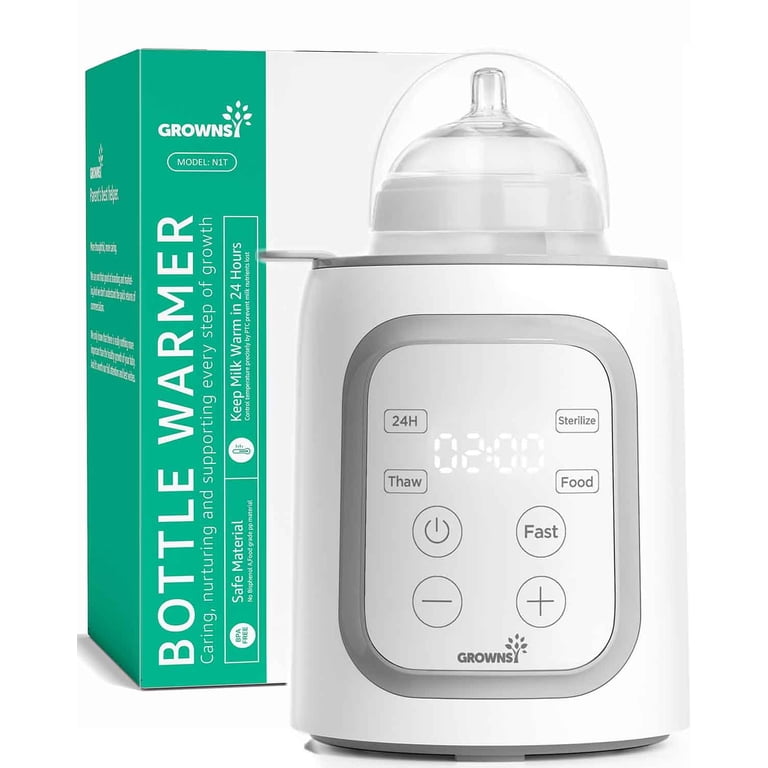
Some families combine breastfeeding and formula feeding. Mixed feeding can work well when it fits the baby’s needs and the family’s health, schedule, and goals.
During a growth period, a baby may ask for more frequent breastfeeds, larger formula feeds, or both. Track the whole picture rather than focusing on one feed.
If maintaining breast milk production is important, regular breast stimulation matters. When a bottle replaces a breastfeed, pumping around that time may help protect supply. This is not a strict rule for every family, so personal advice from a lactation professional can be useful.
A flexible plan may include:
• Breastfeeding first when the baby is calm and ready
• Offering expressed milk or formula if advised
• Using paced bottle feeding
• Monitoring wet diapers and weight
• Reviewing the plan as the growth period ends
There is no single “right” feeding method. Safe, adequate nutrition and a supported caregiver are the main goals.
How to Know Your Newborn Is Getting Enough Milk
Parents often worry about milk intake during newborn feeding during growth periods. Diapers, weight, and behavior offer more useful information than the number of minutes spent feeding.
Signs of effective feeding may include:
• The baby latches or accepts the bottle well.
• You can hear or see swallowing.
• The baby seems relaxed after some feeds.
• The baby has regular wet diapers.
• Stool patterns are appropriate for age and feeding type.
• The baby wakes for feeds and has alert periods.
• Weight gain follows the pattern expected by the baby’s clinician.
In the first days after birth, diaper counts change as milk intake increases. After the early newborn period, many healthy babies have about six or more wet diapers per day, though your clinician may give a more specific target.
Weight checks are especially important if there are feeding concerns. A baby may appear satisfied and still need help with milk transfer. On the other hand, a baby may feed often and be growing very well.
A useful lesson from many feeding support visits is this: one sign rarely tells the full story. Look at feeding, diapers, weight, and behavior together.

A Simple Plan for Newborn Feeding During Growth Periods
Growth spurts can make the day feel unplanned. A simple plan can reduce stress without forcing your baby into a rigid schedule.
-
Watch for early hunger cues.
-
Offer breast milk or formula promptly.
-
Check the latch or bottle position.
-
Pause to burp when needed.
-
Watch for active swallowing and fullness cues.
-
Offer more milk if hunger cues continue.
-
Track wet diapers and any unusual changes.
-
Rest whenever another trusted adult can safely help.
Keep a small feeding note if you feel unsure. You can record the time, feeding method, approximate length or amount, wet diapers, and concerns. Avoid turning the record into a test that creates more worry. Its purpose is to show patterns for you and your clinician.
Make feeding easier by keeping water, snacks, burp cloths, and phone chargers nearby. If breastfeeding, use pillows and change positions to protect your back and shoulders. If bottle feeding, share feeds when possible, but keep the baby’s cues at the center.
Mistakes to Avoid During Growth Periods
Growth spurts can lead to rushed decisions. A few common mistakes may make feeding harder.
• Relying only on a strict feeding schedule: Newborns do not always follow the clock.
• Assuming frequent feeding proves low supply: Frequent feeding is often normal during growth spurts.
• Measuring success by feed length alone: A short, effective feed may provide plenty of milk.
• Ignoring latch pain: Ongoing pain can signal a latch or oral-motor concern.
• Forcing a bottle: This can override fullness cues.
• Diluting or concentrating formula: Always follow the label and professional guidance.
• Comparing babies: Feeding patterns vary widely.
• Waiting too long to ask for help: Early support can prevent a small issue from becoming a large one.
Parents sometimes try to “stretch” feeds by using pacifiers, extra rocking, or longer naps. Comfort tools can be useful, but they should not replace milk when a baby is showing hunger cues.
When to Call a Health Professional
Contact your baby’s health care provider or lactation professional if you notice:
• Fewer wet diapers than expected
• Very dark urine or orange crystals after the early newborn days
• A baby who is difficult to wake for feeds
• Weak sucking or repeated refusal to feed
• Persistent vomiting
• Breathing trouble during feeds
• Coughing, choking, or turning blue
• Increasing yellow skin or eyes
• Poor weight gain
• Signs of dehydration, such as a dry mouth, no tears when expected, or unusual sleepiness
Seek urgent medical care for breathing problems, blue or gray skin, severe lethargy, or a baby who cannot feed.
Newborns younger than three months with a rectal temperature of 100.4°F (38°C) or higher need prompt medical evaluation. Follow local medical advice and do not give fever medicine unless a qualified clinician tells you to do so.
If your baby was premature, had low birth weight, has jaundice, or has a medical condition, feeding guidance may be different. In these cases, use the plan made by your neonatal or pediatric care team.

How Caregivers Can Cope With Frequent Feeding
Newborn feeding during growth periods can be physically and emotionally demanding. Feeling tired or frustrated does not mean you are doing anything wrong. Feeding a newborn is work, and growth spurts can make that work feel nonstop.
Try to build a small support team. A partner, relative, friend, or postpartum professional can help with meals, laundry, older children, and rest.
Practical support may include:
• Bringing food and water during feeds
• Taking over burping or diaper changes
• Holding the baby while you shower
• Helping with nighttime bottle preparation when safe
• Driving you to a weight check or lactation visit
• Listening without judging
If you are breastfeeding, protect your comfort. Use pillows, change positions, and seek help for nipple damage or ongoing pain. If you are formula feeding, organize clean supplies and prepare only what can be safely used within the recommended time.
The goal is not to perform newborn feeding perfectly. The goal is to keep your baby nourished while protecting your health and confidence.
Evidence-Based Guidance and Its Limits
Health guidance on newborn feeding comes from clinical experience, growth data, infant nutrition research, and recommendations from pediatric and public health organizations. These sources support responsive feeding, safe formula preparation, breastfeeding support, and regular monitoring of growth.
Still, general advice cannot replace an examination. Babies differ in birth history, health, milk transfer, sleep, and feeding skills. A written guide can explain patterns, but it cannot diagnose tongue-tie, dehydration, infection, reflux, allergy, or poor weight gain.
Use this article as education, not as a personal medical plan. A pediatric clinician, certified lactation consultant, or other qualified professional can assess your baby directly and adjust feeding advice to your family.

Frequently Asked Questions About Newborn Feeding During Growth Periods
How often should a newborn feed during a growth spurt?
Many newborns feed eight to twelve times in 24 hours, and some feed more often during a growth spurt. Follow hunger cues and monitor diapers, swallowing, and weight rather than relying on a fixed schedule.
Does frequent feeding mean my breast milk supply is low?
Not usually. Frequent nursing is common during newborn feeding during growth periods and can help increase milk production. Low supply is best assessed through weight gain, diaper output, milk transfer, and a professional feeding evaluation.
How long do newborn growth spurts last?
A growth spurt may last a few hours to several days, and some changes may continue for about a week. If frequent feeding continues or your baby seems unwell, contact a health care provider.
Should I wake my newborn to feed during a growth period?
Some newborns need to be awakened for feeds, especially if they are premature, have jaundice, have low weight gain, or have a clinician-directed feeding plan. If your baby is gaining well, ask your clinician when it is safe to allow longer sleep periods.
Can a formula-fed baby cluster feed?
Yes. Formula-fed babies may also want smaller, more frequent feeds during growth periods. Use paced bottle feeding, follow preparation instructions, and stop when the baby shows fullness cues.
How can I tell whether my baby is hungry or just needs comfort?
Hunger cues include hand-to-mouth movements, lip licking, rooting, and increased alertness. Fussing can have many causes, so check feeding cues along with tiredness, temperature, gas, and the need for contact.
Is it safe to increase a bottle during a growth spurt?
Ask your baby’s clinician if you are unsure about increasing the amount. Never force a baby to finish, and do not change formula concentration; follow hunger and fullness cues instead.
Conclusion
Newborn feeding during growth periods often means more frequent feeds, cluster feeding, and a temporary change in sleep. These patterns are common in both breastfed and formula-fed babies. Focus on early hunger cues, safe feeding methods, wet diapers, weight gain, and your baby’s overall behavior.
Trust your observations, but do not carry every concern alone. Ask for help early if feeding is painful, diapers decrease, weight gain is uncertain, or your baby seems unusually sleepy or unwell. Use reliable guidance from your pediatric clinician or lactation professional, and explore additional newborn feeding resources that fit your family’s needs.