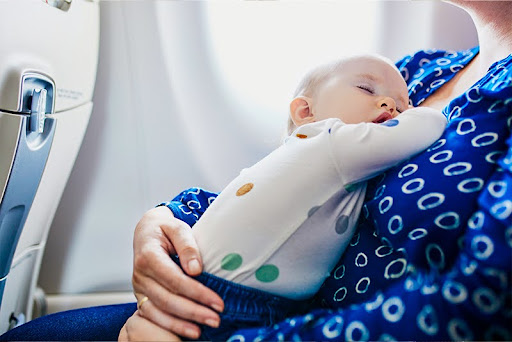
Newborn motor activity during wake periods is brief, uneven, and driven by reflexes, stretching, and early body control.
Newborn motor activity during wake periods can look random at first, but each wiggle has meaning. As a pediatric health writer, I view these small movements as early practice for strength, balance, and coordination. This guide explains what to expect, how to support safe movement, and when a movement pattern needs medical advice.
What Newborn Motor Activity During Wake Periods Looks Like
Newborns do not move like older babies. Their brains and muscles are still learning to work together. Because of this, newborn motor activity during wake periods may seem jerky, sudden, or poorly controlled.
A healthy newborn may:
• Stretch both arms and legs
• Wave the arms near the face
• Kick in short bursts
• Open and close the hands
• Turn the head from side to side
• Make small facial movements
• Bring hands toward the mouth
• Briefly lift the head during tummy time
• Startle after a loud sound or sudden movement
• Tighten the body when crying
These actions often come and go. A baby may move a lot for one minute, then pause and rest. This pattern is normal because newborns tire quickly.
Newborn motor activity during wake periods is also affected by hunger, sleepiness, temperature, noise, and emotional state. A calm baby may stretch and look around. A hungry baby may move the arms, root, and fuss. A tired baby may jerk, arch, or rub the face.

Why Newborns Move in Jerky and Uneven Ways
A newborn’s nervous system is still developing. The brain sends signals to the muscles, but those signals are not yet smooth. Think of it as a new musician learning a song. The notes are present, but the timing is not perfect.
Reflexes also shape newborn motor activity during wake periods. Reflexes are automatic movements that help babies respond to the world. Common newborn reflexes include:
• Moro reflex: The baby spreads the arms, opens the hands, and may cry after a sudden sound or loss of support.
• Rooting reflex: The baby turns toward a touch near the cheek or mouth.
• Sucking reflex: The baby begins to suck when something touches the roof of the mouth.
• Palmar grasp: The baby closes the fingers around an object placed in the palm.
• Stepping reflex: The baby may make stepping motions when held upright with the feet touching a firm surface.
These reflexes are not signs of deliberate exercise. They are early nervous system responses. Most change or fade as voluntary control improves during the first months.
Newborn motor activity during wake periods may also increase when the baby is excited. A baby who sees a parent’s face may kick, wave the arms, or wiggle the whole body. These movements are early forms of social and emotional expression.
Typical Movement by Age
Every baby develops at a different pace. The ranges below describe common patterns, not strict deadlines.
Birth to 2 weeks
During the first days, movement is often curled and flexed. The arms and legs may stay close to the body. Newborn motor activity during wake periods is usually brief because feeding and sleep take up much of the day.
You may notice:
• Short stretches of the arms and legs
• Frequent hand-to-mouth movements
• Head turning from side to side
• Strong startle responses
• Brief attempts to lift the head when held or placed on the stomach
2 to 4 weeks
Many babies begin to spend a little more time alert. They may stare at faces, respond to voices, and move more when interested.
Newborn motor activity during wake periods may include more kicking and longer periods with the arms partly open. Head control is still weak, so the head needs full support.
1 to 2 months
The movements may slowly look less random. The baby may hold the head up for a few seconds during tummy time and move the arms more symmetrically.
The Centers for Disease Control and Prevention notes that developmental milestones describe skills most children can do by a certain age. Milestones are useful guides, but they are not tests that every child passes on the same day.

The Role of Tummy Time
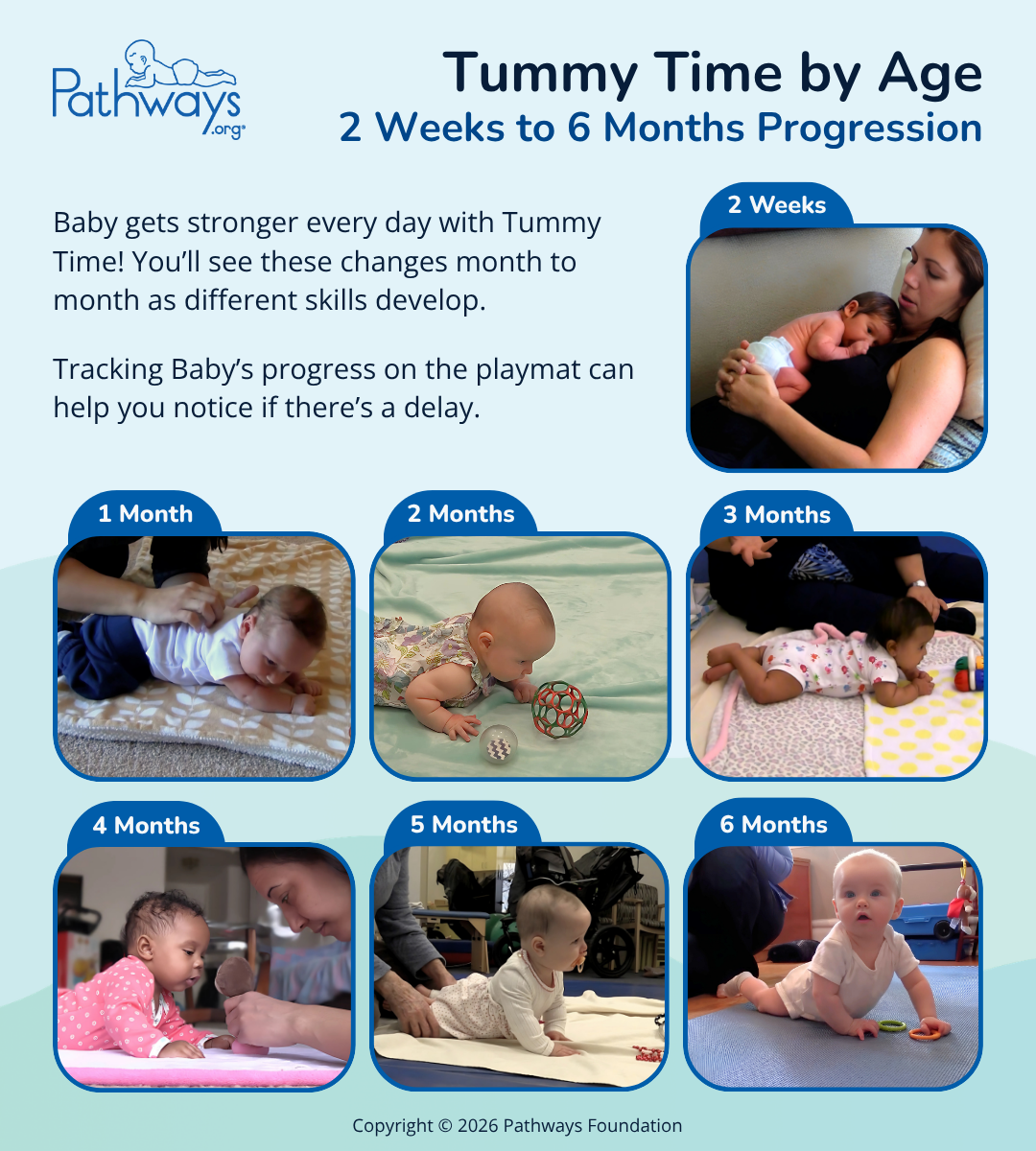
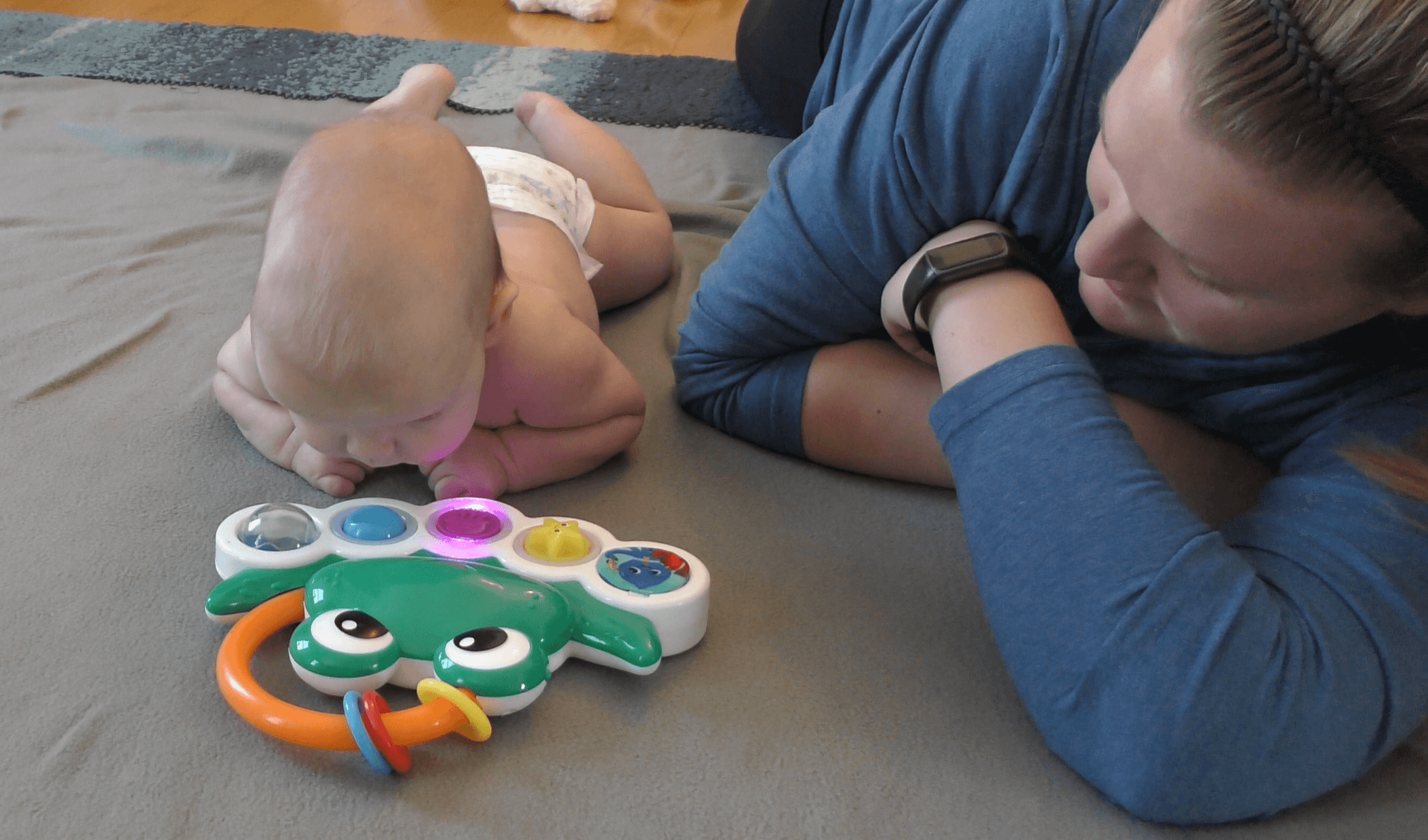
Tummy time means placing an awake and supervised baby on the stomach. It helps build strength in the neck, shoulders, arms, and upper back. These muscles later support rolling, sitting, crawling, and other skills.
The American Academy of Pediatrics recommends starting tummy time soon after coming home from the hospital, when the baby is awake and supervised. Begin with short sessions, such as one to two minutes, several times each day. Increase the total time slowly as the baby becomes more comfortable.
Helpful tummy time ideas include:
• Place the baby on your chest while you recline.
• Put a small rolled towel under the chest for support.
• Lie face-to-face with the baby on a firm floor.
• Use a soft, simple toy near eye level.
• Stop when the baby becomes very tired or upset.
Newborn motor activity during wake periods may look different on the floor than in your arms. On the floor, the baby can press against the surface and practice lifting the head. In your arms, the baby may relax more and show fewer active movements.
Always place a baby on the back for sleep. Tummy time is only for awake periods with close supervision. Never leave a baby alone on a bed, couch, pillow, or adult chest.
How to Support Healthy Newborn Movement
You do not need special equipment to encourage newborn motor activity during wake periods. Your face, voice, and gentle touch offer plenty of stimulation.
Try these simple activities:
-
Give the baby daily floor time on a firm, safe surface.
-
Change the baby’s position while awake, such as holding upright, carrying across the body, and using supervised tummy time.
-
Talk and sing to the baby from different sides to encourage head turning.
-
Place safe visual objects near the baby, but not too far away.
-
Allow free movement instead of keeping the baby in a swing, seat, or carrier for long periods.
-
Watch the baby’s cues and pause when the baby looks tired or overwhelmed.
-
Support the head and neck during every lift, transfer, and hold.
A common mistake is trying to make a newborn “work out.” Newborns do not need forced stretches or repeated exercises unless a health professional recommends them. Gentle, playful movement is enough.
In hands-on infant care, one lesson becomes clear: the best activity is often simply giving a baby time and space to move. Parents sometimes worry that a quiet baby is not active enough, but alert observation matters more than constant motion.
What Changes Newborn Motor Activity During Wake Periods?
Movement can change from hour to hour. This does not always mean something is wrong.
Feeding and hunger
A hungry baby may root, suck the hands, wave the arms, or move the legs. These early hunger signs often appear before crying.
Sleepiness
A tired baby may move less smoothly. The baby may jerk the arms, rub the face, arch the back, or become fussy. These signs mean the baby may need a break and sleep.
Crying
Crying can produce strong whole-body movement. The baby may stiffen the legs, clench the fists, and pull the arms inward. Once calm, the movement should usually become more relaxed.
Temperature and clothing
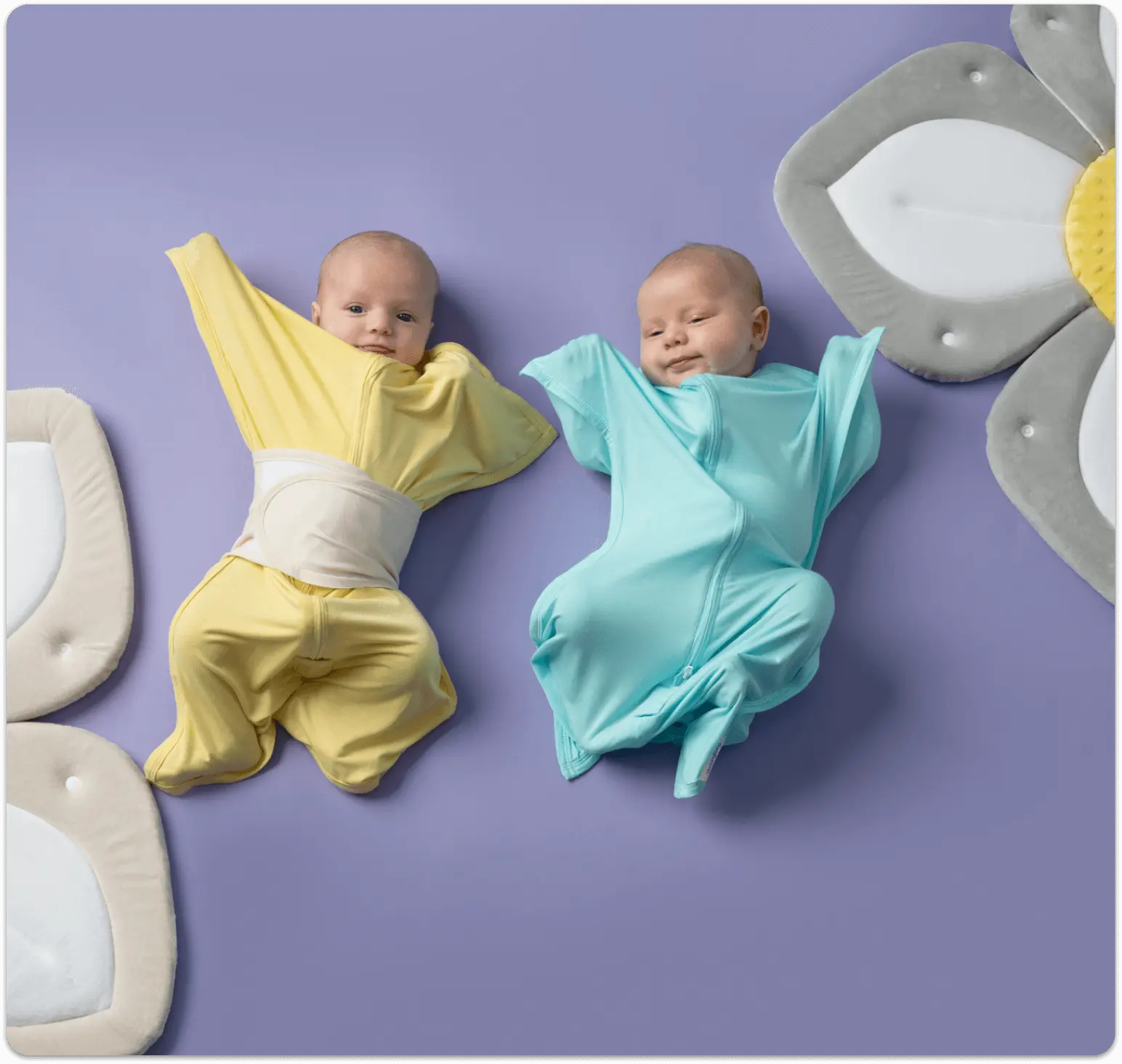
Too many layers can make movement harder. Tight clothing can also limit leg and arm motion. Dress the baby comfortably and check the chest or back for warmth.
Medical and developmental factors
Premature babies may follow a different timeline. Their care team may use corrected age when reviewing development. Babies with illness, low muscle tone, high muscle tone, or birth complications may also show different movement patterns.
Newborn motor activity during wake periods should be judged as a whole pattern. One unusual movement is less important than repeated changes in strength, symmetry, alertness, or feeding.

Symmetry, Muscle Tone, and Movement Quality
Parents often ask whether a newborn should move both sides of the body equally. Newborn movement does not need to be perfectly even every second. A baby may turn the head to one side or keep one hand closed for a short time.
Still, regular asymmetry deserves attention. Contact a pediatrician if the baby repeatedly:
• Moves one arm or leg much less than the other
• Keeps one side of the body stiff
• Uses one hand far more than the other in the newborn period
• Shows a persistent head turn in one direction
• Seems unusually floppy or difficult to move
• Remains very stiff during calm periods
• Has repeated rhythmic jerking that does not stop when gently held
Muscle tone means the natural tension in the muscles. Low tone can make a baby seem floppy. High tone can make the body feel unusually tight. Only a trained clinician can assess muscle tone accurately.
Newborn motor activity during wake periods may also change after a difficult birth or illness. Share your observations with the baby’s doctor rather than trying to diagnose the cause at home.

When Newborn Movements May Need Urgent Care
Most newborn movement is harmless. However, some signs need prompt medical attention.
Seek urgent medical help if a newborn has:
• Repeated seizure-like movements
• Rhythmic jerking that continues despite gentle touch
• A sudden loss of movement in an arm or leg
• Severe stiffness or extreme floppiness
• Trouble breathing or blue, gray, or pale skin
• Poor feeding with unusual sleepiness
• A fever of 100.4°F (38°C) or higher in a baby younger than 3 months
• A sudden major change in behavior or alertness
If you are unsure, record a short video of the movement, if it is safe to do so. Note when it began, how long it lasted, whether the baby was awake, and whether touch changed it. This information can help the pediatrician.
Do not shake, restrain, or force the baby’s limbs during an unusual episode. Keep the baby in a safe position and seek medical guidance.
Common Mistakes to Avoid
Well-meaning adults can sometimes make newborn motor activity during wake periods harder by adding too much stimulation.
Avoid these common mistakes:
• Comparing a newborn with another baby of the same age
• Expecting steady movement during every wake period
• Using walkers, jumpers, or exercise devices with a newborn
• Pulling the baby by the hands to help with sitting or standing
• Stretching the arms or legs forcefully
• Placing toys far away to make the baby reach
• Keeping the baby in containers for most of the day
• Using tummy time when the baby is asleep or unsupervised
• Ignoring a parent’s concern because “all newborns are different”
Variation is normal, but concerns still deserve respect. A pediatrician can offer reassurance or arrange an assessment. Asking early is not overreacting.

A Simple Wake Period Routine
A newborn wake period may last only 30 to 60 minutes, though timing varies. Feeding, burping, diaper changes, and quiet contact often use most of that time.
A gentle routine may look like this:
-
Feed the baby and allow time for burping.
-
Change the diaper and check that clothing is comfortable.
-
Hold the baby close and talk softly.
-
Offer one to three minutes of supervised tummy time.
-
Let the baby lie on the back and move freely while awake.
-
Stop when the baby shows tired signs.
Signs of tiredness include yawning, staring away, jerky movements, fussing, red eyebrows, and difficulty settling. Ending the activity early is not a failure. Rest is part of development.
Newborn motor activity during wake periods should fit the baby’s energy level. Some days bring more kicking and stretching. Other days are quieter, especially after poor sleep, a growth spurt, or a busy medical visit.
Frequently Asked Questions About Newborn Motor Activity During Wake Periods
Is jerky movement normal in a newborn?
Yes, brief jerky movements are often normal because the nervous system is still developing. They commonly happen during stretching, startling, crying, or falling asleep.
How much should a newborn move while awake?
There is no exact number of movements that every newborn should make. Look for periods of alertness, some spontaneous movement on both sides, and changes in activity based on feeding, comfort, and tiredness.
Should I exercise my newborn?
Newborns do not need formal exercise. Safe floor time, supervised tummy time, gentle carrying, and free movement are usually enough unless a health professional recommends specific therapy.
Why does my newborn kick and wave the arms?
Kicking and arm waving can reflect normal excitement, hunger, stretching, or reflex activity. If the movement is constant, one-sided, painful-looking, or linked with breathing or feeding problems, contact a pediatrician.
How long should tummy time last?
Start with short sessions of about one to two minutes, several times each day. Increase the time gradually as the baby becomes stronger and more comfortable, while always supervising closely.
Is it normal for a newborn to favor one side?
A newborn may briefly turn the head or move more on one side. Persistent favoring, limited movement on one side, or a head that is always turned one way should be discussed with a pediatrician.
When should I worry about newborn movements?
Seek medical advice for repeated seizure-like movements, marked stiffness, extreme floppiness, loss of movement, breathing changes, poor feeding, or a major change in alertness. Trust your instincts and describe what you see clearly.
Conclusion
Newborn motor activity during wake periods is often small, sudden, and uneven. Stretching, kicking, startle responses, hand movements, and short head lifts are common parts of early development. Tummy time, safe floor play, gentle interaction, and close observation can support healthy progress.
Focus on the baby’s overall pattern rather than one isolated movement. Give your newborn time to rest, move, and grow at an individual pace. If a movement seems unusual or your concern persists, contact the pediatrician and share a clear description or video. Explore trusted infant development resources, and leave a comment with your questions or experiences.