Newborn musculoskeletal development begins with flexible bones, developing muscles, and movement shaped by growth and daily care.
Newborn musculoskeletal development is a complex process that starts before birth and continues rapidly during the first year. A baby’s bones are softer than an adult’s, joints are naturally flexible, and muscle control develops step by step. Understanding these changes helps parents recognize normal movement, support safe growth, and spot signs that need medical attention.
What Is Newborn Musculoskeletal Development?
Newborn musculoskeletal development describes how a baby’s bones, joints, muscles, tendons, ligaments, and connective tissues grow and work together. These body parts form the framework that supports posture, movement, breathing, feeding, and later skills such as rolling, sitting, crawling, and walking.
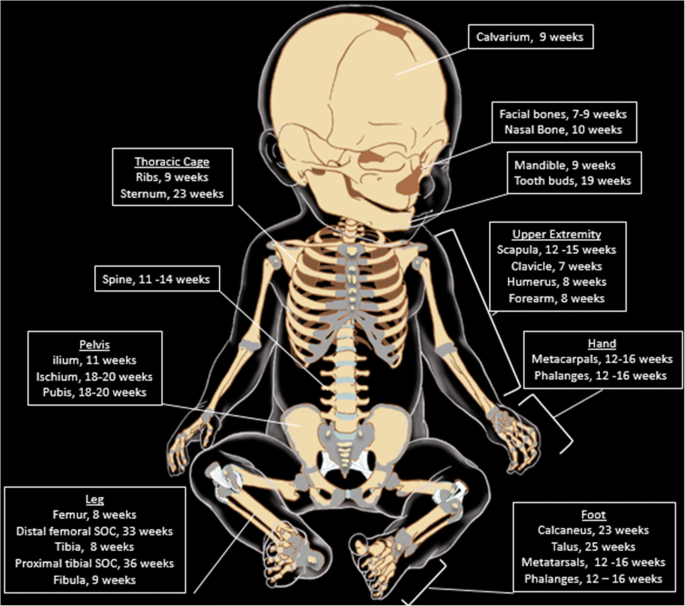
At birth, this system is still immature. Much of a newborn’s skeleton contains cartilage, which is softer and more flexible than mature bone. Over time, cartilage changes into stronger bone through a natural process called ossification.
Newborn musculoskeletal development is not only about bone size. It also includes:
• Muscle strength and tone
• Joint range of motion
• Spinal alignment
• Hip stability
• Hand and foot position
• Head and neck control
• Coordination between the brain, nerves, and muscles
A newborn may look small and delicate, but the body is already well prepared for early movement. Flexibility helps the baby pass through birth and adapt to life outside the womb.

How a Newborn’s Bones Differ From Adult Bones
Newborn bones are not simply smaller versions of adult bones. They have a different structure and contain more cartilage. This gives them flexibility but also makes them more sensitive to pressure, poor positioning, and injury.
The skull is one of the clearest examples. A newborn’s skull contains several plates that have not fully joined. Soft areas called fontanelles allow the brain to grow quickly during infancy. The larger fontanelle at the top of the head may remain open until roughly 9 to 18 months, although normal timing varies.
The bones of the chest are also flexible. This flexibility supports breathing but means that forceful handling can cause harm. A baby should always be lifted with support under the head, neck, and body.
Bone growth occurs at special areas called growth plates. These regions help long bones grow in length. Because growth plates are still active throughout childhood, repeated stress or injury deserves medical assessment.
Important features of newborn bones include:
• Greater flexibility than adult bones
• Higher cartilage content
• Open growth plates
• Incomplete fusion of some skull bones
• Rapid changes during the first year
• Sensitivity to forceful movement or pressure
The soft nature of infant bones is normal. It does not mean parents must avoid touching or handling their baby. Gentle care, supported positions, and normal movement are usually safe.

Muscle Tone and Movement in Newborns
Muscle tone means the mild tension present in a muscle when it is at rest. Newborns usually have flexor tone, so their arms and legs often stay bent. This posture reflects their time in the womb and the early stage of nervous system development.
A healthy newborn may:
• Keep the elbows bent
• Hold the hands near the face
• Bend the knees and hips
• Move both sides of the body
• Make jerky or unplanned movements
• Briefly lift or turn the head
These movements are not yet smooth. The brain is still learning how to control each muscle group. Newborn musculoskeletal development depends on close communication between the brain, spinal cord, nerves, and muscles.
Some movements can look surprising. Startle movements, brief tremors during crying, and uneven leg motions may occur in healthy babies. However, persistent stiffness, extreme floppiness, or a clear difference between the two sides should be discussed with a pediatrician.
Muscle tone often changes as infants mature:
• In the first weeks, movements are mostly reflexive.
• By about 2 months, babies often move their arms and legs more actively.
• By about 4 months, many babies gain better head control.
• Around 6 months, many can sit with support or begin sitting alone.
• Later, they use stronger trunk, hip, and leg muscles for crawling and standing.
These time frames are broad ranges, not strict deadlines. Premature babies may reach milestones according to their corrected age.

The Role of Reflexes in Early Musculoskeletal Development
Reflexes are automatic movements controlled by the developing nervous system. They help protect the baby and provide early clues about brain and muscle function.
Common newborn reflexes include:
• Moro reflex: The baby spreads the arms after a sudden sound or movement, then brings them inward.
• Rooting reflex: The baby turns toward a touch near the mouth.
• Sucking reflex: The baby sucks when the roof of the mouth is stimulated.
• Palmar grasp: The baby closes the fingers around an object placed in the palm.
• Plantar grasp: The toes curl when the sole of the foot is touched.
• Stepping reflex: The baby may make stepping motions when held upright with the feet touching a firm surface.
Many early reflexes fade as voluntary control improves. The Moro reflex often becomes less noticeable by about 4 to 6 months. A pediatric clinician checks reflexes during routine visits because unusual, absent, or strongly unequal responses may provide useful information.
Reflexes are part of newborn musculoskeletal development, but they are not the same as purposeful movement. A baby who steps during a reflex is not ready to walk. Safe support and supervised floor play remain more useful than trying to train walking early.
Newborn Hip Development
Hip development is a major part of newborn musculoskeletal development. The hip is a ball-and-socket joint, with the top of the thigh bone fitting into a cup-shaped part of the pelvis.
Some babies are born with developmental dysplasia of the hip, often called DDH. In DDH, the hip joint is loose, shallow, or partly dislocated. It may affect one or both hips.
Risk factors may include:
• Breech position late in pregnancy
• A close family history of hip dysplasia
• Female sex
• Tight swaddling around the hips and legs
• Certain connective tissue conditions
A newborn hip exam may include gentle maneuvers performed by a trained clinician. Some babies also need ultrasound imaging, especially when risk factors are present or the exam is unclear.
Parents should not try to test hip stability at home. Forceful opening or rotating of a baby’s legs can cause pain or injury. Instead, seek medical advice if one leg appears shorter, one hip moves differently, or the legs do not open evenly during diaper changes.
Healthy hip positioning allows the hips to bend and spread naturally. When swaddling, keep enough room for the legs to bend upward and outward. The International Hip Dysplasia Institute and pediatric health organizations advise against tight wrapping that presses the legs together and straightens them.

Spine, Neck, and Head Control
The newborn spine is flexible and still developing. The natural curves seen in an adult spine become more defined as the baby gains head, trunk, and walking control.
A newborn’s neck muscles are weak. This is why the head must be supported whenever the baby is lifted, carried, or moved. Head lag is common in the early weeks, but head control should gradually improve.
Tummy time is one of the simplest ways to support newborn musculoskeletal development. While awake and watched closely, a baby can spend short periods on the stomach. This builds strength in the neck, shoulders, back, and arms.
A practical approach is to:
- Start with one to two minutes at a time.
- Repeat several times each day.
- Place the baby on your chest or lap if floor tummy time is difficult.
- Stop if the baby becomes very upset or tired.
- Increase the time slowly as strength improves.
Tummy time must always be supervised. Babies should sleep on their backs on a firm, flat surface. Stomach sleeping is not a safe substitute for supervised awake play.
Avoid using devices that hold a baby upright for long periods before the baby is ready. Excess time in swings, seats, and containers may limit free movement. These products can be useful for short, supervised periods, but they should not replace floor play and caregiver interaction.

How Daily Care Supports Newborn Musculoskeletal Development
Everyday care can support healthy movement without special equipment. Babies learn through small, repeated experiences, much like a plant grows through steady light and water.
Helpful habits include:
• Carry the baby with the head, neck, and trunk supported.
• Change the baby’s position during awake periods.
• Offer supervised tummy time every day.
• Let the baby move freely on a safe floor space.
• Use clothing that does not restrict the hips or legs.
• Hold toys where the baby can look and reach toward them.
• Alternate the side used for feeding and carrying when comfortable.
• Limit long periods in car seats, swings, and bouncers outside their intended use.
Swaddling may calm some newborns, but it must be done safely. Place the baby on the back for sleep. Keep the chest loose enough for easy breathing, and leave room for the hips and knees to bend.
Stop swaddling when the baby shows signs of trying to roll. At that stage, a wearable blanket that leaves the arms free is safer. Weighted swaddles and weighted sleep products may pose breathing risks and should be avoided unless a qualified clinician gives specific advice.
A common mistake is trying to stretch a newborn’s arms or legs into a preferred position. Gentle movement is fine, but forcing a joint can cause pain. Newborn musculoskeletal development follows its own pace and does not need aggressive exercises.

Nutrition and Bone Health
Nutrition supports both bone growth and muscle function. Human milk or iron-fortified infant formula provides the main nutrition for most babies during the first months of life.
Vitamin D is important for bone health. The American Academy of Pediatrics recommends that breastfed and partly breastfed infants receive 400 international units of vitamin D each day, beginning soon after birth. Some formula-fed babies may also need supplementation if they do not drink enough fortified formula.
Parents should ask a pediatrician before starting supplements. The correct product and dose matter, and more is not always better.
Later in infancy, iron, protein, calcium, and other nutrients support ongoing growth. Solid foods are usually introduced around 6 months when a baby shows readiness signs, such as sitting with support and controlling the head. Solid foods should complement, not immediately replace, breast milk or formula.
Poor nutrition is not the only concern. Excessive supplementation can also be harmful. This is one reason personalized advice from a pediatric clinician is safer than choosing high-dose products based on online claims.
Premature Infants and Corrected Age
Premature babies may show a different pattern of newborn musculoskeletal development. Their muscles may have less tone, and they may need more time to develop head control, strength, and coordinated movement.
Healthcare professionals often use corrected age when assessing development. Corrected age is calculated by subtracting the number of weeks born early from the baby’s actual age.
For example, if a baby is 12 weeks old but was born 6 weeks early, the corrected age is about 6 weeks. This helps clinicians compare development more fairly.
Premature infants may benefit from:
• A follow-up plan with the pediatrician
• Physical or occupational therapy when recommended
• Positioning guidance from a neonatal team
• Careful monitoring of feeding and growth
• Extra support for head and trunk control
There is a wide range of normal development. Still, early support can make a meaningful difference when a delay or movement concern is identified.
Signs That May Need Medical Attention
Most newborn movements are normal, but some signs deserve prompt medical advice. The goal is not to create fear. It is to help parents act early when something does not seem right.
Contact a pediatrician if a newborn:
• Moves one arm or leg much less than the other
• Keeps one limb in an unusual position
• Has very stiff or very floppy muscles
• Shows repeated shaking that does not stop when held
• Has poor head control beyond the expected age range
• Cries sharply during ordinary handling or movement
• Has a leg that looks shorter than the other
• Has hips that do not move evenly
• Does not use both sides of the body over time
• Loses a skill already gained
Seek urgent care for a serious fall, a suspected fracture, breathing trouble, blue or gray skin, or a baby who is difficult to wake.
A single unusual movement does not always signal a disorder. Clinicians look at the full picture, including feeding, alertness, muscle tone, reflexes, growth, and movement over time.
Keeping short notes or videos can help. Record the date, what happened, how long it lasted, and whether the baby was awake, crying, or feeding. Never delay urgent care while trying to record a video.
Conditions Related to Newborn Musculoskeletal Development
Several conditions can affect the bones, joints, or muscles in early life. Some are present at birth, while others become easier to notice as movement develops.
Examples include:
Developmental dysplasia of the hip
The hip joint may be shallow or unstable. Early treatment is often simpler than treatment later in childhood, which is why screening matters.
Congenital muscular torticollis
A baby may hold the head tilted to one side because a neck muscle is tight or shortened. Early physical therapy can improve movement and reduce the risk of a flat area developing on the head.
Clubfoot
Clubfoot is a foot position present at birth. The foot points downward and inward, but it can often be treated successfully with stretching, casting, bracing, or a combination of these methods.
Osteogenesis imperfecta
This rare genetic condition makes bones more fragile. It requires specialized care and careful handling.
Neuromuscular disorders
Conditions affecting nerves or muscles may cause weakness, low tone, feeding difficulty, or delayed motor skills. Evaluation may involve pediatric neurology, genetics, physical therapy, or other specialists.
These conditions vary widely. A parent should not diagnose a problem by comparing a baby with photos or videos online. A trained clinician can assess movement safely and order tests when needed.
What Parents Can Learn From Routine Checkups
Well-child visits provide more than weight and length checks. They also give clinicians a chance to monitor newborn musculoskeletal development over time.
During an exam, a clinician may assess:
• Muscle tone
• Reflexes
• Head control
• Symmetry of movement
• Hip stability
• Spine and limb position
• Growth and nutrition
• Age-appropriate motor skills
The pattern over time is often more useful than one isolated observation. For example, a baby may have weak head control at an early visit but show clear improvement several weeks later.
Parents can prepare by sharing questions and observations. Helpful details include when the concern began, whether it occurs during feeding or sleep, and whether the baby moves differently when calm.
A practical lesson for families is to avoid comparing babies too closely. Developmental charts show broad ranges. They are guides, not pass-or-fail tests.
Common Mistakes to Avoid
Newborn musculoskeletal development is supported best by gentle care and patience. Some well-meant habits can create avoidable problems.
Avoid these mistakes:
• Pulling a baby up by the arms
• Lifting without supporting the head and neck
• Tight swaddling that keeps the legs straight and together
• Forcing a stiff limb into a new position
• Using walkers or standing devices too early
• Leaving a baby unattended on a bed, sofa, or changing table
• Keeping a baby in a container for most of the day
• Delaying care because a concern seems small
• Giving supplements without professional advice
A useful rule is simple: support, do not force. Let the baby move within a safe range, and allow strength and coordination to build naturally.
Frequently Asked Questions About Newborn Musculoskeletal Development
When does newborn musculoskeletal development begin?
It begins before birth as the bones, muscles, joints, and connective tissues form in the womb. Rapid changes continue after birth as the baby gains strength, control, and coordinated movement.
Why are newborn babies so flexible?
Newborns have more cartilage and softer connective tissues than adults. This flexibility supports birth and early growth, but it also means babies need gentle handling and proper positioning.
Is it normal for a newborn to have bent arms and legs?
Yes. Newborns often keep their arms and legs bent because of normal flexor tone and their position in the womb. Movement should gradually become more active and controlled over the first months.
How can parents support newborn musculoskeletal development?
Provide supervised tummy time while the baby is awake, allow free movement on a safe floor, support the head and neck, and avoid tight swaddling around the hips. Regular pediatric visits also help track development.
When should a baby’s hip development be checked?
Hip development is checked during routine newborn and infant exams. Babies with breech positioning, a family history of hip dysplasia, or an unusual hip exam may need an ultrasound or specialist review.
Is tummy time safe for a newborn?
Yes, tummy time is safe when the baby is awake and watched closely. Babies should sleep on their backs, while tummy time should happen during short, supervised play periods.
Do premature babies develop movement skills later?
They may, especially when judged by their actual birth date. Clinicians often use corrected age for premature babies, which gives a more accurate view of early motor development.
Can parents stretch a newborn’s arms and legs?
Gentle movement during dressing and care is usually fine, but parents should not force a joint or perform exercises without guidance. Pain, resistance, or a major difference between sides should be discussed with a clinician.
Conclusion
Newborn musculoskeletal development involves much more than growing bones. It includes muscle tone, joint stability, reflexes, posture, head control, hip health, and the gradual shift from reflexive movement to purposeful action.
Parents can help through safe handling, daily supervised tummy time, free movement, healthy nutrition, hip-friendly swaddling, and regular checkups. Most babies develop across a wide and healthy range, but early medical advice is valuable when movement seems painful, stiff, floppy, or uneven.
Watch your baby with patience, support each new skill, and trust your concerns when something feels different. Explore guidance from your pediatric healthcare team, and share this article with another parent who wants to understand healthy newborn development.