Baby sleep associations and routines help babies feel safe, calm, and ready for sleep while supporting healthy rest.
Sleep can feel like a puzzle in the first year. One night, your baby sleeps after nursing. The next night, they need rocking, a pacifier, or your hand on their back. Understanding baby sleep associations and routines can make these changes easier to understand and manage. This guide explains what they are, which habits are helpful, how to build a gentle routine, and when to seek help.
What Are Baby Sleep Associations?
A sleep association is something your baby connects with falling asleep. It may be a person, action, sound, object, or setting. Babies often look for the same cue when they wake between sleep cycles.
Common baby sleep associations include:
• Nursing or taking a bottle
• Being rocked, bounced, or held
• Using a pacifier
• Hearing white noise
• Holding a small blanket or toy
• Feeling a parent’s touch
• Sleeping in a dark room
• Following the same bedtime steps
Sleep associations are not automatically bad. In fact, they can comfort a baby and make bedtime feel safe. The main question is whether the association works well for your family.
For example, a baby who falls asleep while being rocked may sleep peacefully. However, if that baby wakes every hour and needs the same rocking each time, the association may become tiring for the parent.
Babies also have short sleep cycles. They may stir, grunt, or open their eyes without fully waking. A familiar cue can help them settle again. This is one reason baby sleep associations and routines often work together.
A routine tells your baby what comes next. An association helps your baby move into sleep. Think of the routine as a path and the association as the final step on that path.
Why Sleep Associations Develop
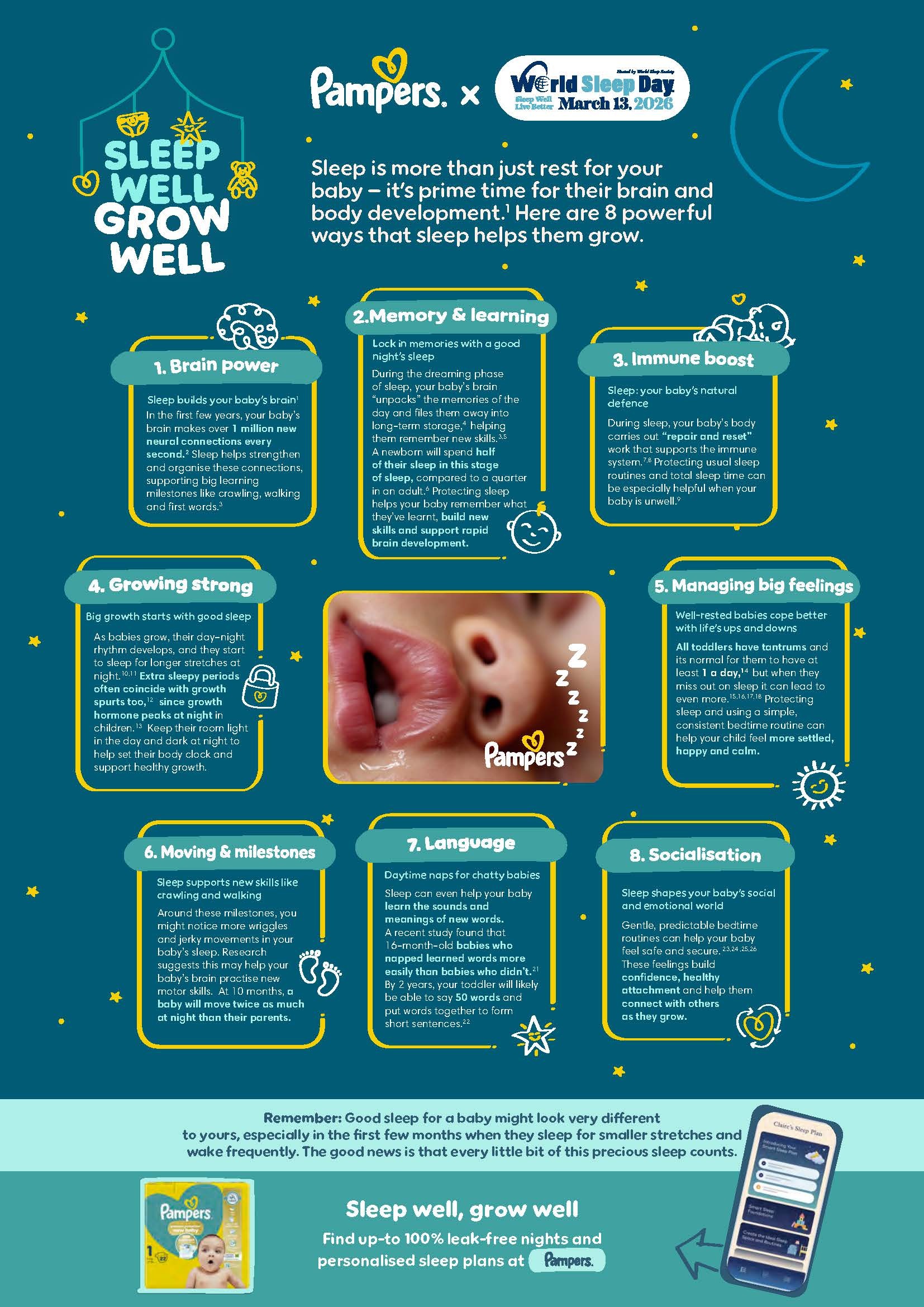
Sleep associations develop through repetition. When a baby falls asleep in the same way many times, the brain begins to link that cue with sleep.
This process is normal learning. Babies do not create these habits to make bedtime difficult. Their brains are still developing, and familiar patterns help them feel secure.
Several factors can shape baby sleep associations and routines:
• Age and development
• Feeding needs
• Temperament
• Daytime naps
• Light and noise
• Illness or teething
• Family culture and caregiving style
• Changes in the home
Newborns often need close contact, frequent feeds, and help settling. Their body clocks are not mature yet, so a strict schedule may not work. By about 3 to 4 months, many babies begin to show more regular sleep patterns, although every baby develops at a different pace.
A baby may also form a stronger sleep association during a growth spurt, travel, illness, or a move. This does not mean you have created a problem. It means your baby found comfort during a time of change.
In my experience, parents often worry that one bedtime habit will last forever. Most habits can change over time, especially when changes are gradual and consistent. A calm plan is usually more helpful than trying to fix everything in one night.

Helpful and challenging Sleep Associations
Some sleep associations are easy for a baby to use without help. Others require a parent each time the baby wakes. Neither type is morally right or wrong, but they affect family sleep in different ways.
Helpful associations may include:
• A short lullaby
• A dim and quiet room
• A consistent sleep sack
• A brief cuddle before placing the baby down
• White noise played at a safe volume
• A simple bedtime phrase
These cues are often easy to repeat at bedtime and during night wakings. They can also help babies understand that sleep time is near.
More demanding associations may include:
• Nursing to sleep at every waking
• Rocking for a long time
• Walking with the baby until they are fully asleep
• Holding the baby for every nap
• Replacing a pacifier many times each night
Again, these habits are not harmful by themselves. Feeding, holding, and rocking can be meaningful parts of care. The concern begins when the pattern leaves a parent exhausted or prevents the baby from getting enough sleep.
Baby sleep associations and routines should serve your family. If nursing to sleep works well and everyone rests, there may be no reason to change it. If you feel trapped by the pattern, you can slowly add other sleep cues.
 challenging Sleep Associations”
style=”max-width: 100%; height: auto; border: 2px solid black; border-radius: 10px; display: block; margin: 0 auto;”
loading=”lazy”
/>
Baby Sleep Associations and Routines by Age
Sleep needs change quickly during the first year. A routine that works for a newborn may not suit a 7-month-old. Flexibility matters more than perfect timing.
Newborns from birth to about 3 months
Newborns usually sleep in short periods throughout the day and night. They need frequent feeds, and many fall asleep while feeding or being held.
At this age, focus on:
• Safe sleep
• Feeding on demand
• Day and night light cues
• Short, calm wind-down steps
• Learning early tired signs
Do not expect a newborn to follow a strict clock-based schedule. A simple routine may be enough: feed, burp, change, cuddle, and sleep.
Babies from about 3 to 6 months
Many babies begin to develop a clearer day-night pattern during this stage. Some can settle with less help, while others still need feeding or soothing at night.
You can begin using the same short sequence before naps and bedtime. For example, lower the lights, change the diaper, put on a sleep sack, read one short book, and sing a song.
Babies from about 6 to 12 months
Older babies often respond well to a predictable routine. They may also experience separation anxiety, teething, crawling, or new motor skills that affect sleep.
At this stage, parents may choose to reduce a demanding sleep association. This can be done gently by shortening rocking time, placing the baby down more awake, or offering touch instead of feeding when feeding is not needed.
These age ranges are general. Premature babies, babies with medical needs, and babies with feeding concerns may follow a different pattern. Ask your pediatrician for advice when your baby’s needs are unique.
How to Build a Gentle Bedtime Routine
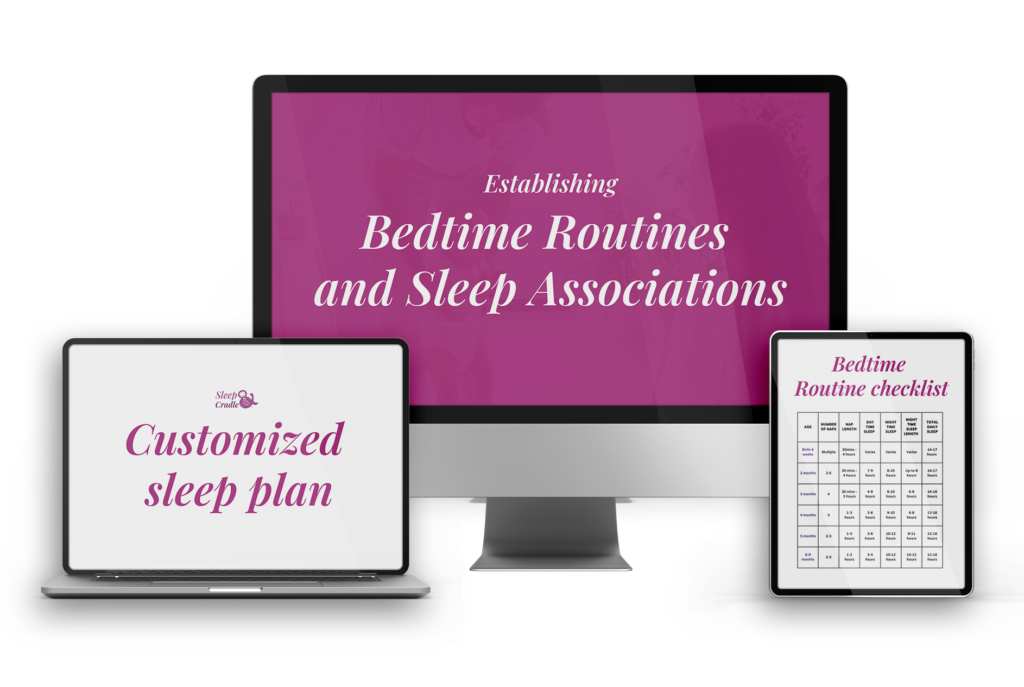
A bedtime routine does not need to be long. Many babies respond well to a routine that lasts 15 to 30 minutes.
Try these steps:
-
Dim the lights and lower household noise.
-
Offer a feed if your baby is hungry.
-
Change the diaper and put on comfortable sleep clothing.
-
Read a short book or sing a quiet song.
-
Use the same phrase, such as “It is time to sleep.”
-
Place your baby in a safe sleep space.
-
Offer a familiar final cue, such as a pacifier or gentle pat.
The order matters more than the exact activities. Repeating the same pattern helps your baby predict what comes next.
Keep the routine calm and boring. Bright screens, loud play, and rough movement can make it harder for some babies to settle. You do not need a silent home, but a lower level of stimulation can help.
A flexible routine is better than a rigid schedule. If your baby is very tired, shorten the routine. If your baby is calm and alert, take a few extra minutes for a cuddle.
Baby sleep associations and routines work best when they match your baby’s signals rather than forcing a perfect timetable.

Watch for Tired Signs
Timing is a key part of baby sleep associations and routines. A baby who is not tired may resist sleep. A baby who is overtired may cry, arch, or seem unusually active.
Early tired signs can include:
• Looking away
• Slower movements
• Less interest in toys
• Rubbing the eyes
• Yawning
• Becoming quiet
Late tired signs may include:
• Crying
• Fussing
• Clinging
• Stiff movements
• Difficulty calming down
Try starting the routine when you notice early signs. Over time, you may also learn your baby’s usual awake periods. These periods vary by age and by child, so they should guide you rather than control you.
One common mistake is waiting until a baby is very tired before starting bedtime. I have seen families spend 45 minutes trying to settle a baby who needed sleep 20 minutes earlier. Starting sooner often makes the whole process easier.

Safe Sleep Comes First
Comfort and safety must work together. The safest sleep space is a firm, flat surface with a fitted sheet and no loose items.
Follow these basic practices:
• Place your baby on their back for every sleep.
• Use a crib, bassinet, or portable play yard that meets current safety standards.
• Keep pillows, blankets, bumpers, and stuffed toys out of the sleep space.
• Share a room, but not a bed, when possible.
• Avoid sleep on couches, recliners, and adult beds.
• Stop swaddling when your baby shows signs of rolling.
• Keep the sleep space free from smoke and vaping exposure.
• Avoid products that claim to prevent Sudden Infant Death Syndrome or replace safe sleep practices.
A pacifier at sleep time may lower the risk of sleep-related infant death, but do not force it or attach it to clothing, cords, or stuffed items. If your baby is breastfed, many health professionals suggest waiting until feeding is well established before introducing a pacifier, unless your clinician advises otherwise.
Do not use weighted sleep sacks, weighted blankets, or inclined sleepers for infants. Ask your pediatrician about special sleep products, reflux concerns, or medical conditions.
Safe sleep guidance can change as new evidence develops. Use current advice from trusted pediatric health organizations and your child’s clinician.

When and How to Change a Sleep Association
You do not have to change a sleep association unless it no longer works for your family. If you want a change, start with one small step.
For example, if your baby always falls asleep while being rocked, try this plan:
-
Rock until your baby is calm but not fully asleep.
-
Place your baby down and keep a hand on their chest or back.
-
Use a quiet phrase or song.
-
Pick your baby up if needed, then try again.
-
Reduce the rocking by a small amount every few nights.
This process may take days or weeks. Progress is rarely perfectly steady. Illness, travel, teething, and developmental changes can cause temporary setbacks.
You can also replace one association with another. Instead of removing all comfort, add a song, sleep sack, or phrase before reducing rocking or feeding.
Some families use gradual methods. Others use more structured sleep teaching. Research suggests that several approaches can improve sleep for many families, but no single method fits every baby or parent. Your baby’s age, health, feeding needs, and temperament should guide your choice.
Do not use a method that feels unsafe or leaves you unable to respond to your baby’s needs. If crying feels overwhelming, place your baby safely in the crib and take a short break. Ask another adult for help when possible.
Common Mistakes to Avoid
Baby sleep associations and routines can become harder when parents try to change too many things at once.
Avoid these common mistakes:
• Expecting a young newborn to follow a strict schedule
• Keeping the baby awake too long to “make them tired”
• Changing the routine every night
• Removing every comfort cue at once
• Comparing your baby with a friend’s baby
• Ignoring hunger, illness, or discomfort
• Using unsafe sleep products
• Treating normal night waking as a failure
Night waking is normal for babies. Some babies wake because they need food, warmth, comfort, or help during a developmental change. A routine can support sleep, but it cannot guarantee uninterrupted sleep.
It is also easy to confuse a sleep association with a medical concern. Loud snoring, breathing pauses, poor weight gain, persistent vomiting, or extreme daytime sleepiness deserves medical advice.
A Sample Baby Sleep Routine
Here is a simple example for a baby who is ready for a predictable evening pattern:
• 6:30 p.m.: Feed
• 6:50 p.m.: Diaper change and pajamas
• 7:00 p.m.: Dim lights and read one short book
• 7:10 p.m.: Sing a song and use a sleep phrase
• 7:15 p.m.: Place the baby on their back in the crib
This is only a model. Your baby may need a different bedtime, another feed, or a shorter routine.
For naps, use a smaller version:
• Close the curtains
• Change the diaper
• Use the sleep sack
• Sing one song
• Place the baby in the crib
Short routines help babies connect the same cues with sleep without making every nap feel like a large event.
The most useful routine is one that parents can repeat. A simple routine used most days is usually better than a perfect routine that feels impossible to maintain.
How Parents Can Protect Their Own Sleep
Baby sleep affects the whole household. Supporting your baby does not mean ignoring your own exhaustion.
Consider these practical steps:
• Share night duties when possible.
• Prepare bottles or feeding supplies safely in advance.
• Rest during the day instead of using every nap for chores.
• Ask family or friends for specific help.
• Keep expectations realistic during the first year.
• Talk with your health care provider if you feel depressed, anxious, or unable to cope.
Sleep deprivation can affect mood, memory, and judgment. If you feel you might fall asleep while holding your baby, move the baby to a safe sleep surface as soon as possible. Avoid feeding or soothing on a couch or recliner when you are very tired.
One lesson many parents learn is that consistency does not mean doing everything alone. A shared plan can make baby sleep associations and routines easier to maintain.
Frequently Asked Questions About Baby Sleep Associations and Routines
Are sleep associations bad for babies?
No. Sleep associations are normal and can help babies feel calm and secure. They become challenging only when a baby needs a parent’s help at every sleep cycle and the pattern is exhausting for the family.
When should I start a baby bedtime routine?
You can use a simple calming pattern from the newborn stage. Keep it short at first, then make it more predictable as your baby’s day-night rhythm develops.
How do I break a baby’s sleep association?
Change one part of the pattern slowly. For example, reduce rocking time while adding a song, touch, or consistent phrase as a new sleep cue.
Should my baby fall asleep independently?
Independent sleep is not required for a healthy bond or a successful routine. Some families choose to encourage more independent settling, while others continue to offer feeding, holding, or rocking.
Is nursing to sleep a bad habit?
Nursing to sleep is a common and biologically normal way to help a baby settle. If it works for you, there may be no need to change it; if it causes exhaustion, you can gradually add other soothing cues.
Can a pacifier become a sleep association?
Yes, a pacifier can become a sleep association. It may soothe a baby, but some babies need help replacing it when it falls out until they can do so on their own.
What should I do if my baby wakes every hour?
First, check hunger, illness, discomfort, room conditions, and safe sleep practices. If frequent waking continues or affects feeding and growth, speak with your pediatrician or a qualified infant sleep professional.
Conclusion
Baby sleep associations and routines give babies familiar signals for rest. Feeding, rocking, touch, songs, darkness, and bedtime steps can all be useful when they fit your family and follow safe sleep guidance.
Start with one small, repeatable routine. Watch your baby’s tired signs, respond to real needs, and change demanding associations slowly if you need more rest. Share this guide with another parent, explore trusted pediatric resources, and leave a comment about the bedtime routine that works best in your home.