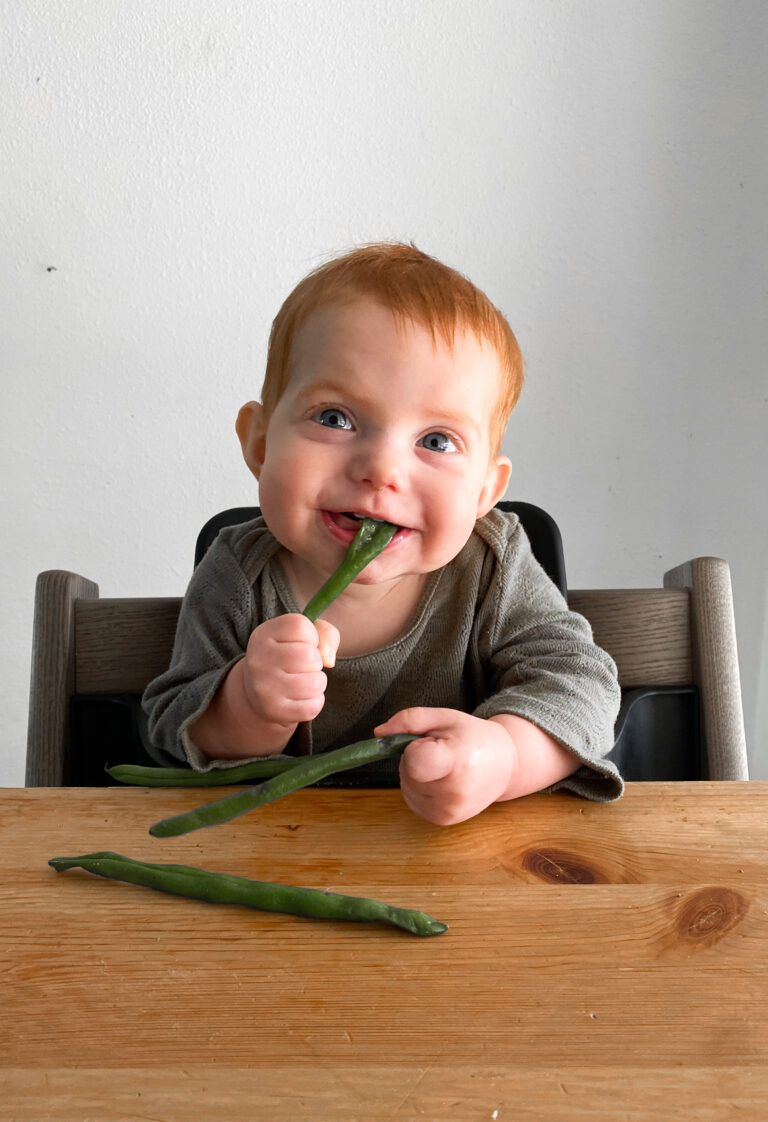
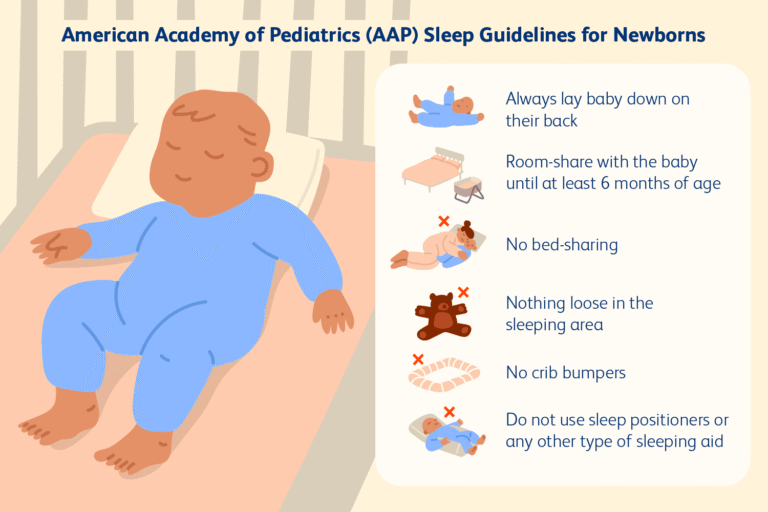
Baby feeding development from milk to solids begins with milk, then slowly adds safe textures, tastes, and family foods.
Baby feeding development from milk to solids is a gradual skill-building process, not a race. Babies must learn how to sit, grasp food, move it in the mouth, and swallow safely. This guide explains each stage, from breast milk or formula to finger foods and balanced family meals, using guidance from pediatric health experts and real-world feeding lessons.
Understanding Baby Feeding Development From Milk to Solids
During the first year, feeding changes in clear stages. Breast milk or infant formula meets most nutrition needs early on. Solid foods then add iron, flavor, texture, and practice.
Baby feeding development from milk to solids depends on more than age. Your baby’s posture, motor skills, interest in food, and ability to handle textures all matter.
Think of feeding like learning to walk. Milk provides the main fuel at first. Solid foods are the practice steps that help your baby grow new skills.
The American Academy of Pediatrics, the Centers for Disease Control and Prevention, and the World Health Organization support starting complementary foods at about 6 months for most babies. Babies should usually not start solids before 4 months.
Important early principles include:
• Breast milk or formula remains the main source of nutrition during the first year.
• Solid foods support learning and add nutrients, especially iron.
• Babies need soft textures that match their oral and motor skills.
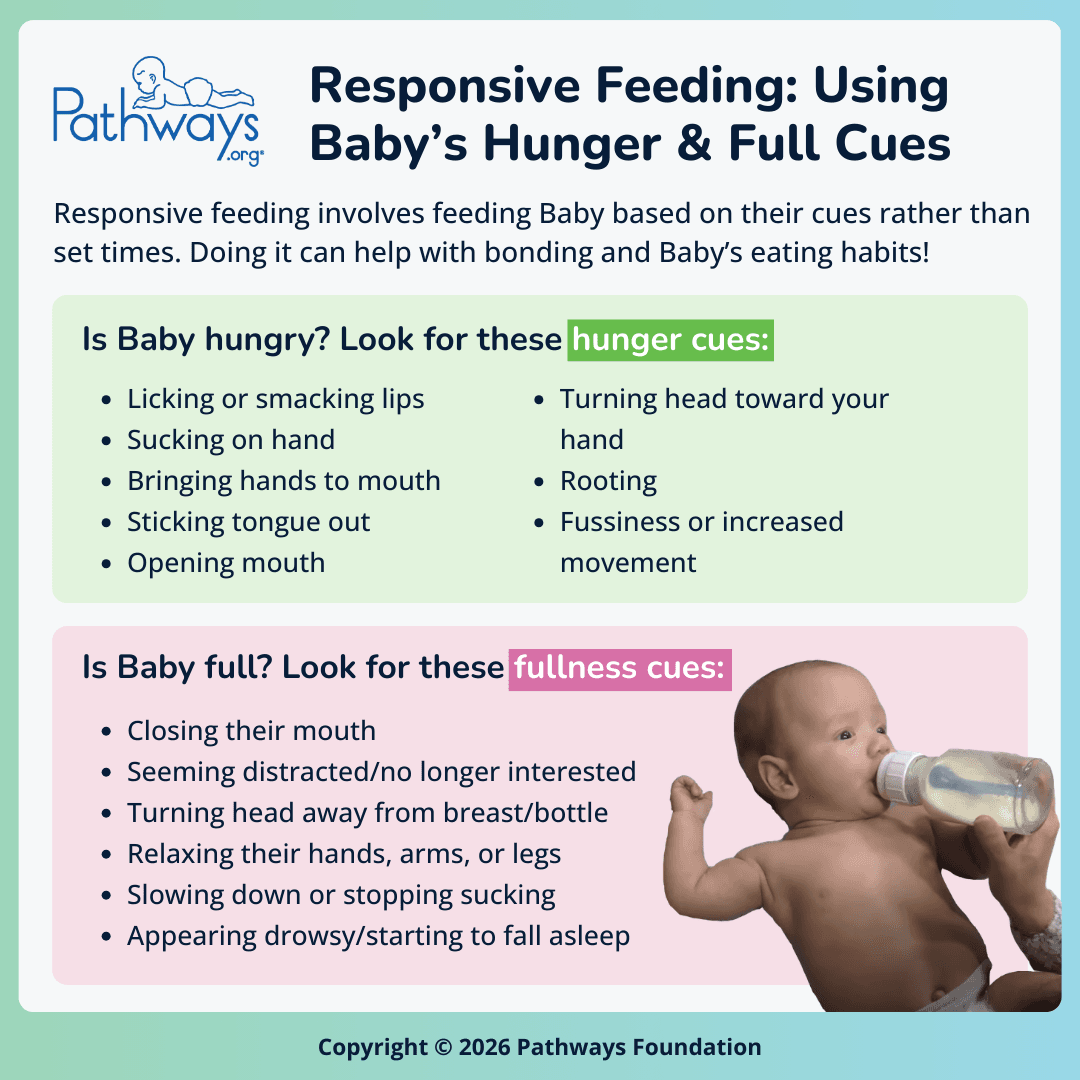
• Responsive feeding lets babies show hunger and fullness cues.
• Every baby develops at a different pace.

Birth to 4 Months: Milk Is the Main Food
Newborns are designed to receive breast milk or iron-fortified infant formula. Their sucking, swallowing, and breathing systems are still developing, so milk is the safest and most complete food at this stage.
Most newborns feed often. Some feed eight to 12 times each day when breastfed. Formula-fed babies may follow a different pattern. Your pediatrician can help you understand whether your baby is taking enough.
Watch your baby, not just the clock. Signs of hunger may include:
• Turning toward the breast or bottle
• Bringing hands to the mouth
• Making sucking sounds
• Opening the mouth
• Becoming more alert
Crying is often a late hunger sign. Signs of fullness include turning away, closing the mouth, relaxing the hands, or slowing down.
Never force a bottle or feed until the bottle is empty. A baby may need a pause, a burp, or a break. Holding your baby close and keeping the bottle level can also support paced bottle-feeding.
Why cereal in a bottle is not recommended
Adding cereal to a bottle does not safely help most babies sleep longer. It can increase choking risk, lead to excess calorie intake, and make it harder for babies to learn normal eating skills.
Use a spoon when your baby is ready for solids. Keep breast milk or formula in a bottle or nursing routine unless a health professional advises another plan.

Around 4 to 6 Months: Look for Readiness
Age gives you a guide, but readiness signs give you better information. Baby feeding development from milk to solids should begin when your baby can manage food safely.
Look for these signs:
• Your baby sits upright with little support.
• Your baby has steady head and neck control.
• Your baby opens the mouth when food approaches.
• Your baby reaches for food or watches others eat.
• Your baby brings objects to the mouth.
• Your baby no longer pushes most food out with the tongue.
A baby who only watches you eat may be curious but not ready. Interest is helpful, but good posture and head control are essential.
Premature babies may need a different timeline. Ask your pediatrician whether to use birth age or adjusted age when planning solids. Babies with oral-motor concerns, poor growth, or swallowing problems may need help from a feeding therapist.
How to start when your baby is ready
Begin when your baby is calm and alert. Avoid starting when your baby is very hungry, tired, or upset.
Use these steps:
-
Place your baby upright in a stable high chair.
-
Offer a small amount of smooth, soft food on a spoon.
-
Let your baby touch and smell the food.
-
Wait for your baby to open the mouth.
-
Offer a tiny taste and pause.
-
Stop when your baby turns away or closes the mouth.
At first, your baby may eat only a few small spoonfuls. That is normal. Early solids are about practice, not replacing milk.
Around 6 Months: First Foods and Early Textures
The first foods should be soft, safe, and rich in nutrients. Iron deserves special attention because babies’ iron stores begin to decrease around this age.
Good first foods include:
• Smooth meat or poultry puree
• Mashed beans or lentils
• Iron-fortified infant cereal
• Mashed egg
• Plain whole-milk yogurt
• Smooth nut or seed butter thinned with water or yogurt
• Mashed avocado
• Soft cooked vegetables
• Mashed banana or pear
There is no required order for first foods. A common mistake is offering only sweet fruits. Babies benefit from vegetables, meats, beans, and other savory foods too.
Offer one new food at a time if you want to watch for a reaction. However, you do not need to delay common allergens once your baby is ready, unless a doctor gives different advice. Early introduction of peanut and egg in safe forms may reduce allergy risk for some babies.
Never offer a spoonful of thick peanut butter. Thin it with warm water, breast milk, formula, or yogurt. You can also use smooth peanut butter mixed into oatmeal or a puree.
Introducing common allergens
Common allergens include:
• Peanut
• Egg
• Milk products
• Wheat
• Soy
• Sesame
• Fish
• Shellfish
Offer a small amount at home when your baby is well. Do not introduce several new allergens at once. If your baby develops swelling, repeated vomiting, wheezing, trouble breathing, widespread hives, or extreme sleepiness, seek emergency help.
Babies with severe eczema or an existing food allergy may need medical advice before peanut or egg introduction.

6 to 8 Months: Moving From Purees to Mashed Foods
Baby feeding development from milk to solids grows when textures change at the right time. Smooth purees can be useful at first, but staying with only thin purees for too long may limit texture practice.
Move slowly toward thicker foods, mashed foods, and soft lumps. Your baby may gag as they learn. Gagging is noisy and often involves coughing or retching. Choking is usually quiet and may involve trouble breathing or a change in color.
Always supervise meals. Learn infant CPR and choking first aid from a certified course.
Soft foods for this stage may include:
• Mashed sweet potato
• Soft scrambled egg
• Mashed beans
• Tender shredded chicken
• Soft ripe avocado
• Cooked oatmeal
• Soft pasta cut into small pieces
• Steamed broccoli florets
• Soft toast strips
At first, foods may be mashed with a fork. They do not need to be perfectly smooth. A few soft lumps help your baby practice moving food around the mouth.
Baby-led weaning and spoon-feeding
Some families use baby-led weaning, while others use spoon-feeding. Both can work when the baby is ready, upright, supervised, and offered safe foods.
Baby-led weaning often uses graspable strips of soft food. Spoon-feeding may begin with mashed foods and gradually include thicker textures. A mixed approach is also fine.
The best method is the one that fits your family and your baby’s needs. Feeding is not a test of parenting style.

8 to 10 Months: Finger Foods and Self-Feeding
By 8 to 10 months, many babies can pick up food with their fingers. Their pincer grasp is improving, so they may pick up smaller pieces with the thumb and forefinger.
Offer soft finger foods that squish easily between your fingers. Cut food into shapes that your baby can grasp.
Examples include:
• Soft-cooked carrot sticks
• Ripe pear slices
• Banana pieces
• Toast strips
• Soft pasta
• Flaked fish with bones removed
• Shredded tender meat
• Small pieces of ripe avocado
• Steamed green beans
Expect mess. Food may land on the tray, floor, hair, and clothes. This mess is part of learning. Babies explore food with their hands, eyes, and mouths.
In my experience helping families think through feeding routines, pressure is one of the biggest problems. Parents often worry when a baby eats very little. A calmer approach is to offer food, sit together, and allow the baby to decide how much to eat.
Hunger and fullness cues
Hunger signs may include reaching for food, leaning toward the spoon, or becoming excited when food appears. Fullness signs may include turning away, pushing food away, slowing down, or losing interest.
Respect these signs. Pressuring a baby to take “one more bite” can make meals stressful and may weaken the child’s ability to notice fullness.
10 to 12 Months: More Variety and Family Foods
Baby feeding development from milk to solids becomes more flexible near the end of the first year. Many babies can eat soft family foods with little or no added salt.
Modify family meals before adding spicy sauces, large chunks, or hard foods. Set aside a baby-safe portion, then season the adult serving.
Offer a mix of:
• Vegetables and fruits
• Meat, poultry, fish, eggs, beans, and tofu
• Whole grains
• Full-fat yogurt and cheese
• Avocado and other healthy fats
• Water in an open cup or straw cup
Continue breast milk or iron-fortified formula. Food intake may vary from day to day. Some babies eat more during growth spurts and less during teething or illness.
Avoid making separate meals for every preference. Instead, serve one safe food your baby likes with one or two foods they are still learning to enjoy.
Foods to avoid before 12 months
Do not give babies:
• Honey, because of the risk of infant botulism
• Cow’s milk as the main drink
• Juice, which offers little benefit and adds sugar
• Unpasteurized milk, cheese, or juice
• Raw or undercooked eggs, meat, fish, or shellfish
• Whole nuts
• Whole grapes
• Popcorn
• Hard raw vegetables
• Large chunks of meat or cheese
• Hot dog rounds
• Sticky spoonfuls of nut butter
Cut round foods into thin strips or very small pieces. Quarter grapes lengthwise. Cook hard vegetables until soft.
After 12 Months: Joining Family Meals
After the first birthday, many children can eat most healthy family foods. Breast milk may continue as long as desired. If your child uses formula, ask your pediatrician about the transition to whole cow’s milk or another suitable option.
Milk is a drink, not a replacement for a varied diet. Too much milk can reduce appetite for iron-rich foods and may contribute to iron deficiency.
A balanced toddler plate can include:
• One protein food
• One grain or starchy food
• One fruit or vegetable
• A healthy fat
• Water with meals
Children may need to see a food many times before accepting it. One day they may love peas. The next day they may throw them. This behavior is common and does not always mean the food is disliked.
Keep offering without pressure. Your job is to choose what, when, and where food is served. Your child’s job is to decide whether and how much to eat.
Common Feeding Mistakes to Avoid
Even well-meaning parents can make feeding harder. The goal is not perfection. It is a safe, calm, steady routine.
Avoid these common mistakes:
• Starting solids before readiness signs appear
• Feeding a baby while lying down
• Offering only smooth purees for many months
• Pressuring a baby to finish food
• Using food to reward or punish
• Delaying allergen foods without medical advice
• Serving choking hazards in unsafe shapes
• Giving juice instead of water
• Adding salt, sugar, or honey to baby foods
• Comparing your baby with another child
One lesson many parents learn the hard way is that feeding progress is not always linear. A baby may manage a texture one week and reject it the next. Teething, sickness, travel, and tiredness can all change eating patterns.
Return to familiar foods, keep portions small, and try again later. If your baby regularly coughs, chokes, vomits, refuses textures, or loses weight, contact a pediatrician.
A Simple Daily Feeding Routine
A routine helps babies know what to expect. It does not need to be strict.
A sample day for a baby around 8 to 12 months may look like this:
-
Breast milk or formula after waking
-
Breakfast with iron-fortified cereal, egg, or yogurt and soft fruit
-
Breast milk or formula
-
Lunch with beans, soft vegetables, and avocado
-
Breast milk or formula
-
Dinner with shredded meat, tofu, pasta, or soft vegetables
-
Breast milk or formula before bed
Offer small sips of water with meals once solids begin. Milk feeds may shift as solid food intake increases, but babies still need breast milk or formula throughout the first year.
Do not measure success by the amount left on the tray. Look for steady growth, skill development, comfort, and a positive relationship with food.
Safety Signs That Need Medical Advice
Contact your child’s health professional if your baby:
• Has trouble breathing during feeds
• Coughs or chokes often
• Has a wet or gurgly voice after eating
• Refuses most textures
• Takes an unusually long time to eat
• Has repeated vomiting or diarrhea
• Shows signs of dehydration
• Has poor weight gain
• Has a suspected food allergy
• Becomes very tired or pale
A feeding therapist, registered dietitian, lactation consultant, or pediatrician can help identify the cause. Feeding problems may relate to oral skills, reflux, allergies, sensory needs, muscle tone, or another health concern.
Trust your concern. You do not need to wait until a problem becomes severe before asking for help.
Frequently Asked Questions About Baby Feeding Development From Milk to Solids
When should babies start solid foods?
Most babies are ready for solid foods around 6 months when they can sit with support, control their head, and show interest in food. Do not start before 4 months unless directed by a medical professional.
Should breast milk or formula come before solids?
Yes, especially during the early months of solid feeding. Breast milk or iron-fortified formula remains the main source of nutrition during the first year.
What are the best first foods for a baby?
Good first foods include iron-fortified cereal, mashed beans, meat puree, egg, avocado, vegetables, fruit, and plain whole-milk yogurt. Offer soft textures and include iron-rich foods often.
How can I prevent choking?
Keep your baby seated upright and watch closely during every meal. Avoid whole grapes, nuts, popcorn, hard raw vegetables, hot dog rounds, large meat chunks, and thick spoonfuls of nut butter.
Is gagging normal when babies start solids?
Gagging is common as babies learn new textures and usually sounds noisy. Choking can be quiet and may affect breathing, so caregivers should learn infant choking first aid and CPR.
When can babies drink water?
Small amounts of water can be offered in a cup when solid foods begin, often around 6 months. Breast milk or formula should remain the main drink during the first year.
When can babies eat honey?
Babies should not eat honey before 12 months because it can cause infant botulism. After the first birthday, honey may be introduced in small amounts as part of a balanced diet.
Conclusion
Baby feeding development from milk to solids is a gradual path built on safety, practice, and trust. Start with breast milk or formula, wait for readiness signs, offer iron-rich foods, progress from smooth textures to soft lumps and finger foods, and follow your baby’s hunger and fullness cues.
Expect small portions, messy hands, and changing preferences. Keep meals calm, avoid pressure, and ask for professional help when feeding does not feel safe or comfortable. Use this guide as a starting point, discuss concerns with your pediatrician, and explore trusted infant feeding resources as your baby grows.