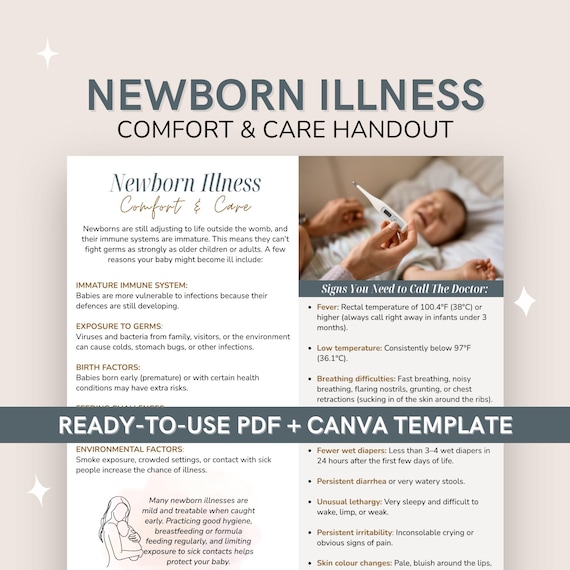
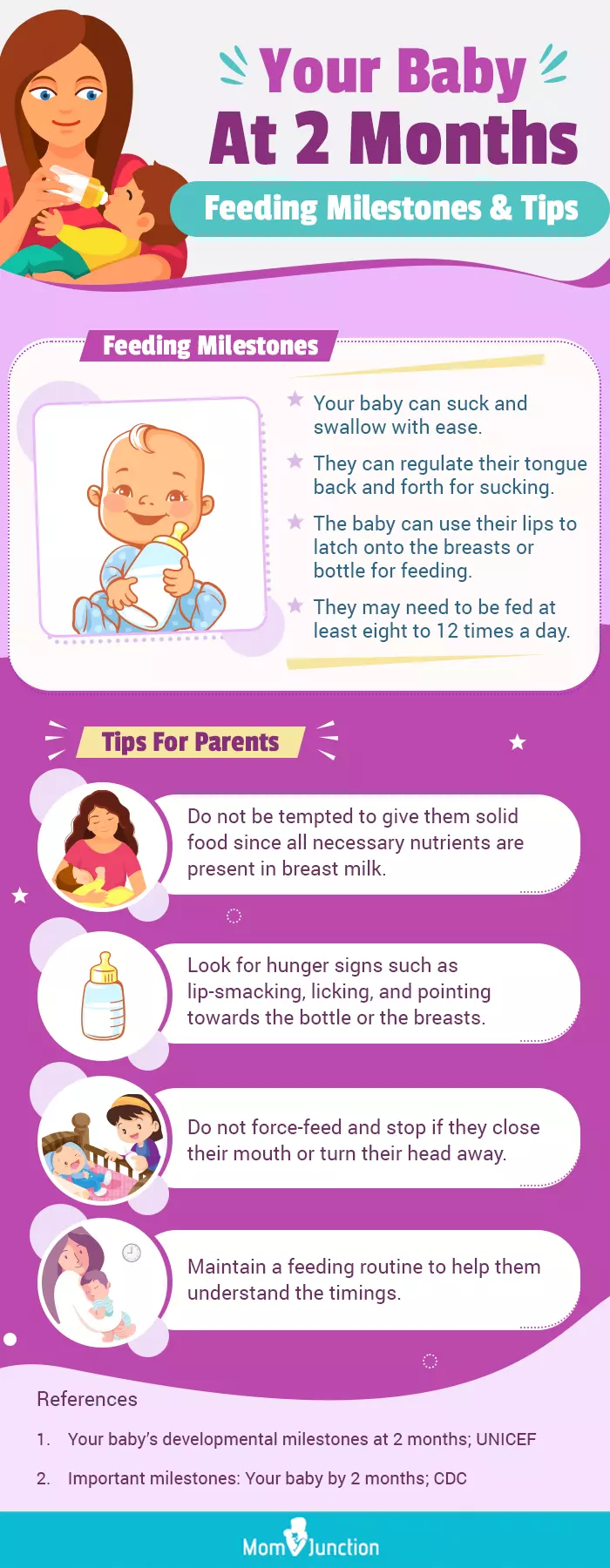
Baby chewing development builds slowly as infants learn to move, mash, and manage food safely.
Baby chewing development is more than waiting for teeth to appear. It is a step-by-step skill that uses the tongue, jaw, cheeks, lips, and brain together. This guide explains what to expect by age, how to offer safe textures, how to tell gagging from choking, and when to ask a feeding professional for help.
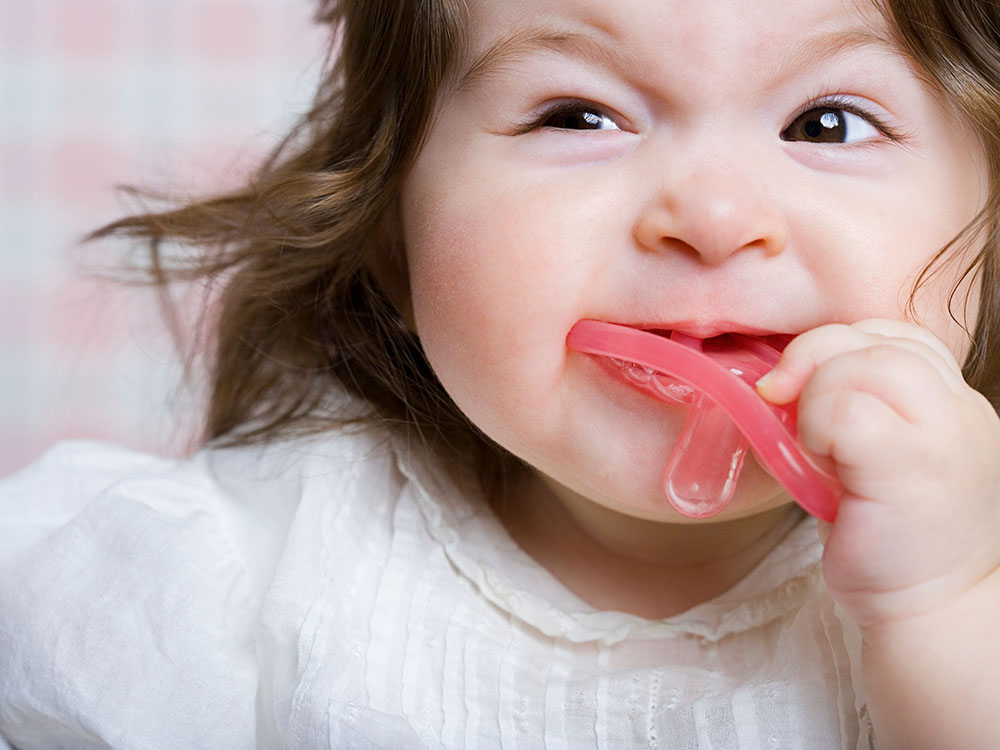
What Is Baby Chewing Development?
Baby chewing development is the process of learning to control food in the mouth. Babies first use simple up-and-down jaw movements. Later, they learn to move food from side to side and use a more mature chewing pattern.
Chewing does not start only when the first tooth appears. Gums can press and soften many tender foods. Teeth help with biting and grinding, but strong chewing also depends on muscle control, oral awareness, and practice.
A baby must learn several skills at once:
• Close the lips around food and a spoon
• Move the tongue in different directions
• Keep food in the mouth
• Press food against the gums
• Move food toward the back of the mouth
• Blend chewing with swallowing and breathing
Think of this process like learning to walk. A baby needs balance, practice, and time. Each new texture offers a small lesson.
The American Academy of Pediatrics and the Centers for Disease Control and Prevention support introducing developmentally suitable solid foods at about 6 months for most babies. Readiness matters more than a strict date.

Baby Chewing Development by Age
Every child develops at a different pace. The age ranges below offer a guide, not a test. Some babies move faster, while others need more time with each texture.
Around 4 to 6 months
At this stage, many babies still use a strong sucking pattern. They may push food out with the tongue. This reflex is called tongue thrust and often fades as babies become ready for solids.
Signs of readiness may include:
• Sitting upright with little support
• Steady head and neck control
• Opening the mouth when food approaches
• Bringing toys and hands to the mouth
• Swallowing food instead of pushing it out
• Showing interest in family meals
Most babies do not need solid foods before about 6 months. Starting too early can make feeding harder and may increase safety concerns.
Around 6 to 8 months
Baby chewing development often begins with an up-and-down jaw motion. This action may look like gum pressing rather than adult chewing.
Offer soft foods that flatten easily between your fingers. Examples include mashed beans, soft cooked vegetables, ripe banana, avocado, oatmeal, and tender shredded meat.
At this age, a baby may:
• Move food from the front of the mouth toward the gums
• Use the tongue to push food from side to side
• Make a munching motion
• Take small bites from a preloaded spoon
• Gag as new textures reach the back of the mouth
gagging can be loud and uncomfortable, but it is often part of learning. Stay close and let the baby work through it when they are breathing and making sound.
Around 8 to 10 months
Many babies begin using a diagonal jaw movement. The jaw may shift slightly from one side to the other. This is an important step toward mature chewing.
Food can become thicker and more textured. Try soft lumps, finely minced foods, tender strips, and soft finger foods that are easy to hold.
Babies may also begin to:
• Take food from a spoon with their lips
• Use the tongue to clear food from the cheeks
• Bite soft pieces from a larger strip
• Chew with more control
• Pick up food with a developing pincer grasp
Mess is normal. Food on the face, hands, and tray is part of sensory learning.
Around 10 to 12 months
Chewing often becomes more organized during this period. A baby may handle mixed textures, such as soft pasta with mashed vegetables or tender rice with beans.
Offer food in small, manageable pieces. Continue to avoid hard, round, sticky, or tough foods that can block the airway.
A baby may still gag sometimes. Gagging does not mean the baby is failing. It can show that the mouth is learning to manage a new size or texture.
Around 12 months and beyond
Many toddlers can eat a wider range of soft family foods. They may chew with a more circular motion and use both sides of the mouth.
Toddlers still need supervision. They may eat quickly, walk while eating, or place too much food in the mouth. Safe chewing development continues through the preschool years.

How Chewing Skills Develop Without Teeth
Teeth are helpful, but they are not the only tools babies use. Gums are firm and can crush many soft foods. A baby can practice oral skills before all, or even most, teeth appear.
The jaw, cheeks, tongue, and lips work as a team. The tongue moves food across the mouth. The cheeks help keep food near the gums. The jaw provides pressure. The lips help control food and remove it from a spoon.
Soft food ideas include:
• Steamed broccoli florets with a soft stem
• Ripe pear or peach slices
• Soft-cooked sweet potato
• Scrambled egg
• Tender flakes of fish
• Shredded chicken with moisture
• Toast strips that soften in the mouth
• Well-cooked pasta
• Soft beans pressed slightly flat
Food should match the baby’s skill. A food can be healthy but unsafe if it is too hard, too round, too sticky, or too large.

How to Support Baby Chewing Development
The best practice is calm, regular, and gradual. Babies learn by watching, touching, tasting, and repeating.
Start with safe, soft textures
Use foods that mash easily with gentle pressure. Test the texture between your thumb and finger before serving it.
Avoid relying only on smooth purées for a long time. Smooth foods can be useful at first, but babies also need gradual exposure to thicker textures and soft lumps.
Increase texture slowly
You can move through a simple pattern:
- Smooth and thin foods
- Smooth and thicker foods
- Mashed foods with soft lumps
- Minced or finely chopped foods
- Soft finger foods
- Tender family foods cut into safe pieces
There is no need to rush. Offer one new texture at a time if your baby seems unsure.
Let your baby lead
Responsive feeding means noticing hunger and fullness cues. Follow the baby’s signals rather than forcing bites.
Hunger cues may include:
• Reaching for food
• Opening the mouth
• Leaning toward the spoon
• Becoming excited when food appears
Fullness cues may include:
• Turning away
• Closing the mouth
• Pushing food away
• Losing interest
• Becoming fussy
Pressuring a baby to eat can make meals stressful. A calm table helps learning.
Model chewing
Sit with your baby during meals. Take small bites and chew slowly where the baby can see you. Babies copy facial movements and often learn by watching family members.
This simple habit also teaches that meals are social. The goal is not perfect bites. The goal is safe practice.
Use an upright position
Your baby should sit upright in a stable, supportive high chair. The head should stay centered, and the feet should have support when possible.
Do not feed a baby while lying down, reclining deeply, walking, playing, or riding in a car. Good posture supports safer mouth control.
Keep meals calm
Limit distractions such as screens and toys. Allow enough time for the baby to explore food without rushing.
A practical meal may last about 10 to 20 minutes at first. Stop when the baby shows clear signs of being finished.

Gagging, Choking, and Baby Chewing Safety
Gagging is a protective reflex. It often happens when a baby learns to manage food. A gagging baby may cough, retch, make noise, or bring food forward.
Choking is different. A choking baby may be unable to breathe, cry, cough, or make sound. The face may change color, and the baby may look silent or distressed.
Caregivers should learn infant CPR and choking first aid from a qualified organization. Do not blindly sweep a finger through the mouth. This can push food deeper.
Always supervise meals closely. The adult should stay within arm’s reach and watch the baby, not use a phone or leave the room.
Common choking hazards include:
• Whole grapes and cherry tomatoes
• Nuts and popcorn
• Raw carrots
• Hard apple pieces
• Hot dog rounds
• Large chunks of meat or cheese
• Spoonfuls of peanut butter
• Hard candy
• Large pieces of bread
• Whole beans in some stages of feeding
Prepare foods in safer forms. Quarter grapes lengthwise, cook hard vegetables until soft, shred meat, and spread nut butter thinly.
The CDC and AAP advise against honey before 12 months because of the risk of infant botulism. Cow’s milk can be used in foods before 12 months, but it should not replace breast milk or iron-fortified formula as the main drink.

Common Challenges in Baby Chewing Development
Some babies accept new textures quickly. Others need many calm attempts. Both patterns can be normal.
Food pocketing
Food pocketing means holding food in the cheeks without moving it. It may happen when the texture is too hard, too dry, or too large.
Offer softer food and smaller pieces. Give the baby time to clear the mouth before offering more.
Spitting food out
Spitting can happen because the food is unfamiliar. It may also mean the piece is too large or the baby is full.
Stay neutral. Remove the food if needed and try again on another day.
Refusing lumpy foods
A baby who has eaten smooth purées may dislike sudden lumps. Move more slowly from smooth food to thicker mashed food, then to soft lumps.
Repeated exposure often helps. Never force a lump into the mouth.
Excessive gagging
Some gagging is expected. Frequent gagging with distress, vomiting, coughing during most meals, or poor progress deserves professional attention.
A pediatrician may refer the child to a speech-language pathologist or occupational therapist who specializes in pediatric feeding.
Slow progress
Baby chewing development may be delayed by prematurity, low muscle tone, oral weakness, neurological conditions, reflux, or negative feeding experiences. A delay does not define a child, but early support can make meals easier.

When to Seek Help for Chewing or Feeding
Talk with your pediatrician if your baby:
• Coughs, chokes, or turns blue during meals
• Has repeated breathing problems after eating
• Cannot manage textures expected for their stage
• Keeps food in the mouth for a long time
• Has frequent vomiting during meals
• Shows strong distress with most foods
• Eats only a very narrow range of textures
• Has poor weight gain or low energy
• Takes an unusually long time to finish meals
• Loses a feeding skill they once had
A feeding evaluation may look at chewing, swallowing, posture, sensory responses, oral movement, and family routines. A healthcare professional can also check for medical causes.
Do not wait for a child to “grow out of it” if safety or nutrition is affected. Early guidance is often simpler than trying to correct a long-standing struggle later.

A Practical Baby Chewing Development Routine
A simple routine can make practice feel less stressful.
- Seat the baby upright and check that the chair is stable.
- Offer one familiar food and one new texture.
- Serve small amounts at a comfortable temperature.
- Let the baby touch and smell the food first.
- Wait for the baby to open their mouth or reach.
- Offer the food and allow time to chew.
- Watch for gagging, coughing, or signs of fullness.
- Stop calmly when the baby is done.
- Clean the baby and area without making a fuss.
One lesson many caregivers learn is that rushing often creates more resistance. A baby who needs several tries is not being difficult. The baby is building a new motor skill.
Another common mistake is comparing siblings or social media babies. Development is not a race. A steady, safe pattern matters more than an impressive-looking meal.
Nutrition During Chewing Practice
Chewing practice should support nutrition, not replace it. Breast milk or iron-fortified formula remains a major source of nutrition during the first year.
When solids begin, include iron-rich foods often. Examples include:
• Meat and poultry
• Fish with low mercury
• Beans and lentils
• Iron-fortified infant cereal
• Eggs
• Tofu
Pairing plant-based iron foods with vitamin C foods may help the body absorb iron. For example, serve beans with soft bell pepper or lentils with mashed fruit.
Offer varied foods over time. A balanced pattern can include vegetables, fruits, grains, proteins, and healthy fats.
Food allergies are another reason to discuss feeding with a healthcare professional. Current guidance generally supports introducing common allergens in safe forms when developmentally ready, rather than delaying them without medical advice. Babies with severe eczema or an existing food allergy may need a specific plan.
Frequently Asked Questions About Baby Chewing Development
When does a baby start chewing?
Many babies begin early chewing movements around 6 months when they are ready for solid foods. At first, chewing may look like an up-and-down munching motion before it becomes more side-to-side and circular.
Does a baby need teeth to chew?
No. Babies can press soft foods with their gums before they have many teeth. Teeth help with biting and grinding, but tongue, jaw, cheek, and lip control are also central to baby chewing development.
Is gagging normal when a baby learns to chew?
Gagging can be normal as a baby learns to handle new textures and sizes. It is usually noisy, while choking is often silent and prevents normal breathing, coughing, or crying.
How can I help my baby chew better?
Offer soft foods with gradually changing textures, keep the baby upright, and allow time to explore. Eat together and model slow chewing without forcing food.
What foods are unsafe for a baby learning to chew?
Avoid hard, round, sticky, or tough foods such as whole grapes, nuts, popcorn, raw carrots, hard candy, and thick spoonfuls of nut butter. Prepare foods so they are soft and easy to mash, and supervise every meal.
When should I worry about delayed chewing?
Seek medical advice if your baby regularly coughs or chokes, pockets food, vomits during meals, cannot progress with textures, or has poor growth. A pediatrician can arrange a feeding and swallowing assessment.
[CodeImg? no, FAQ no placeholder]
Conclusion
Baby chewing development grows through safe practice, steady texture changes, and responsive feeding. Teeth are not required to begin, and occasional gagging can be part of normal learning. The most important habits are upright seating, close supervision, soft age-appropriate foods, and patience.
Watch your baby’s cues instead of comparing their progress with another child. If eating seems unsafe or progress stops, contact a pediatrician early. Use trusted feeding resources, learn infant choking first aid, and share your questions or experiences in the comments.