Most babies follow a predictable path of growth, hitting key skills each month in the first year.
As a pediatric educator and parent, I’ll guide you through baby milestones month by month with clear, practical steps. This article draws on clinical guidance, research-backed patterns, and real-life parenting experience to explain what to expect, when to worry, and how to support your child’s growth. Read on for a month-by-month map, simple activities, red flags, and tips that help you track progress with calm and confidence.
Understanding baby milestones month by month
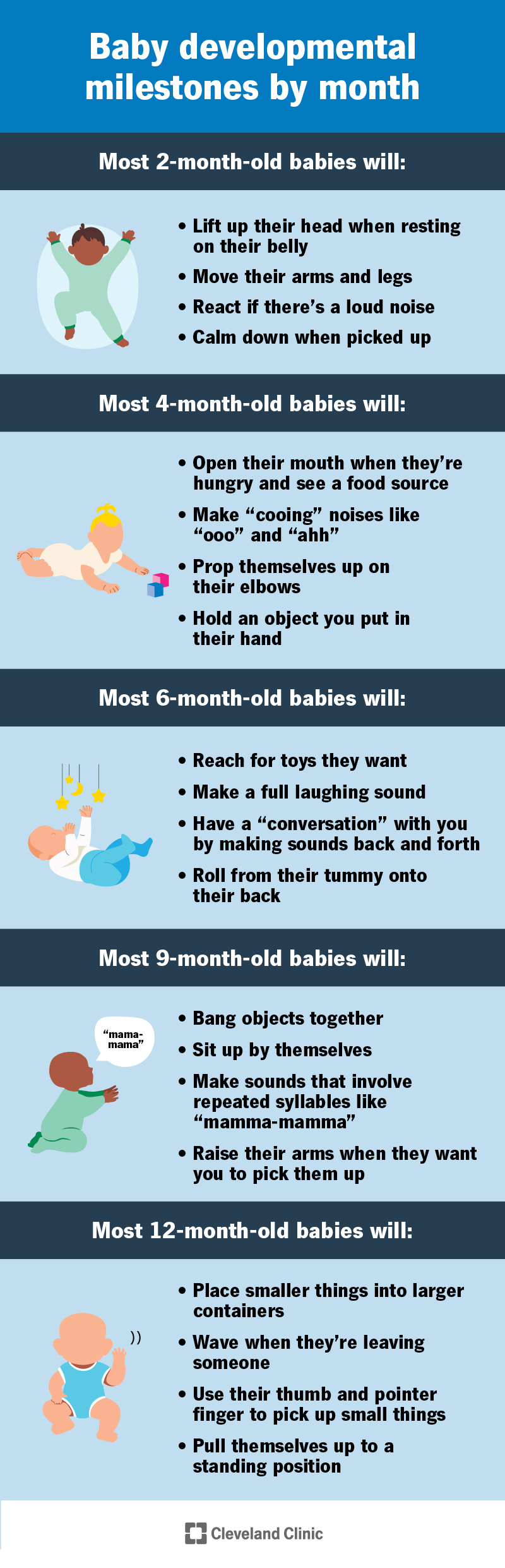
Baby milestones month by month describe typical skills infants develop in motor, language, social, and cognitive areas each month. These milestones are ranges, not strict deadlines. They help caregivers notice progress and find support early if a child is delayed.
Why this matters
- Track progress so you can support development early. Early help often leads to better outcomes.
- Know when to call your pediatrician. Timely check-ins reduce stress and clear confusion.
- Use simple activities to boost skills during play and daily routines.
How to use this guide
- Expect variation. Premature babies may need adjusted age.
- Focus on patterns, not single missed tasks.
- Use the month-by-month breakdown to plan play and check-ins.
Experience note: I’ve worked with families tracking milestones month by month. The most helpful step is keeping a simple log of new skills. Small wins add up and ease parental worry.

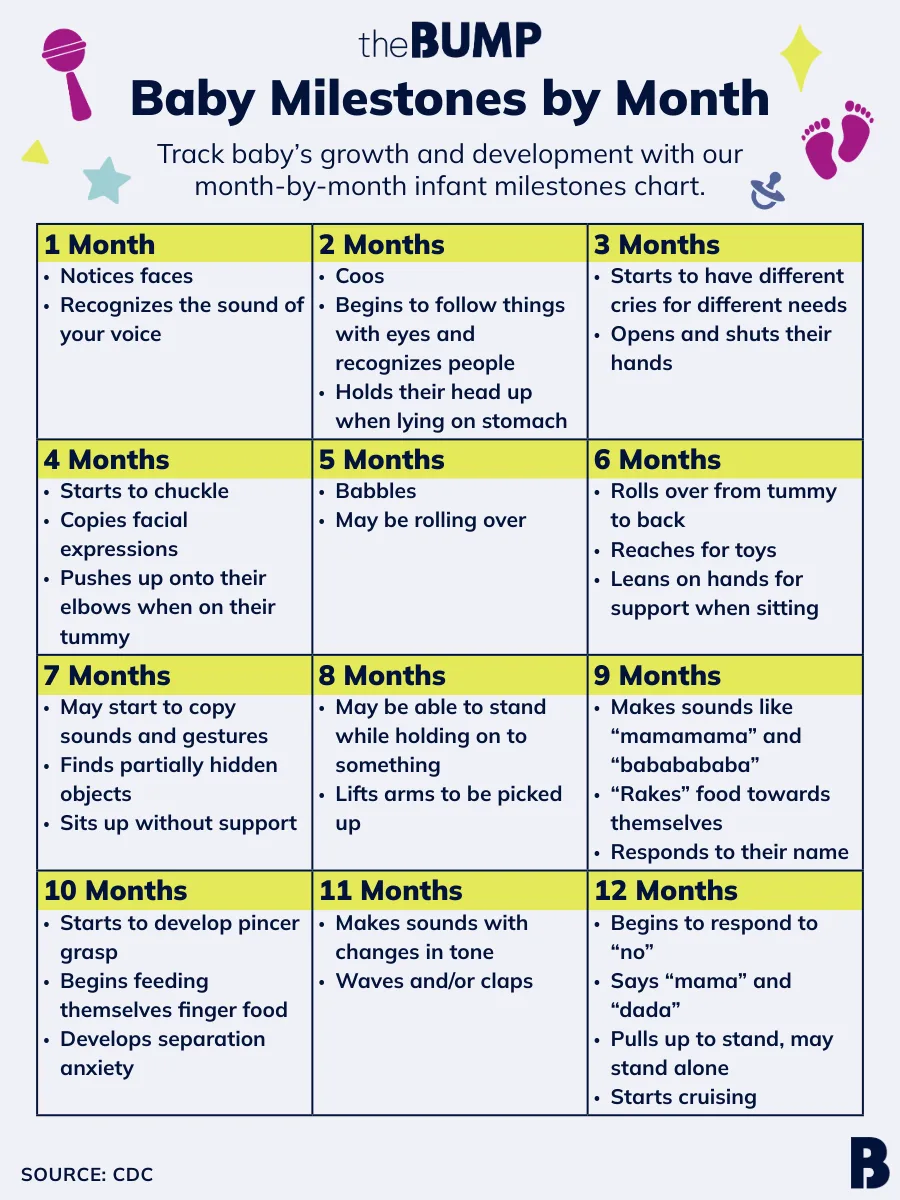
Month-by-month milestones: 0 to 12 months
Below is a clear month-by-month guide to common baby milestones month by month. Each month lists what most babies do, simple activities to encourage growth, and signs that suggest talking with a professional.
Month 1
What to expect
- Lifts head briefly when on belly.
- Startles at loud sounds.
- Focuses on faces at close range.
How to support
- Provide supervised tummy time several times a day for short stretches.
- Hold your baby close and talk softly to build bonding and hearing.
Red flags
- No eye contact or response to loud sounds.
Month 2
What to expect
- Smiles socially.
- Tracks objects with eyes.
- Coos and makes vowel sounds.
How to support
- Smile, sing, and mimic coos.
- Use high-contrast toys to help tracking.
Red flags
- No social smile or limited vocalizing.
Month 3
What to expect
- Holds head steady when supported.
- Reaches for toys and bats at objects.
- Makes more varied sounds.
How to support
- Offer graspable toys during play.
- Increase tummy time to build neck strength.
Red flags
- Stiff or floppy movements, no reaching.
Month 4
What to expect
- Rolls front to back.
- Sits with support.
- Begins to laugh out loud.
How to support
- Place toys just out of reach to encourage rolling and reaching.
- Read short books to encourage sounds and attention.
Red flags
- No rolling or poor head control.
Month 5
What to expect
- Rolls both ways.
- Starts to transfer toys between hands.
- Shows interest in mirror images.
How to support
- Offer toys of different textures to practice transfer skills.
- Play peek-a-boo to build social skills.
Red flags
- Not reaching or showing little interest in objects.
Month 6
What to expect
- Sits unsupported briefly.
- Begins to use raking grasp.
- Responds to name and simple gestures.
How to support
- Encourage sitting with safe props and supervised floor play.
- Introduce finger foods if cleared by pediatrician.
Red flags
- No sitting attempts or no babbling.
Month 7
What to expect
- Crawls or starts to scoot.
- Uses a more precise raking grasp.
- Shows stranger anxiety.
How to support
- Create safe crawling spaces.
- Play naming games and encourage object exploration.
Red flags
- No attempts to move or poor head control.
Month 8
What to expect
- Pulls to stand.
- Uses pincer-like grasp beginnings.
- Says consonant sounds like "ba" or "ma" repetitively.
How to support
- Offer sturdy furniture for pulling up.
- Play simple turn-taking vocal games.
Red flags
- Not bearing weight on legs or not babbling.
Month 9
What to expect
- Cruises along furniture.
- Uses thumb and finger to pick up small items.
- Understands simple words like "no" or their name.
How to support
- Place favorite toys just out of reach to encourage cruising.
- Label everyday objects to build understanding.
Red flags
- No tracking of objects or minimal social interaction.
Month 10
What to expect
- May take first steps holding hands.
- Points at objects to show interest.
- Uses varied consonant sounds and gestures.
How to support
- Encourage standing practice with support.
- Play pointing games and name what your baby points to.
Red flags
- Lack of gestures or very limited babbling.
Month 11
What to expect
- May walk independently soon.
- Understands simple commands with gesture.
- Imitates sounds and actions.
How to support
- Praise attempts at walking and provide safe spaces.
- Model simple actions and words for imitation.
Red flags
- No imitation or little interest in communication.
Month 12
What to expect
- Many babies walk or take steps.
- Says one or more meaningful words.
- Plays simple interactive games, like dropping objects to watch you pick them up.
How to support
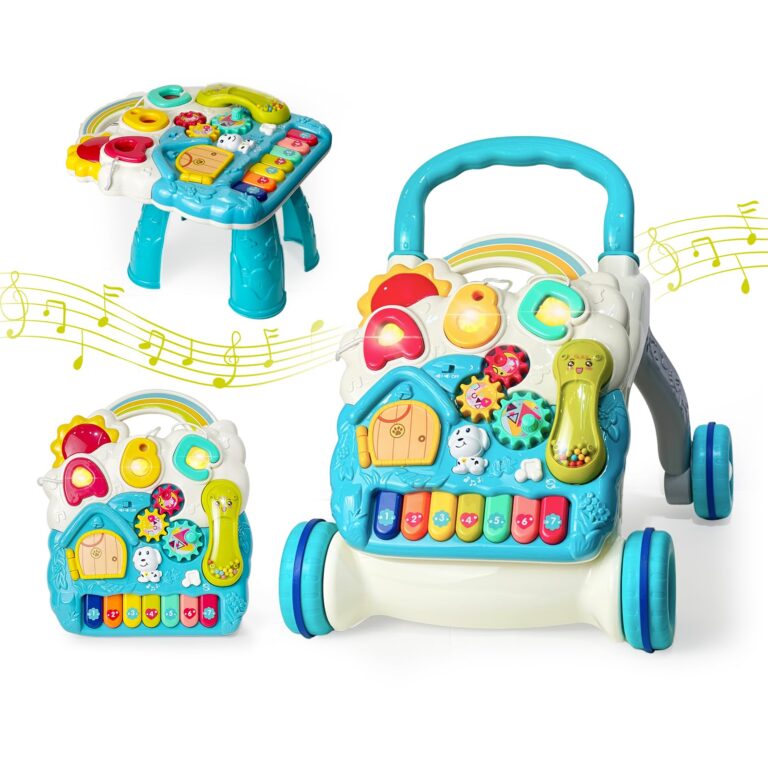
- Offer safe push toys and encourage first words.
- Read daily and use clear, simple words.
Red flags
- No single words or poor social engagement.
This month-by-month roadmap for baby milestones month by month helps you anticipate common growth steps. Use it as a guide, not a strict rule. Many healthy babies fall outside these precise windows.
Tracking and supporting milestones
Ways to track progress
- Keep a simple monthly log of new skills.
- Use photos or short videos to compare month to month.
- Share updates with your pediatrician at well visits.
Daily support strategies
- Build routines: feeding, play, and sleep help learning.
- Use short, frequent play sessions that match your baby’s mood.
- Speak often. Narrate actions and name objects to boost language.
Tools that help
- Developmental checklists can guide observations.
- Baby journals and apps help record milestones.
- Local early intervention programs offer assessments when needed.
When to seek help
- If you notice several red flags across areas over several weeks, contact your pediatrician.
- Early intervention services help with speech, motor, and social delays.
- Don’t wait for an exact “deadline”—earlier assessment is better.
Experience note: I advise families to focus on small steps and celebrate progress. Tracking helped me spot delays early and get therapy that made a difference.

Common variations and when to seek help
Normal variations
- Tempo varies: some babies meet motor skills early and language later, or vice versa.
- Temperament affects how a baby shows skills. Shy babies may show less social smiling but still develop on time.
- Prematurity requires adjusted age. For example, a baby born two months early is compared using adjusted age for the first 24 months.
When to contact a professional
- Little or no eye contact by 3 months.
- No babbling by 8–9 months or no single words by 12–15 months.
- Losing skills previously gained.
How professionals help
- Pediatricians perform screening at well visits.
- Therapists provide targeted support for speech, motor, or social delays.
- Early intervention can include physical therapy, occupational therapy, or speech therapy.
Limitations and uncertainties
- Screening tools are useful but not perfect.
- Every child grows at their own pace; context matters.
- Cultural differences may change how milestones show up.

Personal experience and practical tips
My take from years of work with families
- Keep simple records: I used a photo and 2-line note each week. It reduced worry.
- Celebrate small steps: first smile, first sit, first clap. These moments matter.
- Ask for help early: when I did, delays were easier to address.
Common mistakes to avoid
- Comparing your baby to others on social media. Growth paths vary widely.
- Waiting for “perfect” timing to ask for advice. Early screening is low-risk and high value.
- Overloading play: short, consistent interactions beat long, unfocused sessions.
Practical tips
- Use daily routines to teach skills: bath time for motor play, mealtime for hand skills.
- Choose toys that invite action: stacking cups, soft balls, and board books.
- Keep a calm tone. Babies learn best when they feel safe and loved.

Frequently Asked Questions of baby milestones month by month
What if my baby reaches milestones later than peers?
Delay is common. Many babies catch up. If delays persist across areas, speak with your pediatrician for an evaluation and possible early intervention.
How does prematurity affect milestones?
Use adjusted age for the first 2 years. Subtract weeks early from chronological age to set more accurate expectations and screening points.
Can I speed up my baby's milestones with extra practice?
You can gently support development with play, but skills develop on the child’s schedule. Safe, consistent practice helps; pushing too hard does not speed natural brain growth.
When should I be worried about social or language delays?
If your baby shows low eye contact, little babbling by 9 months, or no words by 15 months, ask your pediatrician for screening and guidance.
Are sleep and feeding linked to milestone progress?
Yes. Good sleep and nutrition support brain and motor development. Poor sleep or feeding issues can slow progress and should be discussed with a clinician.
How often should I document milestones?
Monthly notes work well. Record key behaviors, photos, or short videos. Share notable changes with your pediatrician at well visits.
Conclusion
Tracking baby milestones month by month gives you a clear way to notice growth and offer focused support. Use this guide to celebrate milestones, spot patterns, and seek help early if needed. Start a simple log today, prioritize short, joyful play sessions, and reach out to your pediatrician with any concerns. If this guide helped, subscribe for monthly tips, share your experiences in the comments, or consult your child’s health provider for personalized advice.