Most babies start crawling between 6 and 10 months, though timing varies widely.
I’ve worked with many parents and watched dozens of little ones grow. I know how worrying and exciting the question when do babies start crawling can feel. This guide explains typical ages, signs to watch for, safe ways to help your baby move, and when to ask a pediatrician. Read on for clear, practical advice based on experience and research.
Typical timeline: when do babies start crawling
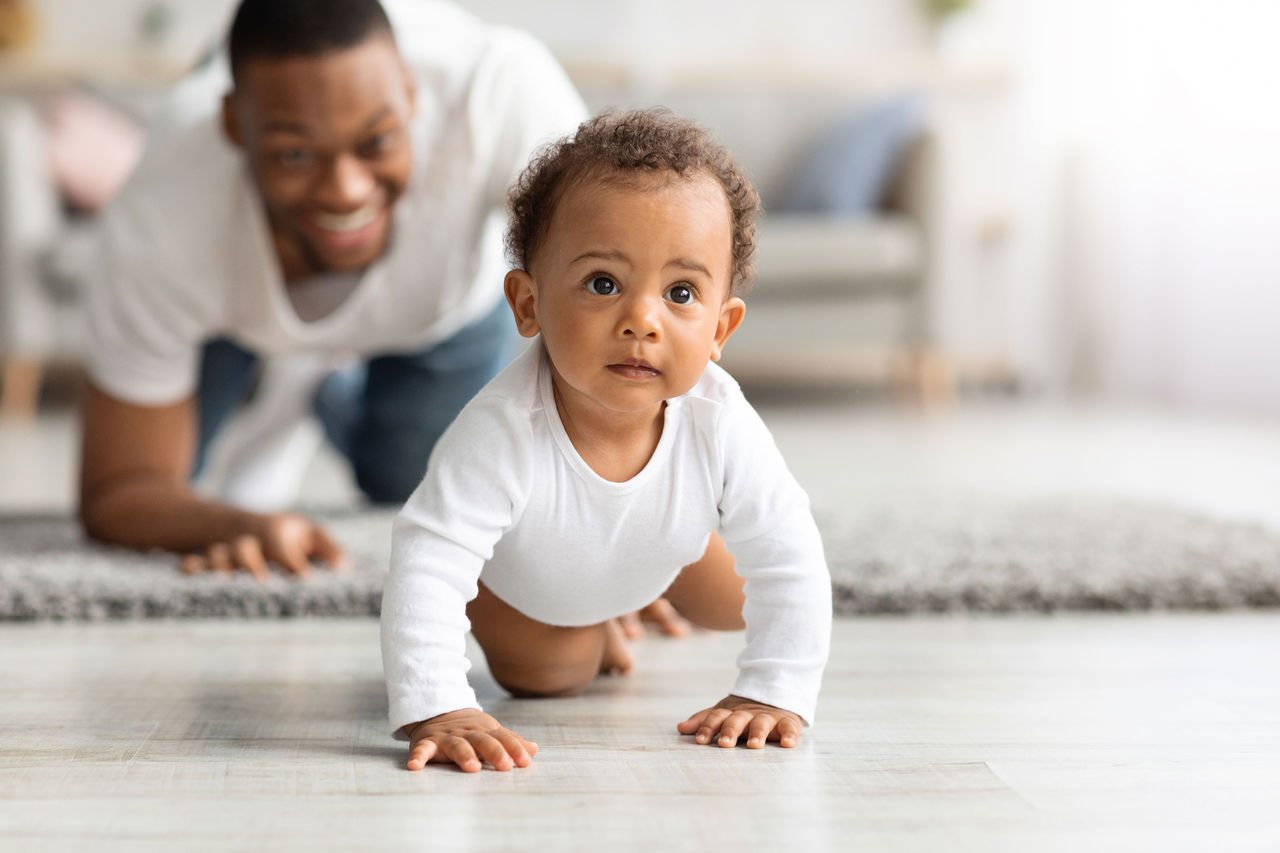
Babies follow a wide range of normal patterns. Many begin crawling between 6 and 10 months. Some babies start earlier, around 4 to 5 months, while others may not crawl until 11 or 12 months. A few skip crawling entirely and move straight to pulling up and walking.
Common milestone breakdown
- 0 to 3 months: Head lifts and early arm strength.
- 3 to 6 months: Rolls both ways and sits with support.
- 6 to 9 months: Sits steadily and often starts rocking or pushing up.
- 9 to 12 months: Many crawl, pull to stand, or cruise along furniture.
Keep in mind that the question when do babies start crawling has many answers. Each baby follows their own timeline. If you're tracking milestones, count the whole pattern of movement, not one isolated month.
Signs your baby is getting ready to crawl
Look for simple physical cues. These show that your baby is building the strength and coordination needed to crawl.
Key readiness signs
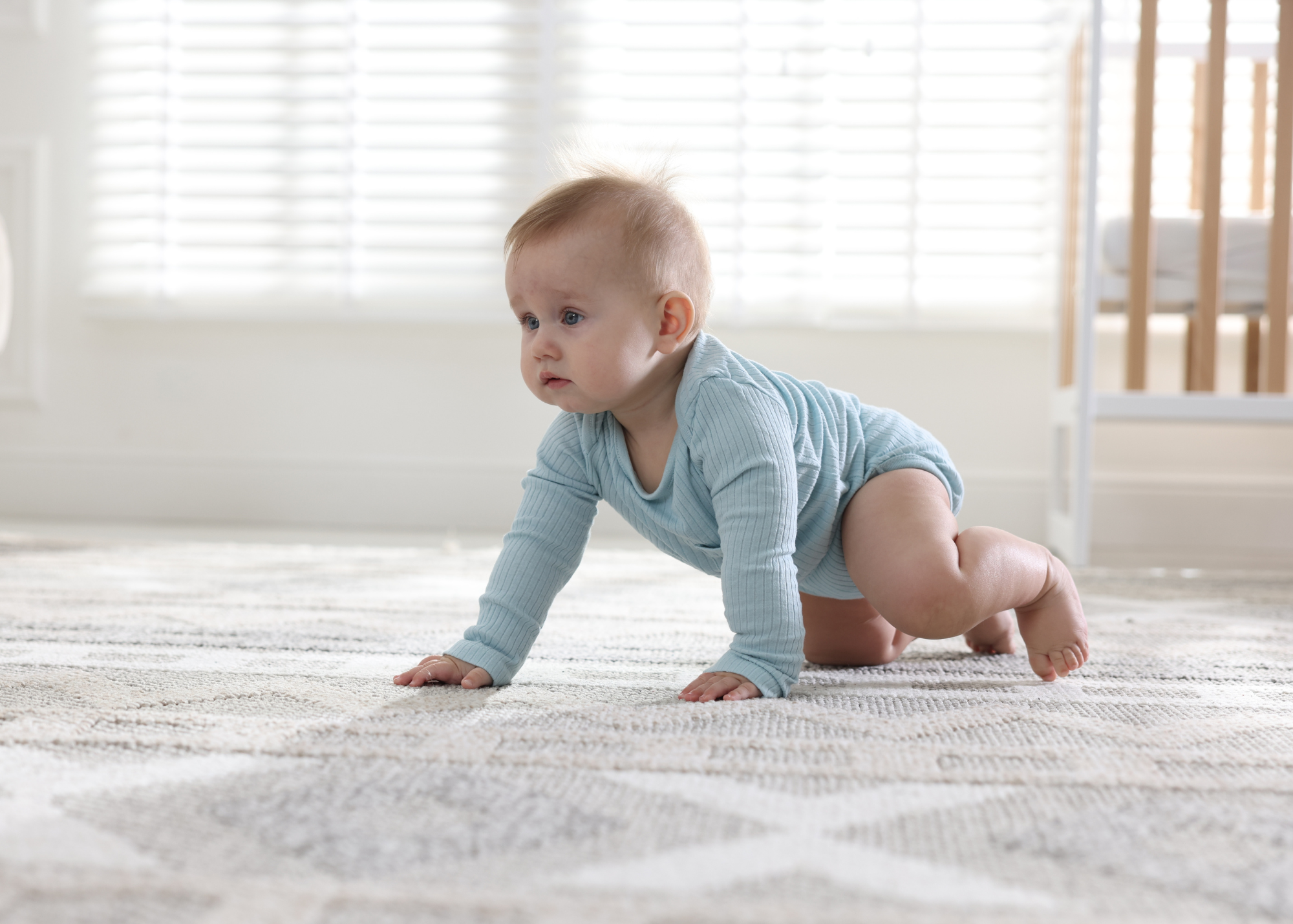
- Strong head control and steady sitting.
- Pushing up on arms during tummy time.
- Rocking back and forth on hands and knees.
- Reaching and pivoting while on their belly.
- Showing interest in moving toward toys or people.
I remember one baby who started by rocking for weeks. The rocking felt like practice. Then one day the baby simply moved forward. That small rocking stage is common when parents ask when do babies start crawling.
Types of crawling and movement patterns
Babies use many ways to get around. Each pattern suits their body and stage of development.
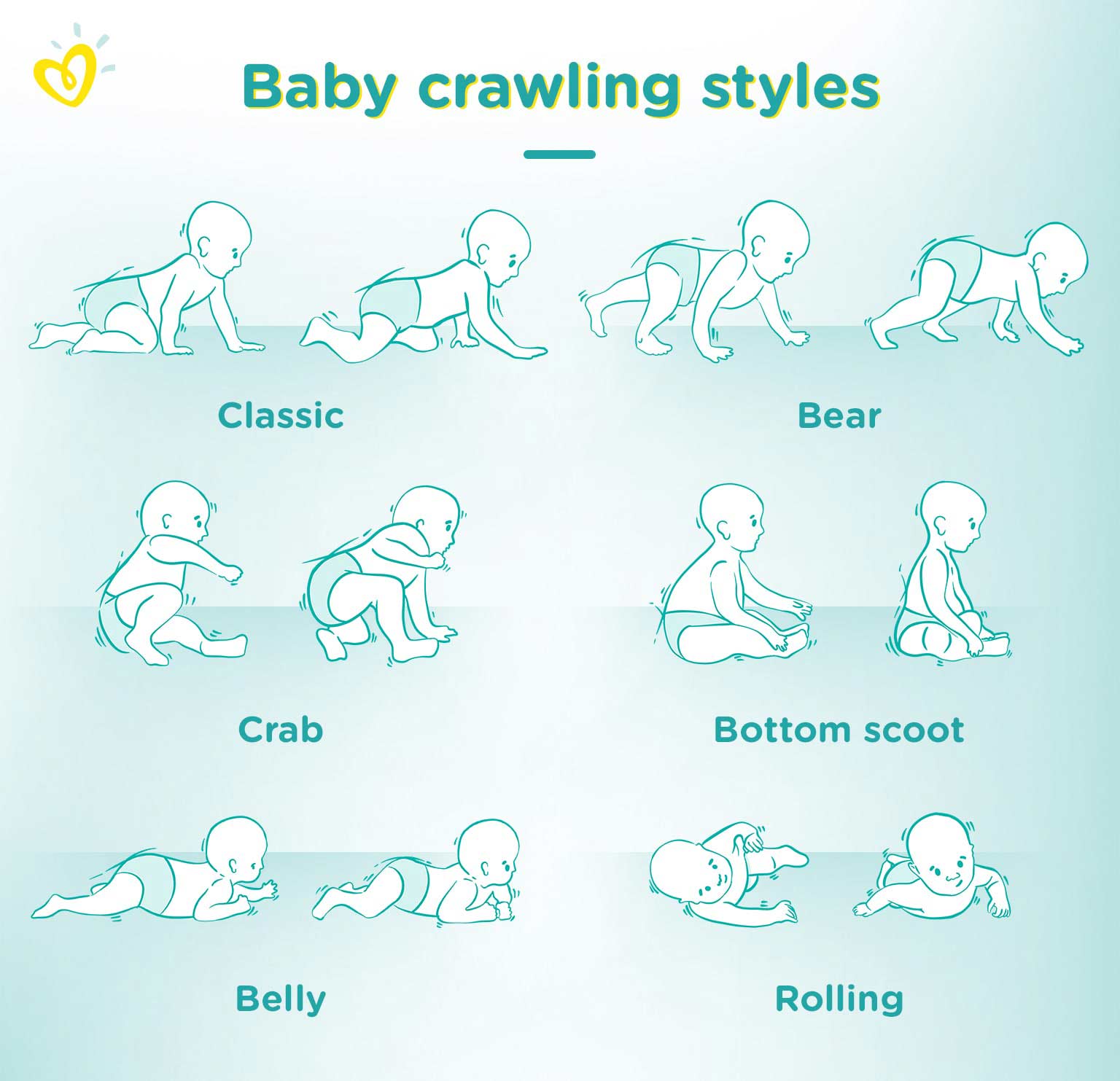
Common patterns
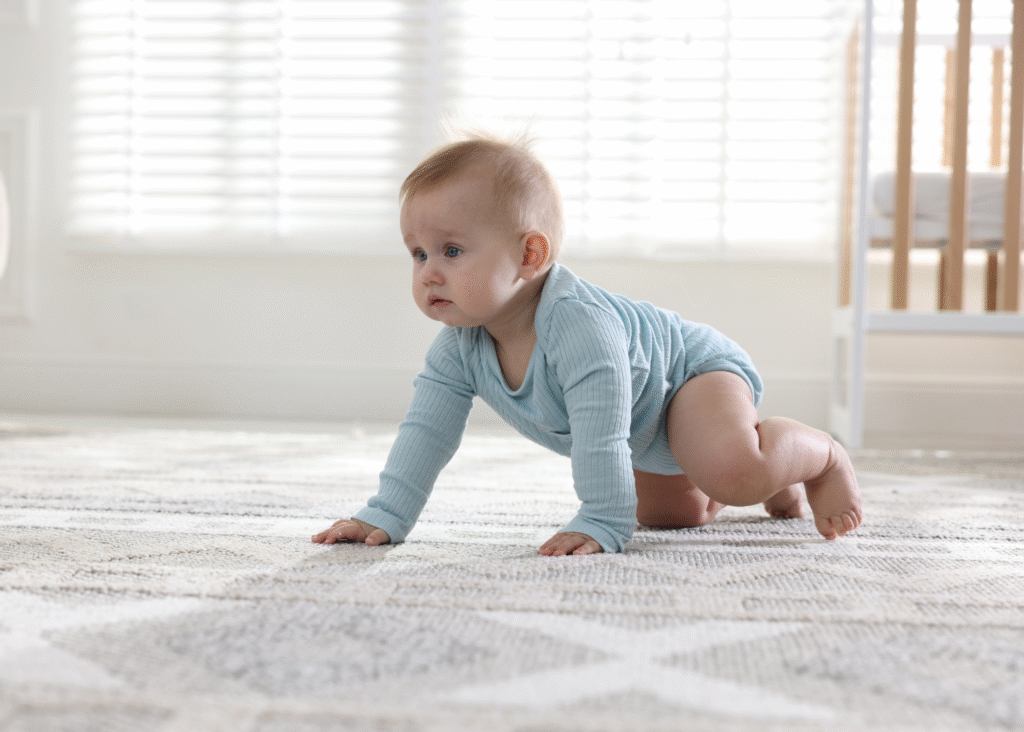
- Classic crawl: Opposite arm and leg move together. This is the typical crawl.
- Army crawl: Belly stays on the floor and the baby drags forward.
- Bear crawl: Hands and feet on the floor with hips high.
- Bottom scoot: Sitting and scooting using the bottom to move.
- Rolling and pivoting: Rolling to move short distances.
None of these patterns is wrong. They all answer the practical question when do babies start crawling by showing different routes to mobility.

How to encourage crawling safely
Create a safe, inviting space. Simple, consistent steps help most babies learn to crawl.
Practical tips
- Give daily tummy time. Start with short sessions and build up.
- Place toys just out of reach to motivate movement.
- Use an open floor area with a soft surface or play mat.
- Let baby practice barefoot for better grip and balance.
- Limit time in carriers, swings, and seats to encourage floor play.
- Baby-proof the space so exploration is safe and less stressful.
I once suggested a low, colorful toy shelf to a worried parent. The baby started crawling toward it in a week. Small changes often produce steady progress when asking when do babies start crawling.

When to check with a pediatrician
Most babies who crawl late are fine. Still, some signs mean you should seek advice.
Red flags to watch
- No head control by 4 months.
- Little or no rolling or pushing up by 6 months.
- Not sitting with support by 9 months.
- Weak or floppy muscles, or one side weaker than the other.
- Concern about vision, hearing, or responsiveness.
If you worry about when do babies start crawling for your child, talk to your pediatrician. Early assessment can identify issues and start helpful therapies if needed.

Developmental benefits of crawling
Crawling helps more than movement. It supports many parts of brain and body development.
Key benefits
- Builds coordination between left and right brain.
- Strengthens arms, shoulders, core, and hips.
- Improves depth perception and visual tracking.
- Encourages problem solving and spatial awareness.
- Prepares muscles used for standing and walking.
Think of crawling as practice for complex skills. When you ask when do babies start crawling, remember it matters for motor and cognitive growth.
My experience: lessons, mistakes, and tips that worked
I’ve seen eager parents worry about every day their baby isn’t crawling. Here are real lessons I learned.
What helped families most
- Consistent tummy time beat short bursts. Daily practice mattered.
- Removing obstacles and giving space reduced fear and increased attempts.
- Avoiding pressure helped babies find their own style. Parents who relaxed saw progress.
- Using motivating toys worked better than forcing positions.
A mistake I often saw was overuse of devices that limit movement. I learned to recommend floor play instead. That choice changed outcomes for many families asking when do babies start crawling.

Frequently Asked Questions of when do babies start crawling
When do babies start crawling?
Most babies start crawling between 6 and 10 months. Some start earlier or later, and a few skip crawling entirely.
Is it normal for a baby to skip crawling?
Yes. Some babies go straight to pulling up and walking. Skipping crawling is not always a concern if gross motor skills progress normally.
What if my baby hasn't started crawling by 12 months?
If crawling or other milestones are delayed by 12 months, talk to a pediatrician. Early evaluation can help rule out developmental issues.
How can I help my baby start crawling?
Offer regular tummy time, place toys just out of reach, and allow free floor play in a safe space. Short, frequent practice sessions are best.
Does crawling affect walking?
Crawling builds coordination and strength useful for walking. Babies who crawl often develop better balance and smoother transitions to walking.
Conclusion
Babies typically start crawling between 6 and 10 months, but each child moves at their own pace. Watch for readiness signs, encourage safe floor play, and consult a pediatrician if you notice strong delays or other concerns. Try regular tummy time and simple, motivating toys this week. If this guide helped, leave a comment with your story or subscribe for more parenting tips.