Babies thrive with consistent care: talk, play, sleep, feed, and respond to build strong brains.
I draw on years of hands-on experience with infants and research to give clear, practical baby brain development tips you can use today. This guide explains how the brain grows, what helps it best, and simple daily habits that boost learning, social skills, and long-term health. Read on for step-by-step ideas you can start now.

How baby brain develops: key stages and what matters most
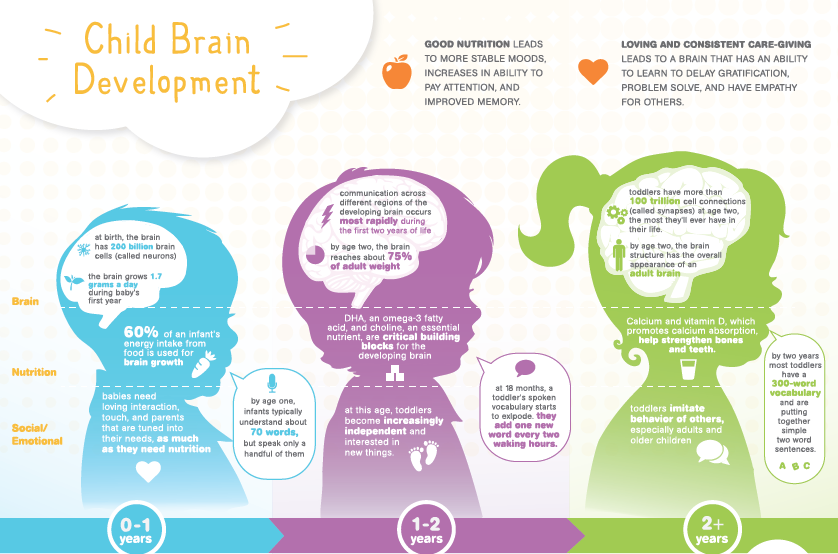
The brain grows fastest in the first three years. Babies form millions of connections as they sense the world. Early experiences shape which neural paths stay strong and which fade. Responsive care, talk, touch, and safe exploration make the strongest wiring.
Important facts to know:
- The brain builds synapses through repeated experiences.
- Stress and neglect can weaken growth; safe, calm care helps.
- Sleep and nutrition support memory and learning.
PAA-style questions:
- What is the most critical period for baby brain growth? The first three years are the most rapid for brain growth, though learning continues across life.
- How do words help the baby brain? Hearing words builds language circuits and helps later reading and thinking.
- Does play change the brain? Yes. Play practices emotion control, attention, and problem solving.

Practical baby brain development tips by age
Newborns (0–3 months)
- Hold often and respond to cries to build trust.
- Talk in simple phrases and sing short songs.
- Offer skin-to-skin time and gentle touch for calm and bonding.
Infants (3–12 months)
- Do tummy time for motor skills and vision.
- Read board books and point to pictures.
- Play peek-a-boo to teach object permanence.
Toddlers (12–36 months)
- Name things and ask simple questions to expand vocabulary.
- Offer safe choices to build independence and decision-making.
- Play simple pretend games to grow imagination and social skills.
Personal note: I used short, daily reading sessions with my niece. At 18 months she used longer sentences and stayed calmer during doctor visits. Small habits add up.

Activities and toys that boost brain growth
Simple, low-cost activities often work best:
- Talking and narrating daily routines to teach language.
- Singing and rhymes to tune memory and rhythm.
- Rolling a ball back and forth to teach turn-taking and coordination.
- Stacking blocks to develop problem solving and fine motor skills.
- Sensory play with water, safe textures, and toys to map the world.
Choosing toys:
- Pick items that match your child’s age and curiosity.
- Look for toys that invite open play, not only one-way interaction.
- Rotate toys to keep interest and encourage new skills.
Examples you can try today:
- Describe what you do while changing a diaper.
- Count stairs together when you climb.
- Use a mirror for face games and self-recognition.
Nutrition, sleep, and health for strong brain development
Nutrition basics:
- Breast milk or formula provides key nutrients early on.
- Iron, zinc, and healthy fats like DHA support brain growth.
- Introduce varied solids at about six months for taste and nutrient mix.
Sleep matters:
- Regular naps and consistent bedtime help memory and mood.
- Most infants need many hours of sleep; toddlers need 10–14 hours total.
- A calming bedtime routine supports brain recovery and learning.
Health and safety:
- Keep up with pediatric visits and vaccinations.
- Prevent lead exposure and avoid tobacco smoke for brain protection.
- Address hearing or vision concerns early to avoid delays.

Common myths, limitations, and realistic expectations
Myths to avoid:
- Myth: You must buy expensive "brain" toys. Reality: Simple interaction beats gadgets.
- Myth: Early gaps cannot be fixed. Reality: The brain is adaptable; improvement is often possible with support.
Limitations:
- Progress varies by child. Genetics, health, and environment all play roles.
- Some delays need professional evaluation. Early help usually works best.
Be realistic:
- Small, steady habits matter more than one-off efforts.
- Avoid pressure; enjoy learning with your child instead.

Monitoring progress and when to seek help
Signs of healthy development:
- Smiles and eye contact by a few months.
- Babbling by six months and first words near one year.
- Imitation and simple play by 18–24 months.
When to talk with a professional:
- Little response to sound or voices.
- No gestures, like pointing, by 12 months.
- Loss of skills or slow social interest.
How to track progress:
- Keep simple notes of new words and milestones.
- Share concerns at well-child visits and ask for screening tests.
- Use local early intervention services if recommended.

Frequently Asked Questions of baby brain development tips
What are the best daily habits to support baby brain development?
Talk to your baby, read often, respond to cues, and provide safe play. Consistent routines for sleep and meals also help learning.
How much talking does a baby need each day?
There is no exact number, but regular, meaningful talk during routines and play builds language best. Aim for many short interactions daily.
Are screens helpful or harmful for babies?
Screens are not recommended for children under 18 months except for video calls. Real human interaction is far more effective for brain growth.
When should I worry about delayed speech or movement?
If your baby is not babbling by six months, not using single words by 15 months, or not walking by 18 months, discuss this with your pediatrician for early screening.
Can I improve a slow start in development?
Yes. Early intervention, consistent responsive care, and targeted therapies often help children catch up. Start action as soon as you notice concerns.
Conclusion
Good baby brain development tips are simple, practical, and repeatable: talk, play, feed well, ensure sleep, and respond with warmth. Small daily habits create strong brain wiring that supports learning, behavior, and health. Start one new, easy habit this week—read a short book, add 5 minutes of tummy time, or narrate a diaper change—and watch progress build. Share your questions or experiences below and consider subscribing for more tips and real-life ideas to help your child thrive.