Baby growth spurts are brief periods when infants grow faster and need more food and sleep.
I have worked with new parents and cared for infants for years, so I know how confusing those bursts can feel. This guide on baby growth spurts explained walks you through what they are, when they happen, what to expect, and simple steps to help your child and yourself through them.

What are baby growth spurts?
A growth spurt is a short time when a baby gains weight and length faster than usual. When baby growth spurts explained well, parents see more feeding, clinginess, and quick changes in mood. These spurts are normal and show healthy development. Growth spurts may last a few days to a week and then slow back to a steady pace.
When do growth spurts occur?
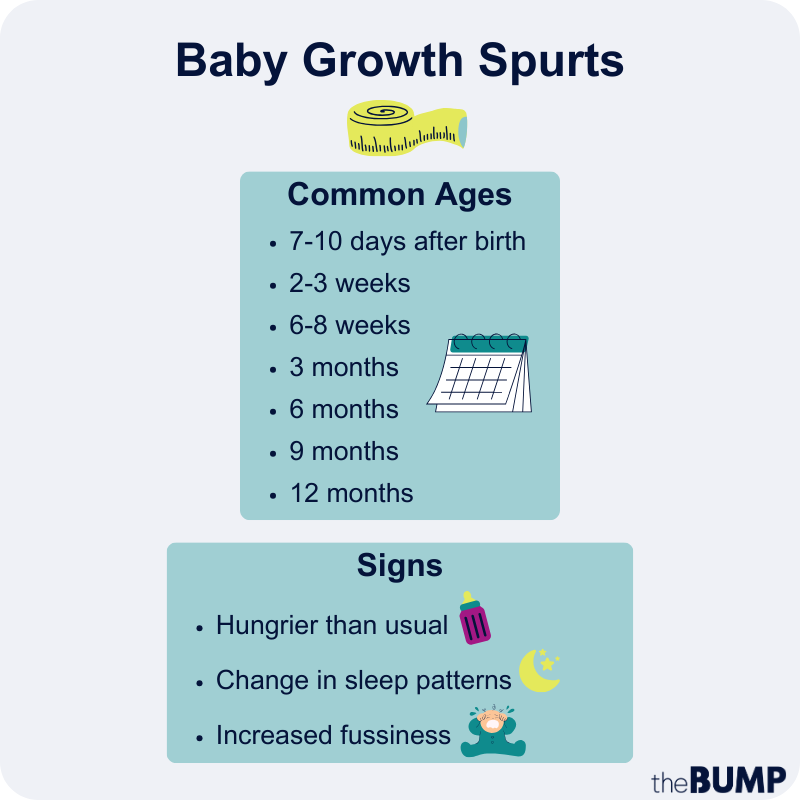
Growth spurts often come at predictable ages, though every baby is different. Common windows include:
- First week and days 7 to 10 after birth
- Around 2 to 3 weeks
- About 6 weeks
- Around 3 months
- Near 6 months
- Around 9 months
You may notice the timing shifts for your child. Research and pediatric guidance show patterns, but each baby follows a personal timeline. Knowing typical windows helps you prepare and respond calmly when baby growth spurts explained happen.

Signs and symptoms of a growth spurt
Spotting a spurt early helps you plan. Common signs include:
- Increased feeding: baby wants to nurse or bottle more often.
- Fussiness and clinginess: baby seeks comfort more than usual.
- Sleep changes: naps may shorten or night wakings increase.
- Rapid weight or length gain over short checks.
- More stool or spit-up as feeding increases.
Not every sign appears at once. If a sign lasts more than two weeks or baby seems unwell, contact your pediatrician. Clear checks help rule out illness while baby growth spurts explained look similar to mild sickness.

How growth spurts affect feeding and sleep
During a spurt, feeding and sleep often shift together. Babies feed more to fuel growth and may then nap more or wake more at night. For breastfed infants, increased nursing can boost milk supply. For formula-fed babies, slightly larger or more frequent feeds may be needed. If baby growth spurts explained changes disrupt your sleep, short-term shifts in routine can help until things settle.
Practical points to balance feeding and sleep:
- Offer feeds on demand rather than strict schedules.
- Keep feedings calm and focused to help baby settle.
- Use safe comfort methods like skin-to-skin contact for fussiness.

Practical tips for parents during growth spurts
Small steps ease the stress of spurts. Try these simple tips:
- Feed on cue: let baby lead feeding times and lengths.
- Rest when you can: naps during the day help you recover.
- Keep diapers handy and burp frequently to reduce fuss.
- Use soothing routines: soft tones, dim lights, and gentle touch.
- Track patterns: a short log of feeding and sleep can reveal a spurt.
From my experience, one simple change helps most: offer a bit more comfort and ignore the clock for a few days. In one case, my own baby fed constantly for three days and then slept for long stretches the week after. That pattern repeated and taught me to trust the process. When baby growth spurts explained are frequent, prepare a support plan with your partner or a caregiver to share tasks.

Common myths and facts
Separating myth from fact keeps you confident. Key points:
- Myth: Growth spurts mean something is wrong. Fact: They are usually healthy and expected.
- Myth: You must force a schedule. Fact: Short-term flexibility during a spurt is often best.
- Myth: All babies follow the same timeline. Fact: Timelines vary widely.
When you read about baby growth spurts explained online, check whether the advice is practical and calm. If guidance sounds strict or fear-based, consider seeking a second opinion from a trusted pediatric professional.

Common questions parents ask
Q: How long do growth spurts last?
A: Most last 2 to 7 days. Some can stretch to two weeks but usually end quickly.
Q: Do growth spurts hurt baby?
A: Spurts are not painful. They can make baby fussy due to hunger and tiredness.
Q: Should I increase milk or formula during a spurt?
A: Offer feeds more often and follow baby cues. Slight short-term increase is fine.
Q: How do I know it is a spurt and not an illness?
A: A spurt shows increased feeding and fussiness but no fever or severe symptoms. Call your pediatrician for signs of illness.
Q: Do growth spurts affect sleep long term?
A: No. Sleep usually returns to prior patterns after the spurt ends.
Frequently Asked Questions of baby growth spurts explained
What exactly triggers a growth spurt?
Growth spurts are driven by changes in hormones and brain growth. Babies need extra calories and sleep to support this burst.
How often will my baby have growth spurts?
Many infants have several spurts in the first year. Typical peaks happen at 2 weeks, 6 weeks, 3 months, and 6 months, but timing varies.
Can I prevent a growth spurt?
You cannot prevent spurts, since they are part of normal development. You can prepare by staying flexible with feed and sleep routines.
Are growth spurts the same for boys and girls?
Yes, growth spurts occur in both sexes. The pattern and timing vary more by individual than by sex.
When should I call the doctor about a growth spurt?
Contact your pediatrician if your baby has high fever, poor feeding, severe lethargy, or signs of dehydration. These are not normal spurt signs.
Conclusion
Baby growth spurts explained are natural, short bursts of rapid growth that change feeding and sleep for a few days. Expect increased hunger, fussiness, or short-term sleep shifts, and respond with calm, extra comfort, and flexible feeding. Track patterns, rest when you can, and reach out to a pediatrician if something feels off. Try one small change this week: follow your baby’s cues for two days and note the difference. If this helped you, share your story, subscribe for more guides, or leave a comment so other parents can learn from your experience.