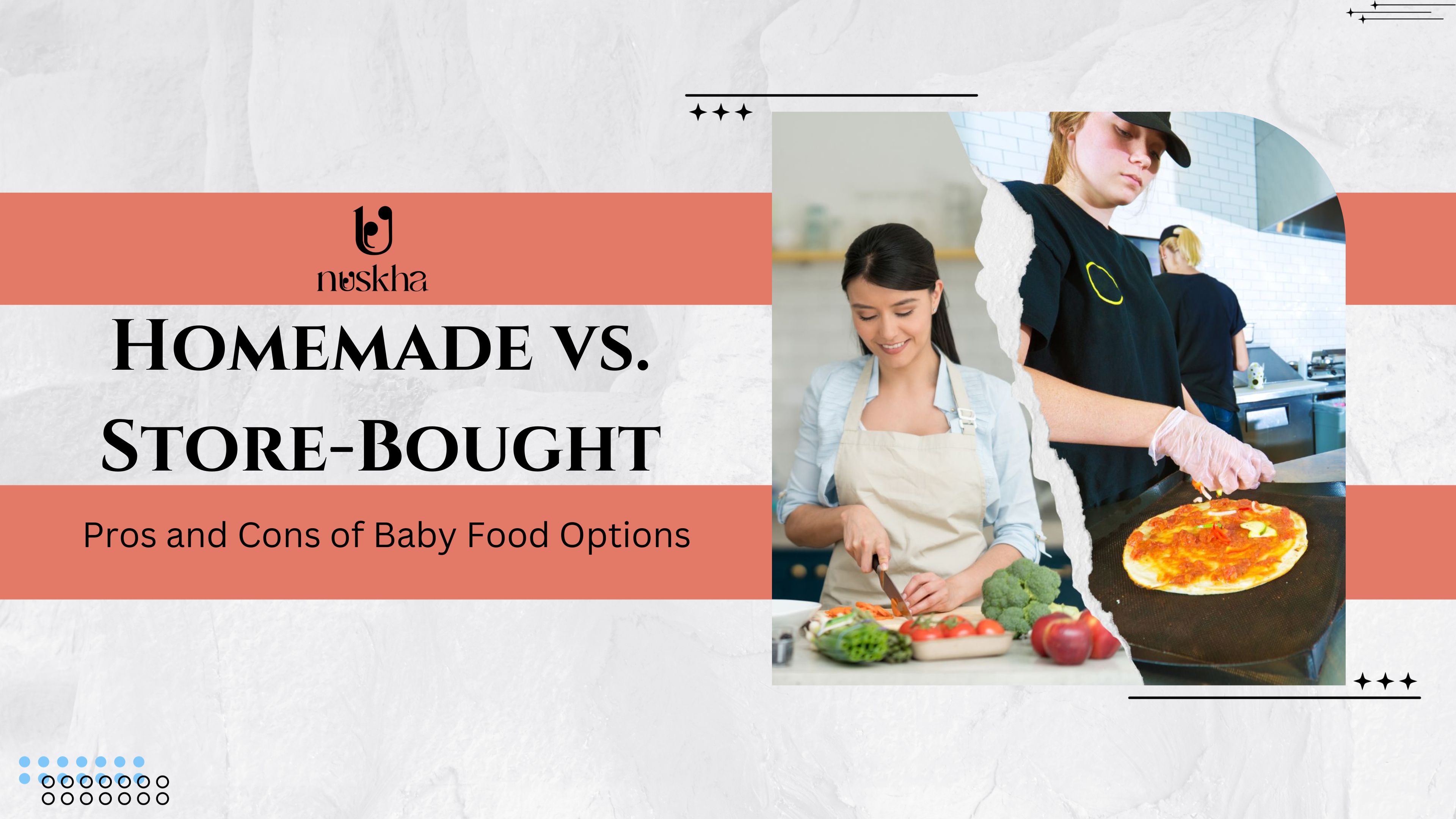
Homemade vs store bought baby food: Both can be healthy; the best choice depends on needs and care.
I’ve worked with parents and infants for over a decade as a pediatric nutrition consultant, so I know how confusing the homemade vs store bought baby food debate can feel. This guide breaks down nutrients, safety, cost, convenience, and real-world tips. Read on to learn what works for your family, when to choose homemade or commercial jars, and how to make either option safe, nutritious, and stress-free.

Why parents compare homemade vs store bought baby food
Parents compare homemade vs store bought baby food to balance health, time, and budget. Some want full control over ingredients. Others need convenience and reliable safety checks. Both routes aim to give the baby nutrient-dense, age-appropriate food.
Common reasons parents ask about homemade vs store bought baby food:
- Control over ingredients and salt, sugar, and additives.
- Cost and how much time is needed to prepare meals.
- Assurance about nutrition and texture for developmental stages.
- Food safety and shelf life concerns.
Common search questions parents ask:
Is homemade baby food healthier than store bought?
Homemade can retain more nutrients if prepared and stored well, but many commercial brands fortify foods and follow strict safety standards.
Can store bought baby food be low quality?
Some commercial products can have added sugars or low-quality ingredients, but many brands now offer simple, whole-food blends with solid quality controls.
When should I switch textures?
Start smooth purees, then move to lumpy textures as the baby shows readiness for chewing and handling more varied textures.

Nutrition: comparing homemade vs store bought baby food
Nutrition is the central concern in the homemade vs store bought baby food decision. The facts are practical and clear.
How nutrients compare:
- Vitamins and minerals
Homemade: Fresh fruits and vegetables can keep nutrients if cooked briefly and stored properly.
Store bought: Commercial baby food often uses flash-cooking or steam processing that preserves nutrients and sometimes adds fortification like iron or vitamin D. - Protein and healthy fats
Homemade: You can add beans, meats, full-fat yogurt, and oils to increase protein and healthy fats.
Store bought: Many jars include meats or legumes, but amounts vary by product. - Added sugar and salt
Homemade: You control sugar and salt—recommended to avoid both until after 1 year for most babies.
Store bought: Read labels; many brands now advertise no added sugar or salt, but variants exist.
Practical nutrition tips:
- Rotate fruits and vegetables to provide a range of nutrients and flavors.
- Include iron-rich foods early, especially if breastmilk or formula is primary.
- For homemade purees, pair vitamin C-rich foods with iron-rich foods to boost iron absorption.
Across the homemade vs store bought baby food choices, focus on whole ingredients and age-appropriate nutrient density. The phrase homemade vs store bought baby food appears throughout discussions because each has trade-offs. I recommend using both when needed: homemade for variety and control, store bought for convenience and fortified options.
Safety and quality control for homemade vs store bought baby food
Safety matters more than branding. Both homemade and store bought baby food can be safe when proper steps are followed.
Safety factors to consider:
- Cleanliness and handling
Homemade: Wash produce well, use clean utensils, and label dates.
Store bought: Manufactured in controlled facilities with safety protocols. - Preservation and shelf life
Homemade: Use airtight containers, refrigerate up to 48–72 hours, or freeze portions for up to 3 months.
Store bought: Unopened jars have long shelf lives; once opened, refrigerate and use within 48 hours or per label. - Choking hazards and textures
Homemade: Control texture to match the baby’s readiness.
Store bought: Many jars list recommended ages and textures; still check for chunks. - Contaminant risks
Homemade: Be careful with raw eggs, honey (avoid before 1 year), and undercooked meats.
Store bought: Brands follow testing, but recalls can occur; check labels and batch notices.
Tips to boost safety:
- Cool hot purees before storing.
- Freeze in small portions to reduce waste.
- Use steam-cooking to preserve nutrients and kill microbes.
When weighing homemade vs store bought baby food, remember safety procedures can make either option safe and healthy.
Cost, convenience, and time: practical trade-offs
Busy parents often choose based on time and budget. Both homemade and store bought baby food have pros and cons.
Cost comparison:
- Homemade: Usually cheaper per serving if you buy seasonal produce and cook in batches. Initial gear costs (blender, containers) add up but pay off over time.
- Store bought: More expensive per ounce but saves time and reduces prep.
Convenience and time:
- Homemade: Plan for batch cooking on weekends. Freezing individual portions saves daily prep time.
- Store bought: Ideal for travel, daycare, and hectic days. Many jars are ready-to-serve.
When to pick which:
- Choose homemade when you want variety, control, and savings.
- Choose store bought when you need rapid convenience or fortified foods like iron-rich cereals.
Balancing both often works best. Make weekday jars for daycare and home purees for weekends. The homemade vs store bought baby food mix gives flexibility and quality.
How to make safe homemade baby food — step-by-step
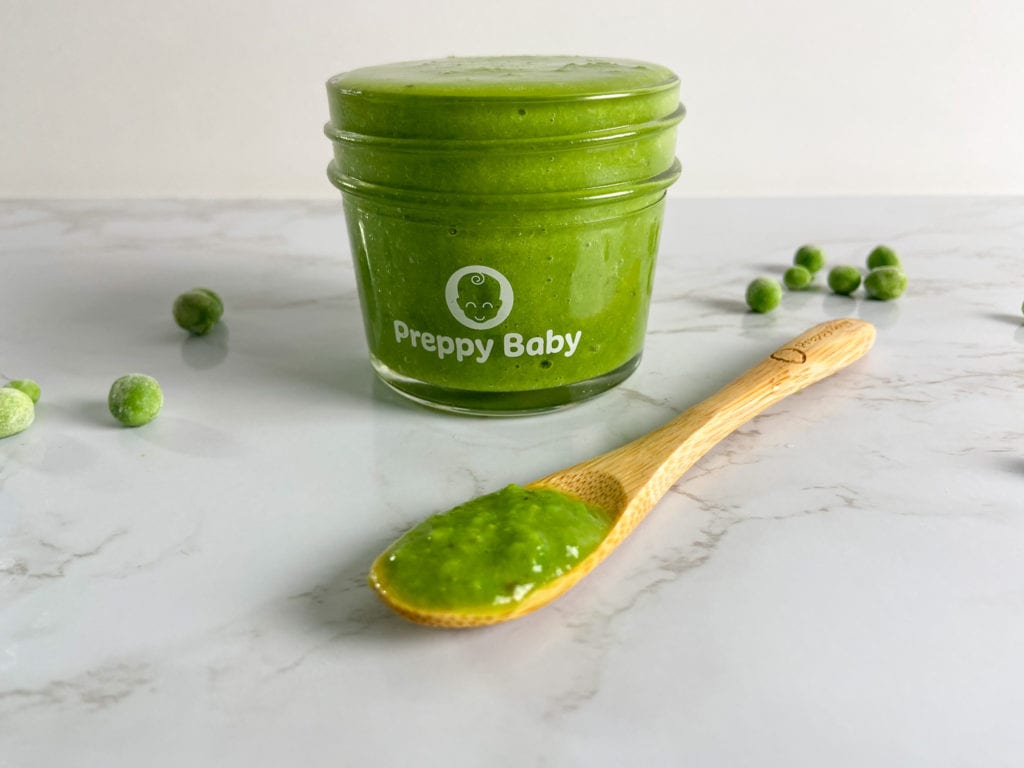
Making your own purees is simple and empowering. Below is an easy method.
Equipment to have:
- Blender or food processor
- Steamer or pot with lid
- Ice cube trays or portion-size silicone molds
- Airtight containers and labels
Step-by-step:
- Choose fresh produce or cooked protein and clean everything well.
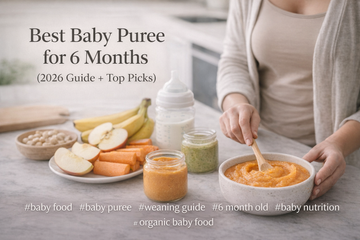
- Steam or roast until tender; steaming keeps more nutrients.
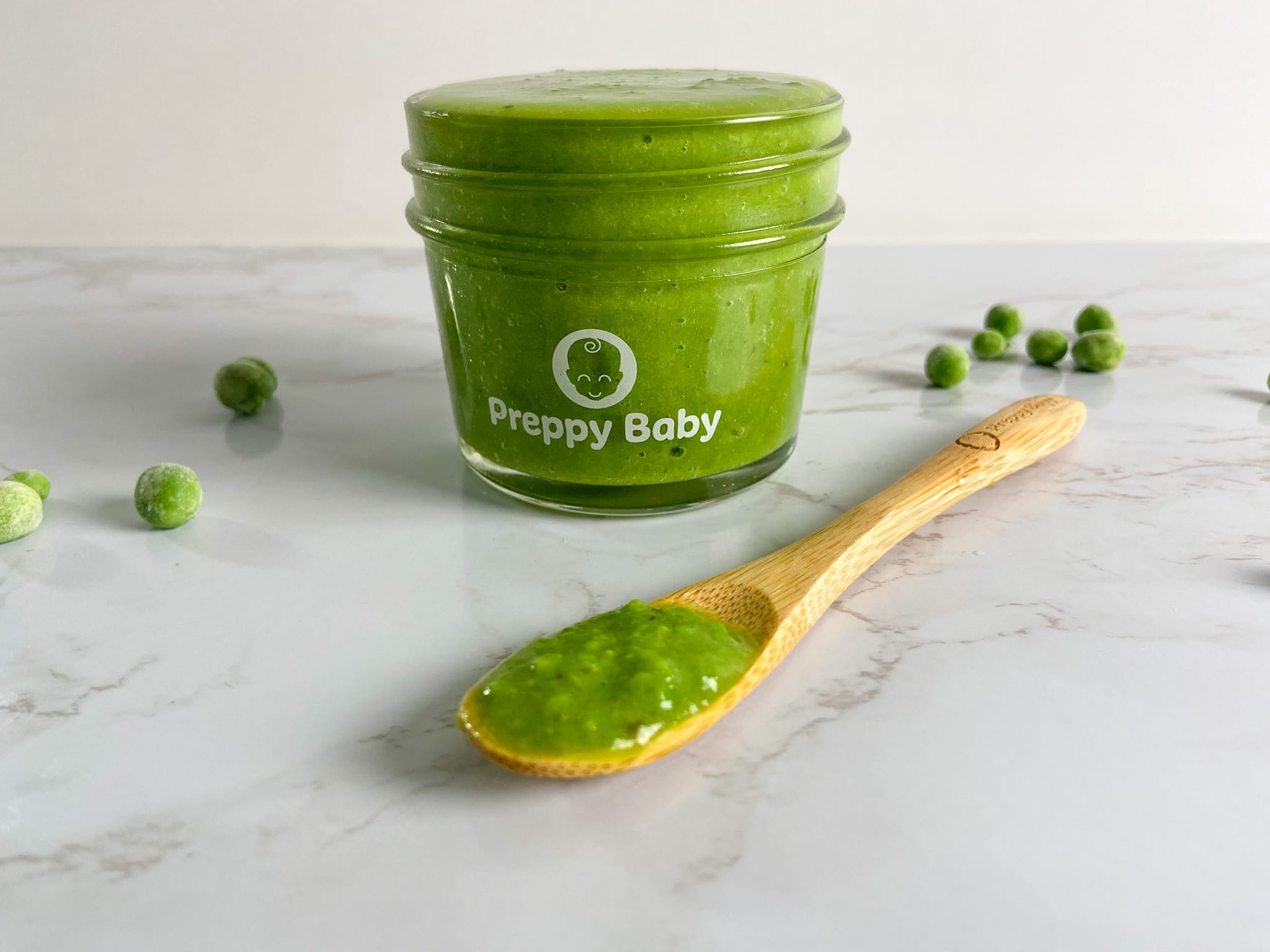
- Blend to the desired texture, adding water, breastmilk, or formula for smoothness.
- Cool quickly by placing the bowl in an ice bath or spreading in a shallow dish.
- Portion into trays and freeze, or store in the fridge and label with dates.
- Thaw in the fridge overnight or warm gently; do not reheat multiple times.
Flavor and nutrient boosts:
- Add a small drizzle of olive oil for healthy fats.
- Mix fruits with plain yogurt after 6 months for calcium and taste.
- Incorporate lentils or pureed chicken for added iron and protein.
Following these steps makes homemade food safe and reliable. The homemade vs store bought baby food balance is easier when you know simple batch methods.
Storing, reheating, and serving tips
Good storage keeps food safe and tasty. These tips apply whether you make food at home or open jars.
Storage rules:
- Label containers with content and date.
- Refrigerate opened jars and homemade purees and use within 48–72 hours.
- Freeze portions for up to 3 months for best taste.
Reheating tips:
- Warm food in a bowl placed in warm water or use a low-power microwave and stir thoroughly.
- Always check the temperature before serving to avoid hot spots.
Serving tips:
- Start with smooth purees, then progress to thicker textures.
- Offer small spoonfuls and watch for cues of readiness and allergy signs.
- Combine store bought and homemade purees to introduce new flavors with familiar textures.
Good storage and reheating make homemade vs store bought baby food both workable for busy families.
Personal experience and lessons learned
I’ve cooked and tested both homemade and store bought foods for clients and my own children. Here are lessons that helped families succeed.
What worked in real life:
- Batch cooking saved hours each week. Freezing in two-ounce portions made servings predictable.
- Mixing store bought jars with homemade purees helped when introducing new flavors. Pairing tasted better and reduced waste.
- Labeling and rotating stock prevented freezer mystery meals.
Common mistakes to avoid:
- Over-blending to the point of losing texture needed for progression to chewing.
- Forgetting to cool food quickly, which can degrade flavor and safety.
- Not checking labels on store bought jars and ending up with hidden salt or sugar.
Practical tip from my practice:
- Keep a short weekly plan: two homemade meals for home, three jars for travel, and one night for a new recipe trial. This mix eased stress and kept variety.

PAA-style quick questions
What is the main difference between homemade vs store bought baby food?
The main difference is control: homemade gives ingredient control and variety; store bought offers convenience and consistent safety controls.
Is store bought baby food better for travel?
Yes, store bought jars and pouches are compact, shelf-stable when unopened, and convenient for travel or daycare.
Can homemade purees match the nutrient quality of commercial food?
Yes, with good cooking and storage methods homemade purees can match or exceed nutrient quality, though commercial foods may be fortified in specific nutrients like iron.
Frequently Asked Questions of homemade vs store bought baby food
What age is best to start homemade baby food?
You can start purees around 4–6 months, depending on your baby’s readiness signs like head control and interest in food. Always check with your pediatrician before starting solids.
How long can homemade baby food stay in the fridge?
Homemade purees are safe in the fridge for 48–72 hours. Freeze extra portions to keep them longer and reduce waste.
Are store bought baby foods tested for safety?
Commercial baby foods are produced in controlled facilities with safety testing and labeling standards, but always check for recalls and read ingredient lists.
Can I mix homemade and store bought baby food?
Yes. Mixing helps introduce new flavors while offering the convenience and nutrient boosts of store bought items when needed.
How do I avoid added sugars in store bought baby food?
Read labels and choose products labeled “no added sugar” or “no added salt.” Stick to single-ingredient jars or those that list only whole foods.
Is freezing homemade baby food safe and does it cut nutrients?
Freezing is safe and preserves most nutrients if you freeze quickly and store properly. Some vitamin loss can occur but is usually minor compared to offering a varied diet.
How can I introduce allergens safely with homemade food?
Introduce common allergens one at a time in small amounts after the baby has tolerated other solids, and consult your pediatrician if there’s a family history of allergies.
Conclusion
Choosing between homemade vs store bought baby food is a personal choice shaped by time, budget, and values. Both options can provide safe, nutritious meals when you follow good practices. Try a balanced approach: use homemade for variety and control, and store bought for convenience and fortified needs. Start small, keep a simple plan, and adjust as your baby grows.
Takeaway: Plan a mix that fits your life—batch cook when you can, keep trusted jars on hand, and always focus on nutrient-rich, age-appropriate foods. Share your experiences below or subscribe for weekly recipes and tips to make feeding time easier and more joyful.