Baby growth spurts are short phases when babies suddenly grow, eat more, and act fussier.
If you have ever felt like your baby changed overnight, you are not imagining it. Baby growth spurts can make a calm routine feel upside down, but they are also a normal part of infant development. In this guide, I’ll walk you through what baby growth spurts look like, when they often happen, why they happen, and how to get through them with more confidence and less stress.
What baby growth spurts are
Baby growth spurts are times when a baby grows faster than usual in a short burst. During these periods, your baby may want to feed more often, sleep differently, or seem extra clingy.
These spurts are a normal part of physical and brain development. They are not a sign that something is wrong. In fact, they often show that your baby is right on track.
Baby growth spurts usually affect more than height and weight. Many parents notice changes in hunger, sleep, mood, and comfort needs at the same time.
Common signs of baby growth spurts
Baby growth spurts can look different from one child to another. Still, a few patterns show up often.
Common signs include:
• Increased hunger: Your baby may want to nurse or take a bottle much more often.
• Shorter naps or more night waking: Sleep can become lighter or more broken.
• Fussiness or clinginess: Your baby may want to be held more and may cry more easily.
• Bigger feeds: Some babies eat more in one sitting during a growth spurt.
• Brief changes in sleep and routine: A baby who once followed a pattern may suddenly seem off schedule.
A big lesson I have seen again and again is this: parents often assume fussiness means something is wrong, but it is often just a temporary growth phase. The change can feel intense for a day or two, then things settle back down.
When baby growth spurts happen
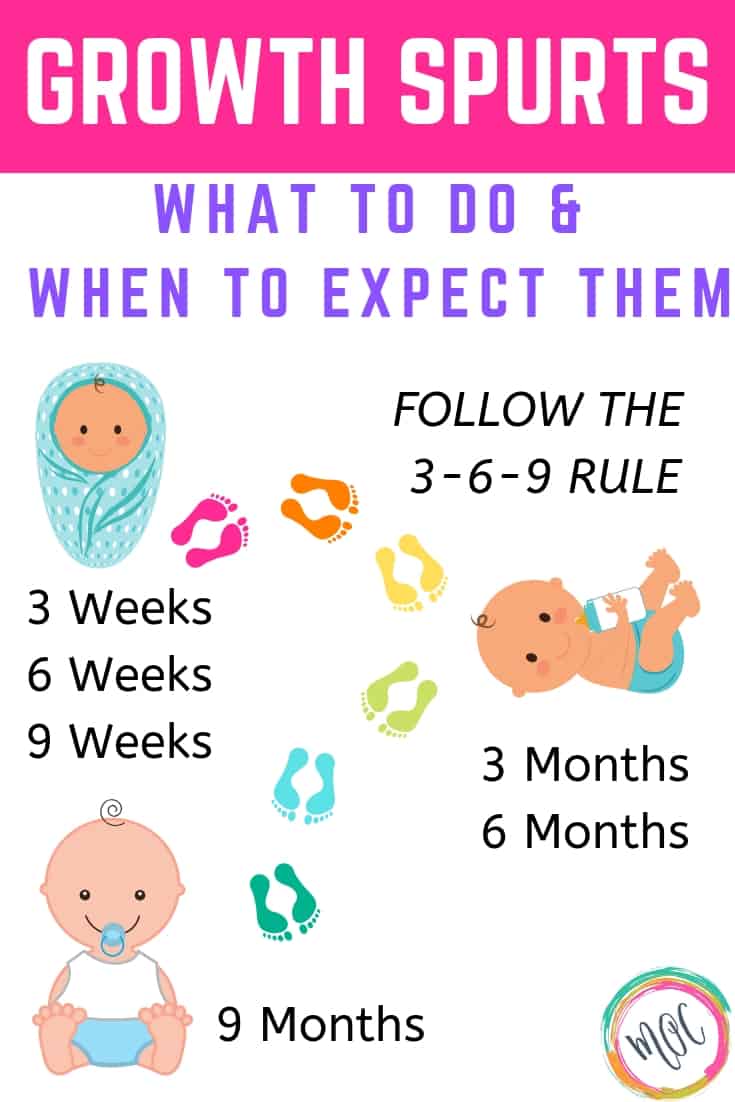
Many babies have growth spurts at predictable ages, though the exact timing can vary. A common pattern includes:
• Around 1 to 3 weeks
• Around 6 weeks
• Around 3 months
• Around 6 months
• Around 9 months
• Around 12 months
These windows are only general guides. Some babies grow early, some late, and some seem to have more noticeable spurts than others. Preterm babies may also follow their own adjusted timeline.
What matters most is the pattern over time, not one difficult day. If your baby is feeding well, growing steadily, and staying active, a short rough patch is often just part of normal development.
Why baby growth spurts happen
Baby growth spurts happen because the body is building fast. Babies are growing bones, muscles, organs, and brain connections at a pace that is much faster than in later childhood.
During early life, growth is especially rapid. The American Academy of Pediatrics and other pediatric experts note that infancy is a period of intense physical and neurologic growth, which explains why babies often need more calories and comfort during these times.
A growth spurt may also happen when your baby reaches a developmental leap. New skills, like rolling, sitting, crawling, or babbling, can make babies seem more demanding for a while because their bodies and brains are working hard.
Baby growth spurts and feeding changes
One of the clearest signs of baby growth spurts is a sudden increase in feeding. This is often called cluster feeding when it happens close together over a few hours.
You may notice:
• More frequent nursing sessions
• Larger bottle feeds
• Longer feeding time
• More fussing right after a feed if your baby still seems hungry
This increase in intake helps support new growth. For breastfeeding families, frequent feeding can also help maintain milk supply. For formula-fed babies, it may mean your baby is simply ready for a bit more volume, as long as your pediatrician agrees.
From real-life experience, I can say this is one area where parents often second-guess themselves. Many worry they are “overfeeding” or “not producing enough.” Usually, the baby is just asking for more fuel, the way a plant leans toward the sun when it needs it most.
Baby growth spurts and sleep
Sleep often changes during baby growth spurts. A baby who slept longer stretches may start waking more often. Naps can get shorter too.
This happens because hunger and brain development can both interrupt sleep. Babies may wake to eat more often, or they may be too alert to settle easily.
Helpful sleep tips during these phases:
• Keep the room dark and calm at night
• Offer feeds more often if your baby seems hungry
• Try not to force a strict nap schedule if your baby is clearly overtired
• Use soothing routines like swaddling if age-appropriate, rocking, or white noise
One mistake many tired parents make is assuming a sleep setback means a permanent regression. Most of the time, a baby growth spurt is temporary. A little flexibility often helps more than strict rules during these days.
Baby growth spurts vs. developmental leaps
People often use these terms together, but they are not exactly the same. A growth spurt is mostly about physical growth. A developmental leap is about brain growth and new skills.
Still, they often overlap. A baby may eat more, sleep less, and act fussy while learning a new skill like rolling over or sitting.
Here is the simple difference:
• Growth spurt: more physical growth and often more hunger
• Developmental leap: new skills, more alertness, and sometimes more fussiness
In daily life, it can be hard to tell them apart. If your baby seems bigger, hungrier, and needier all at once, you may be seeing both at the same time.
How to support your baby during a growth spurt
You do not need a perfect plan. You just need a few steady habits that keep your baby fed, comforted, and safe.
Try these practical steps:
• Feed on demand: Offer feeds when your baby shows hunger cues.
• Watch hunger cues: Rooting, hand-sucking, lip smacking, and restlessness often come before crying.
• Offer comfort: Extra holding, rocking, skin-to-skin contact, or a pacifier may help.
• Keep expectations simple: This is not the week for strict routines if your baby clearly needs more support.
• Rest when you can: Even short breaks can help you stay calmer and more patient.
I have found that parents do best when they stop fighting the phase and start responding to it. When you meet the baby where they are, things usually feel more manageable.
When baby growth spurts may last
Most baby growth spurts are short. They may last a few days, though some families feel the effects for about a week.
The exact length depends on your baby’s age, temperament, and overall health. Younger babies often have more frequent spurts because they are growing so quickly.
If your baby’s behavior seems unusual for longer than expected, or if feeding and sleep problems keep going, it is worth checking in with your pediatrician. That is especially true if weight gain seems slow or your baby seems too sleepy to feed well.
What is normal and what is not
Most baby growth spurts are normal and harmless. Still, it helps to know when to look closer.
Usually normal:
• Extra feeding for a few days
• More fussiness than usual
• Broken sleep for a short time
• Temporary clinginess
Call your pediatrician if you notice:
• Poor feeding over many feeds
• Fewer wet diapers than usual
• Trouble waking your baby for feeds
• Vomiting, fever, or signs of illness
• Weight gain concerns
Trust your instincts. You know your baby better than anyone. Growth spurts can be messy, but they should not leave you feeling that something is seriously off.
Practical tips for parents
Baby growth spurts are easier to handle when you lower the pressure on yourself. This is one of those seasons where simple wins matter.
A few parent-tested tips:
• Keep snacks and water nearby if you are breastfeeding
• Use easy clothes and simple routines for a few days
• Accept help with meals, laundry, or holding the baby
• Track feeds only if it helps you feel organized, not stressed
• Remind yourself that the phase will pass
One of the biggest lessons I have seen is that parents often try to “fix” a growth spurt. But most of the time, the best support is calm consistency. Feed, soothe, rest, repeat.
Why baby growth spurts matter for development
Baby growth spurts are not just about size. They are a sign that your baby is building the body and brain they will use for everything later on.
These spurts support:
• Brain development
• Muscle and bone growth
• Feeding skills
• Sleep pattern changes
• New motor milestones
So while a growth spurt can be tiring, it is also a healthy sign. It means your baby is doing important work behind the scenes.
Frequently Asked Questions of baby growth spurts
How long do baby growth spurts last?
Most baby growth spurts last a few days, though some can stretch closer to a week. The length depends on your baby’s age and growth pattern.
Do all babies have the same growth spurts?
No, babies do not all follow the exact same schedule. Some have very noticeable spurts, while others show only mild changes in feeding or sleep.
Can baby growth spurts affect sleep?
Yes, they often do. Babies may wake more often at night or take shorter naps because they are hungry or more alert.
Should I feed my baby more during a growth spurt?
Yes, usually feeding on demand is the best approach. If your baby is hungry more often, offering extra feeds can help meet that increased need.
When should I worry about a growth spurt?
You should check with a pediatrician if your baby is not feeding well, has fewer wet diapers, seems unusually sleepy, or shows signs of illness. A normal growth spurt should not come with serious warning signs.
Conclusion
Baby growth spurts are a normal part of early life, even when they feel exhausting in the moment. They often bring more hunger, more fussiness, and more sleep changes, but they also reflect healthy physical and brain growth.
The best way to handle them is to stay flexible, feed on demand, and give both your baby and yourself a little grace. If you watch for hunger cues and keep an eye on overall health, you will usually get through the rough patch just fine.
If this guide helped you feel more prepared, share it with another parent, or subscribe for more practical baby care tips.